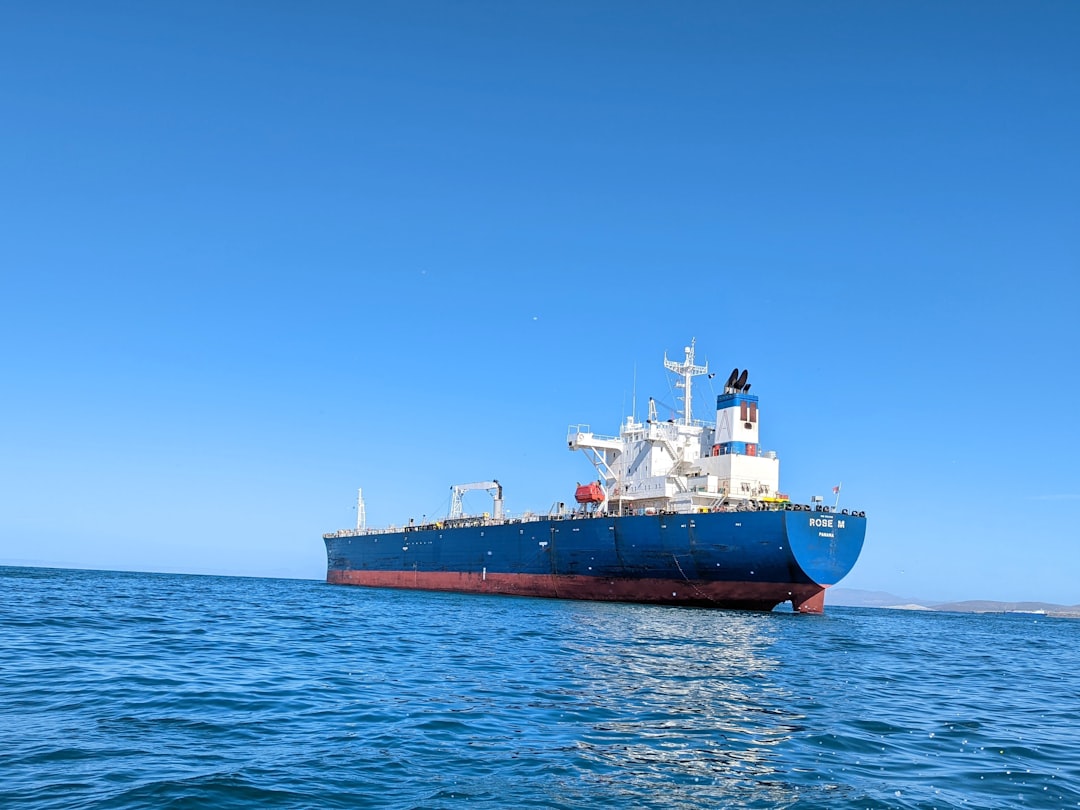
The relentless roar of oxy-acetylene torches, the clang of hammers against steel, and the acrid smell of burning metal permeate the air in Chattogram, Bangladesh. These are the sounds and smells of the world’s largest shipbreaking yard, a sprawling industrial graveyard where colossal vessels, their journeys ended, are meticulously dismantled piece by piece. For decades, Chattogram has been the epicenter of this dangerous industry, a place of both vital economic activity and profound human and environmental cost.
The sheer scale of the operation in Chattogram is breathtaking, and not in a pleasant way. Miles of coastline are littered with the skeletal remains of ships, their hulls beached precariously on the sand, awaiting their final dissection. These are not small fishing boats; these are supertankers, cargo ships, and passenger liners, behemoths of the global maritime trade, now reduced to their fundamental components. The process is a brutal ballet of men and machinery, a testament to human ingenuity and a stark illustration of the industry’s inherent risks.
A Colossal Graveyard
The physical presence of the shipbreaking yards is overwhelming. Imagine vast expanses of land, sculpted by the tide and the constant ebb and flow of dismantled ships. The jagged edges of rusted steel protrude like broken teeth, creating a chaotic yet strangely organized landscape. Each beached vessel represents a journey completed, a life lived at sea, now ending in a dusty, salty inferno. The sheer tonnage of metal processed here is staggering, a testament to the constant churn of global shipping and the relentless demand for recycled steel.
The Process of Dismantling
The process of shipbreaking is deceptively simple in concept but incredibly complex and hazardous in execution. Ships are guided onto the shallow foreshore during high tide and then stranded as the tide recedes. This precarious positioning is crucial for the manual labor that follows. Teams of workers, often armed with little more than basic tools and their own courage, board the hulks. They then systematically cut through the massive steel plates, often working at dizzying heights or in confined, dark spaces. Cranes, powerful but also potentially dangerous, are used to lift and move the massive sections of the ship as they are detached.
From Voyage to Scrap
The journey of a ship destined for Chattogram is a global one. Older vessels, no longer economically viable for cargo or passenger transport, are sold for scrap. Brokers negotiate deals, and these aging giants are then sailed, often under their own power, to their final destination. The allure of Chattogram lies in its lower labor costs and less stringent environmental regulations compared to many Western countries, making it a highly attractive location for ship owners looking to maximize profits from their decommissioned fleets.
The Art and Danger of Cutting
The core of the shipbreaking process is the cutting. Oxy-acetylene torches, creating flames hotter than the surface of the sun, are used to slice through steel that can be several inches thick. This is a skill that requires precision and experience, but the working conditions are far from ideal. Sparks fly constantly, creating a perpetual rain of fire, and the fumes generated by the burning metal are highly toxic. Workers often operate without adequate respiratory protection, inhaling a cocktail of hazardous chemicals.
Global Flow of Decommissioned Vessels
Chattogram is not an isolated phenomenon; it is a critical node in a global network of ship recycling. The decision to scrap a vessel is driven by economic factors, trade cycles, and increasingly, environmental regulations in developed nations. As countries like the United States and European nations implemented stricter environmental standards for ship dismantling, they effectively exported the problem to countries where enforcement was less rigorous. This has made places like Chattogram, Alang in India, and Gadani in Pakistan the de facto global shipbreaking hubs.
The Economics of Scrapping
The economics of shipbreaking are a complex interplay of global commodity prices, labor costs, and demand for recycled materials. The price of scrap steel fluctuates, directly impacting the profitability of the yards. However, the demand for steel, particularly in a developing country like Bangladesh, remains consistently high. This demand fuels the industry, creating jobs and contributing to the national economy, albeit at a significant human cost.
The Role of International Shipping Companies
International shipping companies play a pivotal role in the shipbreaking industry. When a vessel reaches the end of its operational life, it is sold to ship breakers, often through intermediaries. While some companies claim to adhere to ethical practices and seek out certified yards, the reality on the ground in Chattogram suggests that economic considerations often outweigh ethical concerns. The pursuit of the highest scrap value can lead to vessels being sold to yards with questionable safety and environmental records.
The shipbreaking industry in Chattogram, Bangladesh, has garnered significant attention due to its environmental and labor implications. For a comprehensive overview of the challenges and developments within this sector, you can refer to a related article on My Geo Quest, which explores the impact of shipbreaking on local communities and the environment. For more information, visit My Geo Quest.
The Human Cost: Lives on the Line
The most tragic aspect of Chattogram’s shipbreaking industry is the devastating toll it takes on the lives of the workers. These are predominantly men, often from the poorest segments of society, who are drawn to the yards by the promise of relatively high wages, despite the immense risks involved. They labor in brutal conditions, facing constant threats of injury, disfigurement, and even death.
The Daily Grind of Danger
For the workers, each day is a gamble. They navigate unstable structures, exposed to falling debris, toxic fumes, and the ever-present risk of fire. The lack of proper safety equipment is a pervasive issue. Many workers wear no more than simple cotton clothing, thin gloves, and sometimes a basic dust mask. Helmets are rarely seen, and harnesses are practically nonexistent. The sheer physical exertion required to cut and move massive steel plates under the scorching sun further exacerbates the dangers.
Accidents and Fatalities: A Grim Reality
Accidents are not occasional occurrences in Chattogram; they are a routine feature of the yards. Falls from heights, being crushed by falling steel, explosions from gas leaks, and electrocutions are all common. The official statistics on fatalities are often disputed, with many incidents likely going unreported. The sheer number of makeshift graves in nearby cemeteries speaks volumes about the unspoken toll. Families are left devastated, often with little to no compensation for the loss of their breadwinners.
The Plight of Child Labor
While officially outlawed, the presence of child labor in Chattogram’s shipbreaking yards is a persistent concern. Desperate families, struggling to survive, may send their children to work, believing that even a small income is better than none. Children are particularly vulnerable to the hazards of the industry due to their smaller stature and less developed physical and cognitive abilities. Their involvement compounds the already severe ethical concerns surrounding the yards.
Health Impacts: A Slow Poisoning
Beyond the immediate dangers of accidents, the long-term health impacts on the workers are equally alarming. Chronic exposure to asbestos, lead paint, and various other toxic chemicals found on aging ships leads to a range of debilitating illnesses. Respiratory diseases like silicosis and asbestosis are rampant. Skin conditions, neurological damage, and even increased cancer rates are significant concerns that are rarely addressed. The workers are effectively slowly poisoning themselves for a pittance.
Respiratory Ailments
The inhalation of fine steel dust, asbestos fibers, and noxious fumes from burning paint and other coatings creates a breeding ground for severe respiratory problems. Many workers develop persistent coughs, shortness of breath, and debilitating lung conditions that significantly shorten their lifespan and reduce their quality of life. The inability to breathe freely is a constant companion for many who have spent years in the yards.
Exposure to Hazardous Materials
Ships are often coated with layers of lead paint, anti-fouling agents containing heavy metals, and other hazardous materials designed to protect them at sea. When these materials are heated and cut, they release toxic particles into the air. Workers handle these materials without adequate protection, leading to absorption through the skin, inhalation, and ingestion, with devastating long-term health consequences.
Lack of Compensation and Social Security
The provision of adequate compensation and social security for injured or deceased workers is severely lacking in Chattogram’s shipbreaking yards. Many workers are employed informally, making it difficult to claim compensation. When accidents do occur, the compensation offered is often meager and does not adequately cover medical expenses or provide for the dependents of the deceased. This lack of a safety net perpetuates a cycle of poverty and vulnerability.
The Informal Workforce
The majority of workers are employed on a daily or piece-rate basis, operating within an informal labor market. This lack of formal employment contracts makes them particularly susceptible to exploitation and leaves them with no legal recourse when injuries or fatalities occur. The precarious nature of their employment means they are always at the mercy of the yard owners.
Inadequate Legal Protection
While Bangladesh has labor laws, their enforcement in the shipbreaking yards is notoriously weak. The powerful economic interests involved often seem to override the need for robust worker protection. This leaves workers vulnerable to exploitation and without the legal recourse they deserve.
Environmental Devastation: A Toxic Legacy
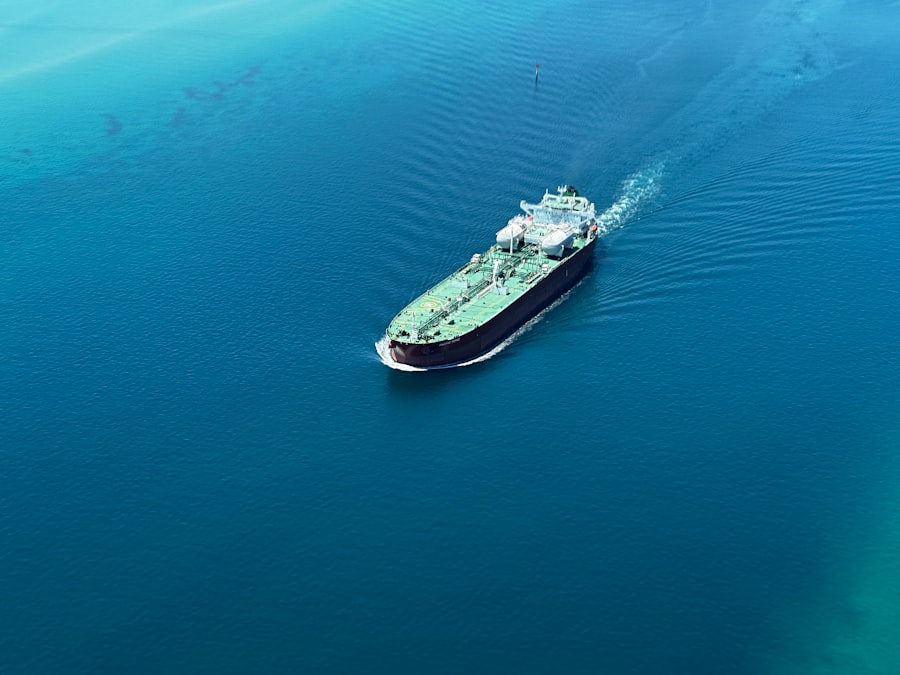
The environmental consequences of the shipbreaking industry in Chattogram are as profound as the human cost. The beaches, once pristine, are now scarred by industrial pollution. The dismantling process releases a toxic cocktail of hazardous substances into the air, soil, and surrounding waterways, leaving a lasting and devastating impact on the local ecosystem.
Pollution of the Coastal Environment
The practice of beaching ships directly on the shore means that oil spills, leaking fuel, and other hazardous fluids from the vessels inevitably seep into the sand and the Bay of Bengal. These pollutants contaminate the marine environment, harming aquatic life and impacting the livelihoods of local fishing communities. The visual blight of oil slicks is a constant reminder of the industry’s environmental footprint.
Oil and Chemical Contamination
As ships are beached, they are often drained of their remaining fuel and lubricants directly onto the sand. This, coupled with the inevitable leaks from aging hulls, leads to significant oil and chemical contamination of the coastal area. These substances persist in the environment for years, damaging delicate marine ecosystems and posing a threat to human health.
Waste Management Nightmares
The sheer volume of waste generated by shipbreaking is immense. This includes not only steel but also large quantities of hazardous materials like asbestos, PCBs, and various industrial chemicals. The inadequate disposal of this waste leads to further environmental contamination, with plastic debris and heavy metals leaching into the soil and water.
Air Pollution and its Ramifications
The burning of metal, the use of heavy machinery, and the release of toxic fumes from paints and coatings contribute to severe air pollution in the surrounding areas. The constant haze and the acrid smell are not just unpleasant; they pose serious health risks to the local population, including respiratory problems and other long-term health issues.
Fumes from Cutting and Burning
The process of cutting and burning steel releases a multitude of harmful gases and particulate matter into the atmosphere. These include carbon monoxide, sulfur dioxide, nitrogen oxides, and various volatile organic compounds. Without proper emission controls, these pollutants directly impact the air quality of the region.
Asbestos Dust and Other Toxins
The presence of asbestos in older ships is a major concern. When these materials are disturbed and heated, they release microscopic asbestos fibers into the air. Inhaling these fibers can lead to fatal diseases like asbestosis and mesothelioma, even years after exposure.
Impact on Marine Ecosystems
The pollution from shipbreaking yards has a significant detrimental impact on the marine life of the Bay of Bengal. Oil spills, heavy metal contamination, and plastic debris suffocate marine organisms, disrupt breeding cycles, and poison the food chain. The once vibrant marine ecosystem is struggling to survive under the onslaught of industrial waste.
Loss of Biodiversity
The relentless pollution has led to a noticeable decline in the biodiversity of the coastal waters. Fish populations have dwindled, and the health of coral reefs and other sensitive marine habitats is severely compromised. The economic impact on local fishing communities is immense.
Contamination of Seafood
The contamination of the marine environment also poses a direct threat to human health through the consumption of contaminated seafood. Heavy metals and other toxins can accumulate in fish and shellfish, leading to long-term health problems for those who consume them.
The Global Demand for Recycled Steel
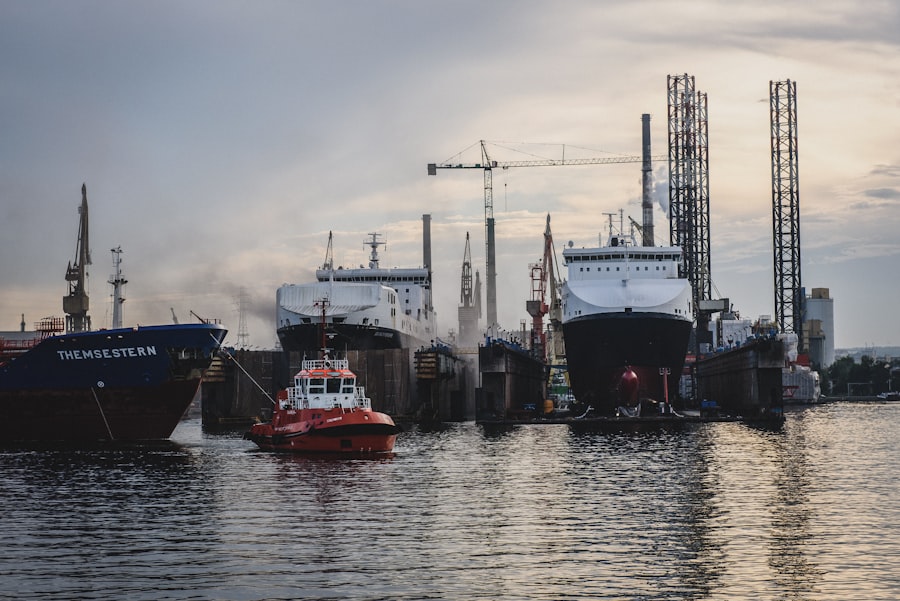
The engine that drives the shipbreaking industry in Chattogram is the insatiable global demand for recycled steel. As the world grapples with resource scarcity and the need for sustainable practices, scrap metal becomes an increasingly valuable commodity. Shipbreaking provides a massive source of this material, fueling construction and manufacturing industries worldwide.
A Vital Source of Raw Material
The steel that makes up a ship is a valuable resource. When dismantled, it can be melted down and repurposed into a wide range of products, from construction beams and car parts to household appliances. This recycling process reduces the need for virgin iron ore, a process that is often more environmentally destructive and energy-intensive.
The Circular Economy Connection
Shipbreaking, in theory, fits into the concept of a circular economy, where materials are kept in use for as long as possible. The end-of-life of a ship is seen as an opportunity to recover valuable resources rather than simply discarding them. However, the ethical and environmental costs associated with this recovery in Chattogram severely undermine its sustainability.
Economic Benefits for Bangladesh
The steel obtained from shipbreaking is a crucial raw material for Bangladesh’s growing industrial sector. It helps to meet the country’s demand for steel at a lower cost than importing it, contributing to economic development and job creation within the downstream manufacturing industries.
The Role of Demand in Developing Economies
The demand for steel is particularly high in developing economies like Bangladesh, where infrastructure development and industrialization are rapidly progressing. Shipbreaking yards provide a readily available and relatively inexpensive source of this essential commodity, contributing to the country’s economic growth.
Infrastructure Development
The construction of roads, bridges, buildings, and other infrastructure projects in Bangladesh requires vast amounts of steel. The recycled steel from the shipbreaking yards plays a vital role in meeting this demand, enabling rapid development and modernization.
Manufacturing Sector Growth
Beyond infrastructure, the manufacturing sector in Bangladesh also relies heavily on steel for the production of various goods. The availability of affordable recycled steel from shipbreaking supports the growth and competitiveness of these industries.
The Trade-Off: Economic Growth vs. Human and Environmental Welfare
The global demand for recycled steel creates a complex trade-off. While it contributes to economic growth and resource efficiency, the way it is met in places like Chattogram comes at an unacceptably high cost to human lives and the environment. The question remains whether the economic benefits truly outweigh the immense suffering and destruction.
The Global Market for Scrap Steel
The international market for scrap steel is a powerful economic force. Shipping companies are incentivized to sell their old vessels to the highest bidder, and the yards in countries like Bangladesh offer the most competitive prices due to lower operational costs. This global market dynamic is a primary driver of the industry’s location.
The Ethical Dilemma for Buyers
Industries that purchase recycled steel from Chattogram face an ethical dilemma. While they benefit from a cost-effective raw material, they are, in essence, indirectly supporting an industry with severe human rights and environmental abuses. The lack of transparency and traceability in the supply chain makes it difficult for buyers to ensure ethical sourcing.
The shipbreaking yards in Chattogram, Bangladesh, have garnered significant attention due to their impact on both the economy and the environment. This industry plays a crucial role in recycling materials, yet it raises concerns about worker safety and environmental degradation. For a deeper understanding of the complexities surrounding this topic, you can read a related article that explores the challenges and opportunities within the shipbreaking sector. To learn more, visit this informative article that sheds light on the various aspects of shipbreaking in Chattogram.
Towards a More Responsible Future?
| Yard Name | Number of Ships | Tonnage | Employment |
|---|---|---|---|
| Ziri Subedar Ship Breaking Yard | 20 | 150,000 | 500 |
| PHP Ship Breaking Yard | 15 | 120,000 | 400 |
| Shitalpur Ship Breaking Yard | 25 | 180,000 | 600 |
The grim realities of Chattogram’s shipbreaking yards have not gone unnoticed. Growing international pressure, advocacy from human rights organizations, and a greater awareness of environmental issues are slowly pushing for change. The path towards a more responsible and sustainable future for shipbreaking is fraught with challenges, but it is a necessary one.
International Pressure and Advocacy
Numerous international organizations, including the ILO, Greenpeace, and various human rights advocacy groups, have been campaigning for improved conditions in shipbreaking yards worldwide. Their efforts have put pressure on governments, shipping companies, and industry stakeholders to address the issues of worker safety, environmental protection, and ethical practices.
The Hong Kong Convention
The International Maritime Organization’s (IMO) Hong Kong International Convention for the Safe and Environmentally Sound Recycling of Ships, adopted in 2009, aims to establish a global framework for ship recycling. However, its ratification and effective implementation by all major maritime nations remain a significant challenge. The convention seeks to ensure that ships are recycled in a safe and environmentally sound manner, with due regard to the specific conditions in each recycling State.
NGOs and Activist Campaigns
Non-governmental organizations (NGOs) play a crucial role in shedding light on the abuses within the industry. Through documentaries, investigative reports, and public awareness campaigns, they highlight the plight of the workers and the environmental damage. These campaigns aim to shame companies into adopting more responsible practices and to influence policy changes.
The Role of Certifications and Standards
The development and adoption of independent certification schemes and industry standards are seen as crucial steps towards improving the shipbreaking process. Yards that meet rigorous safety and environmental criteria could be recognized, providing a mechanism for shipping companies to choose responsible partners.
Green Ship Recycling Initiatives
Several initiatives are emerging to promote “green ship recycling.” These programs aim to ensure that ships are dismantled in facilities that adhere to strict environmental and safety regulations. Companies that participate in these initiatives are often committed to providing safe working conditions, proper waste management, and minimizing their environmental footprint.
Responsible Ship Recycling Standards
The development of robust standards for ship recycling requires collaboration between governments, industry, and labor unions. These standards should cover aspects such as worker training, safety equipment, hazardous material handling, and the proper disposal of waste. The goal is to create a universally accepted benchmark for responsible ship recycling.
The Need for Government Intervention and Enforcement
Ultimately, sustainable change in Chattogram’s shipbreaking yards will require strong government intervention and effective enforcement of existing laws. This includes enacting and enforcing stricter safety regulations, environmental protection laws, and labor rights.
Stricter Regulations and Enforcement
The Bangladeshi government has a critical role to play in ensuring that shipbreaking yards operate within acceptable safety and environmental standards. This involves implementing rigorous inspections, imposing penalties for non-compliance, and investing in the necessary infrastructure for safe and environmentally sound waste management.
Investment in Worker Welfare
Beyond regulation, the government should invest in the welfare of the workers. This could include establishing comprehensive social security programs, providing access to healthcare and education, and supporting initiatives for skills development and alternative livelihood options for those who are no longer able to work in the yards.
The Future of Shipbreaking: A Transformative Shift
The future of shipbreaking in Chattogram, and indeed globally, hinges on a transformative shift away from the current exploitative and environmentally damaging model. This requires a collective commitment from all stakeholders – shipping companies, shipbreakers, governments, and consumers – to prioritize human dignity, environmental sustainability, and ethical business practices. The dream of a day when the roar of the torches is replaced by the hum of responsible innovation, and the acrid smell of burning metal gives way to cleaner air, remains a distant but vital aspiration. The world watches to see if Chattogram can rise from its dangerous legacy to become a beacon of responsible industrial practice, or if it will continue to be a grim reminder of the cost of unchecked industrial ambition.
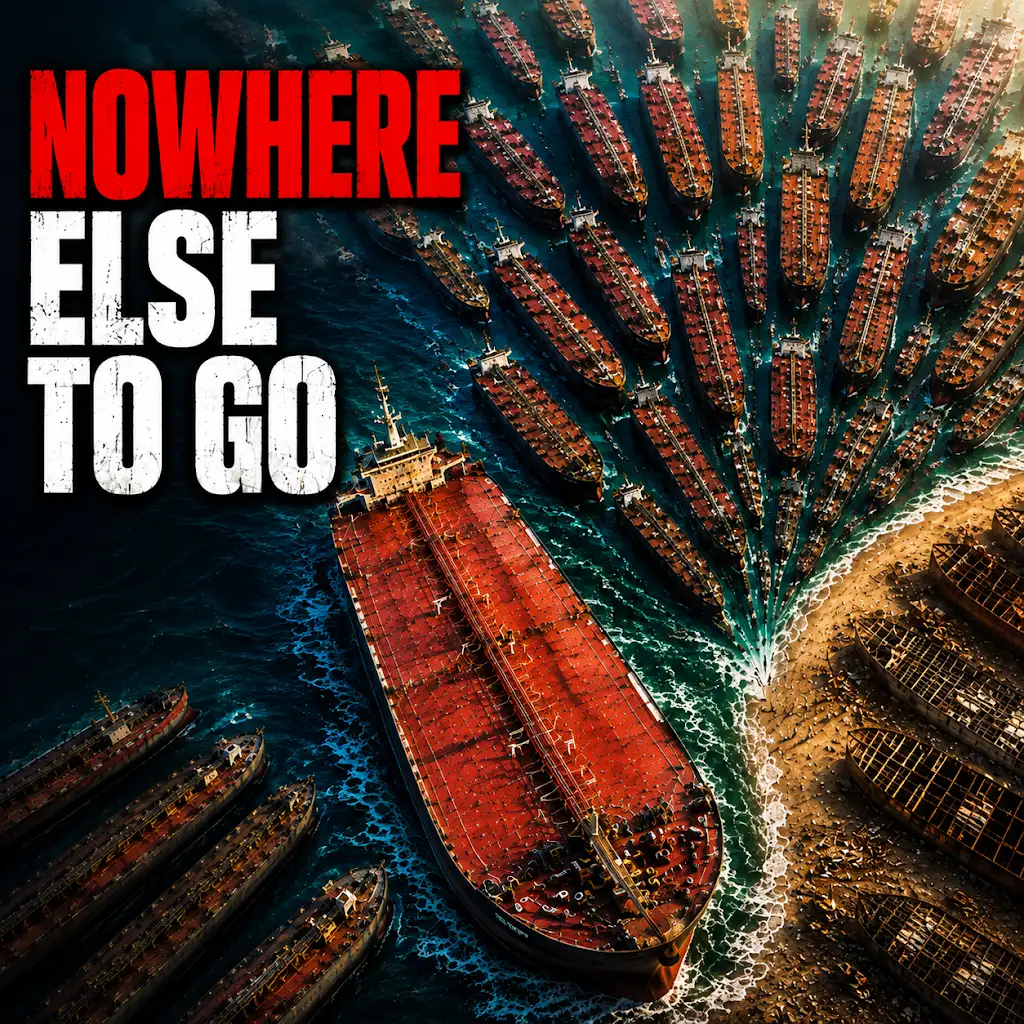
The Beaches Global Trade Can’t Afford to Lose
FAQs
What is the Chattogram shipbreaking yard in Bangladesh?
The Chattogram shipbreaking yard, also known as the Chittagong shipbreaking yard, is one of the world’s largest shipbreaking yards located in Sitakunda, Bangladesh. It is where old and decommissioned ships are dismantled and their parts are recycled.
How does the shipbreaking process work at Chattogram?
The shipbreaking process at Chattogram involves bringing in old ships, such as oil tankers and cargo vessels, to the yard. The ships are then dismantled by a large workforce using manual labor and simple tools. The various parts of the ships are then sorted and sold for recycling.
What are the environmental and safety concerns associated with the Chattogram shipbreaking yard?
The shipbreaking process at Chattogram has raised concerns about environmental pollution and worker safety. The dismantling of ships often leads to the release of hazardous materials such as asbestos, heavy metals, and oil into the environment. Additionally, the workers at the yard are often exposed to dangerous working conditions and accidents.
What are the economic benefits of the shipbreaking industry in Bangladesh?
The shipbreaking industry in Bangladesh, including the Chattogram yard, provides employment opportunities for a large number of people, particularly in the local community. It also contributes to the local economy through the sale of recycled materials and the re-use of ship parts.
What measures are being taken to address the environmental and safety concerns at the Chattogram shipbreaking yard?
Efforts are being made to improve environmental and safety standards at the Chattogram shipbreaking yard. This includes the implementation of stricter regulations, the use of safer dismantling techniques, and the provision of better working conditions for the labor force. Additionally, there are ongoing discussions about the need for international regulations to govern the shipbreaking industry.