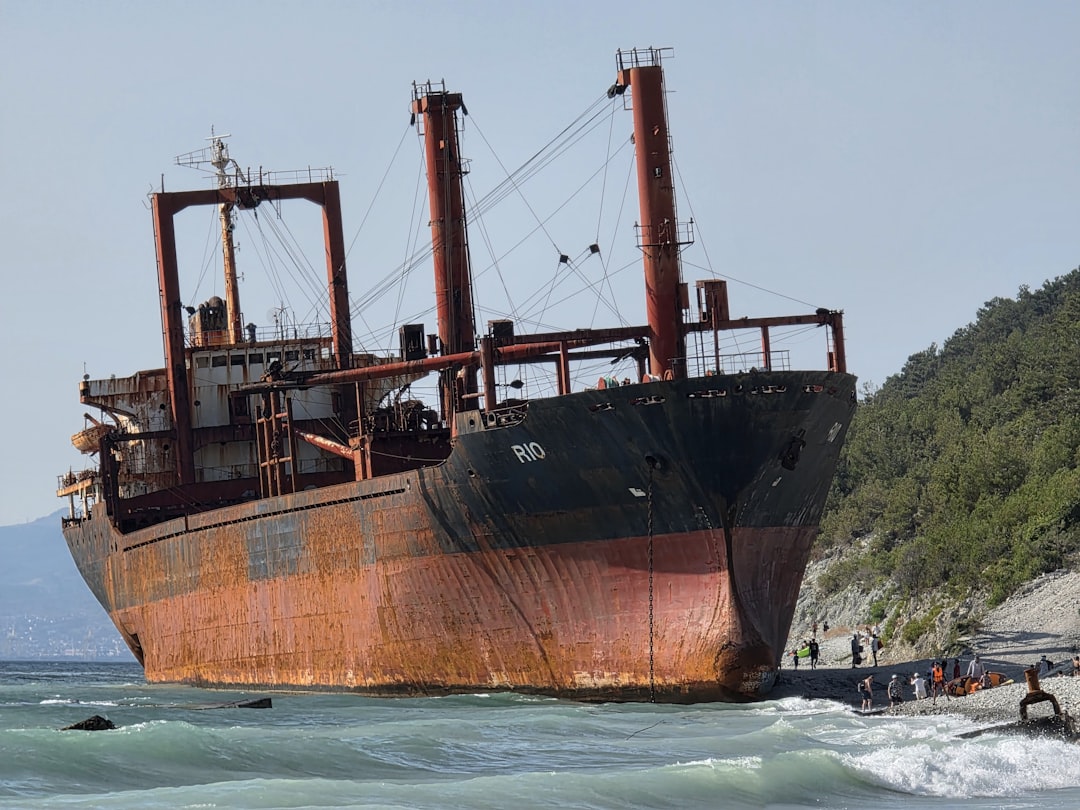
The relentless sun beat down on the vast expanse of Chittagong, Bangladesh’s shipbreaking beach, a sprawling graveyard of maritime giants. Here, colossal vessels, once symbols of global trade and industrial might, were systematically dismantled, piece by agonizing piece. This raw and unflinching reality formed the heart of “Inside Bangladesh’s Shipbreaking Beach,” a powerful documentary that peeled back the layers of this colossal, often unseen, industrial complex. The film offered a visceral journey into the lives of the thousands of workers who toiled amidst the wreckage, their labor forming the bedrock of this critical, yet ethically fraught, industry.
The sheer immensity of Chittagong’s shipbreaking beach was the first thing that struck the viewer. The documentary painted a vivid picture of this industrial spectacle, showcasing the skeletal remains of ships stretching as far as the eye could see, silhouetted against the azure sky. This was not just a collection of discarded hulks; it was a landscape shaped by human hands, a testament to the relentless cycle of consumption and reclamation.
A Global Graveyard for Ships
The film emphasized that these were not just any ships; they were the world’s decommissioned behemoths. From oil tankers that had traversed oceans to cruise liners that once ferried thousands on holiday, their final resting place was this stretch of Bangladeshi coastline. The documentary highlighted the global nature of this industry, revealing how retired vessels from wealthy nations found their end in the developing world, where labor costs were significantly lower. This stark contrast underscored the complex economic dynamics at play, where the end-of-life for one nation’s assets became the primary source of livelihood for another. The visual narrative was powerful, with shots of enormous propellers resting on the sand and colossal hulls being painstakingly cut apart, evoking a sense of awe at the scale of human endeavor and the ultimate obsolescence of even the most imposing structures. The film didn’t shy away from the visual impact of this industrial graveyard, allowing the sheer size of the dismantled ships to speak volumes about the global economic machine and its waste.
The Economic Engine of Chittagong
“Inside Bangladesh’s Shipbreaking Beach” meticulously detailed how this industry had become an indispensable economic engine for Chittagong and Bangladesh as a whole. It was a source of employment for a significant portion of the local population, providing livelihoods in an often resource-scarce region. The documentary explored the ripple effects, showing how the dismantling process generated revenue through the sale of scrap metal, engine parts, and other reusable components, fueling local businesses and contributing to the national economy. While the ethical questions loomed large, the film undeniably presented the economic reality for thousands of families who depended on this industry for survival. The narrative carefully balanced the industrial prowess with the human element, showcasing the intricate web of economic dependencies that sustained the shipbreaking operations.
The documentary on Bangladesh’s shipbreaking beaches sheds light on the environmental and human costs associated with this industry, highlighting the struggles faced by workers and the ecological impact on the region. For a deeper understanding of the complexities surrounding shipbreaking and its implications, you can explore a related article on this topic at My Geo Quest. This resource provides additional insights and perspectives that complement the themes presented in the documentary.
The Human Cost: Lives on the Line
Beyond the towering metal carcasses, the documentary plunged into the heart of the human experience. The lives of the shipbreakers, their daily struggles, and the immense risks they undertook were brought to the forefront, exposing the often-unseen human cost of this industry. The film unflinchingly portrayed the dangers inherent in their work, challenging the viewer to confront the ethical implications of cheap labor and unsafe working conditions.
A Day in the Life of a Shipbreaker
The documentary offered a gritty, unvarnished glimpse into the daily routines of the shipbreakers. Viewers witnessed men, some as young as teenagers, arriving before dawn, their faces etched with fatigue and determination. The film meticulously documented their arduous tasks: the arduous process of cutting through thick steel with acetylene torches, the perilous climbs across precarious structures, and the constant threat of falling debris. The soundtrack often consisted of the deafening roar of machinery and the clang of metal, creating an immersive and often unsettling atmosphere. Through interviews and observational footage, the film humanized these workers, revealing their hopes, their fears, and their unwavering resilience in the face of constant danger. Their stories, told in their own words, resonated deeply, providing a powerful counterpoint to the industrial spectacle.
The Pervasive Dangers and Lack of Safety
“Inside Bangladesh’s Shipbreaking Beach” did not shy away from the perilous nature of the work. The documentary vividly illustrated the absence of adequate safety measures, with workers often seen without proper protective gear. The risks were manifold: the constant threat of explosions from residual fuel or gas, the danger of falling from great heights, the potential for severe burns from welding, and the pervasive issue of toxic fumes. The film showcased instances of injuries and alluded to fatalities, creating a palpable sense of unease and highlighting the systemic neglect of worker safety. The lack of proper training and the pressure to meet quotas were presented as contributing factors to this dangerous environment. The visual evidence of makeshift scaffolding and the absence of safety nets served as a stark indictment of the industry’s practices.
The Shadow of Asbestos and Other Toxins
A particularly disturbing aspect of the documentary focused on the exposure to hazardous materials. The film revealed that many of the ships brought to the beach were laden with asbestos, a known carcinogen, as well as other toxic substances like lead paint and chemicals. The workers were shown dismantling these materials without adequate protection, breathing in dangerous particles that could lead to long-term, life-threatening illnesses. The documentary highlighted the lack of awareness among many workers about the severity of these health risks, and the absence of proper medical monitoring further compounded the problem. The film’s exploration of this hidden danger served as a critical commentary on the environmental and public health consequences of shipbreaking.
The Economic Imperative: A Double-Edged Sword
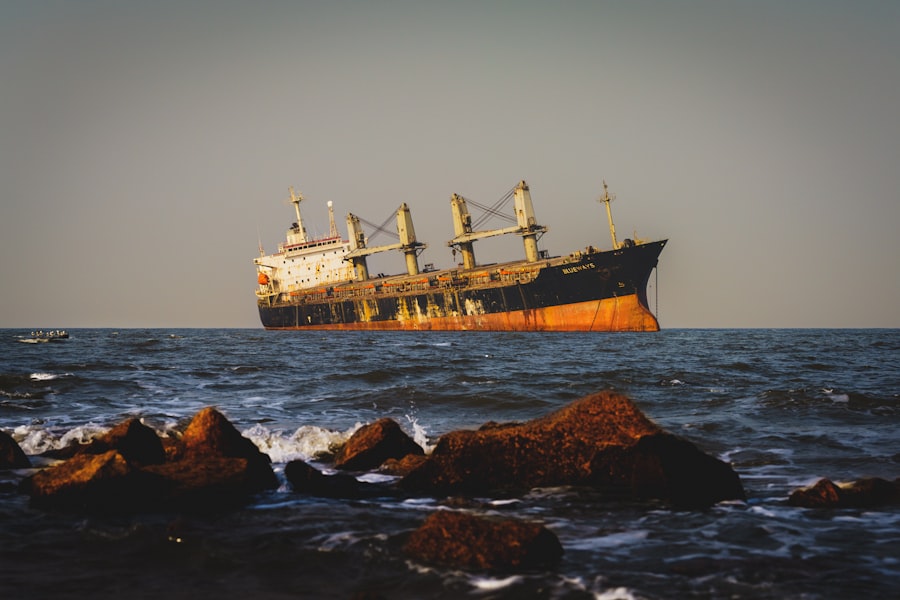
The documentary meticulously explored the complex economic realities that drove the shipbreaking industry in Bangladesh. It presented a nuanced picture, acknowledging the industry’s crucial role in the national economy while simultaneously scrutinizing the ethical compromises involved. The film aimed to foster a deeper understanding of the motivations behind this controversial practice.
The Promise of Employment and Livelihood
The central argument for the continuation of shipbreaking, as presented in the film, was its unparalleled ability to provide employment. For thousands of individuals and families in a country with a large, often underemployed, population, shipbreaking represented a vital source of income. The documentary showcased individuals who had no other viable employment options, emphasizing that this dangerous work was often their only means of survival. The film explored how the industry had become ingrained in the local economy, supporting entire communities. The economic imperative, therefore, was not merely about profit for a few but about sustaining the livelihoods of many.
The Global Disparity and Recycling Economics
“Inside Bangladesh’s Shipbreaking Beach” critically examined the global economic disparity that fueled the industry. Wealthier nations, with stricter environmental regulations and higher labor costs, offloaded their aging vessels to countries like Bangladesh, where such regulations were often lax or unenforced. The film highlighted the economic logic of this arrangement: it was cheaper for ship owners to sell their vessels for scrap to developing nations than to adhere to costly dismantling procedures in their home countries. This global recycling economy, while providing jobs in Bangladesh, also exposed the inherent inequalities of international trade and environmental responsibility. The documentary effectively illustrated how the environmental burden of obsolescence was disproportionately borne by developing nations.
The Contribution to National Development
The documentary also touched upon the broader economic contributions of the shipbreaking industry to Bangladesh’s national development. The vast quantities of recycled steel and other materials salvaged from the dismantled ships were essential raw materials for various industries within Bangladesh, reducing the need for imports and contributing to self-sufficiency. The revenue generated from the sale of scrap metal and other components also contributed to government coffers, albeit often through informal channels. The film, therefore, presented shipbreaking not just as a local employer but as an industry that, in its own way, fueled aspects of national industrial growth.
Voices from the Beach: Testimonies of Resilience and Hardship
The true power of “Inside Bangladesh’s Shipbreaking Beach” lay in its intimate portraits of the individuals who lived and worked amidst the wreckage. The documentary allowed their voices to be heard, sharing their experiences, their struggles, and their enduring hopes. These personal narratives provided an emotional anchor to the film, humanizing the statistics and the industrial processes.
The Aspirations of the Shipbreakers
Through heartfelt interviews, the film revealed the aspirations of the shipbreakers. Many spoke of their desire for a better life for their children, hoping that education would offer them a path away from the dangerous and arduous work they endured. Others expressed dreams of owning their own small businesses or improving their living conditions. These were not simply laborers; they were individuals with dreams and ambitions, their hopes often overshadowed by the harsh realities of their daily lives. The documentary captured these poignant moments, showcasing the inherent human spirit that persevered even in the most challenging circumstances.
The Enduring Spirit in the Face of Adversity
The documentary showcased the remarkable resilience of the shipbreakers. Despite the constant dangers, the meager wages, and the often-inadequate living conditions, they continued to report for work each day. This tenacity, born out of necessity and a deep sense of responsibility to their families, was a recurring theme. The film depicted moments of camaraderie among the workers, their shared experiences forging a sense of community and mutual support. This enduring spirit, while admirable, also served as a stark reminder of the lack of viable alternatives for many.
The Plea for Better Conditions and Fairer Treatment
Underneath the stoic resilience, the documentary captured the quiet pleas of the shipbreakers for improved working conditions and fairer treatment. Many expressed a longing for basic safety equipment, proper medical care, and more equitable wages. Their testimonies were not demands for handouts, but a fundamental assertion of their right to dignity and safety in the workplace. The film effectively amplified these voices, urging viewers to consider the human element behind the industrial machinery and to advocate for change. The subtle nuances in their expressions and the sincerity in their words conveyed a powerful message about the need for ethical industrial practices.
The documentary on Bangladesh’s shipbreaking beach sheds light on the environmental and social issues surrounding this industry, which has garnered significant attention in recent years. For those interested in exploring this topic further, a related article provides an in-depth analysis of the challenges faced by workers and the impact on local ecosystems. You can read more about it in this insightful piece found here. This resource complements the documentary by offering additional context and perspectives on the complexities of shipbreaking in Bangladesh.
The Ethical Dilemma: Progress at What Cost?
| Metrics | Data |
|---|---|
| Documentary Title | Bangladesh Shipbreaking Beach |
| Location | Bangladesh |
| Subject | Shipbreaking Industry |
| Release Year | 2021 |
| Duration | 60 minutes |
The documentary “Inside Bangladesh’s Shipbreaking Beach” ultimately served as a powerful call to reflection on the ethical implications of the shipbreaking industry. It presented a complex dilemma, forcing viewers to grapple with the difficult questions surrounding economic development, environmental responsibility, and human rights.
The Responsibility of Global Consumers and Corporations
The film implicitly challenged global consumers and corporations to consider their role in this industry. By demanding products made with recycled materials, and by continuing to operate shipping fleets without adequate end-of-life plans, the global North contributed to the demand for shipbreaking in the South. The documentary suggested that true progress required a more equitable distribution of environmental and social responsibility, urging businesses to adopt more sustainable practices and to invest in safer dismantling methods. The film encouraged a critical examination of consumption patterns and their downstream consequences.
The Need for Regulation and International Oversight
“Inside Bangladesh’s Shipbreaking Beach” highlighted the urgent need for stronger regulation and international oversight of the shipbreaking industry. The documentary demonstrated how lax enforcement of existing laws and the absence of robust international agreements allowed unsafe practices to persist. The film advocated for greater transparency, accountability, and the implementation of internationally recognized safety standards and environmental protections. The notion that the “lowest bidder” should dictate safety standards was directly challenged.
Towards a More Sustainable Future for Maritime Waste
The documentary concluded with a hopeful, yet urgent, call for a more sustainable future for maritime waste management. It suggested that innovative solutions, such as investing in safer dismantling technologies, promoting responsible ship recycling practices, and developing alternative industries, were essential to move beyond the current exploitative model. The film implied that a future where the end-of-life for ships could be managed ethically and sustainably was not only possible but imperative for both human well-being and environmental protection. The final images lingered, a stark reminder of the human and environmental toll of our global industrial appetite.
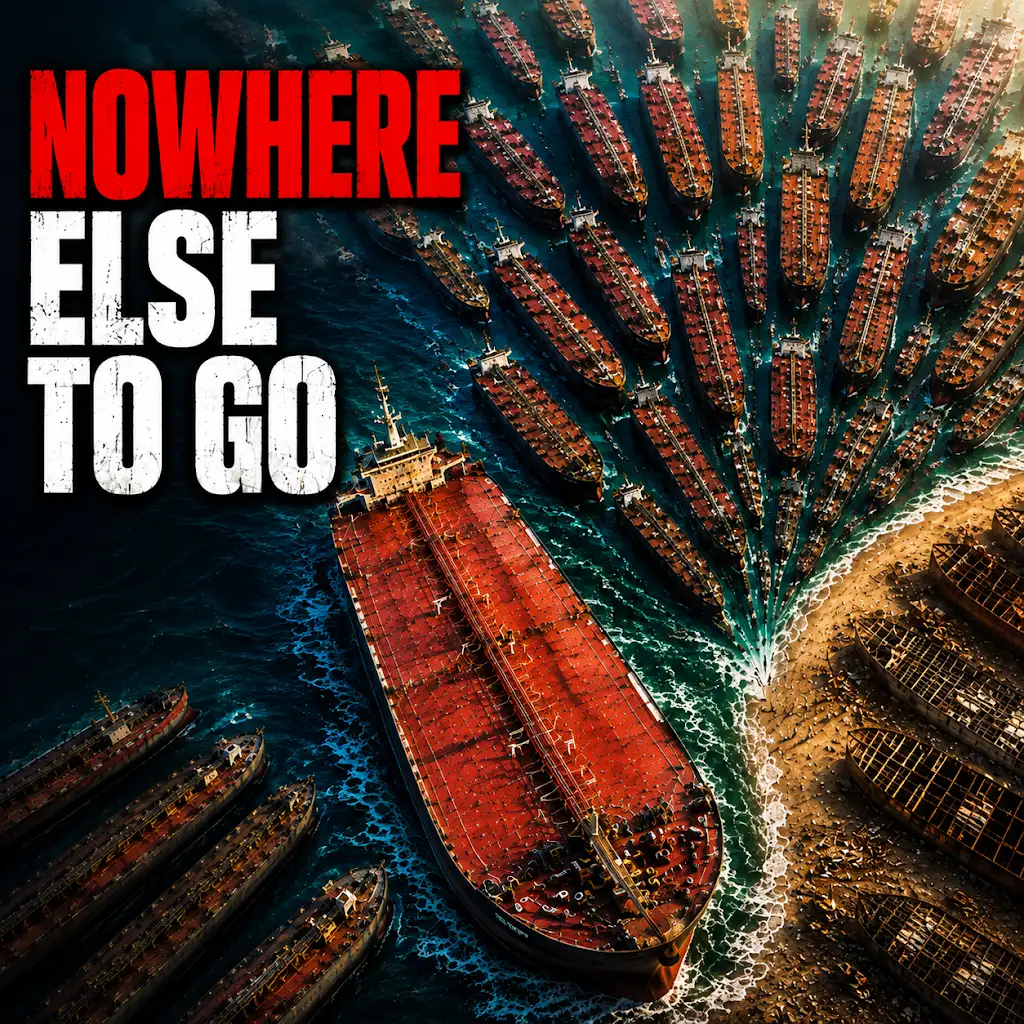
The Beaches Global Trade Can’t Afford to Lose
FAQs
What is shipbreaking?
Shipbreaking is the process of dismantling old ships for scrap metal and other materials. This is often done in developing countries, where labor is cheaper and environmental regulations are less strict.
Where is the Bangladesh shipbreaking beach located?
The Bangladesh shipbreaking beach, also known as the Chittagong shipbreaking yard, is located in Sitakunda, near the port city of Chittagong in Bangladesh.
What are the environmental and safety concerns associated with shipbreaking?
Shipbreaking can have serious environmental and safety concerns. The process often involves the release of hazardous materials such as asbestos, lead, and oil into the environment. Workers are also at risk of accidents and exposure to toxic substances.
What is the documentary about?
The documentary about the Bangladesh shipbreaking beach sheds light on the environmental and human rights issues associated with the shipbreaking industry. It explores the working conditions of the laborers and the impact of the industry on the local environment.
What are the efforts to address the issues at the Bangladesh shipbreaking beach?
There have been efforts to improve safety and environmental standards at the Bangladesh shipbreaking beach. This includes the implementation of the Hong Kong International Convention for the Safe and Environmentally Sound Recycling of Ships, as well as initiatives by non-governmental organizations to advocate for better working conditions and environmental protection.