Here is an article about Alang, India’s shipbreaking yard, written in the third person, with at least five H2 subtitles and several H3 subtitles, totaling over 1,500 words.
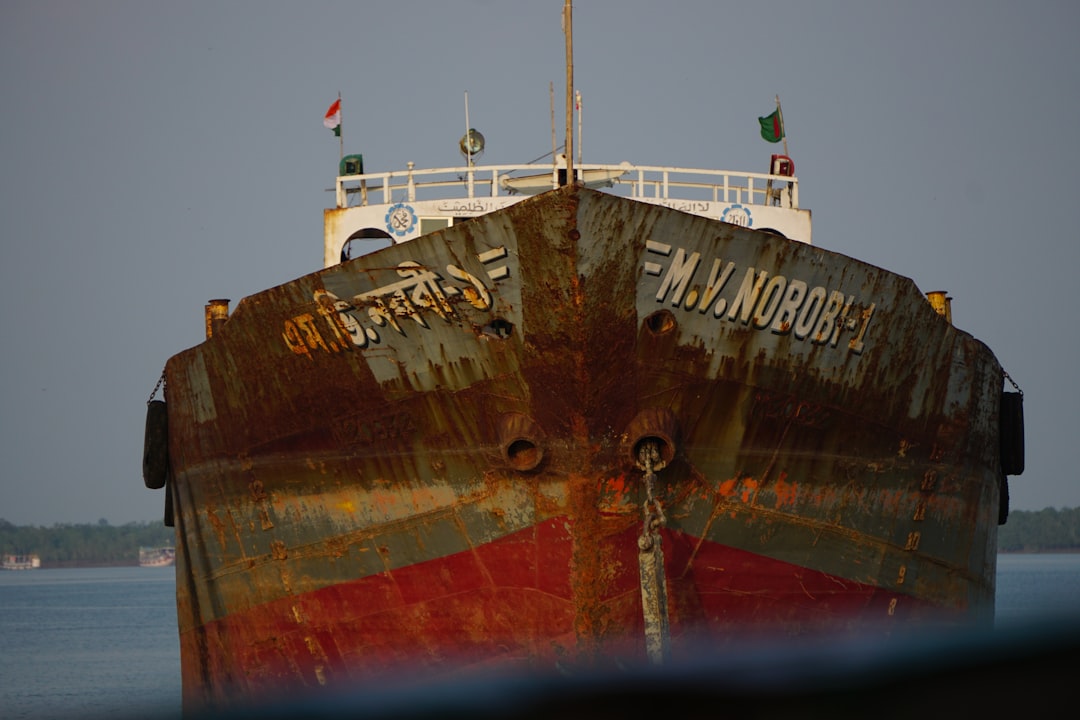
Alang stands as a testament to the cyclical nature of industry, a sprawling testament to the end-of-life of colossal vessels. Nestled along the coast of Gujarat in western India, it is the largest shipbreaking yard in the world, a place where leviathans of the sea, once symbols of global trade and industrial might, are meticulously dismantled. The sheer scale of Alang is staggering. Stretching for miles along the Arabian Sea, it resembles a graveyard of giants, an ever-shifting landscape of rusting hulls, towering cranes, and a relentless human endeavor to extract every last ounce of value from these decommissioned behemoths. It is a place of immense economic significance, providing livelihoods for hundreds of thousands, yet it is also a site steeped in controversy, grappling with issues of safety, environmental impact, and worker welfare.
The dismantling of a ship in Alang is not a single, monolithic event, but rather a complex, multi-stage process that unfolds with a rhythm dictated by tides, manpower, and the inherent structure of the vessel. Each ship represents a unique puzzle, requiring a tailored approach for its dissection. The sheer force of nature, in the form of the sea, plays a crucial role, facilitating the grounding of these massive structures onto the sandy shores.
The Grand Arrival: Beaching and Securing
The journey to Alang culminates in the dramatic act of beaching. Ships are guided into the shallow waters during high tide, their massive hulls settling onto the exposed seabed as the tide recedes. This is a perilous undertaking, requiring immense skill from the ship captains and pilots, as miscalculations can lead to catastrophic damage. Once grounded, the ships are anchored firmly to the shore with thick steel cables and heavy concrete blocks, ensuring they remain stable for the arduous dismantling process ahead. This grounding is the critical first step, transforming a floating behemoth into a stationary, yet still imposing, structure awaiting its fate.
The Initial Infiltration: Cutting into the Giant
With the ship securely beached, the initial phase of deconstruction begins. Specialized teams, armed with cutting torches, begin the meticulous process of creating access points into the hull. They target specific areas, often starting with the upper decks, working their way downwards. This is a dangerous phase, as the confined spaces and the presence of residual fuels and oils pose significant risks. The air, often thick with the acrid smell of burning metal, is testament to the intensity of the work.
The Art of Salvage: Extracting Value Piece by Piece
The core of Alang’s operation lies in the art of salvage. Every component of a ship, from the massive engines and generators to the intricate network of pipes, wires, and even the furniture within the cabins, is viewed as a potential source of valuable material. Teams are assigned to specific sections of the ship, working systematically to cut, detach, and transport these components to designated areas for further processing. This meticulous breakdown is akin to a giant, industrial Jenga puzzle, where careful extraction is key to preventing collapse.
The Alang shipbreaking yard in India has been a focal point of discussions regarding environmental sustainability and labor practices in the shipbreaking industry. For a deeper understanding of the challenges and developments in this sector, you can read a related article that explores these issues in detail. Check it out here: Related Article on Shipbreaking Practices.
A Human Ecosystem: The Workforce of Alang
Alang is not merely a collection of ships; it is a vibrant, albeit often harsh, human ecosystem. The yard is a magnet for migrant workers from across India, drawn by the promise of employment in a sector that demands immense physical labor. Their lives are intrinsically linked to the ebb and flow of the shipbreaking industry, their fortunes tied to the arrival and dismantling of each new vessel.
The Migrant Workforce: A Nation of Laborers
The workforce in Alang is incredibly diverse, comprising individuals from states like Bihar, Uttar Pradesh, Odisha, and Rajasthan. These men, and occasionally women, undertake the back-breaking work of cutting, hauling, and sorting materials. They often live in temporary shelters and basic housing provided near the yard, creating a self-contained community with its own social structures and economies. Their skills, honed over years of experience, are essential to the efficient operation of the yard.
The Hierarchy of Labor: From Skilled Technicians to Unskilled Hands
Within the yard, a clear hierarchy of labor exists. Skilled technicians, such as welders and experienced metal cutters, command higher wages and are entrusted with more complex tasks. At the other end of the spectrum are the unskilled laborers who perform the physically demanding, often repetitive, tasks of carrying and sorting materials. The nature of the work often dictates the level of danger, with those working at heights or in confined spaces facing the greatest risks.
The Families of Alang: A Dual Existence
For many workers, Alang is not just a place of work but also a temporary home for their families. While the majority of the workforce consists of men, some families reside in the surrounding areas, with women often engaged in ancillary businesses like small eateries, tailoring, or selling goods to the workers. This creates a unique societal dynamic, where the rhythms of the shipbreaking industry influence the daily lives of entire communities.
The Economic Engine: Alang’s Impact on India’s Economy
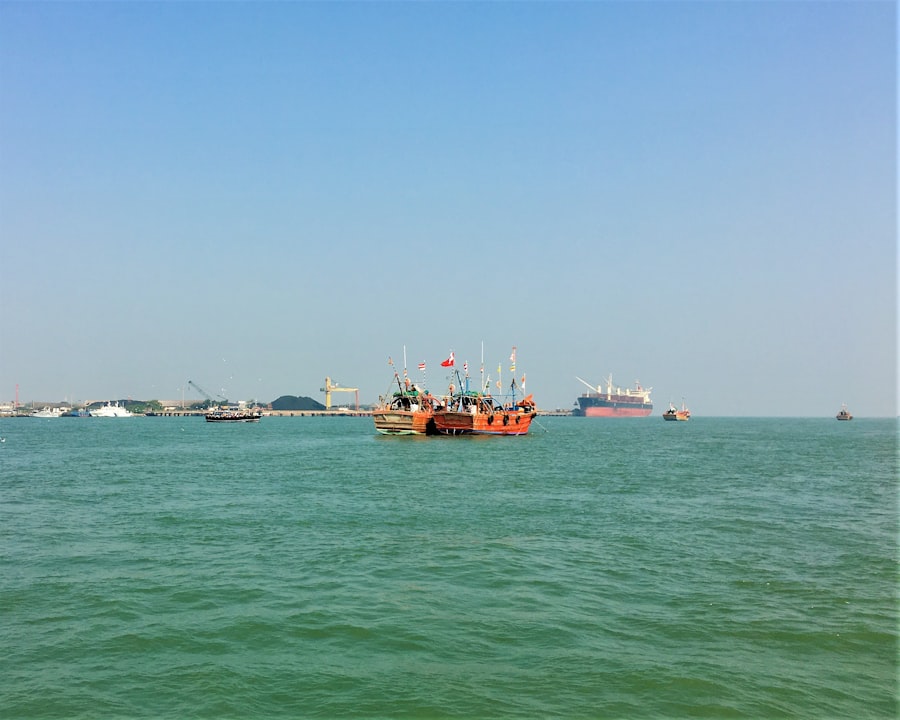
Alang’s significance extends far beyond the physical act of dismantling ships. It is a critical component of India’s industrial landscape, contributing substantially to the nation’s economy through the recycling of valuable materials and the creation of employment.
A Fountain of Raw Materials: The Steel and Scrap Metal Industry
The primary economic driver of Alang is the recovery of ferrous and non-ferrous metals. The immense quantities of steel and other metals salvaged from the ships are a vital source of raw material for India’s burgeoning steel industry and foundries. This localized supply chain significantly reduces the need for importing virgin materials, thereby saving valuable foreign exchange. The recycled steel finds its way into construction projects, infrastructure development, and the manufacturing of various goods.
Employment Generation: A Livelihood for Thousands
Alang is a massive employer, directly and indirectly supporting hundreds of thousands of people. The shipbreaking operations themselves employ a large workforce, while the ancillary industries – transportation, fabrication, scrap dealing, and the provision of goods and services to the workers – create further employment opportunities. For many, particularly in the economically less developed regions of India, Alang represents a crucial avenue for earning a livelihood and supporting their families.
Contribution to India’s “Make in India” Initiative
The shipbreaking industry in Alang aligns with India’s “Make in India” initiative by promoting domestic production and self-sufficiency. By recycling materials locally, the country reduces its reliance on imports and strengthens its manufacturing base. The salvaged metals are used to create new products within India, fostering a circular economy and contributing to industrial growth.
The Shadow of Risk: Safety and Environmental Concerns
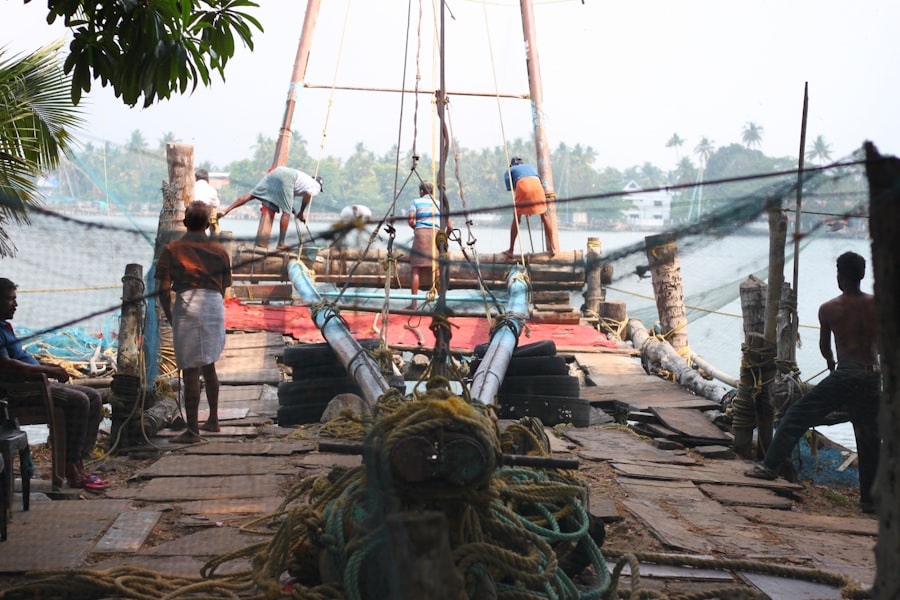
Despite its economic importance, Alang is not without its significant challenges. The very nature of shipbreaking, involving the dismantling of massive industrial structures in an open-air environment, inherently carries substantial risks to both worker safety and the environment.
The Perils of the Job: Accidents and Injuries
The shipbreaking process is inherently dangerous. Workers often operate in hazardous conditions, dealing with confined spaces, unstable structures, and the risk of falling objects. The use of cutting torches generates intense heat and sparks, posing fire hazards. Exposure to hazardous materials, such as asbestos, lead paint, and residual chemicals, is a constant concern. Accidents, ranging from minor cuts and burns to severe injuries and fatalities, are an unfortunate reality in Alang.
Environmental Footprint: Pollution and Contamination
The environmental impact of Alang is a subject of intense scrutiny. The dismantling process can lead to the release of pollutants into the air and water. Residual oils, fuels, and hazardous chemicals from the ships can contaminate the soil and marine environment. While regulations are in place, their enforcement and adherence are often a point of contention. The sheer volume of waste generated, including hazardous waste, requires careful management and disposal.
The Asbestos Legacy: A Silent Threat
One of the most persistent environmental and health concerns in Alang is the presence of asbestos. Older ships, in particular, often contain significant amounts of asbestos in their insulation, pipes, and other components. Asbestos fibers, when released into the air, can cause severe respiratory diseases, including asbestosis and mesothelioma, which can manifest years after exposure. The safe removal and disposal of asbestos is a complex and expensive undertaking, and the historical legacy of its presence continues to pose a threat.
The Alang shipbreaking yard in India has become a focal point for discussions about environmental practices in the shipbreaking industry. A related article explores the challenges and opportunities faced by this yard, highlighting its significance in the global maritime landscape. For more insights on the topic, you can read the article at My Geo Quest, which delves into the environmental implications and economic aspects of shipbreaking in Alang.
Towards a Greener Future: Regulations and Evolving Practices
| Metrics | Data |
|---|---|
| Location | Gujarat, India |
| Number of yards | More than 150 |
| Number of workers | Approximately 20,000 |
| Annual tonnage processed | Around 400,000 tons |
| Environmental concerns | High due to lack of proper waste management |
In recent years, there has been a growing global and national push to improve the safety and environmental standards at shipbreaking yards like Alang. International conventions and national regulations are being implemented, aiming to transform the industry into a more responsible and sustainable operation.
The Hong Kong Convention: A Global Standard
The International Maritime Organization’s (IMO) Hong Kong International Convention for the Safe and Environmentally Sound Recycling of Ships, adopted in 2009, aims to set global standards for ship recycling. While India has not yet ratified the convention, its principles are influencing national policies and industry practices. The convention emphasizes a life-cycle approach to ship design and operation, considering the recycling phase from the outset.
National Regulations and Enforcement: A Work in Progress
India has implemented various regulations aimed at improving safety and environmental compliance in Alang. The government has introduced rules for hazardous waste management, worker safety, and environmental protection. However, the effectiveness of these regulations often hinges on rigorous enforcement. Challenges in monitoring, resource allocation, and overcoming vested interests can sometimes hinder the full implementation of these measures.
Corporate Social Responsibility and Industry Initiatives
Many shipbreaking yards in Alang are increasingly recognizing the importance of Corporate Social Responsibility (CSR) and are investing in initiatives to improve working conditions and environmental management. Some companies are adopting safer technologies, providing better personal protective equipment (PPE) to workers, and implementing more robust waste management systems. Industry associations are also playing a role in promoting best practices and raising awareness about safety and environmental issues.
Alang remains a complex and dynamic entity, a vital cog in the global industrial machine, yet one that is constantly evolving under the pressure of economic necessity and increasing global awareness of environmental and social responsibility. The future of this colossal ship graveyard lies in its ability to balance its undeniable economic contributions with a steadfast commitment to the safety and well-being of its workforce and the preservation of the fragile environment it inhabits. The giant ships that once sailed the world’s oceans now find their final purpose on the shores of Alang, a place of immense scale, human endeavor, and a constant striving for a more sustainable future.

The Beaches Global Trade Can’t Afford to Lose
FAQs
What is the Alang shipbreaking yard in India?
The Alang shipbreaking yard is a large shipbreaking yard located in the state of Gujarat, India. It is one of the largest shipbreaking yards in the world.
How does the shipbreaking process work at Alang?
Ships are brought to Alang to be dismantled and recycled. The process involves breaking down the ships into smaller parts and recycling the materials, such as steel and other metals.
What are the environmental and safety concerns associated with the Alang shipbreaking yard?
The shipbreaking process at Alang has raised concerns about environmental pollution and worker safety. The yard has been criticized for its lack of proper safety measures and environmental regulations.
What is the economic impact of the Alang shipbreaking yard on the local community?
The shipbreaking industry at Alang provides employment opportunities for many local workers. However, there are also concerns about the working conditions and wages of the workers.
What are the regulations and efforts in place to address the concerns at the Alang shipbreaking yard?
The Indian government has implemented regulations and initiatives to improve safety and environmental standards at the Alang shipbreaking yard. Additionally, international organizations and NGOs have been working to address the concerns and improve conditions at the yard.