
The capital city stands as a monument to its nation’s aspirations, a nexus of power and progress. Yet, beneath the gleaming facade, a rot has set in, a gradual decay of its foundational infrastructure that now threatens to pull the entire edifice down. This is not a snapshot of a minor inconvenience; it is a systemic failure, an unfolding infrastructure nightmare on the brink of collapse. The daily lives of millions are increasingly disrupted, businesses falter, and the very functioning of governance is imperiled by the state of its arteries and veins.
The city’s water supply and sewage disposal systems, once marvels of engineering, are now ghosts of their former selves, groaning under the weight of decades of neglect and a rapidly growing population. The sheer volume of demand coupled with the age of the pipes has created a perfect storm of failure.
The Aging Arteries: Leaking and Unreliable Water Mains
The water mains threading beneath the city’s streets are a labyrinth of corroded metal and fractured concrete. These ancient arteries are not merely inefficient; they are actively failing. Residents in many districts report water pressure that fluctuates wildly, often dipping to a trickle or ceasing altogether for extended periods. This unreliability impacts every aspect of daily life, from basic hygiene to industrial processes.
Pervasive Leaks and Wasted Resources
The most insidious consequence of this aging network is the pervasive leakage. Estimates suggest that a substantial percentage of treated water is lost before it even reaches a tap, seeping into the surrounding soil. This represents not only a colossal waste of a precious resource, particularly in the face of growing water scarcity, but also a significant financial drain on the municipal authority, which continues to treat water that is ultimately lost to the earth. The constant subterranean erosion caused by these leaks also compromises the integrity of road surfaces and building foundations, leading to further structural issues.
Contamination Concerns: The Thin Line Between Potable and Polluted
Beyond the loss of volume, the compromised state of the water mains presents a constant threat of contamination. Small fissures can easily allow groundwater, sewage, or other contaminants to infiltrate the potable water supply. Reports of discolored water, strange odors, and even confirmed instances of waterborne illnesses have become disturbingly common in certain neighborhoods. Regular testing, while conducted, often struggles to keep pace with the dynamic nature of these pipe failures, leaving citizens vulnerable to unseen dangers.
The Stagnant Veins: Overwhelmed and Obsolete Sewage Systems
Parallel to the water supply’s decay, the city’s sewage system is equally, if not more, problematic. Designed for a population significantly smaller than the current one, these “stagnant veins” are frequently overwhelmed, leading to a cascade of unpleasant and hazardous consequences.
Frequent Blockages and Overflowing Manholes
The sheer volume of wastewater, combined with accumulated debris and the structural degradation of sewer lines, results in chronic blockages. These obstructions inevitably lead to sewage backing up into homes and businesses, a truly visceral and unsanitary ordeal. The sight of overflowing manholes in residential streets has become a depressingly familiar tableau, releasing noxious fumes and creating hazardous health conditions.
Inadequate Treatment and Environmental Damage
Even when sewage does reach the treatment plants, the facilities themselves are often operating beyond their intended capacity or are equipped with outdated technology. This means that a significant portion of the city’s wastewater is not adequately treated before being discharged into local rivers and waterways. The environmental toll is substantial, contributing to pollution, harming aquatic ecosystems, and impacting downstream communities who rely on these water bodies. The long-term ecological damage is a debt that will require generations to repay.
The recent article titled “Infrastructure Nightmare: Capital City Collapse” highlights the dire state of urban infrastructure and its impact on daily life. As cities grapple with aging systems and increasing populations, the consequences are becoming more apparent. For further insights into this pressing issue, you can read the related article on urban challenges and solutions at MyGeoQuest.
The Gridlock Grimace: A Transportation Network in Distress
The city’s transportation network, the lifeblood of its commerce and daily movement, is a chaotic tapestry woven from outdated infrastructure and an inability to adapt to modern demands. Congestion is not merely an annoyance; it is a symptom of a terminal illness affecting the city’s ability to function.
Congested Arteries: Roads Choked by Insufficient Capacity
The city’s road network, the primary arteries of movement, is perpetually hemmed in. Decades of underinvestment in expansion and maintenance have left major thoroughfares woefully inadequate for the ever-increasing number of vehicles. Traffic jams are not confined to peak hours; they have become a pervasive characteristic of city life, extending throughout the day and night.
Inadequate Public Transit: The Underfunded Alternative
The logical alternative to private vehicle congestion, public transportation, fares no better. The bus system suffers from aging fleets, insufficient routes, and unpredictable schedules, rendering it an impractical option for many commuters. The infrequent service and long wait times discourage potential riders, further pushing people towards their private vehicles and exacerbating the problem. Investment in modernizing the fleet and expanding routes has lagged far behind the city’s growth, creating a vicious cycle of underutilization and neglect.
Deteriorating Road Surfaces: A Bumpy Ride to Nowhere
Beyond congestion, the physical state of the roads themselves is alarming. Potholes of alarming size and depth are a common hazard, causing damage to vehicles and posing a risk to cyclists and motorcyclists. The lack of consistent and timely road repair means these issues proliferate, creating a jarring and uncomfortable journey for all road users. The constant patching, rather than comprehensive resurfacing, only offers temporary respite and ultimately proves more costly in the long run.
The Subterranean Struggle: The Faltering Rail and Metro Systems
The city’s underground veins, the subterranean rail and metro lines, are also showing significant signs of strain. These are crucial for moving large numbers of people efficiently, but their current state is far from ideal.
Aging Tracks and Signaling Systems: A Recipe for Delays
The original tracks and signaling systems in many metro lines are showing their age. Wear and tear, combined with insufficient upgrades, lead to frequent mechanical failures, signal malfunctions, and track-related issues. These incidents are the primary drivers of the chronic delays and service disruptions that plague commuters. The risk of more serious accidents, while thankfully not a frequent occurrence, is a constant undercurrent of concern.
Overcrowding and Inadequate Capacity: A Daily Battle
Even when the trains are running, they are often dangerously overcrowded. The capacity of existing lines has not kept pace with passenger demand, leading to packed carriages and uncomfortable, and at times unsafe, travel conditions. The claustrophobic environment can be particularly challenging during peak hours, turning routine commutes into arduous ordeals.
The Darkening Horizon: Power Grid Vulnerabilities
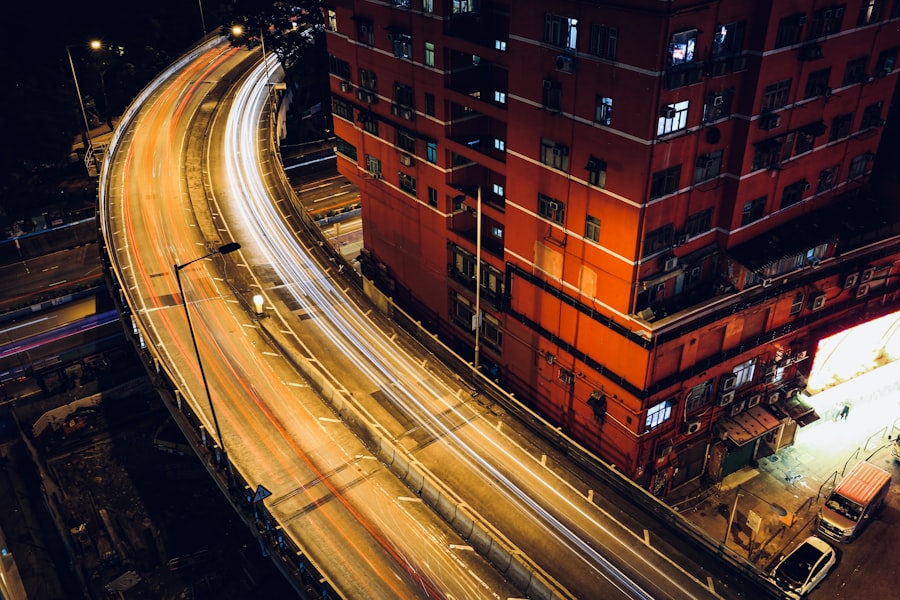
The city’s electricity grid, the invisible force that powers its every function, is a ticking time bomb, susceptible to failures that can plunge entire districts into darkness. The strain placed upon this vital infrastructure is immense, and its resilience is rapidly diminishing.
Aging Substations and Transmission Lines: Prone to Failure
The substations and transmission lines that form the backbone of the city’s power distribution are largely aging components, many dating back to earlier decades. These systems are not designed to handle the modern energy demands of a bustling metropolis, nor are they equipped with the resilience needed to withstand the environmental challenges they face. Frequent power surges, brownouts, and outright blackouts are becoming increasingly common.
Insufficient Capacity for Peak Demand: A Constant Threat
During periods of peak demand, such as heatwaves or cold snaps when air conditioning or heating systems surge, the grid is pushed to its absolute limits. The transformer capacity and the sheer ability of the lines to carry the load are often insufficient, leading to predictable failures. These failures are not isolated incidents; they are systemic warnings of a grid on the verge of being overwhelmed. The reliance on older, less efficient equipment further exacerbates this issue.
Vulnerability to Extreme Weather: A Growing Concern
The city’s power infrastructure is increasingly vulnerable to the impact of extreme weather events. High winds can bring down power lines, heavy rainfall can flood substations, and extreme temperatures can overload equipment. As climate change intensifies the frequency and severity of such events, the risk of widespread and prolonged power outages escalates dramatically. Proactive measures to harden the grid against these threats have been notably absent.
The Scarcity of Upgrades: Hindered Investment and Modernization
A significant part of the problem lies in the chronic underinvestment in upgrading and modernizing the power grid. The cost of such endeavors is substantial, and political will, coupled with bureaucratic inertia, has often hindered the necessary capital allocation. The focus has, for too long, been on immediate repairs rather than long-term, strategic investments in building a resilient and future-proof energy system. The lack of smart grid technologies, which could help manage demand and detect faults more efficiently, further compounds the issue.
The Communication Void: The Dilapidated Digital Backbone
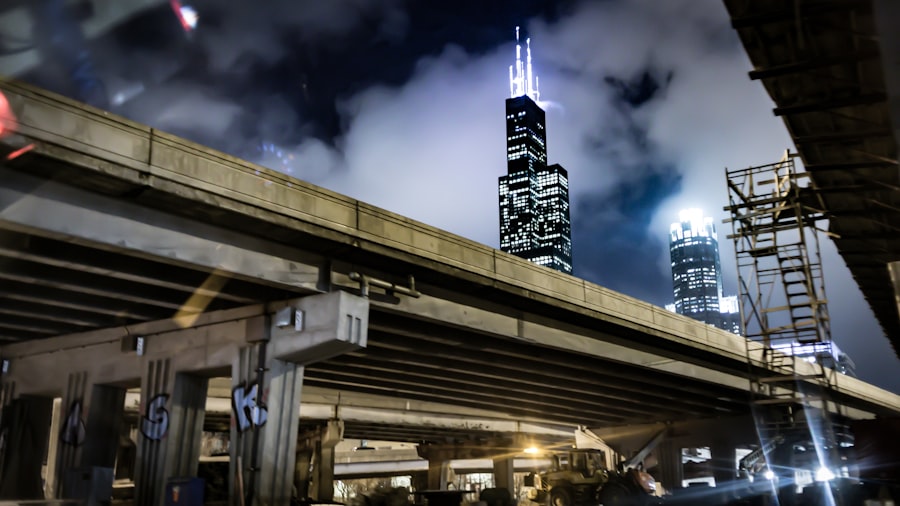
In an era defined by instant connectivity, the city’s digital infrastructure is surprisingly fragile and prone to significant disruptions, creating a pervasive communication void for businesses and residents alike. This is not just about slow internet speeds; it’s about the fundamental unreliability of the systems that underpin modern communication.
Outdated Fiber Optic Networks: Congested and Slow
The fiber optic networks that form the physical backbone of the city’s digital communication are, in many areas, outdated and nearing their capacity limits. The rapid growth in data consumption, fueled by streaming services, online work, and an increasing number of connected devices, is placing an enormous strain on these existing lines. This leads to slow upload and download speeds, frustrating users and hindering productivity.
Frequent Service Interruptions: A Constant Threat to Connectivity
Beyond slowness, the physical degradation and lack of redundancy in some segments of the network make it prone to frequent service interruptions. Construction work, accidental damage, or equipment failures can plunge entire neighborhoods or business districts into a digital blackout, severing communication lines and disrupting essential services. These interruptions are often prolonged due to the difficulties in locating and repairing damaged underground cables.
The Digital Divide: Unequal Access and Opportunity
Adding to the problem is the uneven distribution of reliable internet infrastructure. Significant areas of the city, particularly lower-income neighborhoods, suffer from vastly inferior connectivity, or a complete lack of access to high-speed broadband. This creates a stark digital divide, exacerbating existing social and economic inequalities. Those without adequate internet access are shut out of educational opportunities, remote work possibilities, and access to essential online services, further marginalizing them in an increasingly digital world. The neglect of these areas represents a failure to ensure equitable access to the tools of modern life.
In recent discussions about urban development, the challenges faced by major cities have been highlighted, particularly in relation to their infrastructure systems. A related article explores the alarming consequences of neglecting these systems, which can lead to a catastrophic collapse in capital cities. For more insights on this pressing issue, you can read the full article here. Addressing these infrastructure nightmares is crucial for ensuring the safety and sustainability of urban environments.
A Cascading Crisis: The Interconnected Nature of Failure
| Infrastructure Nightmare Capital City Collapse Metrics | |
|---|---|
| Population affected | 1.5 million |
| Buildings damaged | Over 10,000 |
| Electricity outage duration | 3 weeks |
| Water supply disruption | 2 months |
| Roads closed | 50% |
The infrastructure nightmare facing the capital city is not a collection of isolated problems; it is a deeply interconnected crisis, where the failure in one sector inevitably amplifies the distress in others. The weak links in the chain are threatening to bring the entire system crashing down.
Economic Repercussions: Stifled Growth and Lost Investment
The crumbling infrastructure has tangible and damaging economic consequences. Businesses face increased operational costs due to unreliable utilities, disrupted supply chains caused by transportation failures, and a loss of productivity due to communication breakdowns. This stifled growth discourages new investment, leading to job losses and a general decline in economic vitality. The city’s reputation as a place to do business is tarnished, sending potential investors elsewhere.
Reduced Productivity and Increased Operational Expenses
For existing businesses, the problems are immediate and costly. Frequent power outages necessitate expensive backup generators, poor transportation links delay deliveries and services, and slow internet hampers online operations. Repairing damaged infrastructure on private property, often caused by cascading public infrastructure failures, adds further financial burdens. The cumulative effect erodes profit margins and can make marginal businesses unviable.
Deterioration of the City’s Global Competitiveness
In a globalized economy, a city’s infrastructure is a critical factor in its competitiveness. Crumbling roads, unreliable power, and poor communication networks paint a picture of a city incapable of supporting modern industries and innovation. This directly impacts its ability to attract and retain skilled workers and global businesses, slowly but surely eroding its standing on the international stage.
Social Impacts: Diminished Quality of Life and Public Health Concerns
The social fabric of the city is also fraying under the strain. Reduced public services, increased daily inconveniences, and growing health concerns all contribute to a diminished quality of life for residents. The stress and frustration of navigating a failing system take a toll on the well-being of the populace.
Inconvenience and Frustration in Daily Life
The constant disruptions to water, electricity, and transportation transform everyday life into a perpetual struggle for many. Simple tasks become complicated, and predictable routines become uncertain. The cumulative effect of these daily annoyances breeds widespread frustration and a sense of helplessness among the citizenry.
Public Health Risks and Environmental Degradation
The failure of water and sewage systems presents direct public health risks, from contaminated drinking water to the spread of disease. Furthermore, the environmental degradation caused by inadequate waste management and pollution from failing infrastructure contributes to long-term health problems for residents and a decline in the natural beauty of the region. The cycle of neglect creates a cumulative health burden that will be difficult to reverse. The constant threat of these issues creates a pervasive undercurrent of anxiety.
The Unfunded Mandate: A Cycle of Neglect and Deferred Responsibility
Ultimately, the infrastructure nightmare is a consequence of a persistent cycle of neglect and deferred responsibility. The sheer scale of the problem necessitates massive financial investment, a mandate that the city has consistently failed to meet. The political will to allocate the necessary funds, coupled with the complex bureaucratic processes involved in large-scale infrastructure projects, has created a daunting barrier. The longer these issues are left unaddressed, the more expensive and challenging the solutions become, threatening a complete and irreversible collapse. The challenge is not merely technical, but deeply political and financial, requiring a fundamental shift in priorities and a commitment to long-term planning.
FAQs
What is the current state of infrastructure in the capital city?
The current state of infrastructure in the capital city is in a state of disrepair and neglect. Many essential systems such as transportation, water, and electricity are failing to meet the needs of the population.
What are the main causes of the infrastructure nightmare in the capital city?
The main causes of the infrastructure nightmare in the capital city are inadequate funding, poor maintenance, rapid urbanization, and outdated infrastructure systems. These factors have led to a lack of capacity and resilience in the city’s infrastructure.
How is the collapsing infrastructure impacting the residents and businesses in the capital city?
The collapsing infrastructure is impacting residents and businesses in the capital city in numerous ways. Residents are facing unreliable transportation, water shortages, and power outages, while businesses are struggling to operate efficiently due to the unstable infrastructure.
What are the potential consequences of the capital city’s infrastructure collapse?
The potential consequences of the capital city’s infrastructure collapse include public health risks, economic downturn, social unrest, and decreased quality of life for residents. Additionally, the city’s ability to attract investment and maintain its status as a capital city may be compromised.
What measures are being taken to address the infrastructure nightmare in the capital city?
Efforts to address the infrastructure nightmare in the capital city include increased funding for infrastructure projects, modernization of systems, and improved maintenance practices. Additionally, there are initiatives to involve the private sector in infrastructure development and to implement sustainable urban planning strategies.