
India’s ambition to reach a $15 trillion economy is a significant undertaking. A key, though often underemphasized, factor in achieving this goal is strategically leveraging its unique geography. This isn’t about just being big; it’s about utilizing the advantages of its location, its coastlines, its varied terrain, and its proximity to major global markets to drive growth, foster trade, and attract investment.
India’s extensive coastline stretches over 7,500 kilometers, a monumental asset that is still not fully tapped. This isn’t just a line on a map; it represents a logistical powerhouse waiting to be optimized.
Modernizing Ports for Global Connectivity
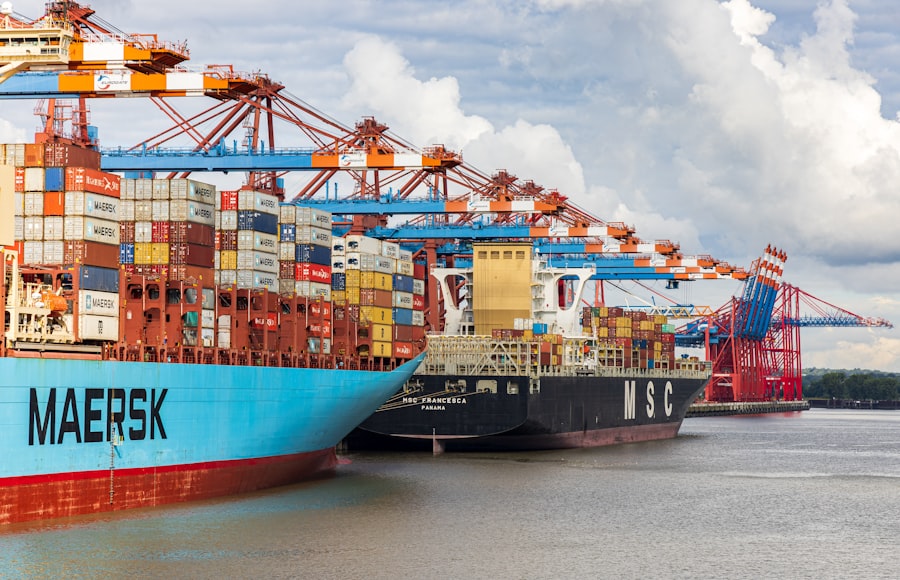
The foundation of leveraging India’s coastline lies in having world-class port infrastructure.
- Containerization and Efficiency: Moving away from traditional break-bulk cargo to efficient container handling is crucial. Modern ports with advanced cranes, automated systems, and streamlined customs processes reduce turnaround times for ships, making India a more attractive hub for international trade. The Sagarmala program is an initiative aimed at this, though its implementation speed and effectiveness are ongoing considerations.
- Deep Water Ports: Developing and expanding deep-water ports allows India to accommodate larger, more efficient vessels. This reduces the need for transshipment at foreign ports, saving costs and time. Ports like Mundra, JNPT, and the planned additions are steps in this direction.
- Specialized Terminals: Beyond general cargo, specialized terminals for handling specific commodities like LNG, petrochemicals, and agricultural products can enhance efficiency and attract specialized industries.
Boosting Maritime Trade and Logistics
With efficient ports, the next step is to maximize their contribution to trade.
- Coastal Shipping Revival: Historically, coastal shipping was a significant mode of transport in India. Reviving and modernizing this sector can decongest road and rail networks, leading to lower logistics costs for domestic movement of goods. This also has environmental benefits.
- Free Trade Warehousing Zones (FTWZs): Establishing and expanding FTWZs near major ports can attract international businesses looking to store, process, and re-export goods. This positions India as a regional distribution center.
- Trade Facilitation Agreements: Proactive engagement in bilateral and multilateral trade agreements that leverage India’s port access can further boost maritime trade volumes.
Integrated Coastal Economic Zones (ICEZs)
The concept of ICEZs envisions clusters of economic activity along the coast, integrated with port infrastructure.
- Industrial Hubs: These zones can host manufacturing units, especially those with import-export needs, such as textiles, electronics, automotive, and chemicals. Proximity to ports drastically reduces their logistics costs.
- Special Economic Zones (SEZs) with Port Linkages: Creating SEZs that are directly linked to port facilities can attract significant foreign direct investment (FDI) and boost manufacturing and export capabilities.
- Tourism and Recreation: Beyond industry, carefully planned coastal development can also foster tourism, creating jobs and contributing to economic diversification. Sustainable tourism practices are essential here.
India’s ambition to become a $15 trillion economy by 2030 is intricately linked to its diverse geography, which plays a crucial role in shaping its economic landscape. The country’s vast resources, ranging from fertile agricultural land to rich mineral deposits, contribute significantly to its growth potential. For a deeper understanding of how geography influences India’s economic strategies and development, you can read more in this insightful article on My Geo Quest: My Geo Quest.
The Eastern Corridor: Gateway to Southeast Asia and Beyond
India’s eastern coastline and its hinterland connectivity to Southeast Asia present a massive, relatively untapped opportunity.
Strengthening Connectivity to ASEAN Countries
The geographical proximity to the Association of Southeast Asian Nations (ASEAN) is a strategic advantage for trade and investment.
- Act East Policy’s Economic Dimension: Forging stronger economic ties with ASEAN nations requires tangible infrastructure development. This includes improving road, rail, and air connectivity.
- Calcutta Port and Eastern Ports: Revitalizing and upgrading ports like Calcutta (Kolkata), Haldia, and Paradip is crucial for facilitating trade with countries like Bangladesh, Myanmar, Thailand, and Singapore.
- BIMSTEC Focus: The Bay of Bengal Initiative for Multi-Sectoral Technical and Economic Cooperation (BIMSTEC) provides a framework for regional cooperation. Strengthening BIMSTEC’s maritime and land connectivity can unlock significant trade potential.
Developing Border Trade and Economic Partnerships
Facilitating trade across land borders with neighboring Southeast Asian countries is equally important.
- Integrated Checkposts (ICPs): Modernizing and expanding ICPs at land borders with Myanmar, for instance, can streamline cargo movement and reduce transit times.
- Economic Corridors: Developing dedicated economic corridors that link Indian manufacturing hubs to Southeast Asian markets through efficient transportation networks is key. This could involve dedicated rail lines or improved road networks.
- Investment Promotion: Actively promoting Indian investment in Southeast Asian countries, and vice versa, while leveraging geographical advantages, can create synergistic growth.
Leveraging Natural Resources and Human Capital in the East
While often discussed in terms of ports, the eastern region also has significant natural resources and a large population.
- Resource-Based Industries: Eastern India has deposits of coal, iron ore, and other minerals. Developing downstream industries linked to these resources, with efficient export capabilities via eastern ports, can be a growth driver.
- Skilled Labor Pool: The eastern states possess a substantial and often cost-competitive labor pool. Focusing on skill development in sectors relevant to export-oriented industries linked to eastern trade routes is vital.
The Himalayas and Northern Frontier: Trade Routes and Strategic Positioning
While the Himalayas might seem like a barrier, they also offer historical trade routes and strategic positioning that can be re-energized.
Reviving Ancient Silk Road Connections
The historical Silk Road wasn’t just about China; it involved extensive trade networks connecting India to Central Asia and beyond.
- Re-establishing Land Routes: While challenging, exploring and improving existing and potential land routes through mountainous terrain towards Central Asia, potentially via Afghanistan or Pakistan (though politically sensitive), could open new trade avenues.
- Digital Silk Road Analogy: In a modern context, this could also mean digital connectivity and service exports to these regions, overcoming physical barriers.
- Regional Trade Agreements: Fostering regional trade agreements focused on Central Asian connectivity can create a common economic interest.
Trade with Neighboring Himalayan Nations
India shares borders with Nepal, Bhutan, and China. Managing these relationships geographically has economic implications.
- Nepal and Bhutan: Strengthening economic ties and trade facilitation with Nepal and Bhutan through improved land routes and customs procedures is important for regional stability and trade.
- China Border Trade: While complex, carefully managed border trade with China, particularly in specific regions, can offer economic opportunities. This requires robust diplomatic engagement and infrastructure development.
Strategic Positioning for Eurasia
India’s northern geography positions it as a potential bridge between South Asia and Eurasia.
- Transit Hub Potential: With the right infrastructure and political stability, parts of Northern India could become crucial transit points for goods moving between Eurasian blocs.
- Investment Diversification: Encouraging businesses to diversify their supply chains by looking at India’s northern hinterland connected to these potential routes can be a strategic advantage.
The Deccan Plateau and the Hinterland: Agriculture, Manufacturing, and Inland Connectivity

India’s vast interior, particularly the Deccan Plateau, is the engine of its domestic economy and holds immense potential if integrated effectively.
Enhancing Inland Waterways for Logistics
A vast, underutilized network of rivers and canals offers a sustainable and cost-effective alternative to road and rail.
- National Waterways Development: The ambitious National Waterways program, if executed efficiently, can transform the movement of bulk goods like coal, cement, fertilizers, and food grains. This reduces reliance on congested road networks.
- Intermodal Connectivity: Ensuring seamless intermodal transfer points where goods can move from waterways to rail or road is critical for the success of this strategy.
- Industrial Clusters Along Waterways: Developing industrial clusters that benefit from access to these waterways can attract investment and create regional economic hubs.
Leveraging Agricultural Prowess and Agro-Processing
The Deccan Plateau and other interior regions are India’s agricultural heartland.
- Supply Chain Modernization: Reaching consumers and export markets efficiently requires modernizing the agricultural supply chain, reducing post-harvest losses, and improving cold chain infrastructure.
- Agro-Processing Hubs: Establishing agro-processing units in these hinterland regions, close to raw material sources, can add value, create jobs, and boost exports of processed food products. Geographical specificity in terms of crops grown can be leveraged.
- Direct Market Linkages: Using technology to create direct linkages between farmers and businesses or export markets can improve farmer incomes and create more predictable supply chains.
Developing Manufacturing Hubs in the Interior
Moving manufacturing away from crowded coastal cities towards strategically located interior regions can unlock new growth centers.
- Specialized Economic Zones (SEZs) Inland: Creating SEZs in tier-2 and tier-3 cities with good connectivity can attract industries not heavily reliant on immediate port access initially but which can benefit from integrated logistics.
- Skilled Workforce Development: Investing in skill development programs tailored to the needs of manufacturing industries in these regions is paramount.
- Incentivizing Backward and Forward Linkages: Encouraging ancillary industries and service providers to set up in these interior hubs will create a robust ecosystem.
India’s ambition to become a 15 trillion dollar economy by 2030 is intricately linked to its diverse geography, which plays a crucial role in shaping its economic landscape. The country’s vast resources, ranging from fertile agricultural land to rich mineral deposits, provide a strong foundation for growth. To explore how geography influences India’s economic strategies and potential, you can read more in this insightful article on geographical factors that contribute to its development. As India continues to harness its geographical advantages, it is poised to make significant strides toward achieving this ambitious economic goal.
Leveraging the Indian Ocean Region: Maritime Diplomacy and Geoeconomic Influence
| Aspect | Details |
|---|---|
| GDP | 15 trillion dollars |
| Country | India |
| Geography | Diverse with mountains, plains, and coastline |
India’s position in the Indian Ocean is not just geographic; it’s a geoeconomic and geopolitical imperative.
Securing Sea Lanes of Communication (SLOCs)
The vast majority of India’s trade, by volume and value, travels by sea. Protecting these routes is fundamental.
- Naval Presence and Patrols: Maintaining a strong naval presence and conducting regular patrols in critical SLOCs ensures safe passage for Indian and international shipping.
- Maritime Domain Awareness (MDA): Enhancing MDA capabilities allows India to monitor maritime activities, detect threats, and respond effectively. This includes leveraging surveillance aircraft, ships, and satellite technology.
- International Cooperation: Collaborating with other littoral states and global powers on maritime security initiatives promotes stability in the Indian Ocean Region.
Projecting Economic Influence Through Maritime Partnerships
Geography enables India to be a key player in the Indian Ocean’s economic development.
- Assisting Neighboring Littoral States: Providing technical assistance, training, and infrastructure development support for port modernization and maritime safety in neighboring countries can foster stronger economic and strategic ties.
- Blue Economy Focus: India’s growing focus on the ‘Blue Economy’ – sustainable use of ocean resources – can be a driver of growth, from fisheries and aquaculture to renewable energy and seabed mining.
- Regional Connectivity Projects: Participating in and leading regional connectivity projects that link island nations and coastal states in the Indian Ocean directly benefits India’s economic interests.
Leveraging Islands for Strategic and Economic Purposes
India’s island territories, like the Andaman and Nicobar Islands and Lakshadweep, have immense strategic and economic potential.
- Naval Bases and Surveillance: These islands serve as critical forward bases for naval operations and surveillance of maritime chokepoints.
- Tourism and Maritime Tourism: Developing sustainable tourism, particularly maritime tourism, can create local economic opportunities and showcase India’s maritime heritage.
- Logistics and Trade Hubs: With proper investment, select islands can be developed as logistics hubs or transshipment points for regional trade, provided environmental concerns are meticulously addressed.
A $15 trillion economy for India is an ambitious yet achievable goal. While innovation, human capital, and policy are critical, the fundamental bedrock of its potential lies in its strategic geography. By intelligently developing its coastlines, enhancing its eastern gateways, cautiously engaging with its northern frontiers, revitalizing its interior, and securing its oceanic interests, India can build the robust logistical and trade frameworks necessary to propel its economy to unprecedented heights. This is not about wishing for prosperity; it’s about systematically unlocking the inherent economic power of its physical location.
FAQs
What is the current size of India’s economy?
India’s economy is currently valued at around $2.9 trillion, making it the fifth largest economy in the world.
What are the key factors contributing to India’s economic growth?
India’s economic growth is driven by factors such as a large and diverse workforce, a growing middle class, a strong service sector, and increasing foreign investment.
What are the geographical features that impact India’s economy?
India’s diverse geography includes the Himalayan mountain range in the north, fertile plains in the central region, and a long coastline in the south, all of which contribute to the country’s agricultural, industrial, and trade sectors.
How does India’s economy compare to other countries?
India’s economy is the fifth largest in the world, behind the United States, China, Japan, and Germany. It is also one of the fastest-growing major economies globally.
What are the challenges facing India’s economy?
Challenges facing India’s economy include income inequality, infrastructure development, environmental sustainability, and bureaucratic inefficiency.