
Sustainable groundwater management is essential for ensuring long-term access to this critical resource. Groundwater provides drinking water to billions of people globally and supports agricultural irrigation, industrial operations, and ecosystem functions. Managing groundwater sustainably is vital because it directly affects food security, economic development, and environmental health.
Implementing sustainable practices helps communities protect their water supplies from over-extraction, contamination, and climate change impacts. Sustainable groundwater management also builds resilience against rising water demand and climate variability. Population growth and urban expansion increase pressure on groundwater reserves.
Effective management strategies balance the interests of different users while allowing aquifers to recharge and remain protected.
Key Takeaways
- Sustainable groundwater management is crucial to prevent depletion and ensure long-term water availability.
- Monitoring systems and data collection are essential for informed groundwater management decisions.
- Engaging stakeholders and promoting public awareness enhance the success of conservation efforts.
- Innovative technologies and water conservation measures support effective groundwater recharge and use.
- Legal frameworks and inter-agency collaboration are key to implementing and evaluating sustainable groundwater practices.
Identifying the Challenges of Groundwater Depletion
Groundwater depletion presents a formidable challenge that many regions face today. Over-extraction, often driven by agricultural demands and urbanization, leads to a significant decline in aquifer levels. This depletion can result in a myriad of problems, including reduced water quality, increased pumping costs, and land subsidence.
As aquifers are drained faster than they can be naturally replenished, the long-term viability of these water sources becomes jeopardized, threatening both human populations and ecosystems that rely on groundwater. In addition to over-extraction, pollution poses another significant challenge to groundwater resources. Contaminants from agricultural runoff, industrial discharges, and inadequate waste management practices can infiltrate aquifers, rendering them unsafe for consumption.
The degradation of groundwater quality not only affects public health but also complicates the management of these resources. Addressing these challenges requires a comprehensive understanding of local hydrology, land use practices, and the socio-economic factors that drive water demand.
Establishing Groundwater Monitoring Systems
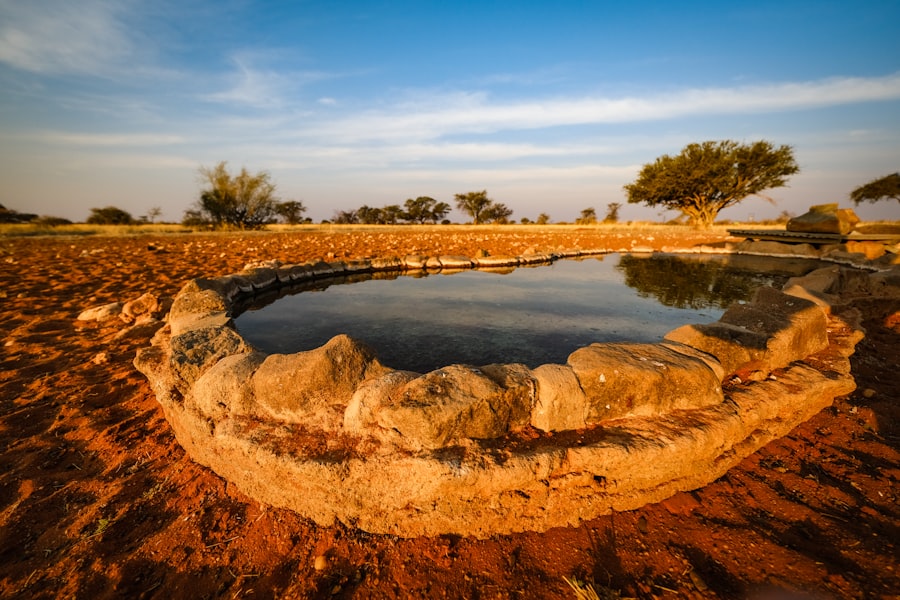
To effectively manage groundwater resources, establishing robust monitoring systems is essential. These systems provide critical data on groundwater levels, quality, and usage patterns, enabling stakeholders to make informed decisions regarding resource management. By employing a combination of traditional measurement techniques and modern technologies such as remote sensing and data analytics, authorities can gain valuable insights into the status of aquifers and identify trends over time.
Furthermore, effective monitoring systems facilitate early detection of potential issues related to groundwater depletion or contamination. By regularly assessing groundwater conditions, managers can implement timely interventions to mitigate risks and ensure sustainable use. The integration of community-based monitoring initiatives can also enhance data collection efforts, empowering local residents to participate actively in the stewardship of their water resources.
Developing Sustainable Groundwater Management Plans
The development of sustainable groundwater management plans is a crucial step in addressing the challenges associated with groundwater depletion. These plans should be comprehensive, incorporating scientific research, stakeholder input, and regulatory frameworks to create a balanced approach to resource management. A well-designed plan outlines specific goals, strategies, and actions aimed at protecting and conserving groundwater resources while meeting the needs of various users.
In crafting these plans, it is essential to consider the unique characteristics of local aquifers and the socio-economic context in which they exist. Engaging with stakeholders—including farmers, industry representatives, and community members—ensures that diverse perspectives are taken into account. This collaborative approach fosters a sense of ownership among stakeholders and increases the likelihood of successful implementation.
Additionally, adaptive management practices should be incorporated into these plans to allow for flexibility in response to changing conditions or new information.
Engaging Stakeholders in Groundwater Management
| Metric | Description | Unit | Target Value | Current Status |
|---|---|---|---|---|
| Groundwater Recharge Rate | Volume of water replenishing the aquifer annually | Million cubic meters/year | ≥ 500 | 450 |
| Groundwater Extraction Rate | Volume of groundwater withdrawn annually | Million cubic meters/year | ≤ 480 | 520 |
| Water Table Decline | Annual decrease in groundwater level | Centimeters/year | ≤ 10 | 15 |
| Percentage of Managed Aquifers | Proportion of aquifers under sustainable management plans | Percent (%) | ≥ 75 | 60 |
| Water Quality Index | Assessment of groundwater contamination levels | Index (0-100) | ≥ 80 | 72 |
| Stakeholder Engagement Rate | Percentage of local stakeholders involved in management | Percent (%) | ≥ 85 | 78 |
| Implementation of Monitoring Wells | Number of monitoring wells installed for data collection | Count | ≥ 100 | 85 |
Engaging stakeholders in groundwater management is vital for fostering collaboration and ensuring that diverse interests are represented in decision-making processes. Stakeholders may include government agencies, local communities, agricultural producers, environmental organizations, and industry representatives. By involving these groups in discussions about groundwater management strategies, authorities can build consensus around shared goals and responsibilities.
Effective stakeholder engagement also enhances transparency and accountability in groundwater management efforts. When stakeholders are informed about the challenges facing their water resources and are given opportunities to contribute to solutions, they are more likely to support sustainable practices. Workshops, public forums, and collaborative decision-making processes can facilitate meaningful dialogue among stakeholders, ultimately leading to more effective management outcomes.
Implementing Water Conservation Measures

Implementing water conservation measures is a fundamental aspect of sustainable groundwater management. These measures can take various forms, from promoting efficient irrigation techniques in agriculture to encouraging water-saving practices in households and industries. By reducing overall water consumption, communities can alleviate pressure on groundwater resources and extend their availability for future use.
In agriculture, adopting practices such as drip irrigation or rainwater harvesting can significantly enhance water efficiency while maintaining crop yields. Similarly, public awareness campaigns aimed at educating residents about simple conservation techniques—such as fixing leaks or using water-efficient appliances—can lead to substantial reductions in household water use. By fostering a culture of conservation, communities can collectively contribute to the sustainability of their groundwater resources.
Utilizing Innovative Technologies for Groundwater Recharge
Innovative technologies play a pivotal role in enhancing groundwater recharge efforts. Techniques such as managed aquifer recharge (MAR) involve intentionally directing surface water into aquifers to replenish depleted groundwater supplies. This approach not only helps restore aquifer levels but also improves water quality by filtering contaminants through soil layers during the recharge process.
Additionally, advancements in data analytics and modeling tools enable more precise assessments of recharge potential across different landscapes. By identifying optimal locations for recharge projects based on hydrological conditions and land use patterns, authorities can maximize the effectiveness of their efforts. The integration of green infrastructure solutions—such as permeable pavements and rain gardens—can further enhance natural recharge processes while providing additional environmental benefits.
Addressing Legal and Policy Frameworks for Groundwater Management
A robust legal and policy framework is essential for effective groundwater management. Clear regulations governing water rights, usage permits, and pollution control measures provide a foundation for sustainable practices. Policymakers must consider the unique characteristics of local aquifers when developing these frameworks to ensure that they are tailored to specific regional needs.
Moreover, addressing legal challenges related to groundwater management often requires collaboration among various levels of government and stakeholders. This collaborative approach can help reconcile competing interests while promoting equitable access to water resources. Regular reviews and updates to legal frameworks are necessary to adapt to changing conditions and emerging challenges in groundwater management.
Promoting Public Education and Awareness on Groundwater Conservation
Public education and awareness campaigns are crucial for fostering a culture of groundwater conservation within communities. By informing residents about the importance of groundwater resources and the challenges they face, authorities can encourage responsible water use practices. Educational initiatives can take many forms, including workshops, school programs, informational brochures, and social media campaigns.
Engaging local schools in groundwater education can have a lasting impact on future generations. By incorporating lessons about water conservation into curricula, educators can instill a sense of stewardship among students from an early age. Additionally, community events focused on groundwater awareness can provide opportunities for residents to learn about local aquifers and participate in conservation activities.
Collaborating with Other Agencies and Organizations for Groundwater Management
Collaboration among various agencies and organizations is essential for effective groundwater management. Different entities—such as environmental agencies, agricultural departments, research institutions, and non-profit organizations—bring unique expertise and resources to the table. By working together, these groups can develop comprehensive strategies that address the multifaceted challenges associated with groundwater depletion.
Inter-agency collaboration can also facilitate data sharing and resource pooling, enhancing overall efficiency in groundwater management efforts. Joint initiatives may include research projects aimed at understanding local hydrology or community outreach programs designed to promote conservation practices. By leveraging collective strengths and knowledge, agencies can create more impactful solutions for sustainable groundwater management.
Evaluating the Effectiveness of Sustainable Groundwater Management Practices
Evaluating the effectiveness of sustainable groundwater management practices is crucial for ensuring continuous improvement in resource stewardship. Regular assessments allow stakeholders to measure progress toward established goals while identifying areas for adjustment or enhancement. Key performance indicators—such as changes in groundwater levels or improvements in water quality—can provide valuable insights into the success of implemented strategies.
Moreover, fostering a culture of adaptive management encourages stakeholders to remain flexible in their approaches to groundwater management. By learning from successes and challenges alike, communities can refine their practices over time to better address evolving conditions and emerging threats. Ultimately, ongoing evaluation serves as a cornerstone for achieving long-term sustainability in groundwater resource management.
In conclusion, sustainable groundwater management is an intricate yet essential endeavor that requires a multifaceted approach involving understanding its importance, identifying challenges, engaging stakeholders, implementing conservation measures, utilizing innovative technologies, addressing legal frameworks, promoting public education, collaborating with agencies, and evaluating effectiveness. Through concerted efforts across these areas, communities can work towards securing their vital groundwater resources for generations to come.
Sustainable groundwater management is crucial for ensuring the long-term availability of this vital resource. A related article that delves into effective strategies for implementing sustainable practices can be found at this link. This article provides insights into various methods and technologies that can be employed to enhance groundwater sustainability, making it a valuable resource for policymakers and environmentalists alike.
FAQs
What is sustainable groundwater management?
Sustainable groundwater management refers to the practice of using and regulating groundwater resources in a way that meets current water needs without compromising the ability of future generations to meet their own needs. It involves balancing groundwater extraction with natural recharge rates to prevent depletion and degradation.
Why is sustainable groundwater management important?
Groundwater is a critical source of freshwater for drinking, agriculture, and industry. Unsustainable use can lead to aquifer depletion, land subsidence, reduced water quality, and ecosystem damage. Sustainable management ensures long-term water availability and environmental health.
What are the key components of implementing sustainable groundwater management?
Key components include monitoring groundwater levels and quality, regulating extraction through permits or quotas, promoting water conservation, enhancing recharge through methods like managed aquifer recharge, stakeholder engagement, and integrating groundwater management with surface water and land use planning.
What challenges are commonly faced in sustainable groundwater management implementation?
Challenges include lack of accurate data, insufficient regulatory frameworks, competing water demands, limited financial and technical resources, stakeholder conflicts, and climate variability affecting recharge rates.
How can technology aid in sustainable groundwater management?
Technologies such as remote sensing, geographic information systems (GIS), groundwater modeling, and real-time monitoring sensors help in data collection, analysis, and decision-making to optimize groundwater use and protect aquifers.
What role do policies and regulations play in sustainable groundwater management?
Policies and regulations establish legal frameworks for groundwater use, set extraction limits, enforce compliance, and promote conservation practices. Effective governance is essential to ensure equitable and sustainable groundwater use.
Can community involvement impact groundwater sustainability?
Yes, involving local communities and stakeholders fosters awareness, encourages responsible water use, and supports collaborative management efforts, which are vital for successful sustainable groundwater management.
What is managed aquifer recharge (MAR) and how does it support sustainability?
Managed aquifer recharge is the intentional recharge of water into aquifers through methods like infiltration basins or injection wells. MAR helps replenish groundwater supplies, mitigate overdraft, and improve water quality.
How does climate change affect groundwater management?
Climate change can alter precipitation patterns and increase drought frequency, impacting groundwater recharge rates and availability. Sustainable management must adapt to these changes to maintain reliable water supplies.
Are there international guidelines for sustainable groundwater management?
Yes, organizations such as the United Nations and the International Groundwater Resources Assessment Centre provide guidelines and frameworks to promote sustainable groundwater management globally.