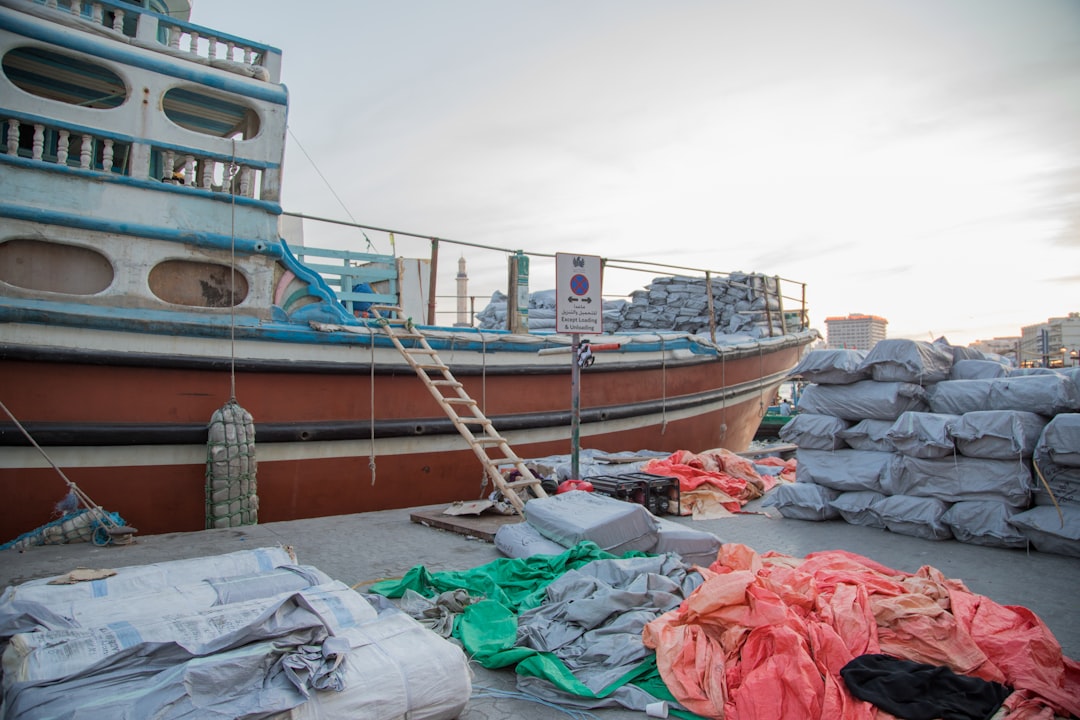
The decommissioning of vessels marks the end of their operational life, a crucial stage that necessitates careful consideration of environmental and human safety. As global shipping continues to expand, so too does the volume of ships requiring recycling. Historically, ship recycling, particularly in developing nations, has been fraught with hazards, leading to significant environmental pollution and severe health risks for workers. However, a growing global consensus is driving the implementation of safer and more sustainable ship recycling methods. This shift is not merely a regulatory aspiration but a vital step towards responsible stewardship of maritime assets and the protection of both ecosystems and human lives.
The call for safer ship recycling methods is rooted in a confluence of ethical, environmental, and economic considerations. For decades, the industry has grappled with the consequences of inadequate practices, prompting a reevaluation of how decommissioned vessels are handled. The sheer scale of maritime traffic, coupled with the increasing lifespan of ships, means that a substantial number of vessels will reach their end-of-life in the coming years, making the development and adoption of responsible recycling practices a pressing concern.
Ethical and Human Rights Concerns
The human cost of traditional ship recycling practices has been a primary driver for reform. Many recycling yards, particularly in regions with less stringent regulations, have operated with scant regard for worker safety. This has resulted in a grim reality of accidents, injuries, and long-term health problems, including exposure to hazardous materials.
Exposure to Hazardous Materials
Ships, by their very nature, are repositories of a multitude of hazardous substances. These can include asbestos, polychlorinated biphenyls (PCBs), heavy metals like lead and mercury, persistent organic pollutants (POPs), and various toxic paints and coatings. In the absence of proper containment and personal protective equipment, workers dismantling these vessels are directly exposed to these dangerous substances, leading to a range of debilitating and often fatal illnesses. Respiratory diseases, neurological damage, and various forms of cancer are among the documented health consequences.
Inadequate Safety Infrastructure and Training
Many older recycling facilities lack fundamental safety infrastructure. This includes insufficient ventilation systems, absence of emergency response protocols, and a general disregard for basic industrial safety standards. Furthermore, workers are often not provided with adequate training on how to handle hazardous materials, operate machinery safely, or respond to emergencies. This lack of preparedness significantly increases the risk of accidents, from falls and crushing injuries to chemical burns and explosions.
Child Labor and Exploitation
In some of the most egregious cases, the pursuit of cheap labor in ship recycling has led to the exploitation of vulnerable populations, including child labor. This is a direct violation of international human rights conventions and underscores the urgent need for ethical and transparent recycling practices that prioritize the well-being of all individuals involved.
Environmental Degradation
The environmental consequences of unsafe ship recycling are equally severe. The indiscriminate dismantling of vessels can lead to widespread contamination of soil, water, and air, with long-lasting ecological impacts.
Pollution of Marine and Coastal Ecosystems
When ships are dismantled without proper environmental controls, hazardous materials can leach into the surrounding environment. Heavy metals, oils, and persistent organic pollutants can contaminate marine and coastal ecosystems, harming marine life, disrupting food chains, and impacting biodiversity. Coastal communities that depend on these ecosystems for their livelihoods and sustenance are particularly vulnerable to the long-term effects of such pollution.
Soil and Groundwater Contamination
Debris and hazardous waste generated from ship dismantling, if not properly managed, can contaminate soil and groundwater. This can render land unusable for agriculture or other purposes and pose a risk to drinking water sources. The persistence of some of these pollutants means that remediation efforts can be extremely costly and time-consuming.
Air Pollution
The cutting and burning of metal during ship recycling can release particulate matter, toxic fumes, and greenhouse gases into the atmosphere. This contributes to local air quality issues and can have broader implications for climate change, especially if outdated and inefficient cutting technologies are employed.
International Regulations and Conventions
The growing awareness of these issues has led to the development of international frameworks aimed at improving ship recycling practices. The most significant of these is the Hong Kong Convention for Safe and Environmentally Sound Recycling of Ships.
The Hong Kong Convention
Adopted by the International Maritime Organization (IMO) in 2009, the Hong Kong Convention establishes international standards for the safe and environmentally sound management of ships in their end-of-life phase. It aims to address the problems associated with ship recycling by setting out requirements for ship design, operation, and recycling facilities. The convention requires ships to carry an inventory of hazardous materials, and recycling facilities must be authorized to ensure they meet specific safety and environmental standards. Ratification and effective implementation of this convention are crucial for establishing a global benchmark for responsible ship recycling.
Other Relevant Regulations
Beyond the Hong Kong Convention, other regional and national regulations also play a role in promoting safer ship recycling. The European Union’s Ship Recycling Regulation, for instance, provides a framework for the recycling of ships by EU-flagged vessels and ships calling at EU ports. These regulations, while varying in their scope and stringency, contribute to a broader movement towards improved practices.
In recent discussions about the environmental impact of ship recycling, it’s essential to explore innovative methods that prioritize safety and sustainability. A related article that delves into these safer ship recycling methods can be found at MyGeoQuest, where experts highlight advancements in technology and practices aimed at reducing hazardous waste and improving worker safety in the shipbreaking industry. This resource provides valuable insights into how the sector is evolving to meet stricter environmental regulations and ethical standards.
Pillars of Safer Ship Recycling
Implementing safer ship recycling methods requires a multi-faceted approach that addresses the entire lifecycle of a vessel’s decommissioning. This involves a robust regulatory framework, the development of standardized best practices, and the active participation of all stakeholders in the maritime industry.
The Role of International Regulations and Standards
The foundation of safer ship recycling lies in the establishment and rigorous enforcement of international regulations. These regulations provide the necessary framework to ensure that all parties involved operate under a common set of principles and requirements.
Development and Ratification of the Hong Kong Convention
The widespread ratification and full implementation of the Hong Kong Convention are paramount. This requires flag states, port states, and ship recycling facilities to actively engage with the convention’s provisions and commit to meeting its standards. Beyond ratification, ongoing efforts are needed to monitor compliance and adapt the convention to evolving technologies and materials.
Harmonization of National Legislation
While international conventions set the global standard, national legislation is crucial for their effective enforcement. There is a need to harmonize national laws and regulations with international guidelines to create a level playing field and prevent the circumvention of standards by moving operations to jurisdictions with weaker regulatory oversight.
Inclusion of Safety and Environmental Criteria in Ship Design
A proactive approach to safer recycling begins at the design stage of a vessel. Incorporating “design for dismantling” principles can significantly simplify the recycling process and reduce the generation of hazardous waste.
Green Ship Design Principles
Encouraging naval architects and shipbuilders to adopt green ship design principles involves minimizing the use of hazardous materials in new builds, using materials that are easily recyclable, and designing components that can be readily disassembled. This proactive approach can lead to substantial cost savings and environmental benefits during the recycling phase.
Material Substitution and Elimination
Identifying and substituting hazardous materials with safer alternatives is a key aspect of green ship design. This includes phasing out asbestos, lead-based paints, and PCBs, and opting for more environmentally friendly materials wherever possible.
Responsible Ship Recycling Facilities
The transformation of recycling practices hinges on the development and operation of responsible recycling facilities that prioritize worker safety and environmental protection.
Certification and Auditing of Recycling Yards
Independent certification and regular auditing of recycling facilities are essential to verify their compliance with safety and environmental standards. This provides assurance to shipowners and regulators that the facilities are operating responsibly.
Independent Third-Party Verification
Engaging independent third-party verifiers to assess and certify recycling yards ensures an unbiased evaluation of their practices. This process should cover all aspects of operations, from material handling and waste management to worker training and emergency preparedness.
Regular Site Inspections and Compliance Monitoring
Beyond initial certification, regular site inspections and ongoing compliance monitoring are crucial to ensure that standards are maintained over time. This helps to identify any lapses in practice and allows for timely corrective actions.
Investment in Advanced Technology and Infrastructure
Responsible recycling facilities must invest in modern technology and robust infrastructure to handle ships and their hazardous components safely.
Safe Dismantling Techniques
Employing safe dismantling techniques is paramount. This includes the use of appropriate cutting and lifting equipment, establishing secure work areas, and implementing protocols to prevent structural collapses or uncontrolled movements of heavy components.
Hazardous Material Management Systems
Effective hazardous material management systems are critical. This involves proper identification, segregation, storage, and disposal of hazardous substances encountered during dismantling, in accordance with international regulations and best practices.
Waste Management and Pollution Control Measures
Comprehensive waste management plans and pollution control measures are essential. This includes systems for capturing and treating wastewater, managing solid waste, and preventing the release of pollutants into the air, soil, and water.
Stakeholder Collaboration and Responsibility
Achieving truly safe and environmentally sound ship recycling requires a collaborative effort from all stakeholders across the maritime value chain.
Shipowner Responsibility and Due Diligence
Shipowners play a pivotal role in selecting responsible recycling facilities. They must exercise due diligence in their choice of yard, ensuring that it meets the highest safety and environmental standards.
Ship Recycling Plans (SRPs)
Developing and implementing Ship Recycling Plans (SRPs) before a vessel is delivered for recycling is a key responsibility of shipowners. These plans outline the procedures and precautions to be taken during the dismantling process, including the identification and management of hazardous materials.
Due Diligence in Yard Selection
Shipowners should conduct thorough due diligence on potential recycling yards. This includes verifying certifications, reviewing operational procedures, and, if possible, conducting site visits to assess working conditions and environmental controls.
Role of Flag States and Port States
Flag states and port states have regulatory authority and enforcement powers that are crucial for ensuring compliance with ship recycling regulations.
Enforcement of Regulations
Flag states are responsible for ensuring that ships flying their flag comply with international regulations throughout their lifecycle, including their eventual recycling. Port states have a similar responsibility for ships calling at their ports.
Port State Control Inspections
Port state control inspectors can play a role in verifying compliance with ship recycling requirements, particularly concerning the presence of an inventory of hazardous materials on board.
Contribution of Intermediaries and Brokers
Intermediaries and brokers involved in the sale of end-of-life vessels have a responsibility to ensure that the transactions they facilitate lead to responsible recycling practices.
Promoting Ethical Transactions
These professionals can act as gatekeepers, promoting ethical transactions and discouraging the sale of vessels to yards known for unsafe or environmentally damaging practices. They can also play a role in educating buyers about the importance of responsible recycling.
Advanced Techniques and Technologies for Safer Recycling
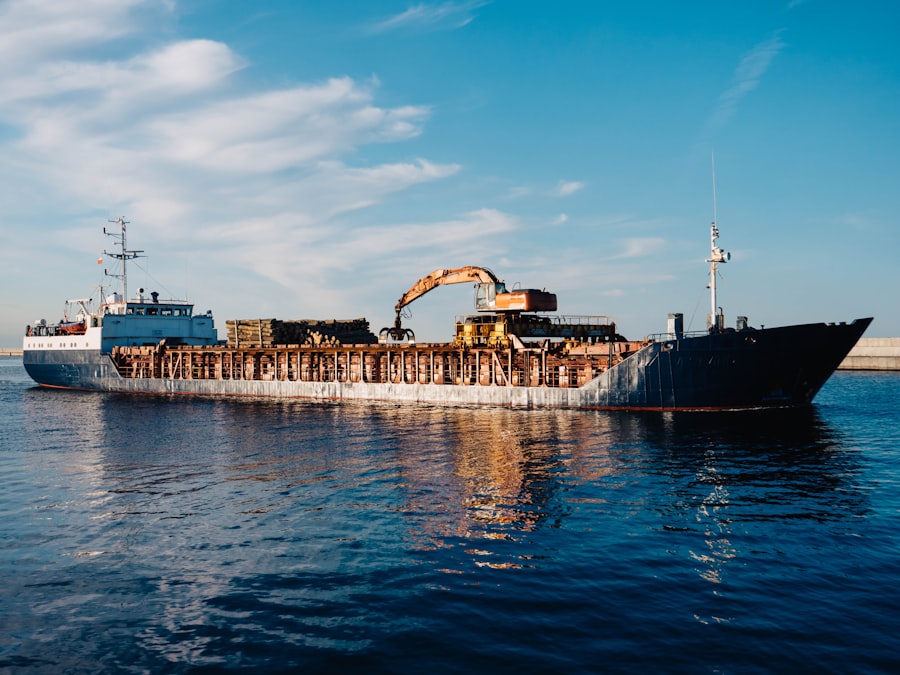
The pursuit of safer ship recycling is also being propelled by advancements in technology and the adoption of innovative techniques that minimize risks and environmental impact.
Inventory of Hazardous Materials (IHM)
The development and effective utilization of the Inventory of Hazardous Materials (IHM) is a cornerstone of safe and environmentally sound ship recycling.
Purpose and Content of the IHM
The IHM is a document that lists the hazardous materials present on board a ship. It is developed in accordance with the Hong Kong Convention and provides crucial information for the safe dismantling and disposal of the vessel. The IHM helps to identify potential hazards, plan for their safe removal, and inform recycling facilities of the specific materials they will encounter.
Development and Maintenance of the IHM
The IHM must be developed by qualified professionals and regularly maintained throughout the ship’s operational life. This involves updating the inventory as new materials are installed or removed from the vessel. Accurate and up-to-date IHMs are essential for effective risk assessment and planning at the recycling stage.
Safe Handling and Removal of Hazardous Substances
The systematic and safe removal of hazardous substances is a critical step in the recycling process.
Specialized Equipment and Training
The handling of hazardous materials requires specialized equipment and highly trained personnel. This includes the use of appropriate personal protective equipment (PPE), containment systems, and ventilation to prevent exposure and contamination.
Asbestos Abatement
The removal of asbestos, a known carcinogen, requires strict protocols to prevent the release of airborne fibers. This often involves specialized containment, negative pressure environments, and approved disposal methods.
PCB and Heavy Metal Management
PCBs and heavy metals, such as lead and mercury, require careful handling and disposal to prevent environmental contamination. This involves segregation, secure storage, and transportation to approved treatment facilities.
Innovative Dismantling and Deconstruction Methods
Beyond traditional cutting techniques, new methods are emerging to facilitate safer and more efficient dismantling.
Pre-fabrication and Modular Removal
Where possible, pre-fabrication of components or modular removal of sections of the ship can streamline the dismantling process and reduce the need for extensive on-site cutting and welding. This can also facilitate the segregation and recycling of different materials.
Remote-Controlled and Automated Systems
The use of remote-controlled and automated cutting and dismantling systems can remove workers from hazardous environments, significantly reducing the risk of accidents and exposure to harmful substances. These technologies are particularly useful in confined spaces or for handling large and heavy components.
Training and Capacity Building for the Recycling Workforce
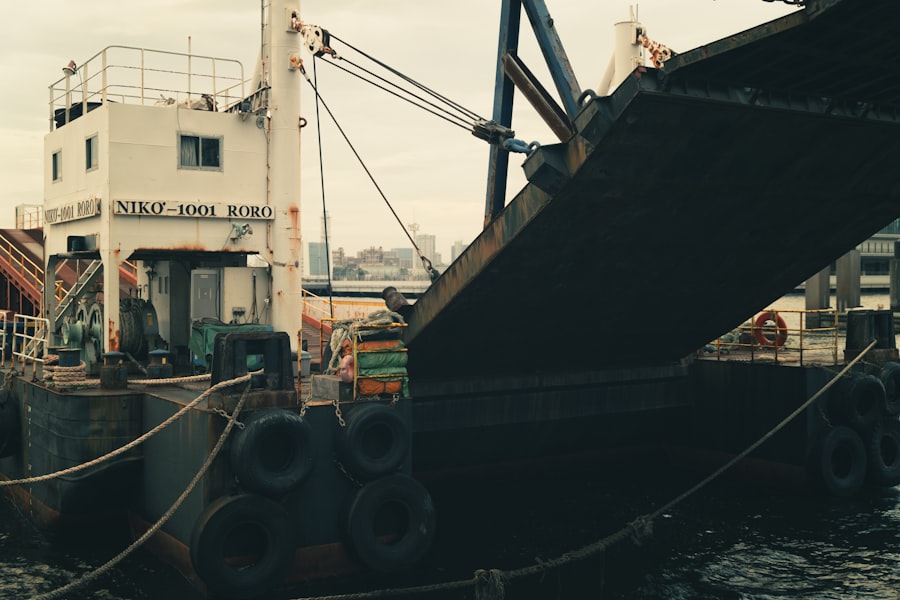
The human element is central to achieving safer ship recycling. Investing in comprehensive training and capacity building for the recycling workforce is therefore paramount.
Developing Competent and Skilled Workers
The skills required for safe ship recycling extend beyond basic manual labor. Workers need to be trained in the identification of hazards, the safe operation of equipment, and emergency response procedures.
Specialized Training Programs
Developing and implementing specialized training programs tailored to the specific risks and tasks involved in ship recycling is crucial. This should include training on hazardous material handling, occupational safety and health, and the use of personal protective equipment.
On-the-Job Training and Mentorship
Complementing formal training with structured on-the-job training and mentorship programs ensures that workers gain practical experience under the guidance of experienced professionals. This fosters a culture of safety and continuous learning.
Promoting a Safety Culture
Beyond formal training, fostering a strong safety culture within recycling facilities is essential for the long-term adoption of safer practices.
Leadership Commitment to Safety
Effective leadership that prioritizes safety at all levels is critical. This involves clear communication of safety expectations, provision of adequate resources, and a willingness to address safety concerns proactively.
Worker Involvement and Feedback Mechanisms
Encouraging worker involvement in safety initiatives and establishing effective feedback mechanisms allows for the identification of potential hazards and the development of practical solutions. Workers on the ground are often best placed to identify risks and suggest improvements.
Regular Safety Audits and Performance Reviews
Conducting regular safety audits and performance reviews helps to identify areas for improvement and ensure that safety protocols are being consistently followed. This also provides an opportunity to recognize and reward good safety practices.
As the global shipping industry continues to grow, the need for safer ship recycling methods has become increasingly important to protect both the environment and workers’ health. A recent article discusses innovative approaches that aim to minimize the environmental impact of ship dismantling while ensuring the safety of laborers involved in the process. For more insights on this critical issue, you can read the full article on safer ship recycling methods at this link.
Moving Forward: The Future of Sustainable Ship Recycling
| Method | Advantages | Disadvantages |
|---|---|---|
| Green Ship Recycling | Environmentally friendly, reduces pollution | Higher initial cost |
| Ship Breaking in Dry Docks | Controlled environment, reduces risk of accidents | Limited availability of dry docks |
| Use of Protective Gear | Reduces health risks for workers | Additional cost for protective gear |
The journey towards fully implementing safer and environmentally sound ship recycling methods is ongoing. It requires sustained commitment, continuous improvement, and a proactive approach from all stakeholders.
Strengthening Global Cooperation and Enforcement
Enhanced global cooperation is vital to ensure that all nations adhere to the highest standards of ship recycling. This involves strengthening international agreements, promoting information sharing, and establishing robust enforcement mechanisms.
Collaborative Initiatives and Partnerships
Fostering collaborative initiatives between governments, industry associations, shipowners, and recycling yards can accelerate the adoption of best practices and drive innovation. Partnerships can facilitate the sharing of knowledge, resources, and technologies.
International Monitoring and Reporting
Establishing international monitoring and reporting mechanisms can increase transparency and accountability in the ship recycling sector. This can help to identify challenges, track progress, and ensure that commitments are being met.
Driving Innovation and Best Practices
The pursuit of continuous improvement necessitates a focus on innovation and the dissemination of best practices.
Research and Development in Recycling Technologies
Continued investment in research and development is essential to create even safer, more efficient, and environmentally friendly ship recycling technologies. This includes exploring new materials, advanced dismantling techniques, and improved waste management solutions.
Knowledge Sharing and Dissemination Platforms
Creating platforms for knowledge sharing and the dissemination of best practices can help to elevate standards across the industry. This can include conferences, workshops, online resources, and industry publications.
The Role of the Circular Economy
Ultimately, the future of ship recycling lies in its integration into the broader concept of the circular economy.
Maximizing Resource Recovery and Reuse
Moving beyond simple disposal, the focus should be on maximizing the recovery and reuse of materials from decommissioned vessels. This aligns with the principles of a circular economy, where waste is minimized and resources are kept in use for as long as possible.
Creating a Sustainable Maritime Lifecycle
By embracing safer and more sustainable recycling practices, the maritime industry can move towards a more responsible and circular lifecycle for its vessels, contributing to a healthier planet and a safer working environment for all. The transition to safer ship recycling is not just a regulatory imperative; it is an ethical obligation and a fundamental step towards a sustainable future for the global maritime industry.

The Beaches Global Trade Can’t Afford to Lose
FAQs
What are the current methods for ship recycling?
The current methods for ship recycling involve beaching the ship and dismantling it manually, which poses significant environmental and safety risks.
What are the environmental and safety concerns associated with traditional ship recycling methods?
Traditional ship recycling methods often lead to pollution of the surrounding environment due to the release of hazardous materials such as asbestos, heavy metals, and oil. Additionally, the manual dismantling process puts workers at risk of accidents and health issues.
What are the safer ship recycling methods being developed?
Safer ship recycling methods being developed include using specialized facilities with containment measures to prevent environmental pollution and implementing mechanized dismantling processes to reduce the risks to workers.
How do safer ship recycling methods benefit the environment?
Safer ship recycling methods help minimize the release of hazardous materials into the environment, reducing pollution and protecting marine ecosystems. Additionally, these methods promote the proper handling and disposal of ship waste.
What are the challenges in implementing safer ship recycling methods?
Challenges in implementing safer ship recycling methods include the need for investment in specialized facilities, training for workers on new technologies, and ensuring compliance with international regulations on ship recycling.