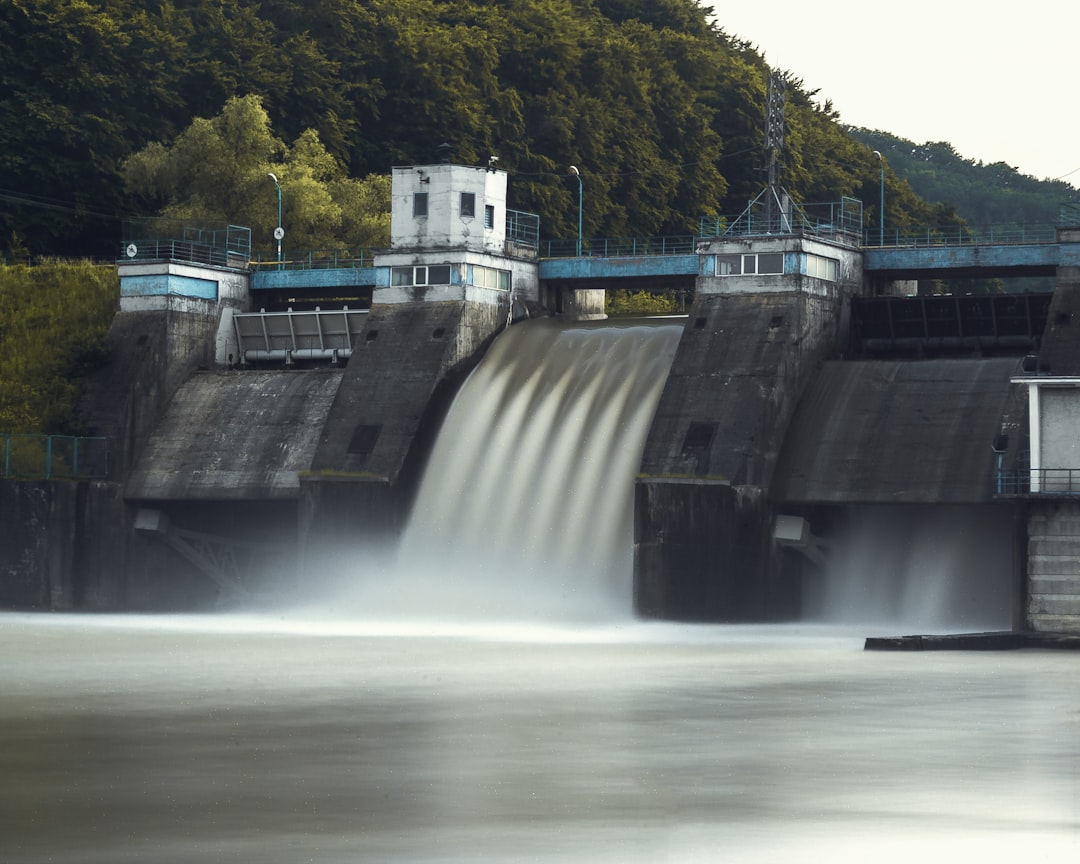
Hydropower currently generates approximately 16% of global electricity and represents the world’s largest source of renewable energy. However, hydroelectric generation has experienced notable declines in several regions during recent years due to multiple interconnected factors. Climate variability and extended drought periods have reduced water availability in key hydroelectric basins worldwide.
Lower precipitation levels and altered seasonal water patterns have decreased reservoir storage and river flow rates, directly impacting power generation capacity.
Reduced hydropower output affects electricity supply reliability in regions with high hydroelectric dependence.
Countries such as Brazil, Norway, and several nations in sub-Saharan Africa derive 60-90% of their electricity from hydropower, making them particularly vulnerable to generation shortfalls. These reductions can lead to increased reliance on alternative energy sources, potential electricity price volatility, and supply security concerns. The hydropower sector faces the challenge of adapting to changing hydrological conditions while meeting growing electricity demand.
This situation highlights the importance of diversified energy portfolios and improved water resource management strategies. Understanding these dynamics is essential for energy planning and policy development as nations work to balance renewable energy goals with grid reliability requirements.
Key Takeaways
- Hydropower shortages are driving up electricity rates and affecting both consumers and businesses.
- Governments are implementing strategies and exploring alternatives to address the hydropower deficit.
- Environmental concerns are influencing the search for sustainable energy solutions beyond hydropower.
- Long-term solutions focus on diversifying energy sources and improving infrastructure resilience.
- The global impact of hydropower shortages highlights the need for international cooperation and innovation.
Impact on Electricity Rates
The hydropower shortage has had a direct and noticeable effect on electricity rates across various regions. As hydroelectric plants struggle to meet demand due to reduced water availability, utilities are forced to turn to alternative energy sources, many of which are more expensive. This shift often results in increased costs for consumers, as the price of electricity rises to reflect the higher operational expenses associated with fossil fuels or other less efficient energy sources.
Consequently, households and businesses alike are feeling the financial strain as their monthly energy bills climb. Moreover, the volatility of electricity rates can create an unpredictable economic environment. Consumers may find it challenging to budget for their energy expenses, leading to financial stress and potential hardships.
In some cases, regions that were once able to rely on stable and affordable hydropower are now facing significant price fluctuations, which can deter investment and hinder economic development. The ripple effects of rising electricity rates can be felt across various sectors, making it imperative for policymakers to address the underlying issues contributing to the hydropower shortage.
Alternatives to Hydropower

In light of the hydropower shortage, many regions are exploring alternative energy sources to fill the gap left by diminishing hydroelectric capacity. Renewable options such as solar and wind power have gained traction as viable substitutes, offering cleaner energy solutions that can help mitigate reliance on fossil fuels. Solar energy, in particular, has seen exponential growth due to advancements in technology and decreasing costs associated with solar panel installation.
Wind farms are also becoming increasingly common, harnessing natural wind currents to generate electricity. However, transitioning to these alternatives is not without its challenges. Solar and wind energy production is inherently variable, dependent on weather conditions and time of day.
This intermittency necessitates the development of robust energy storage solutions and grid management strategies to ensure a reliable power supply. Additionally, while these renewable sources present an opportunity for diversification, they also require significant investment in infrastructure and technology to scale up production effectively. As regions seek to reduce their dependence on hydropower, a balanced approach that incorporates multiple energy sources will be essential for achieving long-term energy stability.
Government Response to the Shortage
Governments around the world are beginning to recognize the urgency of addressing the hydropower shortage and its far-reaching implications. In response, many are implementing policies aimed at promoting renewable energy development and enhancing energy efficiency. These initiatives often include financial incentives for renewable energy projects, such as tax credits or grants for solar and wind installations.
Additionally, governments are investing in research and development to improve energy storage technologies that can help mitigate the intermittency issues associated with renewable sources. Furthermore, some governments are taking a proactive approach by modernizing existing hydropower infrastructure. Upgrading aging dams and improving water management practices can enhance the efficiency of hydroelectric plants and increase their output during periods of low water availability.
Effects on Consumers
| Region | Hydropower Shortage (%) | Average Electricity Rate (cents/kWh) | Peak Rate (cents/kWh) | Off-Peak Rate (cents/kWh) | Year |
|---|---|---|---|---|---|
| California, USA | 15 | 18.5 | 25.0 | 12.0 | 2023 |
| Brazil | 20 | 14.2 | 20.5 | 10.0 | 2023 |
| India | 12 | 8.7 | 12.0 | 6.5 | 2023 |
| China | 10 | 9.5 | 14.0 | 7.0 | 2023 |
| Norway | 5 | 11.0 | 15.0 | 8.0 | 2023 |
The effects of the hydropower shortage on consumers are profound and multifaceted. As electricity rates rise due to increased reliance on more expensive energy sources, households may find themselves grappling with higher utility bills that strain their budgets. For low-income families, this financial burden can be particularly challenging, potentially leading to difficult choices between paying for electricity or other essential needs such as food and healthcare.
The social implications of rising energy costs can exacerbate existing inequalities within communities. In addition to financial impacts, consumers may also experience disruptions in service reliability. As utilities struggle to balance supply and demand amid fluctuating water levels, power outages or rolling blackouts may become more common.
Such disruptions not only inconvenience daily life but can also pose safety risks during extreme weather events or emergencies. The cumulative effect of these challenges underscores the importance of addressing the hydropower shortage in a manner that prioritizes consumer protection and equitable access to reliable energy.
Impact on Businesses
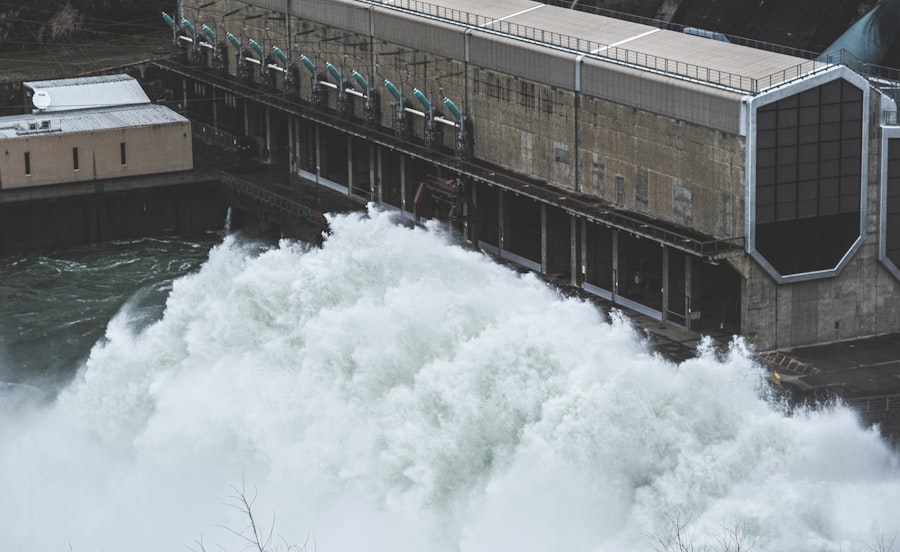
Businesses are not immune to the repercussions of the hydropower shortage; in fact, they may face even greater challenges than individual consumers. Rising electricity costs can significantly impact operational expenses, particularly for industries that rely heavily on energy-intensive processes. Manufacturing plants, data centers, and other businesses may find it increasingly difficult to maintain profitability in an environment of escalating energy prices.
This situation could lead some companies to reconsider their location or even scale back operations if they cannot secure affordable electricity. Moreover, businesses may also experience disruptions in their operations due to unreliable power supply. Frequent outages or reduced capacity can hinder productivity and lead to costly downtime.
For companies that depend on just-in-time inventory systems or continuous production processes, even minor interruptions can have cascading effects throughout their supply chains. As businesses navigate these challenges, many are exploring alternative energy solutions or investing in energy efficiency measures to mitigate their exposure to rising costs and service disruptions.
Environmental Concerns
While hydropower is often touted as a clean energy source, the current shortage raises important environmental concerns that warrant consideration. The construction and operation of hydroelectric dams can have significant ecological impacts, including alterations to river ecosystems and fish migration patterns. Additionally, prolonged droughts exacerbated by climate change can lead to reduced water flow in rivers, further stressing aquatic habitats and biodiversity.
As regions seek alternatives to hydropower in response to shortages, it is crucial that environmental considerations remain at the forefront of decision-making processes. Transitioning to solar or wind power may offer cleaner options; however, these technologies also come with their own environmental footprints—such as land use for solar farms or potential impacts on bird populations from wind turbines. Striking a balance between meeting energy needs and preserving ecological integrity will be essential for ensuring a sustainable energy future.
Strategies for Mitigating the Shortage
To effectively address the hydropower shortage, a range of strategies must be employed at both local and national levels. One key approach involves enhancing water management practices to optimize reservoir levels and improve efficiency at existing hydroelectric facilities. Implementing advanced forecasting techniques can help utilities better anticipate water availability and adjust operations accordingly.
Additionally, investing in diversified energy portfolios that include a mix of renewable sources can provide greater resilience against fluctuations in hydropower generation. By integrating solar, wind, geothermal, and other renewable technologies into the energy mix, regions can reduce their vulnerability to water-related disruptions while promoting sustainability. Furthermore, public awareness campaigns aimed at encouraging energy conservation among consumers can play a vital role in reducing overall demand during periods of scarcity.
Long-Term Solutions for Hydropower Shortage
Long-term solutions for addressing the hydropower shortage must encompass a comprehensive approach that prioritizes sustainability and resilience. One promising avenue involves investing in innovative technologies such as pumped storage hydropower systems that can store excess energy generated during peak production times for later use when demand is high. These systems can help balance supply and demand while maximizing the efficiency of existing hydroelectric resources.
Moreover, fostering collaboration between governments, private sector stakeholders, and local communities will be essential for developing effective policies that support sustainable water management practices and renewable energy integration. By engaging diverse perspectives and expertise, stakeholders can work together to create solutions that not only address current challenges but also lay the groundwork for a more resilient energy future.
Global Implications of Hydropower Shortage
The implications of the hydropower shortage extend beyond national borders; they resonate on a global scale as countries grapple with similar challenges related to climate change and energy security. Regions heavily reliant on hydropower may find themselves at a disadvantage in an increasingly interconnected world where energy resources are shared across borders. This situation could lead to geopolitical tensions as nations vie for access to dwindling water resources or seek alternative energy partnerships.
Furthermore, as countries strive to meet international climate commitments while addressing domestic energy needs, the hydropower shortage underscores the importance of diversifying energy portfolios and investing in sustainable practices globally. Collaborative efforts focused on knowledge sharing and technology transfer can help nations develop innovative solutions tailored to their unique circumstances while contributing to collective progress toward a more sustainable future.
Conclusion and Future Outlook
In conclusion, the hydropower shortage presents significant challenges that require urgent attention from policymakers, businesses, and consumers alike. As reliance on this renewable resource diminishes due to climate change and other factors, it is imperative that stakeholders explore alternative solutions while prioritizing sustainability and resilience in their approaches. The transition toward diversified energy portfolios that incorporate various renewable sources will be crucial for mitigating the impacts of this shortage.
Looking ahead, fostering collaboration among governments, industries, and communities will be essential for developing effective strategies that address both immediate concerns and long-term sustainability goals. By embracing innovation and prioritizing environmental stewardship, society can work toward a future where reliable access to clean energy is not only achievable but also equitable for all individuals and communities around the globe.
As the demand for electricity continues to rise, many regions are facing challenges related to hydropower shortages, which in turn affect electricity rates. A recent article discusses the implications of these shortages on energy pricing and the potential solutions to mitigate the impact on consumers. For more insights, you can read the full article [here](https://www.mygeoquest.com/sample-page/).
WATCH THIS! 💧 The $1 Trillion Lie: America’s Water Crisis Is 10x Worse Than They Tell You
FAQs
What causes hydropower shortages?
Hydropower shortages are typically caused by reduced water availability due to droughts, seasonal changes, or increased water demand. Other factors include infrastructure issues and environmental regulations limiting water use.
How do hydropower shortages affect electricity rates?
When hydropower generation decreases, utilities often rely on more expensive energy sources like natural gas or coal, leading to higher electricity rates for consumers.
Is hydropower a significant source of electricity?
Yes, hydropower is a major renewable energy source worldwide, providing a substantial portion of electricity in many regions, especially those with abundant water resources.
Can hydropower shortages be predicted?
To some extent, yes. Hydrological data, weather forecasts, and water reservoir levels help predict potential shortages, allowing utilities to plan accordingly.
What measures can mitigate the impact of hydropower shortages?
Measures include diversifying energy sources, improving energy efficiency, investing in energy storage, and implementing demand response programs to reduce peak electricity use.
Are electricity rates expected to remain high during hydropower shortages?
Electricity rates may remain elevated as long as hydropower output is low and alternative generation costs are high. Rates can stabilize once water levels recover or alternative energy sources become more cost-effective.
How do hydropower shortages impact the environment?
Reduced hydropower generation may lead to increased use of fossil fuels, which can raise greenhouse gas emissions. However, managing water resources carefully can help balance environmental concerns.
Can consumers do anything to reduce the impact of hydropower shortages?
Consumers can reduce electricity use during peak times, invest in energy-efficient appliances, and consider renewable energy options like solar panels to lessen dependence on the grid during shortages.