
The stark white expanse of the Huascarán Glacier, once a majestic testament to Earth’s frozen grandeur, now carries the weight of a devastating collapse. This colossal ice mass, perched atop Peru’s highest peak, has been the site of catastrophic events, most notably the 1970 avalanche that tragically buried the town of Yungay. Understanding the factors that contribute to such ice failures is paramount, not only for scientific comprehension but for the very survival of communities living in its shadow. This article delves into the intricate causes behind glacial collapses, examines their profound and far-reaching impacts, and contemplates the future risks posed by these dynamic and increasingly vulnerable icy giants.
The Anatomy of Ice Failure: Understanding Glacial Collapse Mechanisms
Glacial collapse is not a sudden, spontaneous event but rather a complex process driven by a confluence of natural forces and, increasingly, anthropogenic influences. The immense weight of millennia of accumulated snow and ice, combined with the ever-present force of gravity, sets the stage. However, specific triggers and underlying vulnerabilities determine when and where these massive structures will yield.
The Role of Thermodynamics: Warming Climates and Internal Stresses
The most significant driver of glacial instability in the modern era is undeniably climate change. Rising global temperatures, amplified in mountainous regions, directly impact the physical integrity of glaciers. As the atmosphere warms, the surface of the ice melts at an accelerated rate. This meltwater is not merely an aesthetic byproduct; it plays a crucial role in destabilizing the glacier from within.
Surface Meltwater Infiltration and Lubrication
When meltwater accumulates on the glacier’s surface, it often finds its way into crevasses and moulins – vertical shafts that bore deep into the ice. This water can lubricate the interface between the glacier and the bedrock beneath it. Imagine a massive block of ice resting on a slightly tilted, wet surface; the water acts as a lubricant, reducing friction and allowing the glacier to slide more easily. This increased basal sliding can lead to faster ice flow, stretching and thinning the glacier, making it more susceptible to fracturing. Furthermore, the water can freeze and thaw within crevasses, a process known as frost wedging, which can widen existing cracks and create new ones.
Internal Ice Weakening and Structural Integrity
Beyond surface lubrication, rising temperatures also affect the internal structure of the ice itself. Glacier ice is not a monolithic, solid block. It contains a network of cracks, fissures, and internal cavities. As temperatures fluctuate, water within these voids can freeze and expand, or melt and exert hydrostatic pressure, further stressing the ice. In warmer periods, ice crystals can also undergo recrystallization, a process where smaller ice grains merge into larger ones, potentially altering the ice’s strength and elasticity. For ice masses that are already thin or fragmented, this internal weakening can be the final straw, leading to detachment.
Geomorphological Factors and Substrate Instability
The landscape upon which a glacier rests, the substratum, plays a critical role in its stability. The geological composition and topography of the underlying bedrock, as well as the presence of unconsolidated materials, can significantly influence a glacier’s susceptibility to collapse.
Bedrock Topography and Undercutting
Steep bedrock slopes beneath a glacier can create areas of immense stress concentration. If the bedrock is also eroded or undercut by glacial movement, it can create overhangs or unstable shelves of ice. As the glacier flows, these unstable sections become increasingly precarious. The 1970 Huascarán avalanche, for instance, originated from a portion of the glacier that had likely detached from a steep, overhanging section of the mountain. The dynamic interaction between ice and bedrock, especially in areas of significant relief, is a crucial consideration.
Permafrost Thaw and Debris Accumulation
Many high-altitude glaciers are underlain by permafrost – ground that has remained frozen for at least two consecutive years. As global temperatures rise, this permafrost begins to thaw. Thawing permafrost loses its structural integrity, becoming unstable and prone to landslides. If a glacier is situated on a slope composed of unconsolidated debris or moraine material, permafrost thaw can lead to widespread slope failure. This can then trigger the detachment of large sections of the glacier that are embedded within or resting upon this unstable debris. The increased presence of debris on the surface of glaciers, known as supraglacial debris, can also alter the thermal regime of the ice, leading to differential melting and further fracturing.
Glacial Dynamics and Catastrophic Events
Certain glaciological phenomena can act as direct triggers for large-scale collapses. These events are often a culmination of pre-existing stresses and vulnerabilities, exacerbated by a specific trigger.
Ice Avalanches and Glacier Surges
Ice avalanches, as evidenced by the 1970 Huascarán event, are a dramatic manifestation of glacial collapse. They occur when a section of a glacier, often weakened by meltwater, fracturing, or an unstable substrate, detaches and cascades down the mountain. Glacier surges, while distinct from direct collapses, can also contribute to instability. Surges are periods of rapid ice flow that can occur in certain types of glaciers. During a surge, the glacier can advance significantly, deforming and fracturing the ice, which can make it more prone to later detachment events. The rapid thinning and stretching associated with surges can create critical weaknesses.
Rockfalls Triggering Ice Detachment
In mountainous regions like the Andes, rockfalls are a common occurrence. However, a large rockfall impacting a glacier can have devastating consequences. The kinetic energy of falling rocks can fracture ice, create shockwaves that destabilize the mass, and even dislodge entire sections. The impact can initiate a chain reaction, leading to a much larger ice avalanche or collapse. This is particularly true for glaciers that are already teetering on the brink of instability due to melting and fracturing.
The recent collapse of the Huascarán glacier has raised significant concerns about the impacts of climate change on glacial ecosystems. For further insights into this pressing issue, you can read a related article that discusses the broader implications of glacier retreat in the Andes region. This article provides valuable context and highlights the urgent need for climate action. To explore more, visit this link.
The Far-Reaching Consequences: Impacts of Glacier Collapse

The consequences of a glacial collapse, especially one of the magnitude seen at Huascarán, extend far beyond the immediate destruction of the ice mass. They ripple through the environment, affect human populations, and leave lasting scars on the landscape.
Environmental Devastation and Ecosystem Disruption
The immediate aftermath of a glacier collapse is a scene of immense destruction. The sheer volume of ice, rock, and debris that surges downslope can obliterate everything in its path.
Landscape Alteration and Habitat Destruction
The primary environmental impact is the drastic alteration of the landscape. Forests are flattened, valleys are scoured, and rivers are dammed or rerouted. Entire ecosystems can be wiped out. Habitats that have supported unique flora and fauna for centuries can be permanently destroyed. The loss of vegetation can lead to increased soil erosion, further destabilizing the surrounding slopes and making it harder for plant life to re-establish. The sheer force of the debris flow can also bury vast areas, creating a barren wasteland where a vibrant ecosystem once thrived.
Water Resource Contamination and Alteration
Glaciers are vital sources of freshwater for many regions. Their collapse can significantly disrupt these water resources. The immediate impact can be the release of massive volumes of water and sediment, causing devastating floods downstream. As the glacier disappears, the reliable supply of meltwater diminishes, especially during dry seasons. This can lead to water scarcity for agriculture, drinking water, and hydropower generation. Furthermore, the debris from a collapse can contaminate rivers and lakes, affecting water quality for both human consumption and aquatic life. Sedimentation can clog riverbeds, alter flow patterns, and reduce the capacity of reservoirs.
The recent collapse of the Huascarán glacier has raised significant concerns about the impacts of climate change on glacial systems worldwide. This event not only highlights the fragility of these ice masses but also serves as a reminder of the urgent need for environmental awareness and action. For further insights into the implications of such glacial changes, you can read a related article that discusses the broader effects of glacier retreat on ecosystems and communities. To explore this topic in detail, visit this article.
Societal Impacts and Human Tragedy
The human cost of glacial collapses can be catastrophic, as tragically demonstrated by the Yungay disaster. Communities located in the path of these events face immediate peril and long-term challenges.
Loss of Life and Displacement of Communities
The most devastating impact is the loss of human life. Large-scale ice avalanches and debris flows move with incredible speed and force, leaving little time for escape. Entire towns and villages can be buried, as was the case with Yungay, which was completely annihilated by the 1970 avalanche. Survivors are often left homeless and traumatized, requiring extensive humanitarian aid. The displacement of communities can lead to the breakdown of social structures and the loss of cultural heritage. Rebuilding or relocating these communities is a monumental task, often fraught with economic and social challenges.
Economic Losses and Infrastructure Damage
The economic consequences are substantial. Infrastructure, including homes, businesses, roads, bridges, and agricultural lands, can be completely destroyed. The cost of rebuilding and recovery can run into millions or even billions of dollars. For regions heavily reliant on tourism related to glaciated landscapes, the loss of glaciers can also mean a significant blow to their economy. The disruption to water resources can impact agriculture and industry, leading to further economic hardship. The long-term economic viability of affected areas can be severely compromised.
Long-Term Environmental Changes and Geomorphological Shifts
Beyond the immediate devastation, glacial collapses can initiate long-term environmental changes and reshape the very topography of a region.
Altered Hydrological Regimes and River Systems
The loss of a glacier permanently alters the hydrological regime of a watershed. Rivers that were once fed by consistent glacial melt may become ephemeral, experiencing flow only during rainy seasons. This can lead to increased competition for water resources and impact downstream ecosystems. The deposition of vast amounts of debris can also create new landforms, such as moraine dams that can create temporary lakes, which themselves pose a risk of outburst floods. The entire water cycle of the region is effectively reset, with far-reaching implications for biodiversity and human water management.
Increased Erosion and Slope Instability
The removal of a massive ice body can expose previously unsupported slopes to weathering and erosion. This can lead to increased rates of rockfall and landslides in the aftermath of a collapse, creating a cascade of instability. The loose debris deposited by the avalanche can also be easily eroded by wind and rain, further contributing to landscape change and potentially impacting water quality downstream. The scars left by the collapse can take centuries to heal, if they ever fully recover.
Future Projections and Escalating Risks
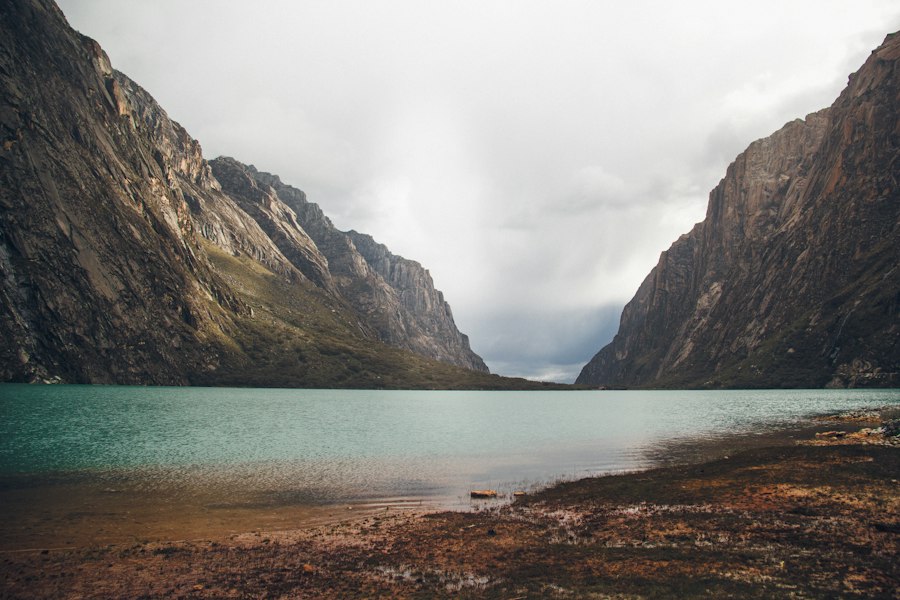
The ominous reality is that the conditions that lead to glacial collapses are not abating; they are, in fact, intensifying. As global temperatures continue to rise, the risks associated with glacial instability are projected to escalate.
Accelerated Melting and Glacier Retreat
The primary driver of future glacial instability is the accelerated rate of melting due to climate change. Many glaciers worldwide are in rapid retreat, thinning and shrinking. This retreat exposes more of the underlying bedrock, often creating precarious overhangs or unstable slopes of ice. The decreasing ice volume also means that the glaciers are becoming less robust, making them more susceptible to fracturing and detachment. The long-term trend points towards the eventual disappearance of many smaller glaciers, but before they vanish, they may become increasingly dangerous.
Thinning Ice and Increased Crevassing
As glaciers thin, their internal structural integrity weakens. The stresses within the ice become more concentrated, leading to increased crevassing and fracturing. These fissures act as conduits for meltwater, accelerating the destabilization process. In essence, the glacier becomes a more fragmented and brittle entity, more prone to sudden and catastrophic failure. The larger ice masses, while seemingly more robust, are also subject to these same processes, and their collapse would be exponentially more destructive.
Permafrost Degradation and Slope Failures
The warming climate is also leading to widespread permafrost degradation at high altitudes. As permafrost thaws, the ground beneath glaciers becomes unstable, increasing the likelihood of landslides that can dislodge ice. This is particularly concerning for glaciers situated on steep slopes or in areas with significant unconsolidated material. The combination of melting ice and thawing permafrost creates a double threat of slope instability.
Intensifying Extreme Weather Events
Beyond the steady march of rising temperatures, the future also portends an increase in the frequency and intensity of extreme weather events, which can act as potent triggers for glacial collapses.
Heatwaves and Increased Meltwater Production
Prolonged and intense heatwaves can lead to dramatic increases in glacial meltwater production. This surge of meltwater can overwhelm crevasses and moulins, leading to increased lubrication of the glacier’s base and a higher risk of detachment. The rapid accumulation of meltwater in ice-dammed lakes can also pose a significant hazard, with the potential for catastrophic outburst floods if the dams fail.
Intense Rainfall and Snowfall Events
While counterintuitive, extreme rainfall events, particularly at higher altitudes, can also contribute to instability
The Social Security Mistake At 62 That Could Ruin Your Spouse’s Retirement
FAQs
What caused the Huascarán glacier collapse?
The collapse of the Huascarán glacier was caused by a combination of factors, including rising global temperatures due to climate change, increased glacial melt, and the destabilization of the glacier’s structure.
When did the Huascarán glacier collapse occur?
The Huascarán glacier collapse occurred on April 11, 2020, in the Peruvian Andes.
What was the impact of the Huascarán glacier collapse?
The collapse of the Huascarán glacier resulted in a massive avalanche of ice and rock, causing destruction to nearby villages, infrastructure, and claiming several lives.
Was the Huascarán glacier collapse a rare event?
Glacier collapses like the one at Huascarán are becoming more common as a result of climate change and the accelerated melting of glaciers worldwide.
What measures are being taken to prevent future glacier collapses?
Efforts are being made to monitor glaciers more closely, raise awareness about the impacts of climate change, and implement policies to reduce greenhouse gas emissions in order to mitigate the risk of future glacier collapses.