The Dynamic Anatomy of Braided Rivers
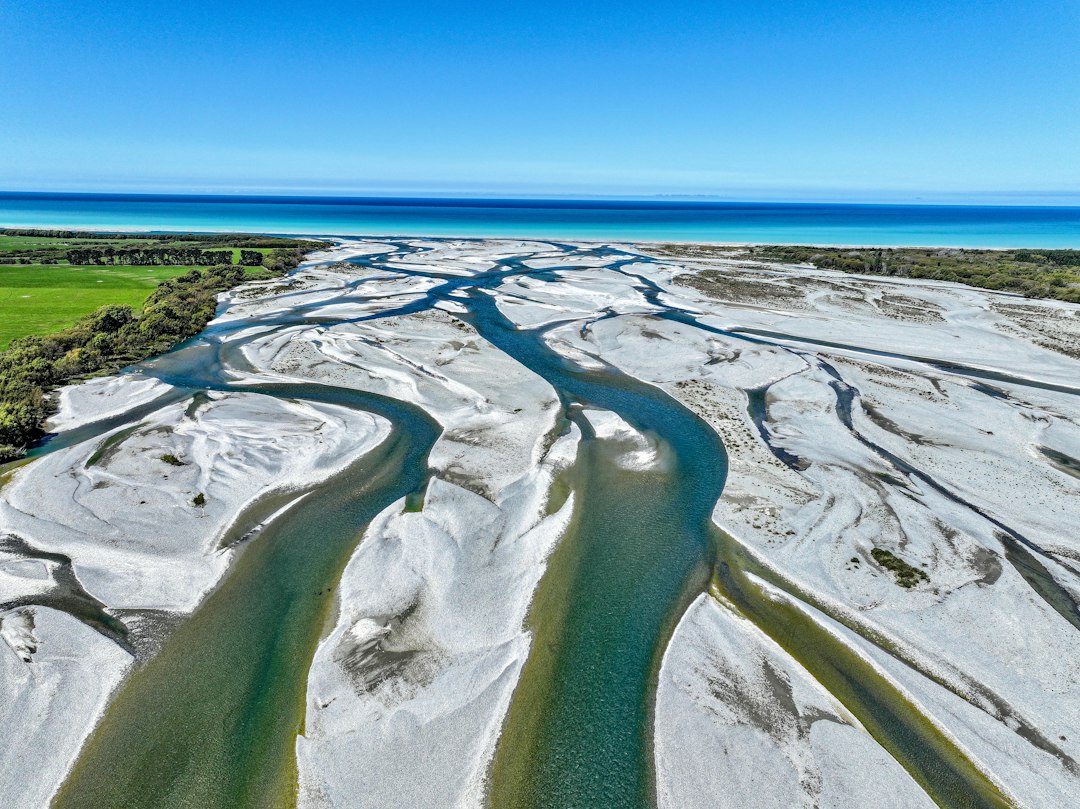
Braided rivers are a striking and often awe-inspiring feature of the natural landscape. Characterized by a complex network of interlacing channels that divide and recombine, they create a dynamic mosaic of flowing water and exposed sediment. At the heart of this intricate system lie sandbars, also known as bars or shoals. These submerged or partially exposed mounds of sand and gravel are not static islands; they are constantly shifting, growing, and eroding, dictating the flow of the river and providing crucial habitats. Understanding how these sandbars form in braided rivers is key to appreciating the powerful forces of erosion, deposition, and sediment transport that sculpt our planet. This article will delve into the intricate process of sandbar formation within the unique context of a braided river system, exploring the interplay of water flow, sediment availability, and channel morphology.
Sandbars in braided rivers are fascinating geological features that form through the complex interplay of sediment transport and river dynamics. As water flows through a riverbed, it carries sediment that can accumulate in certain areas, creating elevated landforms known as sandbars. These formations can shift and change shape as the river’s flow alters due to seasonal changes or human activities. For a more in-depth exploration of this topic, you can read the related article on sandbars and their formation in braided rivers at My Geo Quest.
The Genesis of Sediment: The Raw Material for Sandbars
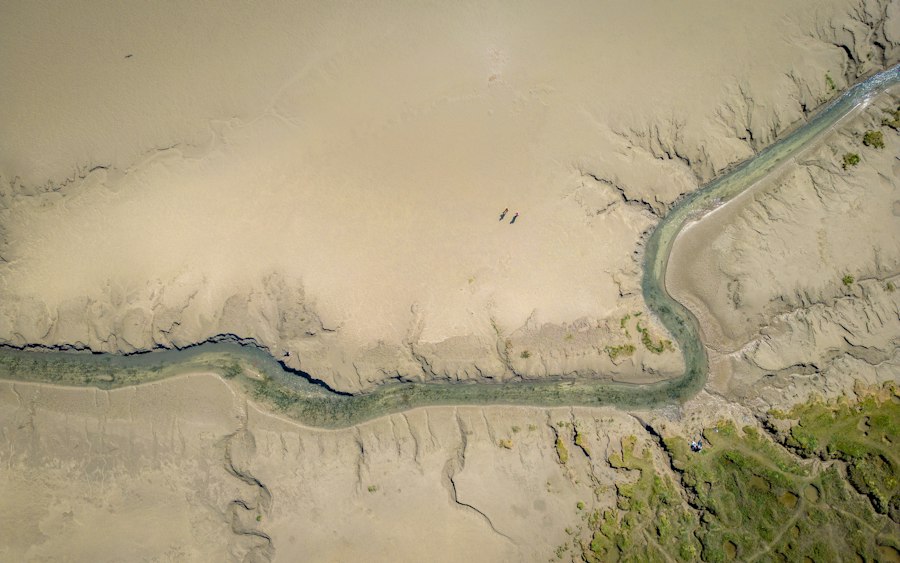
Sandbars, at their core, are simply accumulations of sediment. In a braided river, this sediment is primarily sand and gravel, though finer silts and clays can also play a role. The origin and transport of this material are fundamental to the very existence of the river and, consequently, its sandbars.
The Upstream Source: Erosion and Transport
The journey of sediment begins in the river’s watershed. Headwaters, typically found in mountainous or hilly regions, are the primary engines of erosion. Rainfall, snowmelt, and glacial meltwater accelerate the breakdown of rocks through physical weathering (like frost wedging and abrasion) and chemical weathering (like dissolution). This process liberates smaller particles – sand, gravel, silt, and clay – from the bedrock.
As water flows downhill, it gains energy and velocity. This increased energy allows it to pick up and transport these loosened particles. Smaller particles, like silt and clay, can be carried in suspension, making the water appear cloudy. Larger particles, such as sand and gravel, are moved along the riverbed through saltation (bouncing along) and traction (rolling or sliding). The further these particles travel, the more they are rounded and reduced in size through constant collision with other sediment particles and the riverbed.
The Role of Tributaries and Bank Erosion
Tributaries, smaller streams that feed into the main river, contribute their own loads of sediment. These smaller streams often have steeper gradients and can be highly erosive, carrying significant amounts of material into the larger river system. Furthermore, the banks of the river itself are a crucial source of sediment. Flowing water, especially during periods of high discharge (floods), exerts pressure on the riverbanks. This pressure, combined with the scouring action of the water and suspended sediment, can cause bank collapse, directly contributing a substantial volume of sand and gravel to the river. The type of material that makes up the riverbanks significantly influences the sediment load; rivers with unconsolidated banks will erode more readily and supply more sediment.
Sediment Load and River Dynamics
The amount and type of sediment a river carries, known as its sediment load, is a critical factor in determining its morphology. Rivers with a high sediment load, especially those with a significant proportion of sand and gravel, are more prone to developing braided channels. This is because the water’s energy is constantly being dissipated by the need to move this large volume of sediment. The river struggles to maintain a single, deep channel; instead, the sediment is deposited in the channel, creating obstacles that force the water to divide, thus initiating the braiding process.
The Mechanics of Braiding: How Channels Divide and Conquer
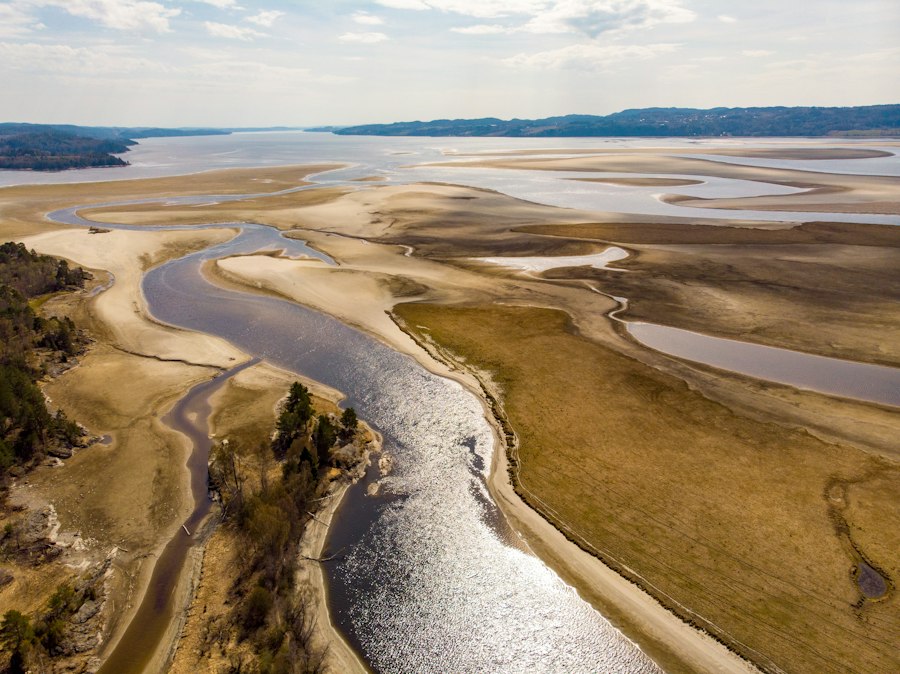
Braided river systems are characterized by their dynamic network of channels. The formation of these multiple, shifting channels is intrinsically linked to the deposition of sediment and the resulting landforms, primarily sandbars.
The Influence of Flow Variability
A key driver of braiding is the variability in the river’s flow. Rivers that experience significant fluctuations in discharge, with periods of high flow followed by periods of lower flow, are more likely to braid. During high flow events, the river has abundant energy to transport a large volume of sediment. As the water level rises, it spreads out, and its velocity can increase across a wider floodplain. However, as the flow recedes, the river’s capacity to carry sediment diminishes. The excess sediment that can no longer be transported is then deposited.
Sediment Deposition and Channel Obstruction
When sediment is deposited in the main channel, it acts as an obstruction. This obstruction forces the flowing water to divert around it. Initially, this diversion might create small secondary channels. As more sediment accumulates, these secondary channels can deepen and widen, while the original channel may become shallower or even cease to carry significant flow. This process of deposition and diversion is a continuous feedback loop. The deposition of sediment leads to channel division, and the divided channels, with their altered flow dynamics, can lead to further deposition and erosion in new locations, further perpetuating the braided pattern.
The Emergence of Mid-Channel Bars
The most visible manifestation of this channel division and deposition is the formation of mid-channel bars. These are essentially temporary islands of sand and gravel that emerge in the middle of the river. They form where the flow velocity is reduced, allowing suspended and bedload sediment to settle out. As more sediment is deposited, these bars grow in size, becoming more prominent features within the river. The spacing and size of these bars are dictated by the river’s width, depth, flow velocity, and the grain size of the sediment.
Channel Bifurcation and Confluence
The process of braiding involves the repeated splitting of channels (bifurcation) and their subsequent rejoining (confluence). A single channel can split into two or more smaller channels, each carrying a portion of the total flow. These smaller channels may then flow parallel to each other for a distance before eventually merging back into a single channel downstream. This constant division and rejoining create the characteristic braided appearance. The deposition of sediment, particularly at points where flow begins to diverge, is the primary mechanism that initiates and sustains these bifurcations.
The Birth of Sandbars: Deposition in Action
Sandbars are the direct consequence of sediment deposition within a braided river. Their formation is a nuanced process, influenced by the intricate relationship between water flow and sediment availability.
Sediment Deposition Mechanisms
The primary mechanism for sandbar formation is deposition. This occurs when the river’s velocity decreases, reducing its ability to carry sediment. Several factors contribute to this decrease in velocity and subsequent deposition:
- Expansions in Channel Width: When a river channel widens abruptly, the same volume of water is spread over a larger area. This leads to a decrease in flow velocity, causing sediment to drop out of suspension or be deposited as bedload. Mid-channel bars often initiate in such wider sections where the flow diverges.
- Obstructions and Flow Diversion: As mentioned earlier, any obstruction in the riverbed, whether it’s existing sediment deposits, fallen trees, or even bedrock outcrops, can disrupt flow patterns. Water is forced to flow around these obstacles, creating areas of slower flow on the downstream side or in the lee of the obstruction. These slower zones become prime locations for sediment accumulation.
- Flow Separation: In braided rivers, the complex geometry of the channels leads to flow separation. This occurs when the main flow detaches from the channel boundary, creating recirculating eddies. Within these eddies, the water velocity is significantly reduced, promoting the settling of suspended sediment.
- Vegetation and Debris: While often thought of as features of more stable environments, even sparse vegetation or accumulated debris (like logs and branches) within a braided river can act as traps for sediment. As water flows around these features, eddies form, and sediment is deposited, leading to the gradual buildup of a bar.
The Role of Bedload and Suspended Load
Sandbars are predominantly formed from the deposition of the river’s bedload. This is the coarser sediment – sand, gravel, and pebbles – that is transported along the riverbed through rolling, sliding, and bouncing. When the energy of the flow drops, these heavier particles are the first to settle. While suspended load (finer sediments like silt and clay carried within the water column) can contribute to the finer matrix of a bar over time, the bulk and structure of sandbars are built by the deposition of the bedload.
Bar Morphologies: From Point Bars to Mid-Channel Bars
Sandbars in braided rivers exhibit a variety of forms, each reflecting the specific flow conditions and depositional history:
- Point Bars: While more characteristic of meandering rivers, nascent point bars can also be found in braided systems, especially in the inner bends of larger, less actively braiding channels. They form where flow velocity is reduced on the inside of a curve, leading to deposition.
- Mid-Channel Bars: These are the most iconic sandbars of braided rivers. They form in the middle of the channel, often as a result of flow splitting. They can be elongated, triangular, or irregular in shape, depending on the prevailing flow dynamics.
- Longitudinal Bars: These bars run parallel to the general direction of flow, often forming between closely spaced channels. They are built up by deposition in areas where the flow is relatively stable but not deep enough to maintain a distinct channel.
- Transverse Bars: These bars form perpendicular to the flow direction, often extending across a portion of the channel. They can act as natural dams, forcing the flow to seek new paths.
Sandbars in braided rivers are fascinating features that form due to the complex interplay of sediment transport and water flow. As river currents fluctuate, they deposit sediment in certain areas, leading to the creation of these temporary landforms. For a deeper understanding of the processes involved in the formation of sandbars, you can explore this insightful article on braided river dynamics. The article delves into how variations in water volume and velocity contribute to the shifting patterns of sediment deposition, ultimately shaping the landscape of braided river systems.
The Dynamic Evolution of Sandbars: A Constant State of Flux
| Metric | Description | Typical Values | Relevance to Sandbar Formation |
|---|---|---|---|
| Flow Velocity | Speed of water flow in the river channel | 0.5 – 3 m/s | Controls sediment transport capacity; lower velocities promote deposition forming sandbars |
| Discharge Variability | Fluctuations in river flow volume over time | Seasonal peaks and lows | High variability causes sediment sorting and bar formation during low flow periods |
| Grain Size | Size of sediment particles transported | 0.1 – 2 mm (sand) | Sand-sized particles settle to form sandbars when flow velocity decreases |
| Sediment Load | Amount of sediment carried by the river | 100 – 1000 kg/m³ | Higher sediment loads increase likelihood of bar formation |
| Channel Slope | Gradient of the riverbed | 0.001 – 0.01 m/m | Steeper slopes increase flow energy, affecting sediment deposition patterns |
| Channel Width | Width of the river channel | 10 – 100 m | Wider channels promote braiding and multiple bar formation |
| Water Depth | Depth of the river channel | 0.5 – 3 m | Shallow depths favor sediment deposition and bar emergence |
Sandbars are not static features. They are born, grow, erode, and are eventually reshaped or submerged, reflecting the ever-changing nature of braided river systems. This dynamic evolution is crucial to the river’s overall morphology and ecological function.
Accretion and Growth: Building Upward
The primary process of sandbar growth is accretion, which is the gradual accumulation of sediment. As water flows over or around a developing bar, it carries more sediment. When the velocity decreases, this sediment is deposited onto the existing bar. This process can happen incrementally, with each high flow event adding a new layer of sand and gravel. Over time, these deposits can build the bar higher and wider. The rate of accretion depends heavily on the sediment supply and the frequency and magnitude of flood events.
Erosion and Degradation: The Undoing Process
Just as sandbars are built by deposition, they are also subject to erosion. During periods of high flow, the increased energy of the water can scour and transport away the sediment that makes up the bar. The shape and position of the bar play a significant role in its susceptibility to erosion. Bars exposed to strong currents are more likely to be eroded from their upstream ends or flanks. Entire bars can be swept away during major flood events, only for new ones to form in different locations as the river adjusts its course. This constant cycle of deposition and erosion is a defining characteristic of braided rivers.
Vegetation Colonization and Stabilization
As sandbars begin to stabilize and are exposed for longer periods, especially during drier seasons, they can become colonized by vegetation. Pioneer species, often hardy grasses and small shrubs that can tolerate saline conditions and poor soil, are the first to take root. Their roots help to bind the sediment, making the bar more resistant to erosion. As vegetation becomes denser, it further traps sediment, encouraging the bar to grow and become more permanently established. This process of vegetation colonization is a significant step in the evolution of a sandbar from a temporary feature to a more stable landform.
Reshaping and Channel Migration
The dynamic nature of sandbars directly influences the path of the river. As bars grow or erode, they alter the hydraulic conditions within the channels. A growing bar can constrict a channel, forcing water to flow faster and potentially erode the opposite bank. Conversely, an eroding bar can widen a channel, reducing flow velocity and promoting deposition elsewhere. This continuous interaction between sandbars and water flow leads to channel migration, where the river gradually shifts its course across the floodplain. Entire braided networks can evolve over time as bars are built and dismantled, and channels are abandoned and newly formed.
Ecological Significance: Sandbars as Habitats and Ecosystem Engineers
Beyond their geomorphological importance, sandbars in braided rivers play a vital role in the ecological functioning of these dynamic environments. They are not barren landscapes but rather transient yet crucial habitats that support a unique array of life and influence the river ecosystem as a whole.
Nurseries of Biodiversity: Supporting Flora and Fauna
Sandbars, despite their often harsh and dynamic conditions, are surprisingly productive habitats.
- Avian Havens: Many species of shorebirds and waterfowl rely on sandbars for nesting, foraging, and resting. The exposed sand and gravel provide ideal nesting sites for birds like plovers and terns, which prefer open areas with good visibility. The shallow waters around sandbars also offer feeding grounds for various wading birds and waterfowl, attracted by the abundant invertebrates and small fish.
- Insect Habitats: The gravelly and sandy substrates of sandbars are home to a diverse community of invertebrates, including various beetle larvae, ants, and other insects. These invertebrates form the base of the food web for many animals that inhabit or visit the river.
- Plant Colonization: As mentioned earlier, even temporary sandbars can be colonized by specialized plant species. These plants, adapted to drought and intermittent flooding, provide food and shelter for insects and small mammals. In areas where bars become more stable, they can develop into important vegetated habitats.
- Amphibian and Reptile Zones: Some sandbars can offer critical breeding or basking sites for amphibians and reptiles. The exposed areas can be warm for basking, and the surrounding shallow waters can provide suitable breeding grounds for certain species.
Ecosystem Engineers: Shaping the Riverine Environment
Sandbars act as “ecosystem engineers” in braided rivers, meaning they significantly modify their physical environment, which in turn affects other organisms.
- Flow Modification: The presence and shape of sandbars directly influence the flow patterns of the river. They can create areas of slack water, shallower pools, and faster-flowing channels, thereby creating a mosaic of microhabitats with different physical conditions. This diversity of conditions supports a greater variety of aquatic life.
- Sediment Sorting and Nutrient Cycling: As sandbars form and erode, they contribute to the sorting of sediment and the redistribution of nutrients within the river system. Coarser materials are deposited on the bars, while finer materials may be carried downstream. This sorting can influence the availability of nutrients for aquatic plants and invertebrates.
- Connectivity and Dispersal: Sandbars can act as stepping stones for the dispersal of organisms across the river. They provide temporary resting and foraging sites for animals moving between different parts of the river or floodplain. In some cases, they can even facilitate the movement of terrestrial species across wider river systems.
- Floodplain Interaction: During flood events, sandbars can influence how floodwaters interact with the floodplain. Their presence can either channel floodwaters or spread them out, affecting the deposition of sediment and nutrients onto the floodplain, which is crucial for riparian vegetation.
The constant cycle of formation and erosion means that the ecological opportunities provided by sandbars are also transient. However, this dynamism is precisely what makes braided river ecosystems so resilient and unique. The continuous renewal of these habitats ensures a dynamic interplay between physical processes and biological communities, driving the ecological success of these ever-changing rivers.

This River is Literally Erasing Islands
FAQs
1. How are sandbars formed in braided rivers?
Sandbars in braided rivers are formed through the deposition of sediment carried by the river. As the river flows, it picks up sand and other materials, which are then deposited when the flow slows down, creating sandbars.
2. What factors contribute to the formation of sandbars in braided rivers?
The formation of sandbars in braided rivers is influenced by factors such as the velocity of the river flow, the amount of sediment carried by the river, the slope of the riverbed, and the presence of obstacles that can cause the flow to slow down.
3. Why are sandbars more common in braided rivers compared to single-channel rivers?
Sandbars are more common in braided rivers because of the multiple channels and shifting patterns of flow. The braided nature of these rivers creates numerous opportunities for sediment deposition, leading to the formation of sandbars.
4. How do sandbars in braided rivers impact the river ecosystem?
Sandbars in braided rivers play a crucial role in the river ecosystem by providing habitats for various plant and animal species. They also help in regulating the flow of the river and can act as natural flood barriers during high water levels.
5. Can human activities affect the formation and stability of sandbars in braided rivers?
Yes, human activities such as dam construction, sand mining, and channelization can significantly impact the formation and stability of sandbars in braided rivers. These activities can alter the flow patterns, sediment transport, and overall ecosystem of the river, affecting the formation of sandbars.