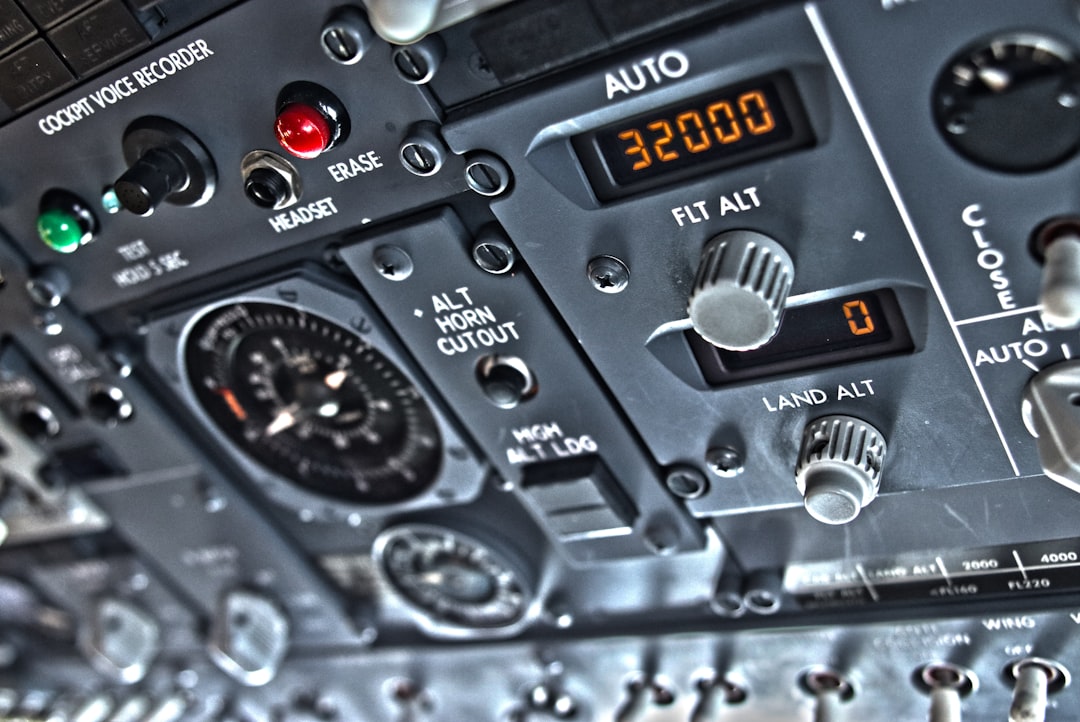
Flight dispatch operates as the unseen architect of modern air travel, a crucial function that ensures the intricate dance of aircraft across the globe proceeds with the utmost safety, efficiency, and punctuality. While passengers often focus on the pilot in command or the cabin crew, the orchestrators of their journey before and during flight reside in the flight dispatch office. These professionals wield a blend of technical expertise, meticulous planning, and real-time decision-making to manage every aspect of an aircraft’s flight, from the moment it departs the gate until its safe arrival. Their role is one of continuous vigilance, balancing numerous variables to achieve a singular goal: a successful flight.
Before any aircraft leaves the ground, a complex and rigorous pre-flight planning process is undertaken by the flight dispatch team. This phase is paramount, laying the groundwork for a safe and efficient journey by meticulously considering every conceivable factor that could influence the flight. It is a deep dive into the specifics of the route, the aircraft’s capabilities, and the prevailing environmental conditions.
Route Selection and Optimization
The selection of the optimal flight path is not a matter of simply drawing a straight line between two points. Dispatchers meticulously analyze available airspace, considering factors such as restricted areas, military zones, and crowded airways. They leverage sophisticated flight planning software that incorporates real-time air traffic control (ATC) data, wind patterns, and weather forecasts to identify the most efficient and safest route.
Navigational Aids and Waypoints
- Dispatchers utilize a comprehensive database of navigational aids, including VORs (VHF Omnidirectional Range), NDBs (Non-Directional Beacons), and GPS waypoints. The selection of these aids dictates the aircraft’s track and ensures accurate navigation throughout the flight.
- The integration of Performance-Based Navigation (PBN) systems has further refined route selection, allowing for more direct and precise flight paths, thereby reducing fuel burn and flight times. Dispatchers must understand the capabilities and limitations of the aircraft’s PBN systems to exploit these efficiencies.
Airspace Structure and Congestion
- The global airspace is divided into various sectors, each managed by different ATC authorities. Dispatchers must be aware of the specific regulations and procedures for each airspace traversed, ensuring compliance and avoiding conflicts.
- Congestion in certain air routes is a persistent challenge. Dispatchers employ tools that predict and monitor traffic flow, dynamically adjusting routes to avoid areas of high traffic density and potential delays. This can involve requesting altitude changes or diverting to less congested flight paths.
Weight and Balance Calculations
The precise distribution of weight within an aircraft is critical for its stability and performance. Dispatchers work in close conjunction with ground operations to ensure that the aircraft’s load is balanced correctly, adhering to strict limits set by the aircraft manufacturer.
Passenger and Cargo Manifests
- Each flight carries a detailed manifest of passengers and baggage, along with cargo. Dispatchers use this information to calculate the total weight of the aircraft.
- Understanding the density and distribution of cargo is crucial, as improperly stowed heavy items can significantly impact the aircraft’s center of gravity.
Fuel Load Optimization
- Determining the correct fuel load is a complex balancing act. Dispatchers must account for the planned route, anticipated winds, alternative airport requirements, and a legally mandated fuel reserve.
- Carrying excessive fuel leads to increased weight and fuel consumption, while insufficient fuel poses a critical safety risk. Dispatchers utilize sophisticated algorithms and their experience to determine the exact fuel required for each flight.
Weather Assessment and Forecasting
Weather is perhaps the most dynamic and impactful element affecting air travel. Dispatchers continuously monitor and analyze weather information from a multitude of sources.
Terminal Weather Conditions
- Conditions at departure and arrival airports are of immediate concern. Dispatchers analyze reports on visibility, cloud cover, precipitation, wind speed and direction, and runway conditions.
- Special attention is paid to severe weather phenomena such as thunderstorms, fog, icing conditions, and jet streams.
En Route Weather Systems
- Dispatchers track the movement and intensity of weather systems along the flight path. This includes monitoring radar data, satellite imagery, and pilot reports.
- They assess the potential impact of these systems on the planned route, identifying potential diversions or areas of turbulence.
Significance of Alternate Airports
- In the event that the destination airport becomes unavailable due to weather or other unforeseen circumstances, dispatchers meticulously plan for and designate suitable alternate airports.
- This includes ensuring the alternate airport has adequate weather conditions, runway length, services, and navigation aids to safely accommodate the aircraft.
Flight dispatch is a critical component of aviation operations, ensuring that flights are planned and executed safely and efficiently. For a deeper understanding of how flight dispatch works, you can explore this informative article that delves into the roles and responsibilities of flight dispatchers, the tools they use, and the importance of their work in the aviation industry. To read more, visit this article.
The Engine of Coordination: Communication and Collaboration
Flight dispatch is fundamentally a collaborative effort. It requires seamless communication and constant interaction with a wide array of stakeholders, both internal and external to the airline. Their ability to effectively disseminate information and solicit input is as crucial as their technical proficiency.
Interaction with Flight Crews
The relationship between dispatchers and flight crews is one of mutual trust and shared responsibility. Dispatchers provide the flight crew with all necessary information to conduct the flight safely, while crews provide invaluable real-time feedback.
Pre-Flight Briefings
- Before each flight, dispatchers conduct thorough pre-flight briefings with the pilots, covering everything from the flight plan and weather to any potential operational issues.
- This briefing is a two-way street, allowing pilots to ask questions, voice concerns, and offer their own insights based on their experience.
In-Flight Updates and Re-Clearances
- During the flight, dispatchers remain in constant contact with the flight crew, providing updates on changing weather conditions, ATC instructions, or any operational adjustments.
- If significant deviations from the original flight plan become necessary, dispatchers will issue re-clearances to the crew, ensuring they have the most up-to-date routing and operational parameters.
Liaison with Air Traffic Control (ATC)
The effective coordination of air traffic between airlines and ATC is vital for maintaining the flow of aviation. Dispatchers act as a primary point of contact for their airline’s flights with ATC.
Flight Plan Submission and Approval
- Dispatchers are responsible for submitting detailed flight plans to ATC for approval. These plans include proposed routes, altitudes, speeds, and estimated times of departure and arrival.
- They must adhere to ATC’s requirements and any restrictions or flow control measures in place.
Handling ATC Modifications and Requests
- ATC may issue modifications to flight plans due to traffic volume, weather, or other operational needs. Dispatchers work with ATC to implement these changes efficiently, ensuring the flight crew is informed of any deviations.
- They also respond to various ATC requests, such as altitude changes or reroutes, to ensure the smooth operation of the air traffic system.
Collaboration with Ground Operations
The ground phase of an aircraft’s journey is equally important, and dispatchers work hand-in-hand with ground crews to ensure timely and safe turnarounds.
Gate Allocation and Pushback Coordination
- Dispatchers are involved in coordinating gate assignments and the timing of pushback from the gate, ensuring efficiency and minimizing delays.
- They communicate with ground traffic control and ramp services to synchronize these activities.
Baggage and Cargo Loading
- While not directly involved in the physical loading, dispatchers provide weight and balance information to ground personnel to ensure proper loading of baggage and cargo.
- This ensures the aircraft remains within its operational envelope throughout the flight.
Engagement with Other Airline Departments
Flight dispatch often interfaces with various other departments within an airline to ensure cohesive operations.
Maintenance and Engineering
- Dispatchers are informed by maintenance about the operational status of aircraft, including any deferred maintenance items that might affect flight operations.
- They collaborate to ensure that aircraft are released for service with appropriate MEL (Minimum Equipment List) limitations understood and managed.
Customer Service and Station Management
- Dispatchers communicate with customer service and station management regarding flight status, potential delays, and any operational impacts that might affect passengers.
- This ensures that passengers are kept informed and that arrangements can be made for rebooking or other services when necessary.
The Pillars of Decision-Making: Safety and Efficiency

At the core of flight dispatch’s responsibilities lies an unwavering commitment to safety, coupled with a drive for operational efficiency. These two pillars are not in conflict but rather are inextricably linked, with robust safety protocols often leading to more efficient operations.
Safety First: The Paramount Objective
The safety of passengers, crew, and the aircraft is the absolute highest priority for flight dispatchers. Every decision made is scrutinized through the lens of risk assessment and mitigation.
Risk Assessment and Mitigation Strategies
- Dispatchers employ a systematic approach to identify potential hazards associated with a flight, from weather to mechanical issues. They then develop strategies to mitigate these risks.
- This can involve selecting alternative routes, requesting specific altitudes, or choosing a different aircraft type if necessary.
Adherence to Regulatory Standards
- Airlines operate under strict regulations set forth by aviation authorities like the FAA (Federal Aviation Administration) in the US or EASA (European Union Aviation Safety Agency) in Europe. Dispatchers ensure that all operations comply with these stringent standards.
- This includes regulations regarding flight crew duty times, fuel requirements, and aircraft maintenance.
Striving for Efficiency: Optimizing Resources
While safety is paramount, dispatchers also continuously seek ways to optimize flight operations for efficiency, which translates to cost savings and improved customer satisfaction.
Fuel Management and Cost Reduction
- By carefully planning routes, optimizing altitudes, and considering wind patterns, dispatchers aim to minimize fuel consumption. This directly impacts the airline’s operating costs.
- Efficient fuel management also contributes to environmental sustainability.
Minimizing Delays and Enhancing On-Time Performance
- Dispatchers play a critical role in minimizing flight delays. Their proactive planning, effective communication, and swift decision-making help to keep flights on schedule.
- High on-time performance is a key indicator of an airline’s operational efficiency and customer reliability.
Aircraft Utilization and Scheduling
- Dispatchers work closely with scheduling departments to ensure that aircraft are utilized effectively. This involves minimizing downtime between flights and positioning aircraft strategically for future routes.
- Efficient aircraft utilization is crucial for maximizing an airline’s revenue potential.
The Dynamic Environment: Real-Time Monitoring and Response

The skies are a constantly changing environment, and flight dispatchers are tasked with continuously monitoring evolving conditions and responding swiftly to any unexpected events. Their role extends far beyond initial planning; it is a 24/7 operation of vigilance.
Monitoring En Route Conditions
Once a flight is airborne, the dispatcher’s watch does not end. They maintain a keen awareness of the flight’s progress and the conditions it is encountering.
Tracking Aircraft Positions
- Using sophisticated radar and satellite tracking systems, dispatchers monitor the exact position of all their airline’s aircraft in real-time.
- This allows them to anticipate potential conflicts and intervene if necessary.
Adapting to Evolving Weather
- As mentioned previously, weather is a primary concern. Dispatchers constantly update their weather picture along the flight path, looking for developing storms or changes in wind.
- This proactive approach enables them to make informed decisions about reroutes or altitude changes well in advance.
Managing Operational Irregularities
Despite the best planning, unforeseen events can occur. Dispatchers are the central point of coordination for managing these irregularities.
Diversions and In-Flight Emergency Procedures
- In the event of an in-flight emergency or a decision to divert to an alternate airport, dispatchers are instrumental in coordinating the response.
- They liaise with ATC, the flight crew, and the relevant ground stations to ensure a safe and orderly diversion.
Handling Mechanical Issues
- If a mechanical issue arises, dispatchers work with the maintenance department to assess the severity and determine the best course of action, which may include returning to the departure airport or diverting to the nearest suitable airport.
- They ensure that the flight crew has all the necessary information and support.
The Role of Technology and Tools
Modern flight dispatch relies heavily on advanced technology to assist in monitoring and decision-making.
Flight Following and Tracking Systems
- Global Navigation Satellite Systems (GNSS) and Automatic Dependent Surveillance-Broadcast (ADS-B) technologies provide highly accurate and real-time aircraft position data.
- These systems are integrated into dispatch software, giving dispatchers a comprehensive overview of their fleet’s operations.
Weather and Air Traffic Management Software
- Specialized software provides dispatchers with sophisticated tools for analyzing weather patterns, predicting wind effects, and accessing real-time air traffic information.
- These tools also facilitate the creation and submission of flight plans.
Communication Systems
- Reliable and secure communication systems are essential, including satellite phones, ACARS (Aircraft Communications Addressing and Reporting System), and VHF radio.
- Dispatchers utilize these to maintain constant contact with flight crews and other stakeholders.
Flight dispatch plays a crucial role in ensuring that aircraft operate safely and efficiently, coordinating various aspects such as flight planning, weather analysis, and communication with pilots. For a deeper understanding of the intricacies involved in this process, you can explore a related article that delves into the operational challenges and responsibilities of flight dispatchers. This informative piece can be found at My Geo Quest, where you will discover valuable insights into how these professionals contribute to the aviation industry.
The Future of Flight Dispatch: Evolution and Innovation
| Step | Description |
|---|---|
| 1 | Receive flight request from airline |
| 2 | Check aircraft availability and schedule |
| 3 | Coordinate with air traffic control for flight plan |
| 4 | Assign crew and ground staff |
| 5 | Monitor weather conditions and potential disruptions |
| 6 | Communicate with pilots and provide necessary information |
| 7 | Ensure all necessary paperwork and clearances are obtained |
The field of flight dispatch is not static. It is continually evolving with advancements in technology, changes in air traffic management philosophies, and an ever-increasing focus on sustainability and efficiency.
Integration of Artificial Intelligence and Machine Learning
The integration of AI and machine learning is poised to revolutionize flight dispatch.
Predictive Analytics for Weather and Turbulence
- AI algorithms can analyze vast datasets of historical and real-time weather information to predict weather phenomena with greater accuracy, including turbulence.
- This will allow dispatchers to proactively plan routes that avoid hazardous conditions.
Optimized Fuel Planning and Route Generation
- ML models can learn from past flight data to optimize fuel planning and generate highly efficient route suggestions, taking into account a multitude of variables.
- This can lead to significant fuel savings and reduced environmental impact.
Enhanced Air Traffic Management Systems
The global effort to modernize air traffic management (ATM) systems will have a direct impact on dispatch operations.
Collaborative Decision Making (CDM)
- CDM initiatives aim to improve communication and cooperation between all stakeholders in the aviation ecosystem, including airlines, airports, and ATC.
- This will lead to more efficient use of airspace and reduced delays.
The Future of Airspace Design
- As technology advances, airspace design may become more flexible, allowing for dynamic and optimized flight paths that are not constrained by traditional sector boundaries.
- Dispatchers will need to be adept at navigating these more fluid airspace structures.
Focus on Sustainability and Environmental Impact
The aviation industry faces increasing pressure to reduce its environmental footprint, and flight dispatch plays a vital role in this endeavor.
Minimizing Emissions Through Optimized Flights
- By orchestrating more fuel-efficient flights through optimized routes, altitudes, and speeds, dispatchers directly contribute to reducing greenhouse gas emissions.
- This includes the selection of aircraft with better fuel efficiency when available.
Advanced Fuel Management Strategies
- Future dispatch systems will likely incorporate even more advanced fuel management strategies, potentially utilizing real-time fuel cost data and dynamic route adjustments based on economic factors, in addition to safety.
The role of flight dispatch is multifaceted and indispensable to the safe and efficient operation of the global aviation system. These professionals, operating at the intersection of technical expertise and critical decision-making, are the silent guardians of every flight, working tirelessly to ensure that millions of journeys unfold as planned, one flight at a time. Their dedication, knowledge, and constant vigilance are the bedrock upon which the reliability and safety of air travel are built.

The Invisible Highways That Cross the Atlantic
FAQs
What is flight dispatch?
Flight dispatch is the process of planning and coordinating all aspects of a flight, including route planning, fuel calculations, weather analysis, and communication with the flight crew.
What are the responsibilities of a flight dispatcher?
Flight dispatchers are responsible for creating and monitoring the flight plan, ensuring that the aircraft has enough fuel for the journey, and providing the flight crew with updates on weather conditions and any potential issues that may affect the flight.
How do flight dispatchers communicate with the flight crew?
Flight dispatchers communicate with the flight crew through a variety of channels, including radio, phone, and data link systems. They provide the crew with important information such as route changes, weather updates, and any other relevant operational details.
What tools do flight dispatchers use to plan flights?
Flight dispatchers use a variety of tools and software to plan flights, including computerized flight planning systems, weather forecasting tools, and communication systems to stay in touch with the flight crew and air traffic control.
What qualifications are required to become a flight dispatcher?
To become a flight dispatcher, individuals typically need to complete specialized training and obtain a license from the aviation authority in their country. They also need to have a strong understanding of aviation regulations, weather patterns, and aircraft performance.