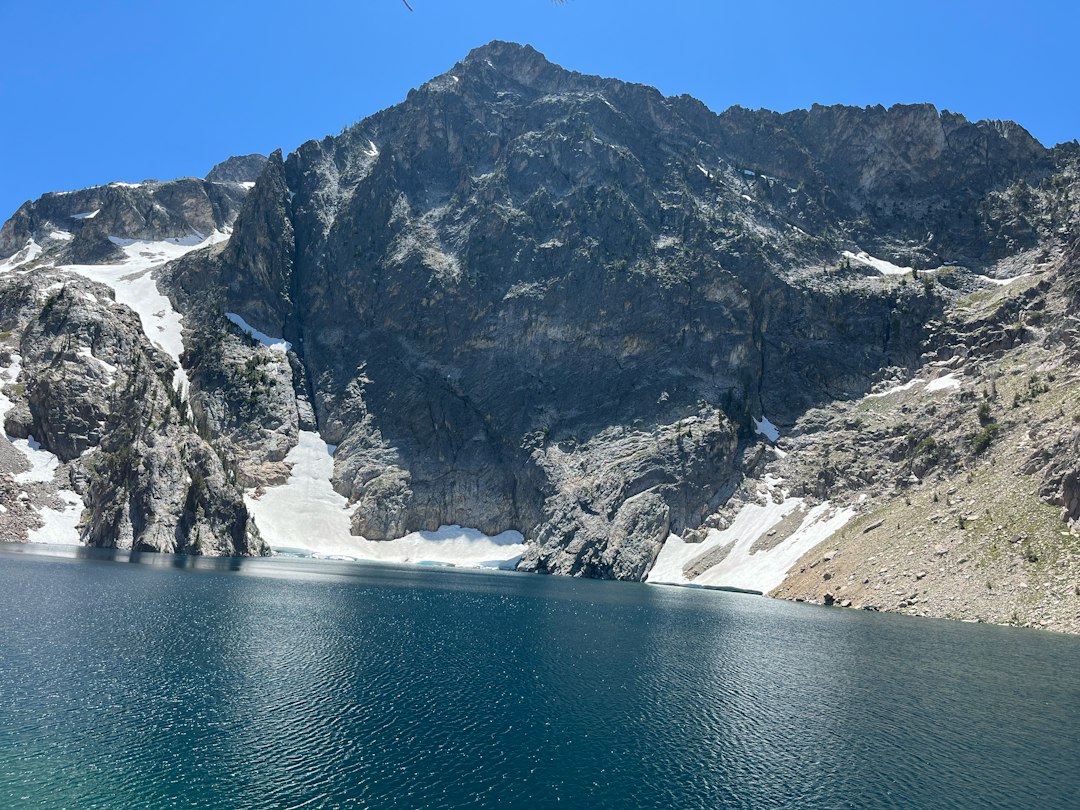
High mountain lakes, shimmering jewels nestled amidst rugged peaks, beckon adventurers with their pristine beauty and tranquil allure. These remote alpine waters offer unparalleled opportunities for exploration, fishing, and quiet contemplation. However, their very remoteness and the harsh alpine environment present a unique set of hazards that demand respect and thorough preparation. Understanding these dangers is paramount for anyone venturing into these breathtaking, yet potentially perilous, landscapes. Ignoring the inherent risks can transform a dream trip into a dangerous ordeal, and in the most tragic of circumstances, a fatal one. The awe-inspiring grandeur of these high-altitude ecosystems should be met with a healthy dose of caution and a commitment to safety.
Understanding the Alpine Environment’s Unique Challenges
The alpine environment is a world apart from the familiar lowlands, and its characteristics directly influence the dangers associated with its high mountain lakes. Altitude itself is a significant factor, affecting both human physiology and environmental conditions. Weather patterns are notoriously unpredictable and can shift with alarming speed, transforming serene conditions into life-threatening situations in a matter of minutes. The remoteness of these locations means that help is often hours, if not days, away, amplifying the consequences of any accident or misjudgment. Furthermore, the very features that make these lakes so appealing – their isolation and natural beauty – can also contribute to the risks.
Altitude Sickness: The Body’s Response to Thin Air
As elevation increases, atmospheric pressure decreases, leading to a lower concentration of oxygen in the air. The human body, accustomed to sea-level oxygen levels, may struggle to adapt, resulting in altitude sickness, also known as Acute Mountain Sickness (AMS). Symptoms can range from mild discomfort to severe and life-threatening conditions like High Altitude Pulmonary Edema (HAPE) and High Altitude Cerebral Edema (HACE).
Recognizing the Early Warning Signs of AMS
Early recognition is crucial in managing altitude sickness. Headaches are a common initial symptom, often described as throbbing and persistent. Nausea and vomiting can also occur, along with dizziness and lightheadedness. Fatigue and general malaise, a feeling of being unwell, are also indicators. Individuals may experience a loss of appetite and difficulty sleeping. It is important to note that these symptoms can be easily dismissed as general fatigue from hiking or exertion, making vigilance essential. Paying attention to subtle changes in how one feels is key.
Gradual Ascent and Acclimatization Strategies
The most effective way to prevent altitude sickness is to ascend gradually and allow the body time to acclimatize. This means spending a night or two at intermediate elevations before continuing to higher altitudes. Hydration plays a vital role; drinking plenty of water helps the body adjust to the thinner air. Avoiding alcohol and caffeine, which can dehydrate the body and exacerbate symptoms, is also recommended. For those undertaking multi-day trips, planning campsites at progressively higher elevations can facilitate a smoother acclimatization process. In some cases, a physician may prescribe medication like Acetazolamide (Diamox) to aid in acclimatization, but this should always be done under medical supervision.
Unpredictable Alpine Weather: From Sunshine to Snow in an Instant
The alpine environment is notorious for its volatile weather. What may begin as a clear, sunny day can quickly devolve into a tempest of wind, rain, or even snow. These rapid shifts are due to the complex interplay of mountainous terrain, elevation, and atmospheric conditions. The lack of moderating influences like large bodies of water means that temperature swings can be extreme.
The Danger of Sudden Storms and Hypothermia
The most immediate and dangerous weather hazard is the sudden onset of storms. Thunderstorms can develop rapidly, bringing lightning strikes, heavy rain, and strong winds. Hypothermia, a dangerous drop in body temperature, is a significant risk, especially if one gets wet. Even on a warm day, if caught in a downpour without adequate protection, body heat can be lost quickly. The combination of wind and rain can accelerate heat loss, leading to shivering, confusion, and eventually, a life-threatening decline in core body temperature.
The Importance of Weather Monitoring and Preparedness
Staying informed about weather forecasts is essential, but in the mountains, forecasts can be unreliable, especially for remote areas. It is imperative to constantly observe the sky and be prepared for unexpected changes. This means carrying appropriate gear, even if the forecast is favorable. Essential items include waterproof and windproof outer layers, warm insulating clothing (layers are key, avoiding cotton), a hat, gloves, and emergency shelter. Carrying a compass and map, and knowing how to use them, is also vital for navigation if visibility is reduced.
High mountain lakes can present a variety of hazards that outdoor enthusiasts should be aware of, including sudden weather changes, altitude sickness, and cold water risks. For more detailed information on these dangers and how to stay safe while enjoying high-altitude environments, you can read the related article on this topic at this link.
Water Hazards in High Mountain Lakes

While the water itself may appear inviting, high mountain lakes present their own unique dangers, often exacerbated by the surrounding environment. The cold temperatures, potential for rapidly changing conditions, and the sheer remoteness all contribute to these risks.
Extreme Cold Water Temperatures: A Constant Threat
Even during the warmest summer months, the water in high mountain lakes remains remarkably cold. These bodies of water are often fed by glacial melt or snowmelt, ensuring a consistently frigid temperature. Immersion in such cold water can lead to rapid incapacitation.
The Perils of Cold Water Immersion and Shock
The primary danger of cold water immersion is cold shock, an involuntary gasp for air followed by hyperventilation. This can lead to drowning if the individual inhales water. Even if the initial shock is survived, the body rapidly loses heat, leading to hypothermia. The cold also affects muscle function, making swimming and self-rescue extremely difficult, if not impossible. The duration of safe immersion is significantly reduced in these frigid waters.
Essential Precautions for Water Interaction
If interacting with the water, whether for fishing, swimming, or crossing, extreme caution is advised. Wetsuits or drysuits are essential for any prolonged water activity. When wading or crossing streams, sturdy footwear with good grip is crucial to prevent slips. If capsizing in a boat or raft, staying with the vessel is generally recommended, as it offers a better chance of rescue and can help with buoyancy. Always wear a properly fitted personal flotation device (PFD) whenever on or near the water.
Unseen Underwater Hazards: Currents, Depths, and Debris
The seemingly placid surface of a mountain lake can mask hidden dangers beneath. What appears as a safe depth can quickly change, and underwater currents, though less common than in rivers, can still pose a threat.
Hidden Dangers Beneath the Surface
Rocks, submerged logs, and other debris can be lurking just below the surface, especially in shallower areas. These can cause injury or damage to watercraft. Strong updrafts or downdrafts can occur near inlets and outlets, and in some cases, subterranean springs can create localized turbulent areas. Sudden changes in depth can catch swimmers off guard, and if they are unable to swim, this can lead to a dangerous situation.
Thorough Reconnaissance and Safe Practices
Before entering the water, it is vital to assess the conditions. Look for signs of currents, submerged objects, and depth changes. If unsure about the depth or safety of a particular area, it is best to avoid it. When swimming, stay in designated areas if available, and never swim alone. If fishing from shore, be mindful of unstable ground and slippery rocks. If using a boat, maintain a safe distance from shorelines and any visible submerged hazards.
Navigation and Getting Lost in Remote Terrain
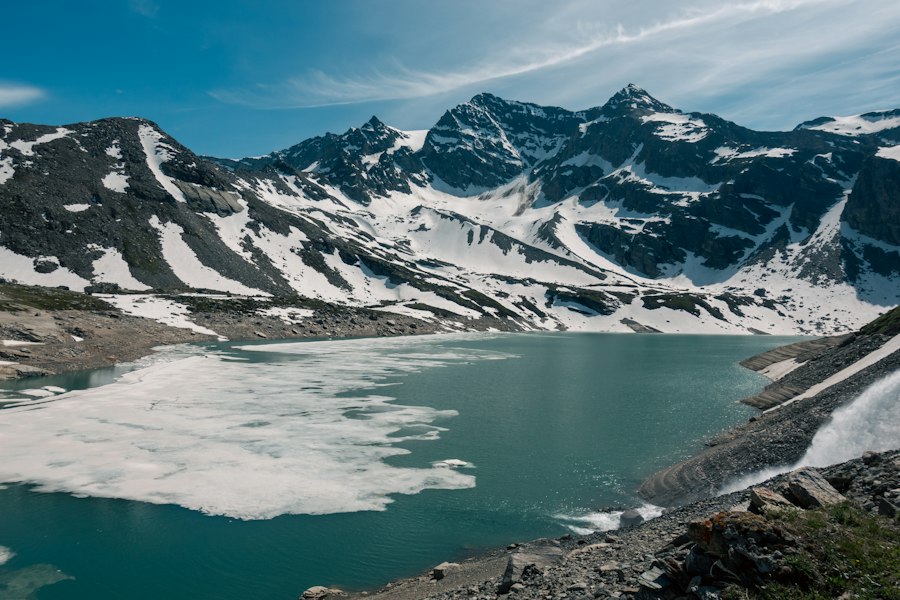
The vastness and sameness of alpine landscapes can be disorienting, making navigation a critical skill. The lack of clear landmarks and the potential for rapidly changing weather can quickly lead to a feeling of being lost.
The Challenge of Mountainous Terrain
High mountain terrain is characterized by steep slopes, rocky outcrops, and dense vegetation in lower elevations, which can obscure trails and landmarks. Valleys can appear similar, and without clear reference points, it is easy to become disoriented. The constant presence of peaks can make it difficult to gauge direction, as the sun’s position can be misleading.
Reliance on Technology vs. Traditional Skills
While GPS devices and smartphone navigation apps are valuable tools, they should not be relied upon exclusively. Batteries can die, devices can malfunction, and reception can be poor or non-existent in remote areas. Traditional navigation skills, such as map reading and compass use, are essential backups and are often more reliable in challenging conditions.
The Importance of Preparedness and Staying Found
Preventing oneself from becoming lost is far easier than being found. This requires a multi-faceted approach to preparation and ongoing awareness.
Essential Navigation Tools and Techniques
Always carry a detailed topographic map of the area and a reliable compass. Learn how to use them before your trip. Mark your intended route on the map and familiarize yourself with key landmarks. Pay attention to your surroundings and note distinctive features as you travel. Regularly check your position on the map and compass, even when you feel you are on track.
Strategies for Staying Oriented
Stick to established trails whenever possible. If venturing off-trail, maintain a clear line of sight to a known point or use a “leapfrogging” technique with a partner, where one person stays put while the other moves a short distance and waits for them to catch up, all while maintaining visual contact. If you suspect you are lost, do not panic. Stop, assess your situation, and consult your map and compass. If you are unable to regain your bearings, consider backtracking to your last known point. It is also advisable to leave your itinerary with someone at home and check in when you return.
Wildlife Encounters and Food Storage
High mountain ecosystems are home to a diverse array of wildlife, some of which can pose a risk to hikers and campers. Proper food storage is paramount to prevent unwanted encounters and maintain the natural behavior of these animals.
Understanding Local Wildlife and Their Behaviors
The specific wildlife encountered will vary depending on the region, but common inhabitants of alpine environments include bears, mountain lions, elk, and smaller mammals like marmots and squirrels. Each species has its own behaviors and potential dangers.
Bears and Other Large Predators
Bears, particularly grizzly bears in some regions, are a significant concern. While generally avoiding human interaction, they can become aggressive if surprised, threatened, or if they associate humans with food. Mountain lions are also present in many alpine areas and, though reclusive, can pose a threat, especially to children or pets.
Smaller Mammals and Disease Transmission
While less dangerous in terms of immediate physical threat, smaller animals like rodents can carry diseases, such as Hantavirus, which can be transmitted through airborne particles from contaminated droppings or urine. Their curiosity can also lead to them scavenging food left unattended.
Best Practices for Food Storage and Deterrence
Proper food storage is not just about preventing theft; it’s about protecting both humans and wildlife. Bears and other scavengers have a keen sense of smell, and enticing them with improperly stored food can lead to dangerous habituation.
Bear-Resistant Containers and Hanging Food
In bear country, using bear-resistant food containers (bear canisters) is highly recommended and often mandatory. These specialized containers are designed to withstand the attempts of bears to open them. If canisters are not available or feasible, food and scented items (toiletries, trash) should be hung from trees at a sufficient height and distance from your campsite. This “bear hang” should be at least 10-12 feet off the ground and 4 feet away from the tree trunk and any branches.
Maintaining a Clean Campsite and Proper Waste Disposal
Keeping a clean campsite is crucial. All food scraps, wrappers, and garbage should be collected and stored securely with your food. Do not leave any scented items unattended, even for short periods. Dispose of all waste properly, ideally by packing it out with you. Never bury food waste, as animals will still be able to smell and dig it up. Understanding and respecting the natural behaviors of wildlife, and taking appropriate precautions, is essential for a safe and enjoyable experience in the high mountains.
High mountain lakes can present a variety of hazards that outdoor enthusiasts should be aware of, including sudden weather changes and altitude sickness. For those looking to learn more about these risks and how to stay safe while enjoying these beautiful locations, a related article can be found at My Geo Quest. Understanding these potential dangers is essential for a safe and enjoyable experience in the great outdoors.
Emergency Preparedness and First Aid
| Hazard Type | Description | Common Causes | Potential Impact | Mitigation Measures |
|---|---|---|---|---|
| Glacial Lake Outburst Flood (GLOF) | Sudden release of water from a glacial lake due to dam failure | Ice or moraine dam failure, heavy rainfall, earthquakes | Flash flooding downstream, property damage, loss of life | Early warning systems, dam reinforcement, controlled drainage |
| Rockfall and Landslides | Falling rocks or landslides into the lake causing waves or sediment influx | Steep slopes, freeze-thaw cycles, seismic activity | Wave surges, water contamination, habitat disruption | Slope stabilization, monitoring, restricted access |
| Avalanches | Snow or ice avalanches entering the lake | Heavy snowfall, rapid temperature changes, unstable snowpack | Water displacement, flooding, injury to visitors | Avalanche forecasting, warning signs, controlled triggering |
| Hypothermia Risk | Exposure to cold water and weather conditions | Low temperatures, sudden immersion in lake water | Health emergencies, fatalities | Proper clothing, education, emergency preparedness |
| Altitude Sickness | Health issues caused by high elevation near mountain lakes | Rapid ascent, low oxygen levels | Headache, nausea, dizziness, severe illness | Acclimatization, hydration, medical support |
Despite meticulous planning and caution, emergencies can still arise in remote alpine environments. Having a well-stocked first-aid kit and knowing how to use it, along with a plan for signaling for help, can be life-saving.
Essential Components of a Wilderness First-Aid Kit
A comprehensive wilderness first-aid kit should be tailored to the duration and remoteness of your trip, as well as the potential hazards you might encounter. It should go beyond the basic supplies found in a home kit.
Addressing Common Injuries and Ailments
Key components include a variety of bandages and dressings for cuts, scrapes, and sprains. Antiseptic wipes or solution for cleaning wounds are essential. Pain relievers and anti-inflammatory medications are important for managing pain and swelling. Blister treatment supplies, such as moleskin and athletic tape, are invaluable for hikers. Medications for allergies, insect stings, and upset stomachs should also be included.
Specialized Gear for Remote Locations
For more remote expeditions, consider including items like a triangular bandage for slings, sterile gauze pads of various sizes, adhesive tape, and wound closure strips. A splinting material, such as SAM splint, can be useful for stabilizing fractures. Tweezers for removing splinters or ticks are also necessary. Personal medications should always be carried in sufficient quantities.
Effective Signaling and Rescue Procedures
When an emergency occurs, the ability to signal for help effectively can be the difference between a minor inconvenience and a critical situation. The remoteness of high mountain lakes often means that self-rescue is not an option, and professional assistance will be required.
Methods for Attracting Attention
In a visible location, bright-colored signaling devices like a signal mirror (which can flash sunlight for miles) or a whistle (three short blasts is a universal distress signal) are highly effective. A personal locator beacon (PLB) or satellite messenger device is an excellent investment for remote travel, allowing you to send an emergency signal with your location to rescue services.
Contacting Emergency Services and Waiting for Help
If you have cell service, call emergency services immediately. If not, and you have a PLB or satellite messenger, activate it. If you are injured and unable to move, stay in a safe location and conserve energy. If you are able to move, try to reach a more visible area to increase your chances of being spotted. Stay calm and visible, and follow the instructions of rescuers once they arrive. Knowing the basic principles of survival and having a well-thought-out emergency plan significantly enhances safety in the majestic, yet unforgiving, realm of high mountain lakes.

Could a Wave Push Lake Sarez Over This Natural Dam?
FAQs
What are some common hazards associated with high mountain lakes?
Common hazards associated with high mountain lakes include rapid weather changes, thin air leading to altitude sickness, cold water temperatures, slippery rocks, and potential wildlife encounters.
How can rapid weather changes pose a hazard at high mountain lakes?
Rapid weather changes at high mountain lakes can lead to sudden storms with lightning, strong winds, and heavy rain or snow, putting hikers and campers at risk of hypothermia, lightning strikes, and getting lost in poor visibility.
Why is altitude sickness a concern at high mountain lakes?
Altitude sickness can be a concern at high mountain lakes due to the reduced oxygen levels at higher elevations, leading to symptoms such as headache, nausea, dizziness, and fatigue, which can affect hikers and campers who are not acclimated to the altitude.
What dangers do cold water temperatures present at high mountain lakes?
Cold water temperatures at high mountain lakes can pose a risk of hypothermia if individuals fall in or spend prolonged periods in the water without proper insulation, potentially leading to a life-threatening situation in remote areas.
How can hikers and campers minimize hazards when visiting high mountain lakes?
To minimize hazards when visiting high mountain lakes, hikers and campers should check weather forecasts, carry appropriate gear for changing conditions, stay hydrated, watch for signs of altitude sickness, avoid slippery rocks, and store food properly to prevent wildlife encounters.