
Water demand in desert regions presents a unique challenge, as these areas are characterized by arid climates and limited natural water resources. The stark contrast between the scarcity of water and the growing population in many desert communities creates a pressing need for effective water management strategies. As urbanization continues to expand into these dry landscapes, the demand for water rises, leading to potential conflicts over this precious resource.
Understanding the dynamics of water demand in deserts is crucial for sustainable development and environmental conservation. In many desert regions, the reliance on groundwater and surface water sources is exacerbated by climate change, which can lead to prolonged droughts and increased evaporation rates. This situation necessitates a comprehensive approach to water management that considers not only the immediate needs of residents but also the long-term sustainability of water supplies.
As temperatures rise and precipitation patterns shift, the challenge of meeting water demand becomes even more complex, requiring innovative solutions and community engagement to ensure that both people and ecosystems can thrive in these harsh environments.
Key Takeaways
- Water demand in the desert is influenced by high temperatures and arid conditions, leading to unique challenges in water management.
- High temperatures in hot environments can significantly increase outdoor water use, putting pressure on water resources.
- Factors such as evaporation, plant transpiration, and increased outdoor activities contribute to the heightened water demand in hot environments.
- Indoor water consumption also rises in response to high temperatures, as people use more water for cooling and hydration.
- Meeting water demand during heatwaves in desert regions poses challenges that require innovative strategies and community engagement.
Understanding the Relationship Between Heat and Water Demand
The relationship between heat and water demand is a critical aspect of understanding how communities adapt to life in desert environments. As temperatures soar, the need for water increases significantly, driven by both human consumption and natural processes. High temperatures lead to greater evaporation rates, which can deplete surface water sources and reduce the availability of water for irrigation and domestic use.
Consequently, residents in these areas often find themselves in a constant struggle to secure enough water to meet their needs. Moreover, heat influences human behavior, prompting individuals to increase their water usage during hotter months. Activities such as gardening, outdoor recreation, and even basic hygiene practices can lead to spikes in water demand.
This heightened consumption not only places additional strain on existing water supplies but also raises concerns about the sustainability of these resources in the face of ongoing climate change. Understanding this intricate relationship is essential for developing effective strategies to manage water demand in desert regions.
Factors Contributing to Increased Water Demand in Hot Environments

Several factors contribute to the increased water demand observed in hot environments, each interlinked with the overarching theme of climate and human activity.
As more people move into these regions, the demand for residential water supply rises sharply.
This influx can strain existing infrastructure, making it challenging for local governments to provide adequate services while managing limited resources. Additionally, agricultural practices play a crucial role in shaping water demand in hot climates. Many desert communities rely heavily on irrigation to support crop production, which can be particularly water-intensive.
The choice of crops, irrigation methods, and farming techniques all influence how much water is consumed. In many cases, traditional farming practices may not be sustainable in the face of rising temperatures and dwindling water supplies, necessitating a reevaluation of agricultural strategies to ensure long-term viability.
Impact of High Temperatures on Outdoor Water Use
| Month | High Temperature (°C) | Outdoor Water Use (liters) |
|---|---|---|
| January | 30 | 500 |
| February | 32 | 600 |
| March | 35 | 700 |
| April | 38 | 800 |
| May | 40 | 900 |
High temperatures have a profound impact on outdoor water use, particularly in desert regions where landscaping and gardening are common practices. As temperatures rise, residents often resort to extensive watering of lawns and gardens to maintain their aesthetic appeal and support plant health. This increased outdoor water use can lead to significant spikes in overall consumption, especially during peak summer months when evaporation rates are at their highest.
Moreover, recreational activities such as swimming pools and outdoor sports also contribute to elevated water demand. In many desert communities, swimming pools are a popular way to cope with the heat, but they require substantial amounts of water for filling and maintenance. As families seek ways to cool off during scorching days, the cumulative effect of these outdoor activities can place immense pressure on local water supplies.
Addressing these challenges requires innovative approaches to landscaping and outdoor recreation that prioritize water efficiency while still allowing residents to enjoy their outdoor spaces.
Influence of Heat on Indoor Water Consumption
While outdoor water use often garners attention during hot weather, indoor water consumption also experiences notable increases due to elevated temperatures. As air conditioning units work overtime to cool homes, they can lead to higher energy demands and increased water usage for cooling systems that rely on evaporative processes. Additionally, residents may find themselves taking more frequent showers or baths to escape the heat, further contributing to indoor water consumption.
The influence of heat on indoor activities extends beyond personal hygiene; it also affects household chores such as laundry and dishwashing. During hotter months, families may opt for more frequent laundry cycles due to increased perspiration or dirt accumulation from outdoor activities. This uptick in indoor water use underscores the need for comprehensive strategies that address both outdoor and indoor consumption patterns in order to effectively manage overall water demand.
Challenges of Meeting Water Demand During Heatwaves
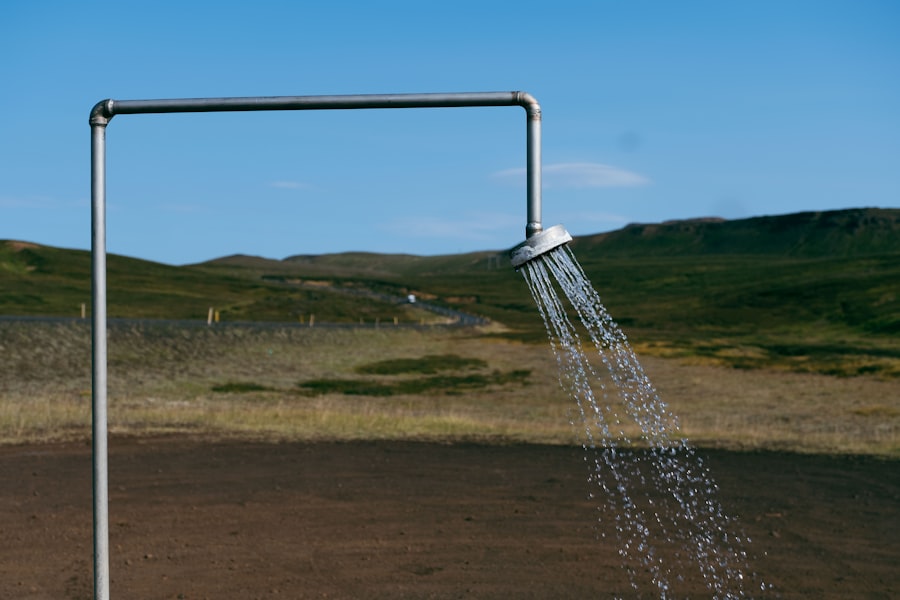
Meeting water demand during heatwaves presents a formidable challenge for many desert communities. The combination of soaring temperatures and increased consumption can quickly deplete available resources, leading to potential shortages and conflicts over water allocation. Local governments often find themselves in a precarious position as they strive to balance the needs of residents with the realities of limited supply.
Furthermore, infrastructure limitations can exacerbate these challenges. Aging pipelines and treatment facilities may struggle to keep up with sudden spikes in demand during extreme heat events, resulting in service disruptions or reduced pressure for consumers. In some cases, communities may be forced to implement emergency measures such as mandatory watering restrictions or tiered pricing structures that penalize excessive use.
These measures can create tension among residents who may feel unfairly targeted or burdened by restrictions during particularly hot periods.
Strategies for Reducing Water Demand in Hot Environments
To address the challenges posed by increased water demand in hot environments, communities must adopt proactive strategies aimed at reducing consumption while promoting sustainability. One effective approach is the implementation of xeriscaping—a landscaping technique that emphasizes drought-resistant plants and efficient irrigation practices. By designing outdoor spaces that require minimal watering, residents can significantly decrease their outdoor water use while still enjoying attractive landscapes.
Additionally, public awareness campaigns play a vital role in encouraging responsible water use among residents. Educational initiatives that highlight the importance of conservation can empower individuals to make informed choices about their consumption habits. Simple actions such as fixing leaks, using efficient appliances, and practicing mindful watering techniques can collectively lead to substantial reductions in overall demand.
By fostering a culture of conservation within communities, residents can work together toward sustainable water management practices.
Importance of Water Conservation in Desert Regions
Water conservation is paramount in desert regions where resources are scarce and demand is high.
In many cases, conservation efforts can help mitigate the impacts of climate change by reducing overall consumption and preserving existing resources.
Moreover, effective conservation practices can enhance community resilience against droughts and other climate-related challenges. By prioritizing sustainable water management strategies, communities can better prepare for fluctuations in supply caused by changing weather patterns or prolonged dry spells. This proactive approach not only safeguards local ecosystems but also supports economic stability by ensuring that agriculture and other industries reliant on water can continue to thrive.
Role of Technology in Managing Water Demand in Hot Environments
Technology plays an increasingly vital role in managing water demand in hot environments, offering innovative solutions that enhance efficiency and sustainability. Smart irrigation systems equipped with sensors can monitor soil moisture levels and weather conditions, allowing homeowners and farmers to optimize their watering schedules based on real-time data. This technology minimizes waste while ensuring that plants receive adequate hydration during critical growth periods.
Additionally, advancements in water recycling and treatment technologies provide opportunities for communities to reclaim wastewater for non-potable uses such as irrigation or industrial processes. By investing in infrastructure that supports these technologies, communities can reduce their reliance on freshwater sources while promoting a circular economy approach to resource management. Embracing technological innovations not only helps address immediate challenges but also paves the way for long-term sustainability in desert regions.
Community Engagement and Education in Addressing Water Demand
Community engagement and education are essential components of addressing water demand challenges in desert regions. By involving residents in discussions about local water issues, communities can foster a sense of ownership over their resources and encourage collective action toward conservation efforts. Workshops, town hall meetings, and collaborative projects can serve as platforms for sharing knowledge and best practices related to sustainable water use.
Educational initiatives targeting schools and youth programs can also instill a culture of conservation from an early age. By teaching children about the importance of water stewardship and providing them with practical skills for reducing consumption at home, communities can cultivate a generation that values sustainability and actively participates in preserving their local environment. Engaging residents through education not only empowers individuals but also strengthens community ties as they work together toward common goals.
Addressing the Impact of Heat on Water Demand in the Desert
Addressing the impact of heat on water demand in desert regions requires a multifaceted approach that encompasses understanding the relationship between climate and consumption patterns, implementing effective conservation strategies, leveraging technology, and fostering community engagement. As temperatures continue to rise due to climate change, the challenges associated with meeting water demand will only intensify. However, by prioritizing sustainable practices and promoting awareness among residents, communities can navigate these challenges more effectively.
Ultimately, the future of water management in desert regions hinges on collaboration among stakeholders—residents, local governments, agricultural producers, and environmental organizations alike must work together toward shared goals of sustainability and resilience. Through collective efforts focused on education, innovation, and responsible resource management, communities can ensure that they not only meet their current needs but also safeguard their precious water supplies for generations to come.
In the arid regions of the world, particularly in desert areas, the demand for water is significantly influenced by rising temperatures. As the heat intensifies, the need for water in both residential and agricultural sectors increases, leading to a strain on already limited water resources. This phenomenon is explored in detail in a related article on MyGeoQuest, which discusses the intricate relationship between heat and water demand in desert environments. For more insights, you can read the full article by visiting this link.
WATCH THIS! ↗️ The Hidden Reason Why America’s Fastest Growing Cities Are Doomed To Fail
FAQs
What is the relationship between heat and water demand in the desert?
In the desert, higher temperatures lead to increased water demand due to evaporation and higher rates of transpiration from plants.
How does heat affect evaporation in the desert?
Higher temperatures in the desert lead to increased evaporation rates, causing water to evaporate more quickly from the soil and bodies of water.
What impact does heat have on plant transpiration in the desert?
In the desert, higher temperatures can lead to increased rates of transpiration in plants, causing them to require more water to survive.
How does heat affect human water consumption in the desert?
In the desert, higher temperatures can lead to increased water consumption by humans as they try to stay hydrated and cool.
What are the implications of heat on water resources in the desert?
Higher temperatures in the desert can put a strain on water resources as demand for water increases due to evaporation, transpiration, and human consumption.