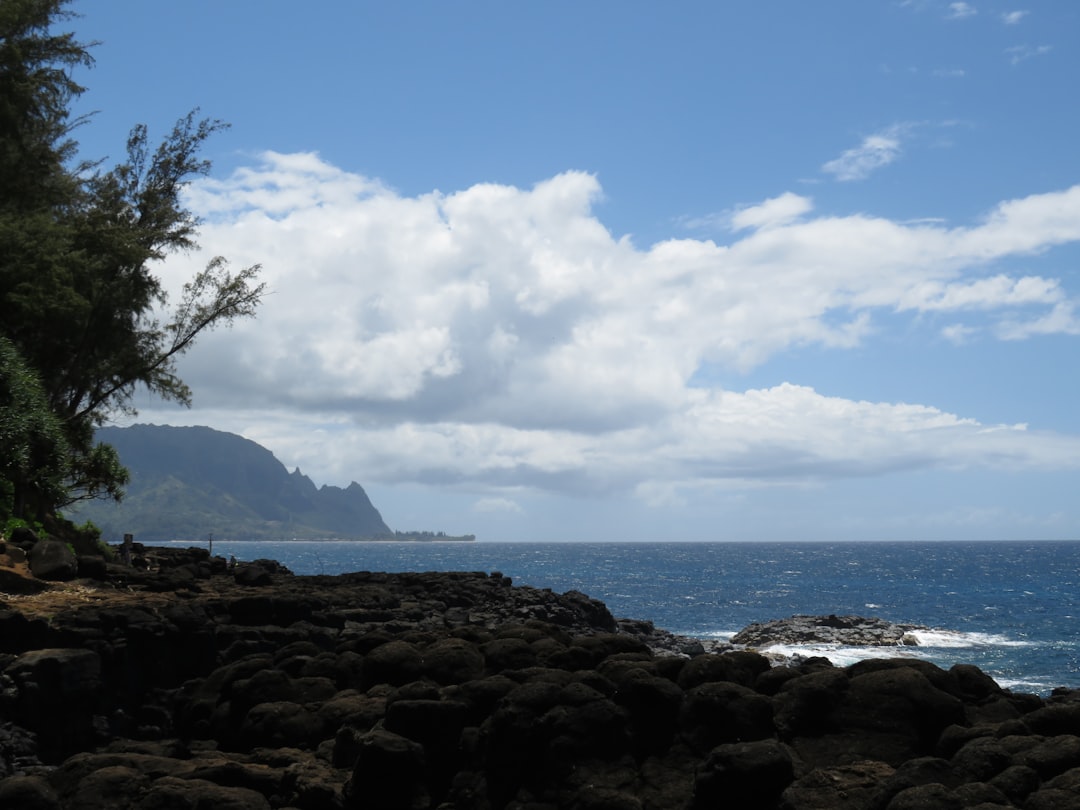
Hawaii, an archipelago nestled in the central Pacific Ocean, holds the distinction of being the southernmost point of the United States. This unique geographical positioning not only sets it apart from the mainland but also imbues it with a rich tapestry of cultural, historical, and ecological significance. The islands, known for their stunning landscapes, vibrant traditions, and diverse ecosystems, serve as a bridge between the United States and the vast expanse of the Pacific.
As the southernmost state, Hawaii embodies a unique blend of American and Polynesian influences, making it a fascinating subject of study for geographers, historians, and ecologists alike. The allure of Hawaii extends beyond its geographical status; it is a place where natural beauty meets cultural depth. The islands are often celebrated for their breathtaking beaches, lush rainforests, and volcanic landscapes.
However, they also represent a complex history of colonization, cultural exchange, and resilience. As one delves deeper into Hawaii’s identity as the southernmost point of the U.S., it becomes evident that this location is not merely a geographical marker but a symbol of the diverse narratives that shape the American experience.
Key Takeaways
- Hawaii is the southernmost point of the US and is made up of a group of islands in the Pacific Ocean.
- The unique geographic location of Hawaii makes it a melting pot of diverse cultures and influences.
- Hawaii’s climate and environment are characterized by tropical rainforests, volcanic landscapes, and stunning beaches.
- The cultural and historical significance of Hawaii is deeply rooted in its indigenous Hawaiian heritage and the impact of colonization.
- Hawaii is home to a rich biodiversity and unique wildlife, with many species found nowhere else in the world.
The Geographic Location of Hawaii
Hawaii is situated approximately 2,400 miles from the mainland United States, making it one of the most isolated archipelagos in the world. Comprising 137 islands, atolls, and reefs, the main eight islands—Hawaii (often referred to as the Big Island), Maui, Oahu, Kauai, Molokai, Lanai, Niihau, and Kahoolawe—are where most of the population resides. The islands are positioned in a way that they stretch across a vast expanse of ocean, with their coordinates placing them at about 21 degrees north latitude and 157 degrees west longitude.
This unique location not only influences Hawaii’s climate but also its biodiversity and cultural interactions. The isolation of Hawaii has played a significant role in shaping its ecological and cultural landscape. The islands are surrounded by the Pacific Ocean, which acts as both a barrier and a conduit for various species and cultures.
This geographical separation has led to the development of unique flora and fauna found nowhere else on Earth. Additionally, Hawaii’s position along major ocean currents has made it a critical point for navigation and trade throughout history, connecting various cultures across the Pacific.
Unique Climate and Environment of Hawaii
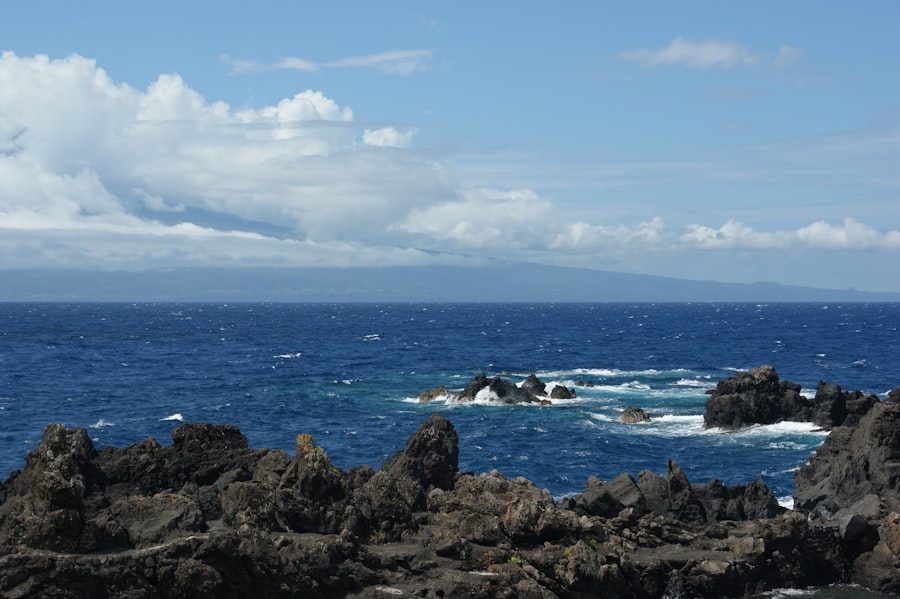
Hawaii’s climate is characterized by its tropical nature, with warm temperatures year-round and distinct wet and dry seasons. The islands experience a range of microclimates due to their varied topography, which includes mountains, valleys, and coastal areas. The trade winds that blow across the islands help to moderate temperatures and bring moisture to the windward sides, resulting in lush vegetation and vibrant ecosystems.
Conversely, the leeward sides tend to be drier and sunnier, creating a stark contrast in landscapes within short distances. The environment of Hawaii is not only defined by its climate but also by its geological features. The islands are volcanic in origin, with several active volcanoes that continue to shape the landscape.
The Big Island is home to Mauna Loa and Kilauea, two of the most active volcanoes in the world. These geological processes contribute to the formation of unique habitats that support an array of plant and animal species. The combination of warm temperatures, abundant rainfall, and diverse topography creates an environment that is both beautiful and ecologically significant.
Hawaii’s Cultural and Historical Significance
| Category | Metrics |
|---|---|
| Population | 1.4 million people |
| Native Hawaiian Population | Approximately 527,000 people |
| Number of Historical Sites | Over 3000 sites listed on the National Register of Historic Places |
| Cultural Festivals | Over 100 annual cultural festivals and events |
| Museums | More than 100 museums and cultural institutions |
Hawaii’s cultural heritage is deeply rooted in its Polynesian ancestry. The first settlers arrived over a thousand years ago, bringing with them rich traditions, languages, and customs that continue to influence Hawaiian culture today. The islands are known for their traditional practices such as hula dancing, lei-making, and luaus, which celebrate community and connection to the land.
These cultural expressions are not merely performances; they are vital components of Hawaiian identity that reflect a deep respect for nature and ancestral heritage. Historically, Hawaii has been a melting pot of cultures due to its strategic location in the Pacific. Following European contact in the late 18th century, waves of immigrants from Asia and other regions arrived in Hawaii, further enriching its cultural landscape.
This complex history has shaped contemporary Hawaiian society, where efforts to preserve native language and traditions are increasingly emphasized as part of a broader movement toward cultural revitalization.
Biodiversity and Wildlife in Hawaii
Hawaii is renowned for its extraordinary biodiversity, boasting an array of species that are endemic to the islands. Approximately 90% of Hawaii’s native plants and animals are found nowhere else on Earth. This remarkable level of endemism is attributed to the islands’ isolation and varied ecosystems ranging from coastal areas to high-altitude forests.
The Hawaiian honeycreeper birds are among the most iconic examples of this unique wildlife; these birds have evolved into numerous species with distinct adaptations suited to their specific habitats. However, Hawaii’s biodiversity faces significant threats from invasive species, habitat loss, and climate change. The introduction of non-native plants and animals has disrupted local ecosystems, leading to declines in native species populations.
Conservation efforts are underway to protect Hawaii’s unique wildlife through habitat restoration projects and public education initiatives aimed at raising awareness about the importance of preserving these fragile ecosystems. The commitment to safeguarding biodiversity reflects a broader understanding of how interconnected human well-being is with environmental health.
The Influence of Hawaiian Culture on the US
Hawaiian culture has made significant contributions to American society in various ways. From music to cuisine, elements of Hawaiian culture have permeated mainstream American life. The popularity of hula dancing and traditional Hawaiian music has inspired countless artists across genres, while dishes such as poke and loco moco have found their way into restaurants nationwide.
This cultural exchange highlights how Hawaii serves as a bridge between different traditions and influences within the United States. Moreover, Hawaiian values such as ‘aloha’ (love) and ‘ohana’ (family) resonate deeply within American culture. These concepts emphasize community connection and mutual respect—principles that have been embraced by many outside Hawaii.
As people increasingly seek meaningful connections in an ever-changing world, Hawaiian culture offers valuable lessons on living harmoniously with others and fostering a sense of belonging.
Hawaii’s Role in US Military and Defense
Hawaii plays a crucial role in U.S. military strategy due to its strategic location in the Pacific region. Pearl Harbor on Oahu serves as one of the most significant naval bases in the United States, providing essential support for military operations across Asia and beyond.
S. forces engaged in various missions worldwide. The military presence in Hawaii has also had profound implications for local communities.
While it provides economic benefits through job creation and infrastructure development, it has also led to challenges such as land use conflicts and cultural tensions. Balancing military needs with community interests remains an ongoing dialogue among residents, policymakers, and military leaders as they navigate the complexities of living in a strategically vital region.
Tourism and Popular Attractions in Hawaii
Tourism is one of Hawaii’s primary economic drivers, attracting millions of visitors each year who come to experience its natural beauty and rich culture. Iconic destinations such as Waikiki Beach on Oahu, Haleakalā National Park on Maui, and the Na Pali Coast on Kauai showcase the islands’ stunning landscapes while offering opportunities for adventure activities like hiking, snorkeling, and surfing. Each island presents its own unique attractions that cater to diverse interests—from luxury resorts to eco-tourism experiences.
The tourism industry not only supports local economies but also fosters cultural exchange between visitors and residents. Many tourists seek authentic experiences that allow them to engage with Hawaiian traditions through luaus, cultural workshops, or guided tours led by local experts. However, this influx of visitors also raises concerns about sustainability and environmental impact as communities strive to balance economic growth with preserving their natural resources.
Challenges and Conservation Efforts in Hawaii
Despite its breathtaking beauty and cultural richness, Hawaii faces numerous challenges related to environmental conservation and sustainability. Issues such as climate change pose significant threats to coastal ecosystems through rising sea levels and increased storm intensity. Additionally, invasive species continue to disrupt native habitats while over-tourism strains local resources and infrastructure.
In response to these challenges, various conservation efforts are underway across the islands aimed at protecting Hawaii’s unique ecosystems. Initiatives include habitat restoration projects focused on reintroducing native plants and animals while controlling invasive species populations. Community engagement plays a vital role in these efforts; local organizations often collaborate with residents to promote awareness about environmental issues while encouraging sustainable practices that benefit both people and nature.
Hawaii’s Economy and Trade Relations
Hawaii’s economy is characterized by its reliance on tourism but also includes agriculture, military spending, and renewable energy initiatives as key sectors contributing to economic stability. Agriculture remains an essential part of life in Hawaii; products such as coffee from Kona or macadamia nuts are not only enjoyed locally but also exported globally. The state’s unique agricultural products reflect its diverse climate while supporting local farmers who strive for sustainability.
Trade relations with other countries further enhance Hawaii’s economic landscape; its strategic location makes it an ideal hub for commerce between Asia-Pacific nations and North America. As global trade dynamics evolve, Hawaii continues to explore opportunities for growth while maintaining its commitment to preserving cultural heritage and environmental integrity.
The Future of Hawaii as the Southernmost Point of the US
Looking ahead, Hawaii’s future as the southernmost point of the United States will be shaped by ongoing efforts to balance economic development with environmental stewardship and cultural preservation. As climate change continues to impact island ecosystems, proactive measures will be essential in safeguarding natural resources for future generations. Additionally, fostering sustainable tourism practices will be crucial in ensuring that visitors can enjoy Hawaii’s beauty without compromising its integrity.
Culturally, there is a growing movement among residents to revitalize native traditions while promoting awareness about Hawaiian history within broader American narratives. This commitment to cultural preservation reflects an understanding that Hawaii’s identity is multifaceted—rooted in both its indigenous heritage and contemporary influences from around the world. As Hawaii navigates these complexities moving forward, it will undoubtedly continue to serve as a vital link between cultures while embodying resilience amid change.
Hawaii is renowned for its stunning landscapes, rich culture, and unique geographical features, one of which is being the southernmost point of the United States. This distinction is held by Ka Lae, also known as South Point, located on the Big Island of Hawaii. The significance of this location is not only geographical but also historical, as it is believed to be one of the first landing sites of Polynesian settlers. For those interested in exploring more about the geographical wonders of the United States, an insightful article can be found on MyGeoQuest. This article delves into various geographical landmarks and their significance, providing a broader understanding of the unique features that define the U.S. landscape. You can read more about it here.
WATCH THIS! 🗺️The 50 Geography Lies You Still Believe About America
FAQs
What is the southernmost point of the United States?
The southernmost point of the United States is located in the state of Hawaii, specifically on the Big Island at Ka Lae, also known as South Point.
Why is Hawaii considered the southernmost point of the US?
Hawaii is considered the southernmost point of the US because of its geographical location. It is situated in the central Pacific Ocean, making it the southernmost state in the country.
How far south is Hawaii compared to the rest of the US?
Hawaii is located approximately 2,400 miles southwest of California, making it significantly further south than the rest of the US mainland.
What is the significance of Hawaii being the southernmost point of the US?
Hawaii’s status as the southernmost point of the US is significant in terms of its unique geographical position and its role as a popular tourist destination. It also contributes to the diverse range of climates and ecosystems found within the United States.