Groundwater stands as an often-unseen linchpin in the global endeavor of ensuring food security. Tapping into the vast reservoirs beneath the Earth’s surface, humanity has cultivated crops, raised livestock, and sustained livelihoods for millennia. Yet, as populations swell and climatic patterns shift, the critical role of groundwater in feeding the world is becoming increasingly precarious and undeniably vital. This vital resource, though abundant in some regions, faces unprecedented pressure from overuse, pollution, and the overarching challenges of climate change, demanding a concerted and informed approach to its management and preservation. Its reliable availability, its influence on soil moisture, and its capacity to buffer against surface water scarcity position groundwater as an indispensable element in the complex equation of feeding a growing planet.
Groundwater, the water held underground in the soil pore spaces and in the fractures of rock formations, represents a significant portion of the Earth’s fresh water. Unlike surface water sources like rivers and lakes that are often subject to dramatic seasonal fluctuations and visible depletion, groundwater is a more stable, albeit finite, resource. Its presence is largely dictated by geological formations, rainfall infiltration over long periods, and the intricate network of aquifers that store and transmit this precious liquid. The sheer volume of accessible groundwater resources worldwide is staggering, often outpacing the readily available surface water in many arid and semi-arid regions. This hidden abundance has historically allowed for the development of agriculture in areas that would otherwise be incapable of supporting crops, transforming barren landscapes into breadbaskets and ensuring consistent food production even in the face of surface water variability.
What are Aquifers and How Do They Function?
Aquifers are geological formations that can store and transmit groundwater. They consist of permeable or semi-permeable rock or sediment layers, such as gravel, sand, sandstone, or fractured limestone. The water table, the upper level of an aquifer, can vary in depth. When the water table is close to the surface, groundwater is more readily accessible for plant roots and can even emerge as springs. The recharge of aquifers primarily occurs through the infiltration of precipitation that percolates down through the soil and rock layers. Rivers and lakes can also contribute to aquifer recharge, especially in areas where the surface water body is in direct contact with the aquifer. The rate of recharge varies greatly depending on the geology, climate, and land use of a region. Understanding these dynamics is crucial for sustainable groundwater management.
The Interplay Between Groundwater and Surface Water
While often considered distinct, groundwater and surface water systems are intimately linked. Aquifers can be connected to rivers, lakes, and wetlands, with water flowing between them depending on the relative water levels. In many cases, rivers are sustained by groundwater discharge, particularly during dry seasons when surface flows dwindle. This “baseflow” is critical for maintaining aquatic ecosystems and ensuring water availability for downstream users. Conversely, excessive groundwater pumping can lower the water table to the point where it intercepts the root zone of riparian vegetation, leading to its decline and impacting the associated ecosystems. Conversely, if an aquifer is severely depleted, it can lead to the drying up of rivers and lakes that are fed by that aquifer, creating a cascade of negative effects on water availability and food production. This interconnectedness highlights the need for integrated water resource management that considers both surface and groundwater as part of a single hydrological system.
Groundwater’s Role in Diverse Agro-climatic Zones
The importance of groundwater in food security is not uniform across the globe. In arid and semi-arid regions, where rainfall is scarce and unreliable, groundwater often forms the backbone of agricultural production. It provides the essential irrigation water that allows for the cultivation of staple crops, fruits, and vegetables, thereby sustaining local populations and contributing to national food supplies. Even in regions with more abundant rainfall, groundwater can play a crucial role as a buffer against drought. During periods of insufficient surface water, or when rainfall patterns become erratic due to climate change, groundwater can be tapped to maintain irrigation, preventing crop failure and ensuring a steady supply of food. This resilience offered by groundwater makes it an indispensable tool for adapting to the impacts of climate change on agriculture.
Groundwater plays a crucial role in ensuring food security, particularly in regions where surface water resources are limited. A related article that delves into the intricate relationship between groundwater management and agricultural productivity can be found at this link: Groundwater and Food Security. This article explores various strategies for sustainable groundwater use and highlights the importance of protecting this vital resource to support global food systems.
The Backbone of Irrigation: Groundwater’s Impact on Crop Production
Globally, a significant proportion of irrigated agriculture relies on groundwater. This reliance is particularly pronounced in regions where surface water infrastructure is limited or where the demand for water outstrips the available surface supply. The accessibility and relative reliability of groundwater have enabled farmers to expand the cultivated area, intensify production, and grow a wider variety of crops, thereby contributing significantly to national and global food baskets. Without groundwater, many of these fertile agricultural lands would remain unproductive, drastically impacting food availability and affordability.
Groundwater-Fed Irrigation Systems: Efficiency and Challenges
The most direct contribution of groundwater to food security is through irrigation. Farmers utilize wells, boreholes, and abstraction pumps to draw water from aquifers and deliver it to their fields. Various irrigation techniques exist, ranging from traditional flood irrigation to more modern and efficient methods like drip and sprinkler systems. While groundwater-fed irrigation has undoubtedly contributed to increased yields and expanded agricultural frontiers, it is not without its challenges. Over-extraction can lead to a decline in water tables, increased pumping costs, and even land subsidence. Furthermore, the energy required to pump groundwater can be substantial, representing a significant operational cost for farmers, particularly in regions where electricity is expensive or unreliable.
The Economic Imperative: Groundwater and Farmer Livelihoods
For countless farmers, groundwater represents their most valuable asset, directly linking their ability to cultivate crops and earn a livelihood to the availability of this resource. The economic implications of groundwater depletion are profound. Reduced water availability can lead to crop failures, decreased yields, and ultimately, a decline in farm income. This can force farmers to abandon their land, migrate to urban areas in search of work, and contribute to rural poverty. Conversely, sustainable groundwater management practices that ensure consistent water availability can bolster farmer livelihoods, stimulate rural economies, and foster greater food security at the household and community levels. Policies that support efficient irrigation technologies and promote responsible groundwater use are therefore crucial for safeguarding these vital economies.
Crop Diversification and Enhanced Yields Through Groundwater
The consistent and reliable supply of water from groundwater sources enables farmers to diversify their crop production beyond rain-fed staples. This diversification can lead to more nutritious diets for local populations and open up new market opportunities for farmers. Furthermore, groundwater allows for the cultivation of higher-value crops that require consistent irrigation, increasing farmers’ profitability and contributing to economic growth. The ability to precisely control water application through irrigation also allows for optimized plant growth, leading to increased yields for a given land area. This efficiency in land use is increasingly important as the demand for food grows and arable land becomes more limited.
The Threat of Depletion and Contamination: A Growing Crisis
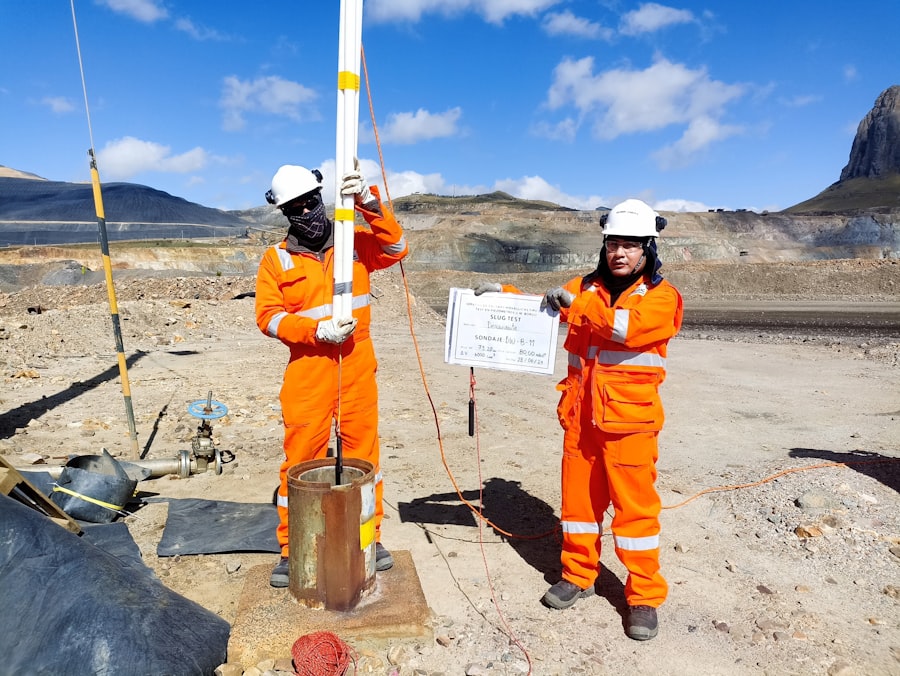
Despite its critical importance, groundwater is facing unprecedented threats from both over-extraction and contamination. The relentless demand for water, driven by population growth, expanding agriculture, and industrial development, is leading to the unsustainable drawdown of aquifers in many parts of the world. Simultaneously, agricultural runoff, industrial discharge, and inadequate wastewater management are introducing pollutants into groundwater systems, compromising its quality and rendering it unfit for consumption and irrigation. These twin challenges pose a significant risk to long-term food security.
Over-Extraction and Declining Water Tables: A Global Concern
The concept of “water mining,” where groundwater is extracted at a rate faster than it can be replenished, is a reality in many regions. This unsustainable practice leads to declining water tables, which in turn necessitates deeper and more powerful pumps, increasing energy costs and further straining farmer finances. In some areas, falling water tables have even led to land subsidence, causing damage to infrastructure and significantly reducing the aquifer’s storage capacity. The consequences extend beyond individual farms, impacting entire communities and regions by jeopardizing their water security and the agricultural activities that sustain them. Addressing over-extraction requires a multi-faceted approach, including the implementation of water use regulations, promotion of water-efficient technologies, and the exploration of alternative water sources.
The Peril of Contamination: Pollutants in Our Water Supply
Groundwater contamination is a silent and insidious threat to food security. Agricultural chemicals, such as fertilizers and pesticides, can leach into aquifers, posing risks to human health and the environment. Industrial waste, including heavy metals and chemical solvents, can also pollute groundwater. Inadequate sanitation and the discharge of untreated sewage can introduce pathogens and nitrates into groundwater sources, contaminating drinking water and irrigation water. The cleanup of contaminated groundwater is often extremely difficult and expensive, and in many cases, irreversible. Preventive measures, such as best management practices in agriculture and industry, and robust wastewater treatment, are therefore paramount in protecting this vital resource.
Climate Change: Amplifying Groundwater Stress
Climate change is exacerbating the existing pressures on groundwater resources. Altered precipitation patterns, characterized by more frequent and intense droughts and floods, directly impact aquifer recharge. Reduced rainfall in some areas leads to less infiltration, while increased demand for water during prolonged dry spells further depletes reserves. Conversely, intense rainfall events, while seemingly replenishing, can lead to rapid runoff, with less water infiltrating into the ground. Changes in temperature also influence evaporation rates, further stressing water resources. The unpredictability of future climate scenarios makes proactive and adaptive groundwater management strategies absolutely essential for ensuring long-term food security.
Sustainable Groundwater Management: Securing the Future of Food

The challenges facing groundwater necessitate a paradigm shift towards sustainable management practices. This involves a combination of policy interventions, technological advancements, and community engagement to ensure that groundwater resources are used wisely and equitably, not only for present needs but also for future generations. Recognizing groundwater as a finite and shared resource is the first step towards responsible stewardship.
Integrated Water Resource Management (IWRM): A Holistic Approach
Integrated Water Resource Management (IWRM) is a process that promotes the coordinated development and management of water, land, and related resources to maximize economic and social welfare without compromising the sustainability of vital ecosystems. In the context of groundwater, IWRM emphasizes understanding the interconnectedness of surface water and groundwater, considering all water users, and developing comprehensive strategies that address both supply and demand. This approach recognizes that effective groundwater management cannot be isolated but must be part of a broader water governance framework.
Water-Use Efficiency: Doing More with Less
Improving water-use efficiency in agriculture is paramount for sustainable groundwater management. This can be achieved through the adoption of water-saving irrigation technologies such as drip irrigation and micro-sprinklers, which deliver water directly to the plant roots, minimizing evaporation and runoff. Other measures include precision agriculture techniques that use sensors and data to optimize water application based on crop needs, and the cultivation of drought-resistant crop varieties. Furthermore, promoting water-wise practices in other sectors, such as industrial processes and domestic use, can significantly reduce the overall demand for water, thereby alleviating pressure on groundwater resources.
Monitoring and Governance: Essential Pillars of Sustainability
Robust monitoring systems are crucial for understanding the status of groundwater resources, identifying areas of concern, and informing management decisions. This includes regular measurement of water levels, water quality testing, and the tracking of abstraction rates. Effective governance structures, which include clear regulations, enforcement mechanisms, and participatory decision-making processes, are also essential. These governance frameworks should ensure equitable access to groundwater, prevent over-extraction, and protect water quality. Empowering local communities and groundwater user associations to participate in management decisions can foster a sense of ownership and responsibility, leading to more sustainable outcomes.
Exploring Alternative Water Sources: Diversifying the Portfolio
While groundwater is vital, relying solely on it is unsustainable in many regions. Diversifying water sources is a critical component of ensuring long-term water security and, by extension, food security. This can involve investing in rainwater harvesting infrastructure, promoting water reuse and recycling from municipal and industrial sources (after appropriate treatment), and exploring desalination technologies in coastal areas. By reducing the dependence on groundwater, these alternative sources can help to alleviate the pressure on aquifers, allowing them to replenish and be preserved for future use.
Groundwater plays a crucial role in ensuring food security, especially in regions where surface water is scarce. The sustainable management of groundwater resources is essential for agricultural productivity and resilience against climate change. For a deeper understanding of how groundwater affects food systems, you can explore a related article that discusses this vital connection in detail. Check it out here to learn more about the implications of groundwater on global food security.
Innovation and Technology: Tools for a Water-Secure Future
| Metrics | Groundwater and Food Security |
|---|---|
| Groundwater Depletion | Impact on crop irrigation and food production |
| Groundwater Recharge | Importance for sustaining agricultural activities |
| Water Quality | Impact on food safety and human health |
| Groundwater Management | Role in ensuring long-term food security |
Technological advancements and innovative approaches are playing an increasingly crucial role in addressing the challenges facing groundwater and ensuring its continued contribution to food security. From smart irrigation systems to advanced groundwater modeling, these tools offer promising solutions for more efficient, sustainable, and equitable water management. Embracing and adapting these innovations will be key to navigating the complexities of a water-scarce future.
Smart Irrigation and Precision Agriculture
The advent of smart irrigation systems, coupled with precision agriculture techniques, represents a significant leap forward in water management for agriculture. These technologies utilize a range of sensors (soil moisture, weather stations, plant physiological sensors) and data analytics to provide real-time information about crop water needs. This allows farmers to apply irrigation water precisely when and where it is needed, in the optimal amounts. Such an approach drastically reduces water wastage compared to traditional irrigation methods and can lead to significant improvements in crop yields and quality. Mobile applications and remote sensing technologies further enhance the accessibility and application of these advanced agricultural practices.
Groundwater Modeling and Forecasting
Understanding the complex dynamics of groundwater systems is essential for effective management. Advanced groundwater modeling software allows scientists and water managers to simulate aquifer behavior under various scenarios, such as different pumping rates, recharge conditions, and climate change impacts. These models can help predict future water levels, assess the potential consequences of management decisions, and identify areas vulnerable to depletion or contamination. Such predictive capabilities are invaluable for proactive planning and for developing resilient water management strategies that safeguard food security in the face of uncertainty.
Desalination and Water Reuse Technologies
In regions facing severe water scarcity, desalination and advanced water reuse technologies offer crucial supplemental water sources. Desalination plants convert saltwater into fresh water, providing a reliable supply for agriculture, particularly in coastal arid and semi-arid areas. While energy-intensive and costly, ongoing technological advancements are making desalination more efficient and affordable. Water reuse technologies, which treat wastewater to a high standard for agricultural or even potable use, represent another vital avenue for augmenting water supplies and reducing the strain on freshwater sources, including groundwater.
Remote Sensing and Information Systems
Remote sensing technologies, utilizing satellites and aerial imagery, provide valuable data for monitoring land use, agricultural practices, and the extent of vegetation cover, which are all indirectly linked to groundwater recharge and demand. These technologies, coupled with Geographic Information Systems (GIS), can create comprehensive spatial databases that aid in water resource assessment, planning, and management. This integrated approach allows for a more holistic understanding of the landscape and its water dynamics, enabling more informed and effective decision-making for sustainable groundwater utilization.
The Road Ahead: Collective Action for Groundwater and Food Security
Ensuring that groundwater remains a reliable source for food production requires a concerted and sustained effort from governments, researchers, agricultural communities, and civil society. The challenges are significant, but the potential rewards—a secure and resilient food system for generations to come—are even greater. Proactive management, informed by science and driven by a shared commitment to sustainability, is the only viable path forward.
Policy and Regulatory Frameworks: Guiding Sustainable Use
Effective policy and regulatory frameworks are the bedrock of sustainable groundwater management. This includes establishing clear water rights, implementing abstraction well permits, setting pumping limits in critical areas, and enforcing regulations to prevent groundwater contamination. Governments must also invest in water resource monitoring infrastructure and support research and development in water management technologies. Furthermore, policies that incentivize water conservation and the adoption of efficient irrigation practices are crucial. International cooperation and knowledge sharing are also vital, especially for transboundary aquifers.
Education and Capacity Building: Empowering Stakeholders
Educating farmers, water managers, and the general public about the importance of groundwater, its vulnerabilities, and best management practices is critical. Capacity-building programs can equip stakeholders with the knowledge and skills needed to implement sustainable practices, operate water-efficient technologies, and participate effectively in water governance. Empowering local communities to take ownership of their water resources fosters a sense of responsibility and encourages collective action towards sustainable use. Public awareness campaigns can also help to foster a culture of water conservation.
Investment in Research and Development: Driving Innovation
Continued investment in research and development is essential for advancing our understanding of groundwater systems, developing innovative water management technologies, and finding new solutions to emerging challenges. This includes research into novel irrigation techniques, improved water treatment processes, more accurate groundwater modeling, and climate change adaptation strategies specifically for water resources. Collaboration between research institutions, government agencies, and the private sector can accelerate the translation of research findings into practical applications on the ground.
International Cooperation and Knowledge Sharing: A Global Imperative
Groundwater resources often transcend national borders, making international cooperation essential for their sustainable management. Transboundary aquifers require collaborative agreements and shared strategies to ensure equitable use and prevent conflict. Sharing best practices, technological innovations, and scientific knowledge across countries can accelerate progress and help developing nations overcome their water management challenges. Global platforms for dialogue and cooperation are crucial for addressing the interconnected nature of water security and food security on a planetary scale.
In conclusion, groundwater is not merely a source of water; it is a fundamental pillar of global food security. Its unseen abundance has sustained agriculture and livelihoods for centuries, but its future is increasingly dependent on our ability to manage it sustainably. By embracing integrated management, promoting water-use efficiency, fostering innovation, and ensuring strong governance, we can secure this vital resource for the benefit of present and future generations, ensuring that the world’s ever-growing population has access to the food it needs to thrive. The silent reservoir demands our attention, our respect, and our proactive stewardship.

The Water Beneath America’s Breadbasket
FAQs
What is groundwater?
Groundwater is the water found beneath the Earth’s surface in the cracks and spaces between rocks and soil particles. It is stored in aquifers and is a vital source of water for drinking, irrigation, and industrial use.
How does groundwater contribute to food security?
Groundwater is essential for agriculture as it is used for irrigation to grow crops. It provides a reliable and consistent water supply, especially during dry periods, which helps ensure food production and security.
What are the challenges related to groundwater and food security?
Over-extraction of groundwater for irrigation can lead to depletion of aquifers, which can impact food production. Contamination of groundwater from agricultural chemicals and pollutants can also pose a threat to food security.
How can groundwater be managed to enhance food security?
Sustainable management practices such as water conservation, efficient irrigation techniques, and monitoring of groundwater levels can help ensure the long-term availability of groundwater for food production.
What are the global implications of groundwater depletion on food security?
Groundwater depletion can have far-reaching consequences, impacting not only local food production but also global food supply and prices. It is important for countries to work together to address the sustainable use of groundwater for food security.