Greenland and Africa, two regions that could not be more different in terms of geography, culture, and history, offer a fascinating study in contrasts. Greenland, the world’s largest island, is known for its vast ice sheets and rugged terrain, while Africa, the second-largest continent, is celebrated for its rich biodiversity and cultural heritage. Despite their differences, both regions share a unique place in the global landscape, each contributing to the world’s ecological and cultural tapestry in distinct ways.
Understanding these two areas requires a deep dive into their geographic features, populations, climates, resources, economies, and more. The juxtaposition of Greenland and Africa serves as a reminder of the diversity that exists within our planet. While Greenland is often perceived as a remote and icy landmass, Africa is frequently viewed through the lens of its vibrant cultures and complex histories.
This article aims to explore the multifaceted dimensions of both regions, shedding light on their similarities and differences. By examining various aspects such as geographic size, population density, climate, natural resources, and cultural diversity, one can gain a clearer understanding of what makes each region unique.
Key Takeaways
- Greenland is the world’s largest island, located in the North Atlantic Ocean, while Africa is the second largest continent on Earth, covering over 30 million square kilometers.
- Africa has a population of over 1.2 billion people, while Greenland has a population of only around 56,000, making it one of the least densely populated regions in the world.
- Greenland has a polar climate with ice caps covering about 80% of its surface, while Africa has a diverse range of climates, including deserts, savannas, and rainforests, and is home to a wide variety of plant and animal species.
- Greenland is rich in natural resources such as fish, hydropower, and minerals like zinc and gold, while Africa is known for its abundant reserves of oil, natural gas, and minerals like gold, diamonds, and copper.
- Despite its small population and harsh climate, Greenland has a high standard of living due to its strong economy, while Africa faces challenges related to poverty, infrastructure, and political instability, but also has vast potential for economic growth and development.
Geographic Size Comparison
When comparing the geographic sizes of Greenland and Africa, the stark contrast becomes immediately apparent. Greenland boasts an area of approximately 2.166 million square kilometers, making it the largest island in the world. However, this figure pales in comparison to Africa’s vast expanse of about 30.37 million square kilometers.
In fact, Africa is so large that it could fit the entirety of Greenland into its borders more than fourteen times. This significant difference in size highlights not only the physical dimensions of these regions but also their geographical diversity. Africa’s immense landmass encompasses a wide range of ecosystems, from arid deserts like the Sahara to lush rainforests in the Congo Basin.
In contrast, Greenland’s geography is dominated by ice and tundra, with only a small percentage of its land suitable for habitation or agriculture. The sheer scale of Africa allows for a multitude of climates and habitats that support an incredible variety of flora and fauna. This geographic diversity plays a crucial role in shaping the cultures and lifestyles of the people who inhabit these regions.
Population Comparison
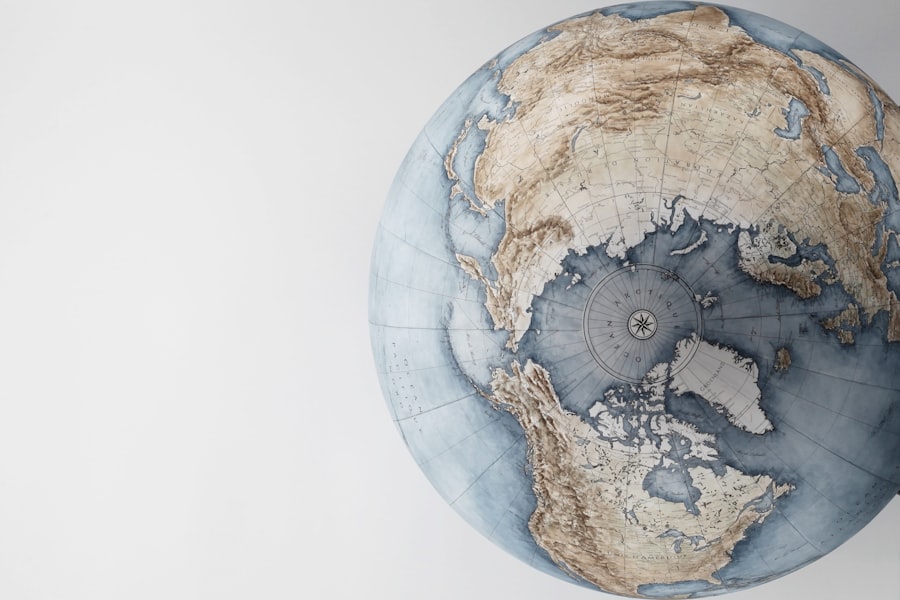
The population dynamics of Greenland and Africa present another striking contrast. Greenland has a relatively small population of around 56,000 people, primarily concentrated along its western coast. The majority of its inhabitants are Inuit, who have adapted to the harsh Arctic environment over thousands of years.
The sparse population density reflects the challenges posed by Greenland’s extreme climate and rugged terrain, which limit agricultural possibilities and urban development. In stark contrast, Africa is home to over 1.3 billion people, making it one of the most populous continents in the world. The population is incredibly diverse, comprising thousands of ethnic groups and languages.
Major urban centers like Lagos, Cairo, and Nairobi are bustling metropolises that showcase the continent’s rapid urbanization and economic growth. This demographic richness contributes to a vibrant cultural landscape that is constantly evolving, driven by migration patterns, economic opportunities, and social changes.
Climate and Environment
| Category | Metric | Value |
|---|---|---|
| Carbon Emissions | CO2 emissions | 36.44 billion tons |
| Temperature | Global average temperature | 1.2°C above pre-industrial levels |
| Sea Level | Rise in sea level | 3.3 millimeters per year |
| Biodiversity | Species extinction rate | 1,000 times higher than natural rate |
The climates of Greenland and Africa are as varied as their geographic sizes and populations. Greenland experiences an Arctic climate characterized by long, harsh winters and short summers. The island is largely covered by ice sheets that can be several kilometers thick in some areas.
This extreme environment poses significant challenges for both human habitation and wildlife survival. The melting ice due to climate change has raised concerns about rising sea levels and its impact on global weather patterns. Conversely, Africa’s climate ranges from tropical in the central regions to arid in the northern deserts.
The continent experiences diverse weather patterns influenced by monsoons, trade winds, and ocean currents. This climatic variety allows for rich ecosystems that support an array of wildlife, from elephants in savannas to gorillas in rainforests. However, Africa also faces environmental challenges such as deforestation, desertification, and climate change impacts that threaten its biodiversity and agricultural productivity.
Natural Resources
Both Greenland and Africa are endowed with natural resources that play significant roles in their economies and development trajectories. Greenland is rich in minerals such as rare earth elements, zinc, lead, and iron ore. The potential for oil and gas exploration has also garnered international interest as global energy demands continue to rise.
However, the extraction of these resources poses environmental risks and raises questions about sustainable development in such a fragile ecosystem. Africa’s wealth in natural resources is even more pronounced. The continent is abundant in minerals like gold, diamonds, copper, and cobalt, which are crucial for global industries.
Additionally, Africa possesses vast reserves of oil and natural gas that have attracted foreign investment but also led to geopolitical tensions. The challenge for many African nations lies in managing these resources sustainably while ensuring that they benefit local populations rather than exacerbating inequality or conflict.
Economy and Development
The economic landscapes of Greenland and Africa reflect their unique contexts and challenges. Greenland’s economy is primarily driven by fishing, hunting, and tourism, with a growing focus on mining as interest in its natural resources increases. The island relies heavily on subsidies from Denmark to support its public services and infrastructure development.
As climate change opens up new opportunities for resource extraction, there are ongoing debates about balancing economic growth with environmental protection. In contrast, Africa’s economy is diverse yet unevenly developed across its many nations. While some countries like Nigeria and South Africa boast significant industrial sectors and growing middle classes, others struggle with poverty and underdevelopment.
Agriculture remains a vital part of many African economies; however, reliance on subsistence farming can hinder economic progress. The continent’s potential for growth lies in harnessing its natural resources responsibly while investing in education, infrastructure, and technology to foster sustainable development.
Cultural and Ethnic Diversity
Cultural diversity is one of the most striking features when comparing Greenland and Africa.
The Inuit people’s connection to the land is reflected in their art, music, storytelling, and subsistence practices.
While Greenland has seen some influence from Danish culture due to colonial history, it remains committed to preserving its indigenous heritage. Africa’s cultural tapestry is incredibly rich and complex due to its multitude of ethnic groups—over 3,000 distinct groups exist across the continent. Each group has its own languages, customs, art forms, and belief systems that contribute to a vibrant cultural landscape.
Festivals celebrating music, dance, art, and traditional practices are commonplace throughout Africa. This cultural richness not only enhances social cohesion but also attracts tourism and fosters international interest in African heritage.
Political and Governance Structures
The political landscapes of Greenland and Africa differ significantly due to their historical contexts and governance structures. Greenland operates as an autonomous territory within the Kingdom of Denmark, with its own parliament responsible for local affairs such as education and health care. However, Denmark retains control over foreign policy and defense matters.
This arrangement allows Greenlanders to exercise self-governance while benefiting from Danish support. Africa’s political landscape is far more complex due to its history of colonialism and ongoing struggles for democracy. The continent comprises 54 recognized sovereign states with varying degrees of political stability and governance structures.
Some nations have made strides toward democratic governance while others grapple with authoritarian regimes or civil conflicts. The challenge for many African countries lies in building effective institutions that promote transparency, accountability, and citizen participation.
Infrastructure and Accessibility
Infrastructure development plays a crucial role in connecting communities within both Greenland and Africa; however, the challenges faced by each region are markedly different. In Greenland, the harsh Arctic environment limits transportation options significantly. Most towns are accessible only by boat or air due to the absence of extensive road networks.
This isolation can hinder economic development but also fosters strong community ties among residents. Africa’s infrastructure challenges are more varied due to its size and diversity. While some urban areas boast modern transportation systems such as railways and highways, rural regions often lack basic infrastructure like roads or reliable electricity supply.
This disparity can impede economic growth and access to essential services such as healthcare or education. However, there are ongoing efforts across many African nations to improve infrastructure through investments from both domestic governments and international partners.
Challenges and Opportunities
Both Greenland and Africa face unique challenges that require innovative solutions for sustainable development. In Greenland, climate change poses an existential threat as melting ice alters ecosystems and impacts traditional ways of life for indigenous communities. Balancing resource extraction with environmental conservation remains a pressing concern as global interest in Greenland’s natural resources grows.
Africa’s challenges are multifaceted; they include poverty alleviation, political instability, health crises such as HIV/AIDS or malaria outbreaks, and climate change impacts like droughts or floods affecting agriculture. However, these challenges also present opportunities for growth through investment in renewable energy sources or technology-driven solutions that can enhance productivity across various sectors.
Understanding the Real Size Comparison
In conclusion, comparing Greenland and Africa reveals profound differences shaped by geography, culture, population dynamics, climate conditions, natural resources availability—and much more—while also highlighting shared challenges that require thoughtful approaches toward sustainable development strategies tailored to each region’s unique context. Understanding these complexities fosters greater appreciation for our planet’s diversity while encouraging collaborative efforts aimed at addressing pressing global issues such as climate change or resource management—issues that transcend borders yet impact communities worldwide regardless of size or location.
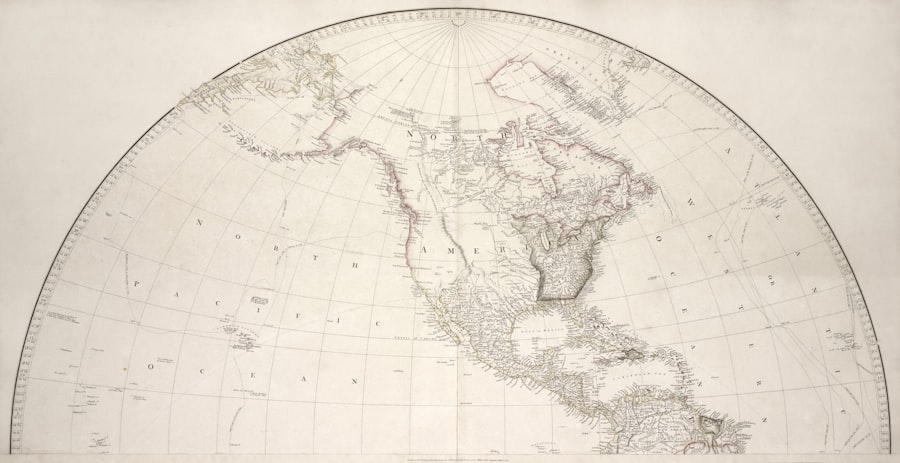
When examining the true size of Greenland compared to Africa, it’s fascinating to note how map projections can distort our perception of geographical areas. The Mercator projection, commonly used in many maps, significantly enlarges regions near the poles, making Greenland appear much larger than it actually is relative to Africa. In reality, Africa’s landmass is about 14 times larger than Greenland’s. For a deeper dive into how map projections affect our understanding of geography, you can explore this insightful article on the topic: The Real Size of Countries: Understanding Map Projections. This resource provides a comprehensive look at how different projections can alter our perception of the world map.
WATCH THIS! 🗺️The 50 Geography Lies You Still Believe About America
FAQs
What is the real size of Greenland compared to Africa?
The real size of Greenland is approximately 2.166 million square kilometers, while Africa is approximately 30.37 million square kilometers, making Africa about 14 times larger than Greenland.
Why does Greenland appear larger on some maps than it actually is?
Greenland appears larger on some maps due to the distortion caused by the Mercator projection, which exaggerates the size of landmasses the further they are from the equator. This distortion can make Greenland appear larger than it actually is in comparison to other landmasses.
What is the accurate representation of the size of Greenland and Africa?
The most accurate representation of the size of Greenland and Africa can be seen on equal-area maps, such as the Gall-Peters projection, which accurately depicts the relative sizes of landmasses without distortion.
Why is it important to understand the real size of landmasses?
Understanding the real size of landmasses is important for gaining a true perspective of the world and avoiding misconceptions about the relative sizes of different regions. It also helps in accurately representing and understanding global issues such as climate change, resource distribution, and geopolitical dynamics.