
In the realm of construction, concrete stands as a ubiquitous material, its strength and versatility underpinning our urban landscapes. Central to concrete’s composition is sand, typically sourced from riverbeds. However, the relentless demand for river sand has led to severe environmental consequences, including river erosion, ecosystem disruption, and water table depletion. Recognizing these issues, the construction industry is increasingly exploring green alternatives – materials that can replace river sand without compromising structural integrity or increasing environmental burden. This article delves into several promising eco-friendly substitutes, examining their properties, applications, and the pathways for their broader adoption.
The Earth’s rivers, once abundant sources of readily available sand, are being depleted at an alarming rate. Imagine rivers as the circulatory system of our planet; excessive sand extraction is akin to them slowly being drained. This depletion has far-reaching consequences beyond mere supply chain issues.
Environmental Degradation Due to River Sand Mining
River sand mining directly contributes to the degradation of riparian ecosystems. The removal of sand alters the natural flow dynamics of rivers, leading to increased bank erosion and instability. This erosion, in turn, can undermine essential infrastructure such as bridges and pipelines. Furthermore, the disruption of riverbeds destroys critical habitats for aquatic flora and fauna, leading to a decline in biodiversity.
Socio-Economic Impacts of Sand Scarcity
Beyond the environmental toll, sand scarcity also presents significant socio-economic challenges. Communities reliant on healthy river ecosystems for livelihood, such as fishing and agriculture, face economic hardship. The rising cost of river sand due to its scarcity also translates into higher construction costs, potentially impacting housing affordability and infrastructure development. The global demand for sand, driven by rapid urbanization and infrastructure projects, is projected to continue its upward trajectory, making the search for viable alternatives not merely an option, but an urgent necessity.
In the quest for sustainable construction materials, many researchers are exploring alternatives to natural river sand, which is becoming increasingly scarce due to over-extraction. A related article discusses various innovative solutions, including the use of recycled materials and industrial by-products, that can effectively replace river sand while minimizing environmental impact. For more insights on this topic, you can read the full article here: Sustainable Alternatives to Natural River Sand.
Manufactured Sand (M-Sand): A Crushed Stone Solution
One of the most widely adopted and promising alternatives to natural river sand is manufactured sand, often abbreviated as M-sand. This material is produced by crushing hard rocks, such as granite or basalt, into fine aggregates.
Production Process and Quality Control
The production of M-sand involves several stages. Initially, large rocks are blasted and transported to crushers. These primary crushers reduce the rock to smaller pieces, which are then fed into secondary and tertiary crushers for further reduction. A crucial step in M-sand production is the use of Vertical Shaft Impact (VSI) crushers. These crushers produce aggregates with a cubical or sub-cubical shape, which is essential for good workability and strength in concrete. The final stage involves screening and washing to remove fine dust particles and ensure a consistent gradation, mimicking the particle size distribution of natural river sand.
Advantages of M-Sand Over River Sand
M-sand offers several distinct advantages over its natural counterpart. Environmentally, its use directly reduces the reliance on river systems, mitigating the environmental damage associated with mining. Economically, M-sand can often be produced closer to construction sites, reducing transportation costs and carbon emissions. From a technical standpoint, M-sand often exhibits superior particle shape and grading, leading to improved strength, durability, and workability in concrete mixes. Its angular shape provides better interlocking with cement paste, analogous to bricks in a wall, leading to a stronger matrix.
Recycled Concrete Aggregate (RCA) Sand: A Circular Economy Approach
Recycled concrete aggregate (RCA) sand represents a key component of the circular economy in construction. This material is derived from demolished concrete structures, diverting waste from landfills and transforming it into a valuable resource.
Sourcing and Processing of RCA Sand
The process begins with the demolition of concrete structures, such as buildings, bridges, and pavements. The resulting rubble is then transported to reprocessing facilities. Here, larger pieces are crushed, and steel reinforcement is removed using magnetic separators. Further crushing and screening operations separate the aggregates into various sizes, including fine aggregates that can serve as a substitute for natural sand. Washing may also be employed to remove contaminants and fine dust, ensuring the quality of the recycled sand.
Performance Characteristics in Concrete
Numerous studies have investigated the performance of RCA sand in concrete. While the properties of RCA sand can vary depending on the original concrete mix and the recycling process, it generally exhibits good strength and durability. However, it is important to note that RCA sand may have a higher absorption capacity than natural sand due to the presence of adherent mortar. This characteristic requires careful consideration during concrete mix design to ensure proper water-cement ratios and workability. With appropriate mix design adjustments, RCA sand can contribute to concrete with comparable performance to that made with virgin aggregates, all while significantly reducing a project’s environmental footprint. Its rougher surface can also provide better bond with the cement paste, similar to how velcro grips more effectively than a smooth surface.
Industrial Waste Materials: Unlocking Hidden Resources
Beyond manufactured aggregates and recycled concrete, a plethora of industrial waste materials present exciting opportunities as sustainable sand alternatives. These materials, often byproducts of industrial processes, can be transformed from liabilities into valuable resources.
Fly Ash: A Byproduct of Coal Combustion
Fly ash, a finely divided powder, is a byproduct of coal combustion in thermal power plants. Traditionally considered a waste product, its pozzolanic properties make it an excellent supplementary cementitious material, and its finer fractions can also partially replace sand.
Benefits as a Sand Substitute
When incorporated into concrete as a partial sand replacement, fly ash can improve workability, reduce heat of hydration, and enhance long-term strength and durability. Its spherical particles act as microscopic ball bearings, reducing friction in concrete mixes and improving flow. However, the exact percentage of fly ash that can replace sand depends on the type of fly ash and the desired concrete properties.
Ground Granulated Blast-Furnace Slag (GGBS): Steel Industry’s Contribution
GGBS is a granular material produced by quenching molten blast-furnace slag (a byproduct of iron manufacturing) in water or steam, followed by grinding. Like fly ash, it exhibits pozzolanic and cementitious properties.
Enhancing Concrete Properties with GGBS
The use of GGBS as a partial replacement for sand, in conjunction with its primary role as a cementitious material, can contribute to significant improvements in concrete. It enhances resistance to chemical attack, reduces permeability, and improves the overall durability of concrete structures, extending their lifespan like a protective shield. The fine particle size of GGBS also contributes to a denser, more refined pore structure within the cement matrix.
Copper Slag: A Foundry Byproduct
Copper slag is a granulated byproduct generated during copper extraction. Its physical and chemical properties make it a viable, albeit less widely adopted, alternative to natural sand.
Challenges and Opportunities in Utilization
While copper slag offers good strength and abrasive resistance, its higher density compared to natural sand or M-sand necessitates careful mix design adjustments to avoid segregation in concrete. Its utilization also hinges on addressing potential environmental concerns related to leachate, though proper processing and encasement within the concrete matrix generally mitigate these risks.
As the demand for construction materials continues to rise, the search for sustainable alternatives to natural river sand has become increasingly important. One insightful article discusses various eco-friendly options that can help mitigate the environmental impact of sand extraction. You can read more about these innovative solutions in the article on sustainable alternatives to natural river sand at MyGeoQuest, which highlights the benefits of using materials like crushed stone, recycled concrete, and industrial by-products.
Niche and Emerging Alternatives: Expanding the Sustainable Palette
| Alternative Material | Source | Environmental Impact | Typical Applications | Advantages | Challenges |
|---|---|---|---|---|---|
| Manufactured Sand (M-Sand) | Crushed rock or quarry dust | Lower riverbed degradation; quarrying impacts | Concrete, mortar, plaster | Consistent quality; reduces river sand mining | Requires proper processing to avoid dust and particle shape issues |
| Recycled Construction and Demolition Waste | Processed debris from demolished structures | Reduces landfill waste; lowers natural resource extraction | Concrete aggregates, road base | Promotes circular economy; cost-effective | Variable quality; contamination risk |
| Crushed Glass Sand | Recycled glass bottles and containers | Diverts glass from landfills; reduces mining | Concrete, decorative applications | High strength; aesthetic appeal | Potential alkali-silica reaction; requires treatment |
| Bottom Ash from Coal Power Plants | Residue from coal combustion | Utilizes industrial waste; reduces natural sand use | Concrete, road construction | Good pozzolanic properties; cost-saving | Heavy metal content; requires careful handling |
| Crushed Granite Sand | Quarry waste from granite processing | Reduces quarry waste; less river sand mining | Concrete, asphalt | High durability; good particle shape | Limited availability; energy intensive processing |
| Sea Sand (after desalination) | Marine sand deposits | Reduces river sand extraction; potential marine ecosystem impact | Concrete (with treatment) | Abundant resource | Requires desalination to remove salts; corrosion risk |
The search for sustainable alternatives continues to push the boundaries, encompassing less conventional materials with specific applications or those still in the early stages of research and development.
Glass Cullet: Recycled Glass as Aggregate
Waste glass, known as glass cullet, can be crushed and sized to replace fine aggregates in concrete. This offers a compelling solution for diverting significant quantities of waste from landfills.
Considerations for Glass Cullet Application
While glass cullet provides excellent aesthetic appeal, particularly in architectural concrete, its use as a fine aggregate requires careful attention to the alkali-silica reaction (ASR). ASR can lead to expansion and cracking within concrete over time. However, advancements in concrete mix design, including the use of supplementary cementitious materials and specific types of glass, are helping to mitigate this risk. Properly processed and sized, it can be a shimmering, sustainable addition.
Rice Husk Ash (RHA): Agricultural Waste to Construction Material
Rice husk ash (RHA) is a highly pozzolanic material derived from the controlled combustion of rice husks, an agricultural waste product. Its high silica content and ultra-fine particle size make it a potent material for enhancing concrete properties.
High Performance with RHA Fines
As a partial replacement for sand, particularly its finer fractions, RHA can significantly improve the strength, impermeability, and durability of concrete. Its extremely fine particles act as nucleation sites for hydration products, leading to a denser and more refined microstructure, much like a meticulous weaver creating a tight fabric. However, the variability in RHA properties depending on the burning conditions and the need for efficient collection and processing are factors that influence its widespread adoption.
Overcoming Barriers to Adoption and Paving the Way Forward
Despite the clear advantages and promising potential of these green alternatives, their widespread adoption faces several hurdles. Understanding these challenges is the first step towards overcoming them.
Regulatory and Standardisation Gaps
One significant barrier is the lack of comprehensive regulatory frameworks and standardized specifications for many alternative materials. Engineers and contractors often prefer working with established materials with clear guidelines and performance data. The process of certifying new materials can be lengthy and expensive, hindering innovation.
Economic Viability and Supply Chain Development
While some alternatives may offer cost savings in the long run, initial capital investment for processing facilities or unfamiliarity with new supply chains can be deterrents. The availability and consistency of supply for certain waste materials can also be a challenge, particularly in regions where industrial processes are less concentrated. A robust and reliable supply chain is like the logistical backbone of any successful industry.
Education, Awareness, and Research
There is a critical need for increased education and awareness within the construction industry, from engineers and architects to contractors and project managers. Disseminating research findings, showcasing successful case studies, and providing training on the proper use and design considerations for alternative materials are essential. Continued research into novel materials, optimized processing techniques, and long-term performance data will further bolster confidence and accelerate adoption. Collaborations between academia, industry, and government bodies are crucial to drive this progress.
The transition from river sand to sustainable alternatives is not merely an environmental imperative but an economic and social one. Just as a diverse portfolio offers resilience, a diversified approach to construction materials builds a more sustainable future. By embracing manufactured sand, recycled aggregates, and industrial byproducts, and by fostering innovation in emerging materials, the construction industry can build a future that is not only strong and durable but also environmentally responsible and resource-efficient. The journey may be multifaceted, but the destination—a truly sustainable built environment—is unequivocally worth the effort.
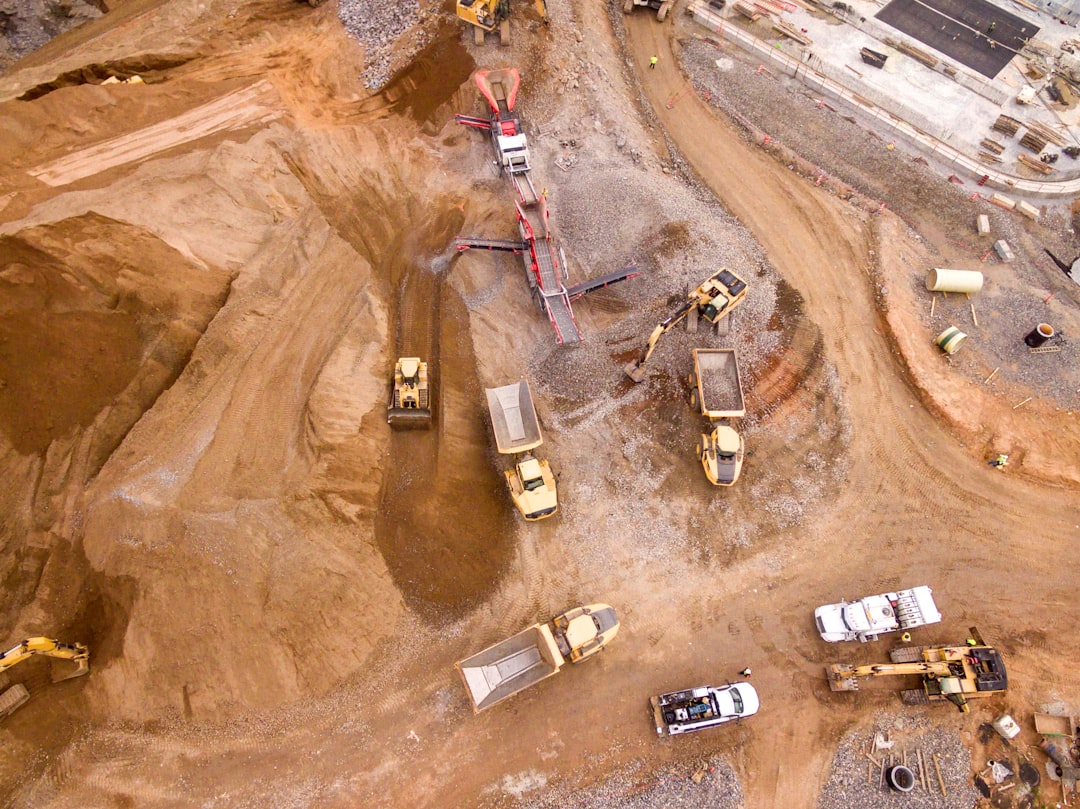
WATCH NOW ▶️ WARNING: Why the World is Running Out of Sand (And You Never Noticed)
FAQs
What are sustainable alternatives to natural river sand?
Sustainable alternatives to natural river sand include manufactured sand (M-sand), crushed rock sand, recycled construction and demolition waste, quarry dust, and industrial by-products like slag and fly ash. These materials help reduce the environmental impact of sand mining from rivers.
Why is it important to find alternatives to natural river sand?
Excessive mining of natural river sand leads to environmental degradation such as riverbank erosion, loss of aquatic habitats, groundwater depletion, and increased pollution. Using sustainable alternatives helps conserve natural resources and protect ecosystems.
How does manufactured sand (M-sand) compare to natural river sand?
Manufactured sand is produced by crushing hard rocks and is graded to meet construction standards. It has a more consistent particle size and shape compared to natural river sand, often resulting in better strength and durability in concrete and mortar.
Are recycled materials safe and effective as sand substitutes?
Yes, recycled construction and demolition waste can be processed and graded to serve as a safe and effective substitute for natural sand. Proper treatment and quality control ensure that these materials meet construction requirements and do not compromise structural integrity.
What are the environmental benefits of using sustainable sand alternatives?
Using sustainable sand alternatives reduces the demand for river sand mining, thereby preserving river ecosystems and biodiversity. It also minimizes land degradation, lowers carbon emissions associated with sand extraction and transportation, and promotes waste recycling in construction.