
The Gobi Desert’s relentless creep across northern China presents a complex and multifaceted economic challenge. Far from a static, impassable wasteland, the Gobi is a dynamic environment undergoing significant expansion. This desertification, driven by a confluence of climatic shifts and human activities, exerts a tangible and often detrimental impact on China’s economic landscape, particularly in the agrarian and pastoral regions bordering its encroaching edge. The economic consequences manifest across various sectors, from agriculture and resource extraction to infrastructure development and the well-being of rural communities.
The expansion of the Gobi Desert poses a substantial threat to China’s agricultural productivity, a cornerstone of its domestic economy and a critical element of global food security. As arid conditions intensify and fertile lands are encroached upon, the economic viability of traditional farming practices diminishes, leading to a cascade of negative effects.
Declining Crop Yields and Arable Land Reduction
The most direct economic repercussion of desertification is the significant reduction in arable land and the subsequent decline in crop yields. Areas previously supporting a range of crops are becoming increasingly saline and infertile, requiring greater investment in irrigation and soil amendment, often with diminishing returns. This directly impacts the income of farmers, reduces the overall output of the agricultural sector, and can lead to crop failures, particularly during periods of drought. The economic loss extends beyond individual farm households to regional and national food supply chains. The cost of producing food in these increasingly marginal areas rises, potentially influencing food prices for consumers.
Increased Water Scarcity and Irrigation Costs
Desert expansion exacerbates existing water scarcity issues in many parts of northern China. As natural rainfall patterns shift and evaporation rates increase, the demand for irrigation water intensifies. The economic cost associated with accessing and utilizing water for agriculture rises dramatically. This includes the energy expenditure for pumping groundwater, the construction and maintenance of irrigation infrastructure, and the potential for inter-regional competition over dwindling water resources. In some instances, the economic burden of irrigation may render certain agricultural ventures unsustainable, forcing farmers to abandon their land.
Livestock Production Challenges and Pasture Degradation
Pastoral communities, intrinsically linked to the economic landscape of the Gobi’s periphery, face severe challenges. The degradation of pastures due to desertification directly impacts the carrying capacity of the land for livestock. Reduced grazing areas lead to thinner, less productive animals, lower wool and meat yields, and an increased risk of livestock mortality, particularly during harsh winters or prolonged droughts. This translates into diminished income for herders and can destabilize traditional nomadic or semi-nomadic economies. The economic value derived from livestock, a significant livelihood in these regions, is steadily eroded.
Crop Diversification and Adaptation Costs
In an attempt to adapt, farmers may explore crop diversification, opting for more drought-resistant or salt-tolerant varieties. While this can offer a partial solution, the transition often incurs significant upfront costs for seed acquisition, specialized farming techniques, and potentially new equipment. The economic risk associated with adopting untested or less established crops can be substantial, and the success of these adaptations is not guaranteed. This represents an economic hurdle for farmers already operating on tight margins.
The expansion of the Gobi Desert has significant economic implications for China, particularly in terms of agriculture, water resources, and urban development. A related article that delves into the environmental challenges and economic strategies in response to this phenomenon can be found at MyGeoQuest. This resource provides insights into how the desertification process affects local economies and the measures being taken to mitigate its impact.
Resource Extraction and Infrastructure Strain
The Gobi Desert and its surrounding regions are not devoid of valuable resources. However, the expanding desert environment complicates and often increases the cost of their extraction, while simultaneously placing a strain on existing infrastructure.
Increased Costs of Mining Operations
The Gobi is known for its rich mineral deposits, including coal, iron ore, and rare earth elements. As the desert encroaches, mining operations face increased logistical challenges and higher operational costs. Dust storms, a common feature of desert environments, can disrupt mining activities, damage equipment, and pose health risks to workers, necessitating additional protective measures and downtime. The cost of transporting personnel and materials to remote mining sites can also escalate due to the harsh terrain and frequent dust events.
Challenges in Developing and Maintaining Infrastructure
The expansion of the Gobi poses significant challenges for the development and maintenance of vital infrastructure. Roads, railways, and pipelines that traverse or border the desert are vulnerable to sand encroachment and erosion. The constant need for clearing and repairs to maintain functionality represents a significant ongoing economic burden for government and private entities responsible for infrastructure management. Building new infrastructure in or across the expanding desert requires more robust designs and materials, leading to higher capital investment.
Impact on Energy Exploration and Production
While the Gobi contains potential for renewable energy sources like solar and wind, the physical challenges of constructing and maintaining such facilities in a desert environment are considerable. The economic feasibility of these projects can be affected by the need for specialized construction techniques, robust infrastructure for power transmission, and ongoing maintenance to mitigate the effects of sand and dust on equipment. Extracting fossil fuels from areas adjacent to the desert also faces similar logistical and environmental hurdles.
Potential for New Resource Discoveries Underneath Sand Cover
Conversely, the shifting sands of the Gobi can also uncover previously inaccessible mineral deposits. This presents potential economic opportunities for resource exploration and extraction. However, the cost and complexity of surveying and accessing these newly revealed resources are likely to be substantial, requiring advanced technologies and careful environmental stewardship to avoid further ecological damage.
Economic Impact on Rural Communities and Migration
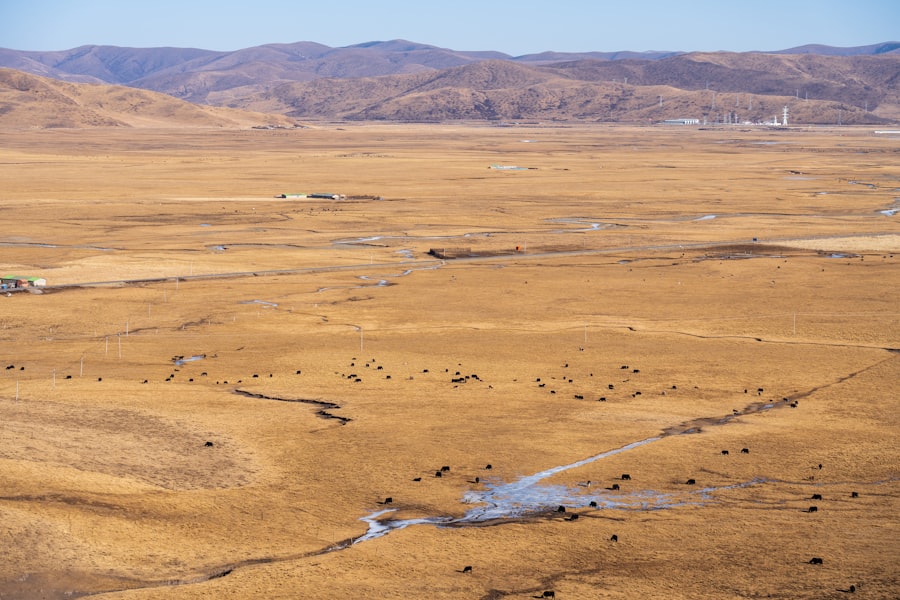
The economic pressures exerted by desertification have profound social and demographic consequences, driving migration and reshaping the economic fabric of rural China.
Displacement of Rural Populations and Loss of Livelihoods
As agricultural lands become unproductive and pastures degrade, rural communities on the Gobi’s fringe face a dwindling economic base. This often leads to the displacement of populations who are forced to seek alternative livelihoods in urban centers or other regions. The loss of traditional livelihoods, such as farming and herding, represents a significant economic and cultural disruption for these communities. The economic value of their ancestral lands and traditional practices is diminished or eradicated.
Increased Rural-to-Urban Migration and Urban Strain
The economic hardship in desertified areas fuels a growing rural-to-urban migration. While this can provide a labor force for burgeoning urban industries, it also places a strain on urban infrastructure, public services, and housing markets. The economic integration of these migrants into urban economies can be challenging, potentially leading to underemployment or the concentration of poverty in urban peripheries. The economic benefits of rural out-migration are often unevenly distributed, with significant costs borne by the receiving urban areas.
Development of “Ghost Towns” and Abandoned Infrastructure
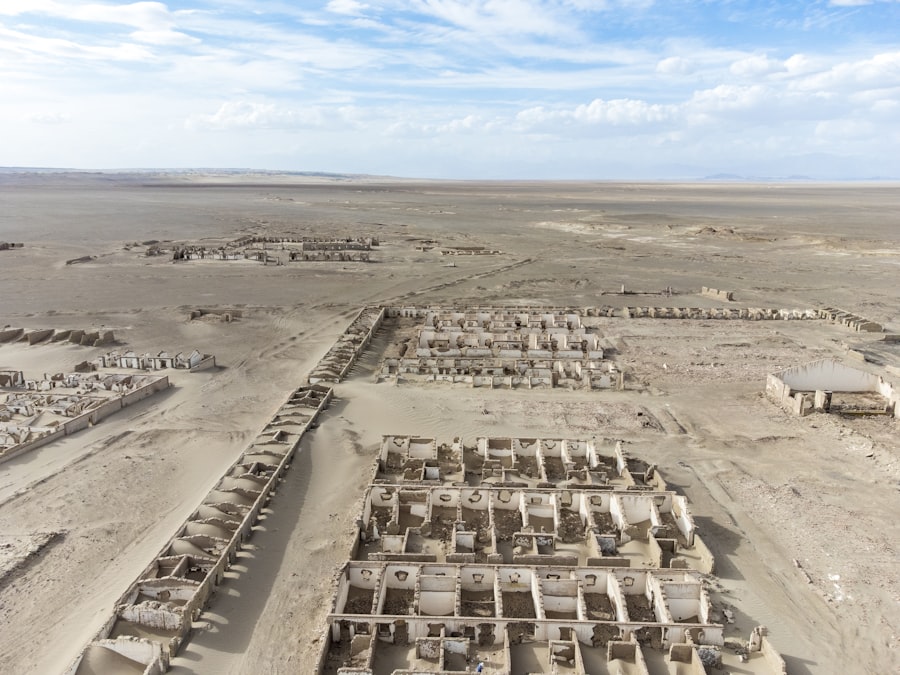
In severe cases of desertification, entire villages and towns can become economically unviable, leading to abandonment. This results in “ghost towns,” where valuable infrastructure lies idle and unused, representing a sunk economic cost and a reminder of failed development efforts. The economic value of these abandoned properties is negligible, and they can become environmental liabilities.
Social and Economic Disparities
The economic impacts of desertification often exacerbate existing social and economic disparities. Vulnerable populations, including the elderly, women, and ethnic minorities, may have fewer resources and opportunities to adapt to the changing economic landscape, leading to greater impoverishment. The economic resilience of these communities is severely tested.
Government Investment and Mitigation Strategies
Recognizing the severe economic implications, the Chinese government has invested significantly in combating desertification and mitigating its economic consequences. These efforts, while substantial, face ongoing challenges in terms of effectiveness and long-term sustainability.
Afforestation and Reforestation Programs
Large-scale afforestation and reforestation programs, such as the “Great Green Wall” initiative, aim to reclaim degraded land and halt desert expansion. The economic impact of these programs is multifaceted. They create employment opportunities in planting, maintenance, and related industries. However, the long-term success of these trees in arid and semi-arid conditions is variable, and the economic return on investment in terms of agricultural productivity or ecological restoration can take decades to materialize.
Water Management and Conservation Projects
Investments in water management technologies, such as efficient irrigation systems, rainwater harvesting, and water transfer projects, are crucial. These initiatives aim to alleviate water scarcity and support agricultural activities. The economic justification for these projects lies in preserving agricultural output and supporting rural economies. However, the capital costs are substantial, and their effectiveness depends on sustained investment and proper management.
Sustainable Land Management Practices
Promoting sustainable land management practices, including rotational grazing, soil conservation techniques, and drought-resistant crop cultivation, is an economic imperative. These practices aim to improve the long-term economic viability of land use in fragile environments. The economic challenge lies in incentivizing farmers and herders to adopt these practices, often requiring education, financial assistance, and a shift in traditional behaviors.
Economic Diversification and Alternative Livelihoods
Government initiatives often focus on diversifying rural economies to reduce reliance on agriculture and animal husbandry. This includes promoting eco-tourism, rural crafts, and small-scale industrial development. The economic success of these initiatives depends on market demand, infrastructure development, and the availability of skilled labor. They represent an effort to create new economic opportunities that are more resilient to desertification.
Research and Development in Desertification Control
Significant investment is directed towards research and development in areas such as drought-resistant crops, improved soil science, and advanced desertification monitoring technologies. The economic impact of R&D is indirect, aiming to develop more effective and cost-efficient solutions for combating desertification, thereby reducing future economic losses.
The expansion of the Gobi Desert has significant economic implications for China, affecting agriculture, water resources, and urban development. As the desert encroaches on arable land, farmers are facing increasing challenges, leading to a decline in crop yields and threatening food security. This situation is further exacerbated by climate change, which intensifies desertification processes. For a deeper understanding of these issues and their broader impacts, you can read a related article that explores the economic consequences of desert expansion in detail. To learn more, visit this article.
Broader Economic Implications and Future Outlook
| Metrics | Data |
|---|---|
| Reduction in agricultural productivity | Loss of arable land and decreased crop yields |
| Impact on livestock farming | Decreased grazing areas and loss of livestock |
| Increased desertification-related costs | Investment in desert control and land restoration |
| Impact on local economies | Loss of livelihoods and migration of populations |
| Government spending on mitigation | Allocated funds for desert control and environmental protection |
The economic impact of Gobi Desert expansion extends beyond the immediate regions affected, influencing national policy, international trade, and the long-term trajectory of economic development in China.
National Food Security and Trade Balances
The persistent threat to agricultural productivity in northern China has direct implications for national food security. Should domestic production decline significantly, China might become more reliant on food imports, impacting trade balances and potentially increasing vulnerability to global food price fluctuations. The economic calculus of food self-sufficiency is influenced by the challenges posed by desertification.
Regional Economic Disparities and Development Policies
The differential impact of desertification creates and potentially widens regional economic disparities within China. Regions experiencing severe desertification may lag behind more fertile areas in terms of economic development, requiring targeted government policies and investment to address these imbalances. The economic dynamism of the nation is affected by the uneven development across its vast territory.
Environmental Costs and Economic Valuation
The economic costs of desertification are not solely tied to direct losses in agriculture or resource extraction. They also include the significant environmental costs, such as loss of biodiversity, increased dust pollution affecting public health and infrastructure, and altered hydrological cycles. Placing an economic valuation on these environmental externalities is a complex but crucial aspect of understanding the true economic burden of desertification.
Long-Term Economic Sustainability and Climate Change Adaptation
The expansion of the Gobi is intrinsically linked to broader climatic shifts, including global warming. China’s long-term economic sustainability will increasingly depend on its ability to adapt to these changes and mitigate their impacts. This necessitates a shift towards more resilient economic models and significant investment in climate change adaptation strategies. The economic future of the nation is intertwined with its capacity to address environmental degradation.
Geopolitical and Transboundary Economic Considerations
The Gobi Desert straddles international borders with Mongolia. The expansion of desertification can have transboundary economic implications, affecting shared resources, migration patterns, and regional stability. International cooperation and coordinated economic strategies may be necessary to address these shared challenges effectively. The economic interconnectedness of nations makes this a critical consideration.
FAQs
What is the Gobi Desert expansion?
The Gobi Desert expansion refers to the gradual increase in the size of the Gobi Desert, which is encroaching on surrounding areas due to desertification caused by factors such as climate change and human activities.
What is the economic impact of the Gobi Desert expansion in China?
The economic impact of the Gobi Desert expansion in China includes loss of arable land, reduced agricultural productivity, increased desertification control and restoration costs, and displacement of local communities. These factors can lead to economic hardship for affected regions and the country as a whole.
How does the Gobi Desert expansion affect China’s agriculture and food security?
The Gobi Desert expansion negatively affects China’s agriculture and food security by reducing the amount of arable land available for cultivation, leading to decreased agricultural productivity and potential food shortages. This can have a significant impact on the country’s ability to feed its population.
What measures is China taking to address the economic impact of the Gobi Desert expansion?
China has implemented various measures to address the economic impact of the Gobi Desert expansion, including afforestation projects, desertification control efforts, and policies aimed at promoting sustainable land use and resource management. These initiatives are designed to mitigate the negative economic effects of desertification and protect affected communities.
What are the long-term implications of the Gobi Desert expansion on China’s economy?
The long-term implications of the Gobi Desert expansion on China’s economy include potential challenges to food security, increased environmental degradation, and the need for continued investment in desertification control and sustainable land management. Addressing these issues will be crucial for ensuring the country’s economic stability and resilience in the face of desertification.