Global Trade Chokepoints: A Documentary
This article provides an overview of the documentary “Global Trade Chokepoints,” examining its investigative approach, key themes, and the implications of its findings for understanding the intricate arteries of global commerce. The film delves into critical maritime passages where the flow of goods can be significantly disrupted, revealing the complex geopolitical, economic, and environmental factors that render these points so vulnerable.
The documentary “Global Trade Chokepoints” serves as an eye-opening exploration of the narrow straits and canals that form the vital arteries of global trade. These are not merely bodies of water; they are pressure points in the planet’s circulatory system, where a mere ripple can become a tidal wave of economic disruption. The film meticulously illustrates how a significant percentage of the world’s merchandise transits through these strategically important, yet inherently fragile, locations. It highlights the sheer scale of reliance on these passages, portraying them as the global economy’s indispensable bottlenecks.
Understanding the Chokepoint Phenomenon
The central premise of the documentary revolves around the concept of a chokepoint. In geopolitical and economic terms, a chokepoint is a narrow passage that is critical to maritime traffic or trade. The film meticulously defines and categorizes these critical junctures, moving beyond simplistic geographical descriptions to examine their historical context, strategic importance, and economic leverage. It emphasizes that these are not abstract lines on a map but intensely practical sites of commerce and potential conflict. The narrative draws parallels to the human body, where arteries can become constricted, impeding the flow of life-giving blood. In the same way, these maritime chokepoints, when threatened, can starve economies and societies of essential goods.
The Economic Significance of Constriction
“Global Trade Chokepoints” strongly articulates the immense economic gravity of these passages. It quantifies the value of goods that pass through them daily, demonstrating that a disruption in any one of them can have cascading effects on global supply chains, commodity prices, and ultimately, the consumer. The documentary probes the concept of “just-in-time” manufacturing and its inherent vulnerability to these disruptions, revealing how lean inventories can amplify the impact of even minor interruptions. The film underscores that the smooth, predictable flow of goods through these chokepoints is not a given but a carefully maintained, albeit precarious, state of affairs.
Beyond Geography: The Human Element
While geography is the fundamental determinant of a chokepoint, the documentary expands its scope to include the human element. It delves into the lives of individuals whose livelihoods are directly tied to these passages – port workers, sailors, pilots, and maritime security personnel. Their experiences offer a grounded perspective on the risks and realities of navigating these critical areas, humanizing the often abstract discussions of global trade. The film suggests that understanding chokepoints requires acknowledging the people who operate within and around them, their skills, challenges, and the global interconnectedness they facilitate.
In exploring the intricate dynamics of global trade chokepoints, the documentary sheds light on critical maritime routes and their vulnerabilities. For those interested in a deeper understanding of this topic, a related article titled “Navigating the World’s Trade Bottlenecks” provides further insights into the challenges and strategies associated with these vital passages. You can read the article here: Navigating the World’s Trade Bottlenecks.
Mapping the Global Arteries: Key Locations
The documentary dedicates significant screentime to a detailed examination of several key maritime chokepoints, painting a comprehensive picture of their geographical characteristics and strategic importance. These are not uniformly distributed but are concentrated in specific regions, making global trade particularly susceptible to localized instability. The film effectively uses maps, satellite imagery, and on-location footage to bring these locations to life, allowing viewers to visualize the narrow passages through which billions of dollars worth of goods flow.
The Strait of Hormuz: A Pivotal Passage
Perhaps the most prominently featured chokepoint is the Strait of Hormuz, a narrow waterway connecting the Persian Gulf to the Gulf of Oman. The documentary meticulously details its strategic significance, highlighting its role in the transit of oil from some of the world’s largest producers. The film explores the geopolitical dynamics that make this strait a recurring flashpoint, detailing the historical tensions and the potential for conflict. It explains how a blockage or conflict in this region could send shockwaves through global energy markets, impacting everything from gasoline prices to industrial production. The documentary illustrates the sheer density of tanker traffic, emphasizing the precarious balance of powers at play.
Geopolitical Hotbed and Oil Transit
The “Global Trade Chokepoints” documentary extensively covers the geopolitical complexities surrounding the Strait of Hormuz. It examines the historical rivalries, the presence of various military forces, and the delicate diplomacy required to maintain open navigation. The film delves into the economic stakes, detailing how a significant portion of the world’s oil supply is dependent on the unimpeded flow through this strait. The narrative presents scenarios of potential disruptions, from naval blockades to accidental collisions, and analyzes their projected global economic consequences.
Environmental Fragility and Maritime Accidents
Beyond the geopolitical, the film also addresses the environmental fragility of the Strait of Hormuz. It highlights the risks of oil spills and other environmental disasters in such a confined and heavily trafficked waterway. The documentary discusses the challenges of accident prevention and response, underscoring the potential for a single environmental incident to have devastating and long-lasting ecological and economic impacts.
The Strait of Malacca: Southeast Asia’s Lifeline
The Strait of Malacca, separating the Malay Peninsula from the Indonesian island of Sumatra, emerges as another focal point. The documentary emphasizes its status as one of the world’s busiest shipping lanes, particularly for goods flowing between East Asia and the Indian Ocean. The film explores the challenges of piracy and maritime crime that historically plagued this strait, and the ongoing efforts to ensure its security. It underscores the economic importance of this passage for regional and global trade, particularly for countries with significant manufacturing and export sectors.
The Superhighway of Southeast Asian Trade
“Global Trade Chokepoints” portrays the Strait of Malacca as a veritable superhighway of global commerce. The film utilizes footage of immense container ships and oil tankers navigating its breadth, illustrating the sheer volume of trade it supports. It details the economic interdependence of the nations bordering the strait and the wider region, highlighting how any disruption here could cripple supply chains for electronics, manufactured goods, and raw materials.
Piracy, Security, and International Cooperation
The documentary dedicates segment to the persistent threat of piracy and maritime crime in the Strait of Malacca. It examines the historical toll of these activities and the multi-national efforts to combat them. The film investigates the role of naval patrols, intelligence sharing, and international cooperation in maintaining security, presenting this as a constant vigilance against those who seek to exploit the vulnerabilities of this vital passage.
The Suez Canal: A Connector Between Continents
The Suez Canal, a man-made marvel connecting the Mediterranean Sea to the Red Sea, is presented as a critical nexus for trade between Europe and Asia. The documentary delves into its history, its construction, and its profound impact on global shipping routes, effectively shortening journeys by thousands of miles. The film recounts instances of its closure and the subsequent economic reverberations, underscoring its indispensable role in the modern global economy. The recent Ever Given incident serves as a stark, real-time example of the canal’s vulnerability.
The Artificial Artery and its Historical Significance
The documentary revisits the historical construction of the Suez Canal, emphasizing its revolutionary impact on global trade and geopolitics. It explains how this man-made waterway effectively redrew the maps of maritime trade, shortening journeys and fostering greater economic interconnectedness between continents. The film explores the strategic importance of the canal throughout history, including its role in military and economic conflicts.
The Ever Given Incident: A Modern-Day Lesson
A significant portion of the documentary is dedicated to the blockage of the Suez Canal by the container ship Ever Given in 2021. The film meticulously breaks down the incident, analyzing the factors that led to the grounding and the subsequent six-day closure. It illustrates the immediate and far-reaching consequences, from stalled shipments to increased shipping costs, providing a concrete and recent case study of the fragility of these chokepoints. The documentary uses this event to highlight the interconnectedness of modern logistics and the domino effect of even a single, unexpected event.
The Panama Canal: Bridging Two Oceans
The Panama Canal, another extraordinary feat of engineering, is examined for its role in connecting the Atlantic and Pacific Oceans. The documentary highlights its importance for trade between the Americas, and between the East and West coasts of the United States. The film discusses the challenges posed by fluctuating water levels due to climate change and its potential impact on the canal’s capacity, presenting a future-oriented concern for this vital passage.
The Engineering Marvel and its Logistical Impact
“Global Trade Chokepoints” meticulously details the engineering marvel that is the Panama Canal. It explains the complex lock systems and the immense volume of traffic that passes through it daily, connecting distant markets and facilitating intercontinental commerce. The documentary emphasizes how the canal’s existence has fundamentally altered trade routes and maritime logistics, making it an indispensable part of the global shipping infrastructure.
Climate Change and Water Scarcity Concerns
The film addresses the growing threat of climate change to the Panama Canal’s operations. It explores the impact of changing rainfall patterns and the resulting water scarcity, which directly affects the canal’s ability to operate at full capacity. The documentary presents this as a looming challenge, with the potential to restrict the flow of goods and necessitate costly adaptations.
The Danish Straits and the Bosporus: European Gateways
The documentary also touches upon other critical chokepoints, such as the Danish Straits (connecting the Baltic Sea to the North Sea) and the Bosporus Strait (connecting the Black Sea to the Mediterranean). These passages, while perhaps less globally recognized than Hormuz or Suez, are vital for regional trade and have their own unique geopolitical and environmental considerations. The film positions them as critical nodes within the broader European trade network.
The Baltic’s Outlet and Black Sea Access
The “Global Trade Chokepoints” documentary provides an overview of the strategic importance of the Danish Straits and the Bosporus. It explains how these waterways serve as crucial outlets for landlocked or semi-landlocked countries, facilitating their access to international markets. The film highlights the historical and contemporary geopolitical significance of these passages, noting the varying degrees of control and influence exerted by surrounding nations.
Navigational Challenges and Environmental Sensitivity
The film addresses the specific navigational challenges and environmental sensitivities associated with these European chokepoints. It discusses the narrowness of these straits, the presence of complex currents, and the increasing volume of traffic. The documentary also touches upon the environmental concerns, such as the risk of pollution and the impact of increased shipping on marine ecosystems in these ecologically rich and historically significant waterways.
The Geopolitical Chessboard: Power, Influence, and Conflict
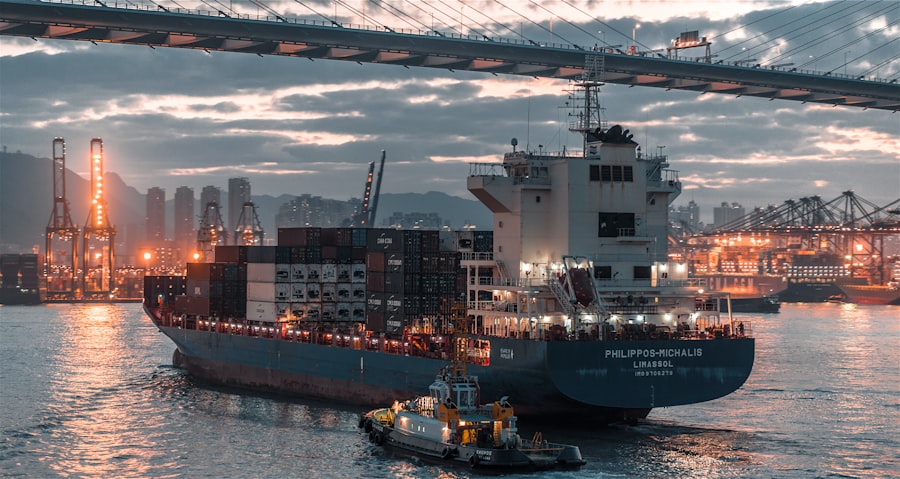
The documentary “Global Trade Chokepoints” skillfully illustrates how these vital passages are not merely geographical features but are deeply embedded in the complex geopolitical chessboard of global power. The film examines how nations vie for influence, control, and security over these choke points, recognizing their immense strategic and economic leverage. The narrative highlights the constant interplay of diplomacy, military posturing, and economic statecraft that governs the flow of goods through these critical junctures.
Control and Sovereignty: The Stakes of Navigation
The film probes the delicate balance between a nation’s sovereignty and the global imperative of free navigation. It explores instances where coastal states seek to exert control over these passages, and the international implications of such actions. The documentary emphasizes that disputes over control can quickly escalate, threatening to disrupt the established order of global trade. The narrative paints a picture of nations as players in a high-stakes game, where control over these passages translates to significant economic and political power.
International Law and Freedom of Passage
“Global Trade Chokepoints” delves into the principles of international law that govern maritime navigation, particularly in straits and canals. It examines the concept of “innocent passage” and the rights and responsibilities of flag states and coastal states. The film highlights how these legal frameworks, while established, are often tested by competing national interests, leading to potential disputes and increased tensions.
The Military Dimension: Deterrence and Defense
The documentary does not shy away from the military dimension of chokepoints. It discusses the strategic importance of these passages for naval power projection and the role of military presence in ensuring security and deterring potential aggressors. The film explores how nations deploy naval assets and conduct exercises in and around these chokepoints, underscoring the ever-present potential for conflict and the delicate nature of military deterrence.
Shifting Alliances and Emerging Threats
The film also examines how shifting global alliances and the emergence of new geopolitical actors can impact the security of these chokepoints. It analyzes how evolving power dynamics can create new vulnerabilities or opportunities for disruption. The documentary suggests that the landscape of global security is constantly in flux, and the implications for these vital trade arteries are profound.
The Rise of New Powers and Regional Tensions
“Global Trade Chokepoints” explores how the rise of new global powers and the intensification of regional rivalries can create new challenges for the security of these passages. The film analyzes how these shifts in power dynamics can lead to increased competition for influence, the establishment of new military bases, and the potential for proxy conflicts that could spill over into these vital trade routes.
Non-State Actors and Asymmetric Threats
Beyond state-level competition, the documentary also addresses the threat posed by non-state actors, such as terrorist organizations and pirate groups. It examines how these entities can exploit vulnerabilities in maritime security, posing an asymmetric threat that can be difficult to counter. The film discusses the evolving tactics of these groups and the challenges they present to maintaining safe and secure passage.
The Economic Domino Effect: Supply Chains Under Strain

The documentary “Global Trade Chokepoints” masterfully illustrates the concept of an economic domino effect, demonstrating how disruptions at these critical junctures can trigger a cascade of consequences throughout global supply chains. The film emphasizes the interconnectedness of the modern economy, where a single blockage can bring vast industries to a standstill and significantly impact the everyday lives of consumers. The narrative leaves the viewer with a profound understanding of how fragile and interdependent the global economic system truly is.
The Fragility of “Just-in-Time” Manufacturing
The film critically examines the widespread adoption of “just-in-time” manufacturing and inventory management systems. While these systems offer efficiency and cost savings in stable environments, the documentary highlights their inherent vulnerability to disruptions. The narrative explains how lean inventories, while beneficial for reducing storage costs, leave businesses with little buffer when supply lines are severed, leading to rapid stockouts and production halts.
Efficiency vs. Resilience: A Trade-Off
“Global Trade Chokepoints” presents a compelling argument about the trade-off between efficiency and resilience in modern supply chains. It explains how the pursuit of lean operations, while optimizing for cost, can inadvertently create a system that is highly susceptible to shocks. The documentary suggests that businesses and governments need to re-evaluate their risk tolerance and consider building greater redundancy and flexibility into their supply chain strategies.
The Impact on Production and Availability
The film vividly depicts the tangible consequences of supply chain disruptions for production and availability. It showcases empty shelves, factory shutdowns, and the resulting delays in the delivery of essential goods, from pharmaceuticals to automotive parts. The documentary uses real-world examples to illustrate how even a temporary closure of a chokepoint can have a ripple effect, impacting production schedules and the availability of products for consumers worldwide.
Commodity Prices and Inflationary Pressures
A significant theme explored is the impact of chokepoint disruptions on global commodity prices and inflationary pressures. The documentary explains how shortages and increased shipping costs can drive up the prices of raw materials, energy, and finished goods, contributing to broader inflation. This, in turn, can disproportionately affect lower-income populations, creating a wider socio-economic divide.
The Global Marketplace and Price Volatility
“Global Trade Chokepoints” demonstrates how the interconnectedness of the global marketplace makes prices highly sensitive to even localized disruptions. The film explains how a blockage in one chokepoint can lead to price spikes for commodities that are traded on a global scale, impacting markets far beyond the immediate geographic vicinity of the disruption. The documentary highlights the cyclical nature of these price fluctuations and their potential to destabilize economies.
The Consumer Impact: From Staples to Luxury Goods
The documentary effectively illustrates how disruptions at chokepoints ultimately impact the consumer. It shows how the prices of everyday necessities, from food and fuel to clothing and electronics, can be affected. The film also touches upon the impact on more specialized or luxury goods, demonstrating that no sector of the economy is entirely immune to the ripple effects of supply chain vulnerabilities.
Retooling for Resilience: Diversification and Redundancy
The film concludes by exploring potential solutions and strategies for mitigating the risks associated with global trade chokepoints. It highlights the importance of diversifying supply chains, developing alternative transportation routes, and investing in greater redundancy. The documentary suggests that building resilience is not just an economic imperative but a matter of national and global security.
Exploring Alternative Routes and Modes of Transport
“Global Trade Chokepoints” examines the feasibility and challenges of developing alternative trade routes and modes of transport. The film discusses the potential of land-based routes, air cargo, and even the reopening of dormant or underutilized waterways as a means of reducing reliance on vulnerable maritime passages. It analyzes the economic and logistical implications of such diversification efforts.
Strategic Stockpiling and Preparedness
The documentary also explores the concept of strategic stockpiling of essential goods and commodities. It discusses how governments and corporations can build up reserves to weather periods of disruption, ensuring a degree of self-sufficiency. The film emphasizes the importance of proactive planning and preparedness in the face of an increasingly uncertain global environment.
In exploring the complexities of global trade chokepoints, one can gain further insights by reading a related article that delves into the geographical and economic implications of these critical junctures. The documentary highlights how disruptions at these chokepoints can ripple through the global economy, affecting everything from shipping costs to international relations. For a deeper understanding of this topic, you can check out the informative piece available at My GeoQuest, which provides valuable context and analysis on the subject.
The Human Cost and Future Implications
| Chokepoint | Location | Annual Trade Volume (Million Tonnes) | Percentage of Global Trade | Primary Commodities | Key Risks |
|---|---|---|---|---|---|
| Strait of Hormuz | Between Persian Gulf and Gulf of Oman | 20,000 | 20% | Oil, Natural Gas | Geopolitical Tensions, Piracy |
| Strait of Malacca | Between Malaysia and Indonesia | 80,000 | 25% | Oil, Manufactured Goods | Piracy, Congestion |
| Panama Canal | Panama | 300 | 5% | Containers, Bulk Cargo | Capacity Limits, Weather |
| Suez Canal | Egypt | 1,000 | 10% | Containers, Oil, Bulk Cargo | Blockages, Political Instability |
| Bab el-Mandeb | Between Yemen and Djibouti | 4,800 | 7% | Oil, Containers | Conflict, Piracy |
Beyond the economic and geopolitical ramifications, “Global Trade Chokepoints” also sheds light on the human cost associated with disruptions in global trade. The documentary underscores that behind the abstract figures and geopolitical narratives are real people whose livelihoods, access to essential goods, and overall quality of life are directly impacted by the smooth or fractured flow of commerce.
Livelihoods Tied to the Arteries
The film features interviews with individuals whose lives and livelihoods are intrinsically linked to the operation of these chokepoints. This includes sailors who navigate the treacherous straits, port workers who manage the massive influx of cargo, and the communities that depend on these passages for economic sustenance. The documentary provides a human face to the statistics, illustrating the personal sacrifices and risks involved in keeping global trade moving.
The Sailors’ Perspective: Navigating Peril
“Global Trade Chokepoints” offers a glimpse into the lives of sailors who spend months at sea, often venturing through regions fraught with geopolitical tension and environmental hazards. The film highlights their skills, their isolation, and the critical role they play in delivering the goods that fuel the global economy. Their accounts provide a visceral understanding of the human effort behind international trade.
Port Communities and Economic Dependence
The documentary also examines the economic dependence of communities located near major chokepoints. These areas often thrive on the activity generated by ports and shipping, and any disruption can have devastating economic consequences for local businesses and employment. The film illustrates how these communities are at the forefront of both the benefits and the vulnerabilities of global trade.
The Specter of Scarcity and Humanitarian Crises
The film powerfully articulates how prolonged disruptions to vital trade routes can create the specter of scarcity, potentially leading to humanitarian crises. It explains how a lack of access to food, medicine, and other essential supplies can have dire consequences, particularly for vulnerable populations and developing nations. The documentary draws a clear line between the smooth functioning of chokepoints and the ability to avert widespread suffering.
Food Security and Essential Medicines
“Global Trade Chokepoints” addresses the critical issue of food security and the global supply of essential medicines. It illustrates how disruptions can halt the import of vital foodstuffs and life-saving medications, posing a significant threat to public health and well-being. The film emphasizes that the unimpeded flow of these goods is not merely an economic concern but a fundamental humanitarian necessity.
The Impact on Developing Nations
The documentary highlights the disproportionate impact of chokepoint disruptions on developing nations, which often have less diversified economies and fewer resources to buffer against external shocks. The film explains how these disruptions can exacerbate existing inequalities and hinder development efforts, trapping nations in cycles of poverty and instability.
A Call to Awareness: Securing the Future of Trade
“Global Trade Chokepoints” ultimately serves as a call to awareness and a plea for greater understanding of the complexities and vulnerabilities of global trade. The documentary urges viewers to recognize the critical role these passages play in our interconnected world and to advocate for policies that promote security, stability, and resilience in these vital arteries of commerce. The film leaves the audience with a profound appreciation for the intricate web of global trade and the urgent need to safeguard its future.
The Interdependence of Nations
The documentary emphasizes the undeniable interdependence of nations in the modern era. It demonstrates that no country or economy operates in isolation, and that disruptions in one part of the world can have far-reaching consequences for all. The film encourages a global perspective, advocating for international cooperation and shared responsibility in ensuring the continued flow of goods and the stability of the global economy.
Building a More Resilient Global System
Ultimately, “Global Trade Chokepoints” calls for a collective effort to build a more resilient global trading system. The film suggests that this will require innovation, strategic investment, and a commitment to international collaboration. The documentary leaves the viewer with a sense of urgency and a clear understanding of the challenges and opportunities that lie ahead in securing the future of global trade for generations to come.
FAQs
What are global trade chokepoints?
Global trade chokepoints are narrow passages or strategic locations along major shipping routes where maritime traffic is concentrated. These points are critical for international trade because a significant portion of the world’s goods pass through them, making them vulnerable to disruptions.
Why are global trade chokepoints important for the world economy?
These chokepoints are vital because they facilitate the efficient movement of goods between countries and continents. Any blockage or disruption at these points can lead to delays, increased shipping costs, and shortages of essential products, impacting global supply chains and economies.
Can you name some of the most significant global trade chokepoints?
Some of the most important global trade chokepoints include the Strait of Hormuz, the Suez Canal, the Panama Canal, the Strait of Malacca, and the Bab el-Mandeb Strait. Each of these locations handles a large volume of maritime traffic and is strategically important for global trade.
What are common risks associated with global trade chokepoints?
Risks include geopolitical tensions, piracy, natural disasters, and accidents such as oil spills or ship collisions. These risks can cause temporary or prolonged closures, disrupting the flow of goods and affecting global markets.
How do documentaries about global trade chokepoints contribute to public understanding?
Documentaries on this topic provide in-depth analysis and visual explanations of the strategic importance of these locations. They raise awareness about the challenges and vulnerabilities in global trade, helping viewers understand the complexities of international shipping and economic interdependence.