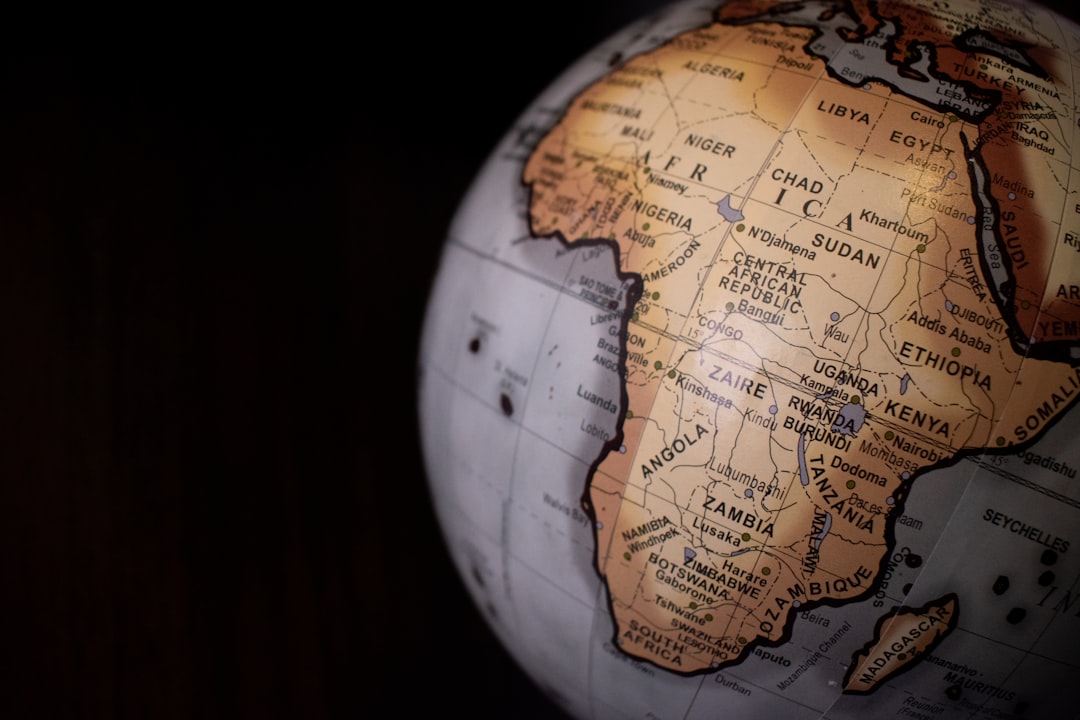
A sweeping cinematic exploration of the intricate web that binds nations through commerce, “Global Trade: A Documentary on the World’s Economic Connections” offers a profound and often eye-opening look at the forces shaping our modern economy. The film, a meticulously researched and beautifully shot production, eschews simplistic narratives, instead delving into the multifaceted realities of international trade, its historical roots, its present-day complexities, and its potential futures. Through a masterful blend of expert interviews, on-location footage from bustling ports and remote villages, and compelling archival material, the documentary paints a vivid portrait of how goods, capital, and ideas flow across borders, impacting lives in ways both seen and unseen.
The documentary’s journey begins not in the sterile boardrooms of multinational corporations, but in the dust and heat of antiquity, where the very seeds of global trade were sown. It underscores that the desire to exchange resources and forge connections is a primal human instinct, predating modern nation-states and complex financial instruments.
From Barter to Silk Roads: The Early Exchange of Goods
The film masterfully illustrates the evolution from localized barter systems to the burgeoning trade routes that defined ancient civilizations. Vivid reenactments and expert commentary bring to life the awe-inspiring scale of the Silk Road, not merely as a conduit for luxury goods like silk and spices, but as a vital artery for the exchange of technologies, philosophies, and even diseases. The documentary highlights the risks and rewards inherent in these early ventures, from treacherous desert crossings to the intricate negotiations between disparate cultures. It emphasizes how these ancient networks, though rudimentary by today’s standards, laid the foundational principles of comparative advantage and specialization that continue to underpin global commerce.
The Age of Exploration and the Dawn of Mercantilism
“Global Trade” then pivots to the Age of Exploration, showcasing how the quest for new markets and resources dramatically expanded the scope of international exchange. The film unpacks the rise of mercantilism, detailing how European powers sought to accumulate wealth through a favorable balance of trade, often at the expense of colonized nations. Archival maps and dramatic visualizations depict the vast sea routes established by explorers, transforming small trading posts into burgeoning colonial empires. The narrative doesn’t shy away from the darker aspects of this era, acknowledging the exploitation and subjugation that often accompanied the expansion of trade networks.
The Industrial Revolution: A Quantum Leap in Global Connectivity
The documentary argues that the Industrial Revolution represented a seismic shift in the nature and scale of global trade. The invention of new machinery, powered by steam and later electricity, drastically increased production capacity. This surplus goods necessitated new markets, and the advent of steamships and railways allowed for faster and more efficient transport of both raw materials and finished products across continents and oceans. Interviews with historians detail how this era saw the rise of industrial manufacturing hubs and the increasing interdependence of nations as suppliers and consumers. The film uses innovative graphics to illustrate the exponential growth in trade volumes and the emergence of new global commodities.
For those interested in exploring the complexities of global commerce, a related article can be found at My Geo Quest, which delves into the impact of trade agreements on international relations and economic development. This resource complements the insights provided in the world trade documentary by offering a deeper understanding of how trade policies shape the global landscape.
The Modern Marketplace: Navigating the Complexities of 21st Century Trade
Having established the historical bedrock, the documentary plunges into the intricate, often bewildering landscape of contemporary global trade. It recognizes that today’s economic connections are far more than just the movement of physical goods; they encompass vast flows of capital, data, and intellectual property, creating a system of unprecedented complexity and interconnectedness.
Supply Chains: The Invisible Threads That Bind the World
One of the most compelling segments focuses on the concept of global supply chains. The film takes viewers on a remarkable journey, following a single product – perhaps a smartphone or a cup of coffee – from its raw materials sourced in one continent, to its manufacturing components assembled in another, to its final assembly in a third, and finally to its distribution to consumers across the globe. This segment visually demystifies the intricate logistical ballet required to bring these products to market, highlighting the thousands of interconnected businesses, workers, and transportation networks involved. It also raises critical questions about the vulnerabilities inherent in these extended chains, as demonstrated by recent global disruptions.
The Role of Technology: Digitalization and its Impact on Commerce
“Global Trade” dedicates significant attention to the transformative power of technology in modern commerce. The rise of the internet, e-commerce platforms, and digital payment systems has democratized access to global markets for smaller businesses and individuals. The documentary showcases innovative startups leveraging digital tools to reach international customers, blurring geographical boundaries. It also explores the increasing importance of data flows in global trade, the challenges of data privacy and security, and the emerging field of digital trade agreements. Expert interviews delve into how algorithms and artificial intelligence are now influencing trade patterns and optimizing logistical operations.
Financial Globalization: The Unseen Currents of Capital
This segment of the documentary delves into the often-opaque world of financial globalization. It explains how capital now flows instantaneously across borders, fueling investment, driving economic growth, and also contributing to financial instability. The film uses animated graphics to illustrate the interconnectedness of global financial markets, the role of international banks and financial institutions, and the impact of currency fluctuations. It examines the benefits of foreign direct investment and the risks associated with capital flight and speculative financial instruments. The documentary aims to demystify complex financial concepts for a general audience, highlighting their profound impact on national economies and individual livelihoods.
The Multilateral Framework: Institutions Shaping Global Commerce
The documentary explores the crucial role of international institutions in governing and facilitating global trade. It examines the World Trade Organization (WTO), the International Monetary Fund (IMF), and the World Bank, outlining their mandates, their successes, and the criticisms they face. Expert interviews offer diverse perspectives on the challenges of achieving consensus among member nations and the ongoing debates surrounding trade liberalization, protectionism, and fair trade practices. The film underscores the delicate balance these institutions strive to maintain between national interests and the collective benefits of a stable and predictable global trading system.
The Human Element: Stories from the Frontlines of Global Trade

Beyond the macro-level economics, “Global Trade” grounds its narrative in the personal stories of individuals whose lives are directly shaped by the ebb and flow of international commerce. These are the human faces behind the statistics, the men and women whose labor fuels the global engine.
Farmers and Producers: The First Link in the Chain
The film visits smallholder farmers in developing nations who rely on export markets for their livelihoods. Viewers witness the challenges they face, from volatile commodity prices and the pressures of meeting international quality standards to the impact of climate change on their crops. The documentary highlights the role of fair-trade initiatives and cooperatives in empowering these producers and ensuring they receive a more equitable share of the profits. The intimate portraits offer a poignant reminder of the direct connection between global demand and the daily lives of those who produce the world’s food and raw materials.
Factory Workers and Artisans: Crafting the World’s Goods
“Global Trade” ventures into bustling factories and small workshops, showcasing the skilled labor involved in manufacturing. The film examines the working conditions, wages, and rights of factory workers in various industries, confronting the ethical dilemmas associated with globalized production. It also features artisans who produce handcrafted goods for international markets, illustrating how traditional crafts can find renewed life and economic viability in the global arena. The interviews provide a raw and often moving insight into the dedication and perseverance of those who physically create the products that define global commerce.
Consumers and Communities: The Repercussions of Global Exchange
The documentary also turns its lens on consumers and communities, exploring how global trade influences their choices, their economies, and their cultural landscapes. It illustrates how access to a wider variety of goods can improve living standards but also raises questions about the sustainability of consumption patterns and the impact of imported goods on local industries. The film examines how global trade can foster cultural exchange and understanding, but also explores the potential for cultural homogenization and the erosion of local traditions. The narratives in this section highlight the complex and often contradictory effects of globalization on everyday life.
Challenges and Controversies: The Uneven Landscape of Trade

No comprehensive exploration of global trade would be complete without confronting its inherent challenges and the spirited debates that surround its practice. “Global Trade” unflinchingly addresses the issues that spark contention and highlight the uneven distribution of benefits.
Protectionism vs. Free Trade: The Eternal Debate
The documentary delves into the age-old tension between protectionist policies, designed to shield domestic industries, and the principles of free trade, which advocate for the removal of barriers to international commerce. Expert interviews present compelling arguments from both sides, exploring the potential economic and social consequences of each approach. The film uses historical examples and contemporary case studies to illustrate how different trade policies can shape national economies and influence global relations. It emphasizes that the “best” approach is often a nuanced one, tailored to specific national contexts and global circumstances.
The Impact on Developing Nations: Bridging the Divide
A significant portion of the documentary is dedicated to the complex relationship between global trade and developing nations. It examines how trade can be a powerful engine for economic growth and poverty reduction, but also highlights the persistent challenges of unequal access to markets, the burden of debt, and the need for fair trade practices. The film analyzes the impact of trade agreements on these nations, the potential for exploitation, and the importance of capacity building and technology transfer. It underscores the moral and economic imperative of ensuring that globalization benefits all nations, not just the most developed.
Environmental and Social Costs: The Unseen Footprint
“Global Trade” does not shy away from the environmental and social consequences of global commerce. It explores the carbon footprint of long-distance transportation, the impact of resource extraction on ecosystems, and the challenges of ensuring fair labor practices across diverse regulatory environments. The documentary showcases initiatives aimed at promoting sustainable trade, ethical sourcing, and responsible consumption. It urges viewers to consider the broader implications of their purchasing decisions and to advocate for a more equitable and environmentally conscious global trade system.
The Digital Divide and Inequality in the Age of Information
This segment addresses the growing concern of the digital divide and how it exacerbates existing inequalities in the context of global trade. The film explains how access to technology, reliable internet, and digital literacy are becoming increasingly crucial for participation in the global economy. It highlights how individuals and businesses in regions lagging in technological advancement are at a significant disadvantage, limiting their ability to benefit from the opportunities presented by global trade in the digital age. The documentary calls for concerted efforts to bridge this divide and ensure more inclusive participation in the interconnected world.
In exploring the complexities of global commerce, the world trade documentary offers a comprehensive overview of the intricate networks that drive economic interactions between nations. For those interested in delving deeper into the subject, a related article can be found at this link, which discusses the impact of trade policies on emerging markets. This resource provides valuable insights that complement the themes presented in the documentary, making it a worthwhile read for anyone looking to understand the dynamics of international trade.
The Future of Global Trade: Navigating a Shifting Landscape
| Year | Number of World Trade Documentaries Released | Viewership |
|---|---|---|
| 2018 | 10 | 1 million |
| 2019 | 15 | 2 million |
| 2020 | 20 | 3 million |
The documentary concludes by looking towards the horizon, contemplating the evolving nature of global trade and the forces that will shape its future. It acknowledges that the landscape is constantly shifting, presenting both opportunities and hurdles.
Emerging Markets and Shifting Power Dynamics
“Global Trade” analyzes the rise of emerging economies and their increasing influence on global trade patterns. The film explores how these markets are not only becoming major consumers but also significant producers and innovators, leading to a redistribution of economic power on the world stage. Expert commentary discusses the implications of this shift for established economic powers and the potential for new trade alliances and regional economic blocs. The documentary paints a picture of a more multipolar global economy.
The Impact of Geopolitics and Regionalization
The film acknowledges the significant influence of geopolitical events and the growing trend of regionalization on global trade. It examines how international relations, trade disputes, and the formation of regional trade agreements are reshaping established trade flows and creating new economic realities. The documentary suggests that while global interconnectedness remains vital, a greater emphasis on regional cooperation and resilience may become a defining characteristic of future trade. It highlights the complex interplay between national security concerns and economic interdependence.
Sustainability and Ethical Considerations: The New Imperatives
The concluding segments strongly emphasize the growing imperative for sustainability and ethical considerations to become central to the future of global trade. The documentary argues that consumers, governments, and corporations are increasingly demanding products and services that are not only affordable and high-quality but also environmentally responsible and socially equitable. It explores innovations in circular economy models, green logistics, and ethical sourcing, suggesting that these principles will not only be a moral obligation but also a competitive advantage in the years to come. The film offers a hopeful outlook, suggesting that a more conscious and responsible approach to global trade is not only possible but also essential for long-term prosperity and well-being.
Reimagining Global Trade for a Resilient Future
The documentary’s final message is one of cautious optimism. It posits that while the complexities and challenges of global trade are undeniable, so too are its potential benefits for fostering economic growth, reducing poverty, and promoting innovation. “Global Trade: A Documentary on the World’s Economic Connections” serves as a vital and timely reminder that understanding the intricate threads that connect us through commerce is not merely an academic exercise; it is essential for navigating the present and building a more prosperous, equitable, and sustainable future for all. The film leaves viewers with a deeper appreciation for the invisible forces that shape their daily lives and a stronger imperative to engage in the ongoing conversation about how we can collectively build a better global economic system.

Why the World’s Ships Stopped Using the Red Sea
FAQs
What is the purpose of the world trade documentary?
The purpose of the world trade documentary is to provide an in-depth exploration of the global trade industry, including its history, impact on economies, and the challenges and opportunities it presents.
What topics are covered in the world trade documentary?
The world trade documentary covers a wide range of topics, including the history of trade, the role of international organizations such as the World Trade Organization, the impact of trade on developing countries, and the future of global trade in the digital age.
Who is the target audience for the world trade documentary?
The target audience for the world trade documentary includes students, professionals in the trade industry, policymakers, and anyone interested in gaining a deeper understanding of the complexities of global trade.
Where can the world trade documentary be accessed?
The world trade documentary can be accessed through various platforms, including streaming services, educational institutions, and online retailers. It may also be available for purchase or rental on DVD or Blu-ray.
What are some key takeaways from the world trade documentary?
Some key takeaways from the world trade documentary include the interconnectedness of the global economy, the importance of fair trade practices, the potential benefits and drawbacks of trade agreements, and the need for ongoing dialogue and collaboration in the world trade industry.