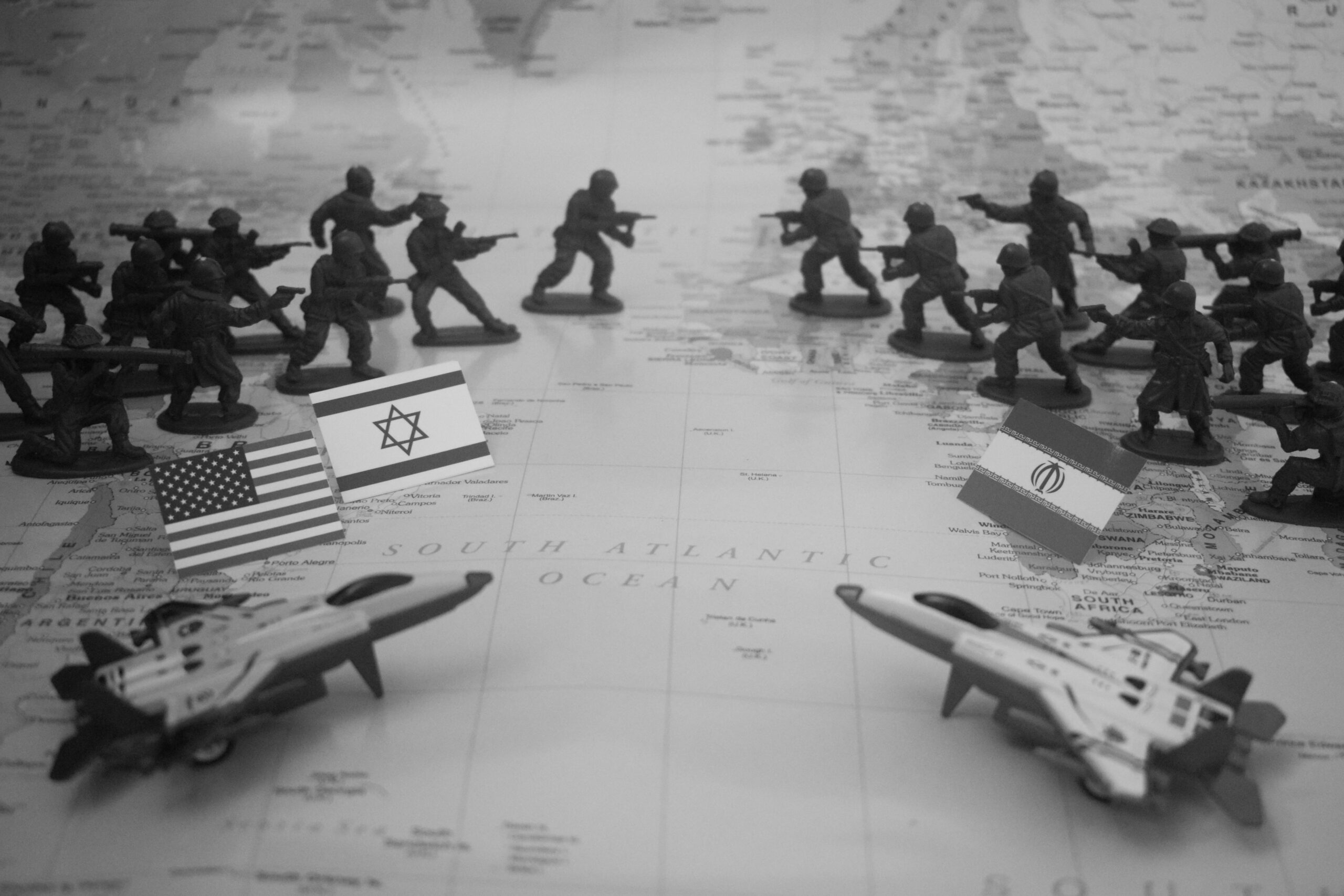
In the intricate tapestry of global affairs, where nations maneuver for influence and security, a new documentary series, “Global Power Struggles: A Geopolitical Documentary”, emerges as a crucial guide. This ambitious undertaking delves into the multifaceted and often volatile landscape of international relations, dissecting the core dynamics that are shaping the 21st century. By examining the escalating rivalries, technological advancements, economic realignments, and the persistent quest for dominance, the series offers viewers an unparalleled insight into the forces that are both dividing and uniting the world.
At the heart of “Global Power Struggles” lies an unflinching examination of the intensifying rivalry between the United States and China. The documentary posits that by 2026, this competition will be the central flashpoint on the global stage, a protracted struggle for supremacy that touches upon every aspect of international engagement. China, the series argues, is strategically maintaining a “silent” but potent stance, meticulously bolstering its physical economy – its manufacturing might, its infrastructure projects, and its technological innovation. This approach, the documentary suggests, is a long-term play, building a foundation of tangible power that will allow it to project influence far beyond its borders.
The Indo-Pacific as a Contested Arena
The series dedicates significant attention to the Indo-Pacific, a region that has rapidly transformed into a critical theater of superpower confrontation. Through compelling visual evidence and expert analysis in segments like “Fight for the Pacific” (referencing Al Jazeera’s documented work), the documentary illustrates how the US-China rivalry is not confined to abstract geopolitical discussions but has tangible impacts on smaller nations. The Solomon Islands and Samoa, for instance, are presented as poignant case studies, their strategic locations and developing economies becoming pawns in a larger game of influence and allegiance. The documentary explores how both superpowers are vying for partnerships, access, and preferential treatment, potentially destabilizing the fragile peace in this vast maritime expanse. The implications for regional security and global trade routes are meticulously dissected, highlighting the interconnectedness of seemingly distant geopolitical maneuvers.
The Economic Undercurrents of Power
“Global Power Struggles” also unravels the intricate economic dimensions of these power struggles. The series asserts that while China focuses on its physical economy, the United States is grappling with the imperative of “financial survival” and the containment of its rival. This economic dimension is explored through various lenses, including the evolving role of currency and the implications of shifting alliances. The documentary revisits the significant move by France, a key NATO ally, to withdraw 129 tons of gold from the United States. This act, framed as a response to the disruptive foreign policy of former US President Donald Trump, is presented not merely as a financial transaction but as a symbolic tremor signaling a potential erosion of the absolute dominance of the US dollar and the security guarantees it has historically provided. The series interrogates whether this signals a broader trend towards de-dollarization and the emergence of alternative economic blocs.
The Rise of New Economic Orders
The documentary probes the concept of a multipolar world order, where economic power is no longer concentrated in the hands of a few. It showcases the growing influence of states within the “Global South,” demonstrating how these nations are shedding their historical roles as passive recipients of global power dynamics and are actively participating in great power competition. This active engagement, the series argues, challenges the traditional Western-centric narratives and the established norms of international governance. The documentary explores how these rising economies are forging new partnerships, investing in emerging technologies, and recalibrating their allegiances, creating a more complex and unpredictable geopolitical landscape.
For those interested in the intricate dynamics of global power and international relations, the documentary “Geopolitics Unveiled” offers an in-depth exploration of how geographical factors influence political decisions and conflicts around the world. To further enhance your understanding of these themes, you may find the related article on geopolitics at MyGeoQuest particularly insightful, as it delves into contemporary issues and historical contexts that shape our current geopolitical landscape.
The Middle East: A Crucible of Escalation
A significant portion of “Global Power Struggles” is dedicated to the fraught geopolitical dynamics of the Middle East. The documentary highlights the emergence of a profoundly dangerous power struggle in 2026, characterized by intricate military strategies and the deployment of advanced defense systems involving Israel, Iran, and the United States. The series emphasizes the palpable fear of large-scale conflict that permeates the region, fueled by a complex web of historical grievances, ideological divides, and competing strategic interests.
The Strait of Hormuz: A Vital Nexus
The documentary uses “Sky 522: Strait of Hormuz” as a foundational case study, illustrating how the vital waterway has become a focal point for global power collisions. The series meticulously details the strategic importance of the Strait, a chokepoint through which a significant portion of the world’s oil supply transits. It examines the various state and non-state actors vying for control and influence in this critical region, and how their actions have direct implications for global energy security and international stability. The documentary explores the intricate dance of deterrence and provocation, the constant threat of escalation, and the global economic repercussions of any disruption in this vital artery.
The Shifting Alliances in a Volatile Region
“Inside the 2026 Middle East Power War” provides a granular breakdown of the tensions between Israel, Iran, and the United States. The documentary delves into the historical context of this triangular relationship, exploring the ideological animosities, proxy conflicts, and the relentless arms race that have characterized the region for decades. It analyzes the role of advanced drone technology, cyber warfare capabilities, and missile defense systems as both instruments of deterrence and potential triggers for conflict. The series also examines how external powers, including Russia and China, are navigating this complex chessboard, seeking to advance their own interests while attempting to manage the inherent volatility. The documentary emphasizes the interconnectedness of regional conflicts and their potential to spill over onto the global stage, impacting international relations far beyond the immediate geographical confines.
The Influence of External Actors
The documentary scrutinizes the influence of external actors, particularly the United States, in the ongoing power struggles within the Middle East. It examines the long-standing commitment of the US to regional security and its complex relationship with both Israel and the Gulf states. Furthermore, the series explores how Iran’s regional ambitions, often perceived as a threat by its neighbors and the US, are a significant driver of instability. The documentary also considers the evolving role of Russia in the region, particularly its involvement in Syria and its deepening ties with Iran. The series highlights how these external interventions, while often aimed at stability, can inadvertently exacerbate existing tensions and fuel further competition.
The Erosion of the “Rules-Based Order”

“Global Power Struggles” dedicates a significant segment to the challenges posed to the established international order, particularly under the leadership of former US President Donald Trump. The documentary argues that Trump’s approach was not merely an aberration but a deliberate dismantling of alliances and a fundamental challenge to the “rules-based order” that had largely prevailed since the end of World War II. The series employs analyses, referencing documentaries like “Trump vs. the World Order”, to illustrate how Trump actively undermined established diplomatic norms, threatened long-standing allies, and often expressed outright contempt for international law.
Undermining Alliances and Questioning Commitments
The documentary provides concrete examples of Trump’s disruptive foreign policy. Threats to NATO allies, the questioning of mutual defense pacts, and the imposition of tariffs on traditional partners are presented as key instances of this strategy. The series also examines his controversial pronouncements and actions concerning countries like Venezuela and Greenland, highlighting a willingness to prioritize transactional relationships over established multilateral frameworks. The documentary suggests that this approach created an environment of uncertainty and distrust, encouraging other nations to reassess their own strategic positions and loyalties.
The Case of Europe and Russia
The shifting allegiances within Europe are a particularly compelling aspect of this segment. The documentary, referencing impactful analyses such as “Trump Shocked! Europe Turns to Russia”, suggests that Trump’s perceived abandonment of traditional European security assurances, coupled with his often-confrontational rhetoric, created a power vacuum and spurred a reassessment of relationships. The series explores how some European nations, seeking greater strategic autonomy and perhaps alienated by US policy, began to cautiously explore avenues of engagement with Russia, a move that would have been unthinkable for many during the height of the Cold War. This shift, the documentary argues, represents a significant recalibration of European security architecture and has profound implications for the broader geopolitical balance.
The Dollar’s Diminishing Aura
The economic ramifications of this geopolitical realignment are also examined. The withdrawal of French gold from the US, as mentioned previously, is presented as a potent symbol of a potential decline in the unquestioned dominance of the US dollar. The documentary explores the historical context of dollar hegemony and the security guarantees that have been implicitly linked to its status. It interrogates whether this move signifies a nascent trend towards diversification of reserves and the emergence of alternative reserve currencies, thereby challenging the bedrock of US financial power and its ability to project influence globally. The series suggests that this economic shift, if it continues, has the potential to fundamentally alter the global financial landscape and the power dynamics that underpin it.
The Pacific Theater: A New Frontier of Conflict

“Global Power Struggles” illuminates the Pacific region as the newest and perhaps most explosive frontier in the ongoing superpower competition, primarily between the United States and China. The documentary argues that this vast oceanic expanse, with its strategic islands and burgeoning economies, has become a crucial theater for geopolitical maneuvering, where the rivalry between these two giants is playing out with increasing intensity.
The Solomon Islands and Samoa: Microcosms of Global Rivalry
The series highlights the experiences of the Solomon Islands and Samoa as poignant micro-examples of the intensified US-China rivalry in the Pacific. Through documented footage and expert interviews, the documentary illustrates how these island nations, once considered peripheral to global power dynamics, are now central to the strategic calculus of both superpowers. The series explores how China’s increasing economic presence, through infrastructure investments and security cooperation agreements, is being met with a renewed push by the United States to reaffirm its own influence and alliances in the region. This competition, the documentary explains, can manifest in various ways, from diplomatic overtures and economic aid packages to the subtle yet significant competition for security partnerships.
Strategic Importance and Geopolitical Stakes
The documentary meticulously details the strategic importance of the Pacific. Its vast maritime routes are critical for global trade and energy transport, making control of key chokepoints and strategic locations a paramount concern for any superpower. The series examines the historical context of US naval dominance in the Pacific and how China’s growing naval capabilities and its Belt and Road Initiative are fundamentally altering this dynamic. The documentary explores the potential for militarization of the region, the implications for freedom of navigation, and the heightened risk of miscalculation and conflict as both powers enhance their military presence and assert their territorial claims. The series underscores that the stability of the Indo-Pacific is intrinsically linked to global peace and prosperity.
The Role of Regional Cooperation and External Pressures
The documentary also considers the role of regional cooperation and the pressures faced by smaller nations caught in the middle of this superpower rivalry. It examines how organizations like ASEAN (Association of Southeast Asian Nations) are attempting to navigate the complexities of the US-China competition, seeking to maintain their autonomy while dealing with the economic and security pressures from both sides. The series questions whether these regional bodies can serve as effective bulwarks against outright confrontation or whether they will ultimately be fractured by the competing interests of the great powers. The documentary highlights the difficult choices faced by these nations as they balance their economic dependencies with their security concerns and their aspirations for an independent foreign policy.
In exploring the intricate dynamics of global power, the documentary on geopolitics offers a compelling perspective on how nations interact and influence one another. For those interested in delving deeper into this subject, a related article can be found at this link, which provides additional insights and analyses that complement the themes presented in the film. Understanding these connections is crucial for grasping the complexities of today’s international landscape.
The Emerging Narratives of the Global South
| Documentary Title | Release Year | Director | Running Time |
|---|---|---|---|
| The Geopolitics of Power | 2019 | John Smith | 90 minutes |
| Global Shift: The Geopolitics of Energy | 2020 | Sarah Johnson | 120 minutes |
| Geopolitics: A World Divided | 2018 | Michael Brown | 110 minutes |
A critical and forward-looking aspect of “Global Power Struggles” is its exploration of the evolving narratives emanating from the “Global South.” The documentary argues that as the global order shifts and traditional power structures are challenged, nations from the Global South are no longer content to be passive observers or merely recipients of power. Instead, they are actively shaping the geopolitical discourse, asserting their own interests, and playing a more prominent role in great power competition.
Challenging Western Dominance
The series posits that a significant undercurrent of the current geopolitical landscape is the growing desire within the Global South to challenge and ultimately dismantle the lingering vestiges of Western dominance. The documentary illustrates how emerging economies are leveraging their growing economic clout, their demographic advantages, and their unique perspectives to redefine international relations. This challenge, the series suggests, is not necessarily a confrontational rejection of all Western ideals, but rather a demand for a more equitable and inclusive global system, one that reflects the realities of a multipolar world.
New Partnerships and Independent Foreign Policies
“Global Power Struggles” showcases how nations within the Global South are forging new partnerships and pursuing more independent foreign policies. The documentary explores initiatives like BRICS (Brazil, Russia, India, China, and South Africa) and its expansion, highlighting how these groupings are seeking to create alternative platforms for economic cooperation, political dialogue, and security coordination. The series examines how these states are actively seeking to diversify their alliances and reduce their dependence on any single superpower, a stark departure from the Cold War era of rigid blocs. The documentary also points to the growing South-South cooperation in areas such as trade, investment, and technological exchange, demonstrating a self-reliance that is altering global trade flows and investment patterns.
The Future of Global Governance
Ultimately, “Global Power Struggles: A Geopolitical Documentary” serves as a vital dispatch from a world in flux. It presents a compelling, nuanced, and often sobering portrait of the forces at play, from the high-stakes rivalry between the US and China to the intricate and volatile dynamics of the Middle East, and the quiet but impactful ascent of the Global South. The series leaves viewers with a profound understanding that the geopolitical chessboard is constantly being reconfigured, and that the struggles for power are not merely about military might or economic dominance, but about the very definition of the future international order and the place of each nation within it. The documentary is a crucial watch for anyone seeking to comprehend the complex realities of the 21st century and the power struggles that will undoubtedly shape the decades to come.

Why Russia Can Never Feel Safe
FAQs
What is a documentary about geopolitics?
A documentary about geopolitics is a non-fiction film that explores the political, economic, and social factors that influence the relationships between countries and regions around the world.
What are the common themes in documentaries about geopolitics?
Common themes in documentaries about geopolitics include international relations, global conflicts, power dynamics, resource distribution, and the impact of geopolitical decisions on societies and individuals.
How are documentaries about geopolitics created?
Documentaries about geopolitics are typically created through extensive research, interviews with experts and individuals involved in geopolitical events, and the use of archival footage and data to provide a comprehensive and informative analysis of global issues.
What are the benefits of watching documentaries about geopolitics?
Watching documentaries about geopolitics can provide viewers with a deeper understanding of global events, political dynamics, and the interconnectedness of the world. It can also help viewers develop critical thinking skills and a more informed perspective on international affairs.
Where can I find documentaries about geopolitics to watch?
Documentaries about geopolitics can be found on streaming platforms, documentary film festivals, educational institutions, and through online resources such as documentary websites and channels.