
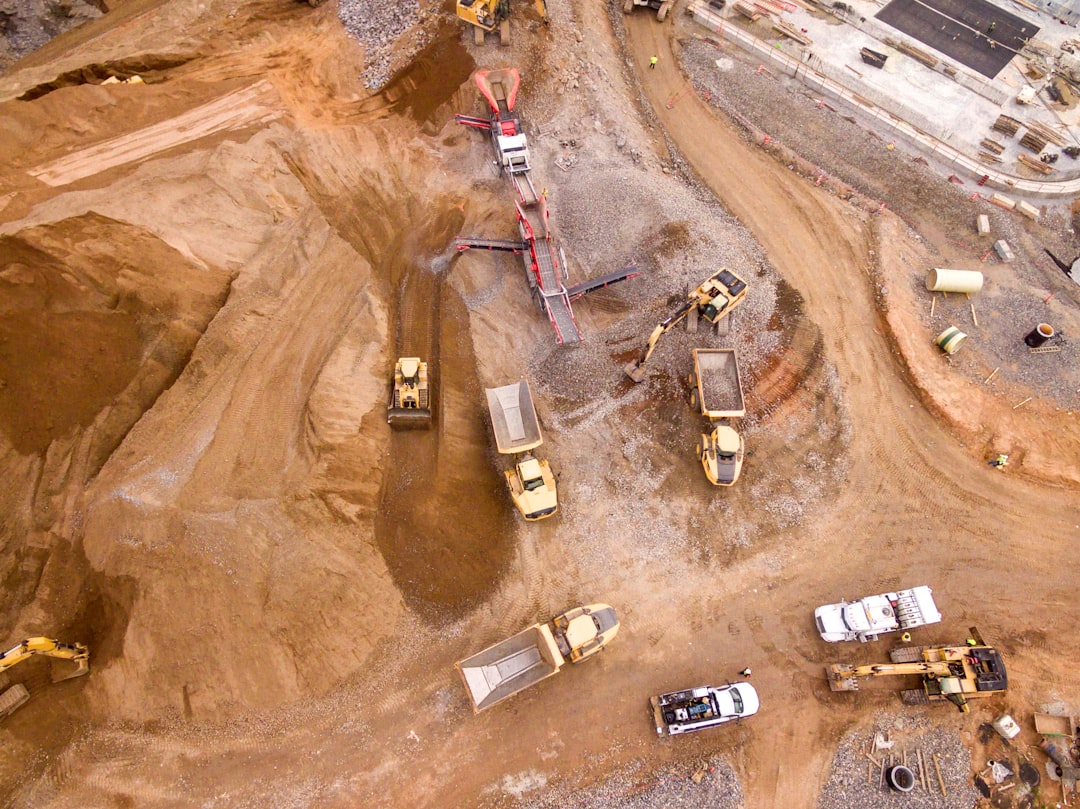
The global construction industry stands at a critical juncture, facing an increasingly potent and pervasive threat: a significant shortage of aggregates. These fundamental building blocks, encompassing sand, gravel, crushed rock, and other inorganic materials, form the bedrock of virtually every construction project, from towering skyscrapers to humble residential homes, from sprawling infrastructure networks to delicate artistic installations. Without a steady and sufficient supply of these vital raw materials, the very edifice of modern society risks being undermined.
Aggregates are not merely inert filler; they are the structural backbone of concrete, asphalt, and numerous other construction materials. Their physical properties dictate the strength, durability, and performance of the final product. The demand for aggregates is intrinsically linked to the pace of global development. As populations grow and economies expand, the need for new housing, commercial spaces, transportation links, and energy infrastructure escalates, placing immense pressure on aggregate extraction.
The Cornerstone of Concrete
Concrete, the most widely used construction material in the world, is a composite of cement, water, and aggregates. Aggregates, typically comprising 60-80% of concrete by volume, provide bulk, strength, and stability. The size, shape, and grading of aggregates are meticulously controlled to achieve desired concrete properties, such as workability, compressive strength, and resistance to cracking. The ubiquitous presence of concrete in everything from bridges and dams to airport runways and pre-fabricated components underscores the non-negotiable role of aggregates.
Paving the Way: Aggregates in Asphalt
The smooth surfaces of our roads, the runways of our airports, and the surfaces of sports courts all rely heavily on asphalt. Asphalt, a mixture of bitumen (a petroleum product) and aggregates, demands a consistent supply of specific aggregate types. The quality and composition of these aggregates directly influence the performance and longevity of the asphalt pavement, affecting its resistance to rutting, fatigue, and moisture damage. The continuous need for road maintenance and new construction globally creates a sustained demand for quarried materials.
Beyond the Obvious: Other Aggregate Applications
The utility of aggregates extends far beyond concrete and asphalt. They are essential for railway ballast, stabilizing the tracks and distributing the load of trains. They are used in various forms of fill material for land reclamation and site development. Furthermore, engineered aggregates find applications in filtration systems, erosion control, and even in specialized industrial processes. This broad spectrum of use amplifies the impact of any supply disruption.
The global construction industry is currently facing significant challenges due to an aggregate shortage, which has been exacerbated by supply chain disruptions and increasing demand for infrastructure projects. This situation has led to rising costs and delays in construction timelines, prompting industry stakeholders to seek innovative solutions. For further insights into this pressing issue, you can read a related article that delves into the causes and potential impacts of the aggregate shortage in the construction sector at this link.
The Growing Chasm: Drivers of the Current Shortage
The current aggregate shortage is not a sudden geological event but rather a complex interplay of escalating demand, constrained supply, and evolving regulatory landscapes. The consequences of this widening gap are being felt across continents, leading to project delays, increased costs, and concerns about future development capacity.
Population Growth and Urbanization
The most potent fuel for aggregate demand is the relentless march of global population growth, coupled with the accelerated pace of urbanization. As more people move to cities seeking economic opportunities, the demand for housing, public transportation, and supporting infrastructure skyrockets. This dense concentration of development places an extraordinary strain on local aggregate resources, often leading to their depletion or making new extraction sites difficult to permit. Imagine a burgeoning city as a hungry giant, continuously demanding more bricks and mortar; without a reliable source of those ingredients, the giant cannot grow.
Infrastructure Investment Boom
Governments worldwide are recognizing the critical importance of robust infrastructure for economic competitiveness and social well-being. This has triggered a wave of infrastructure investment, from high-speed rail projects and new airport terminals to modernized power grids and water management systems. Each of these ambitious undertakings requires vast quantities of aggregates, pushing existing supplies to their limits. This surge in demand acts like a powerful siphon, drawing aggregates from existing reserves at an unprecedented rate.
Depletion of Accessible Reserves
Many traditional and easily accessible aggregate quarries have been exploited for decades, leading to the depletion of their economical reserves. Locating new, viable quarry sites is becoming increasingly challenging due to factors such as land availability, environmental concerns, and the often-contentious nature of land use planning. The low-hanging fruit, so to speak, has largely been picked, forcing the industry to look further afield or for less accessible, and consequently more expensive, sources.
Transportation Costs and Logistics
Aggregates are a bulky, low-value commodity. Their economic viability is highly sensitive to transportation costs. As economically accessible quarries are depleted, longer haul distances become necessary, significantly increasing the delivered cost of aggregates. This can render projects in remote areas economically unfeasible or substantially increase the budget for projects in established urban centers. The further a quarry is from a construction site, the heavier the burden of transportation becomes, like an extended relay race where each baton handoff adds time and cost.
Environmental Regulations and Permitting Hurdles
Increasingly stringent environmental regulations, while essential for protecting ecosystems and public health, often add complexity and time to the process of opening new quarries or expanding existing ones. Obtaining permits can be a protracted and arduous journey, involving environmental impact assessments, public consultations, and compliance with a myriad of regulations. These hurdles can significantly slow down the supply chain and limit the availability of new aggregate sources. Imagine a complex bureaucratic maze that every new quarry must navigate before it can even begin to contribute to the supply.
The Domino Effect: Consequences of the Shortage

The pervasive nature of the aggregate shortage sends ripples throughout the entire construction ecosystem, impacting project timelines, budgets, and the broader economy.
Project Delays and Cost Overruns
The most immediate and visible consequence of aggregate scarcity is project delays. When essential materials are unavailable or significantly more expensive, construction schedules are thrown into disarray. This domino effect can lead to extended construction periods, increased labor costs, and ultimately, substantial budget overruns for developers and governments alike. A delayed project is like a stranded ship, waiting for the tide to turn or for crucial supplies to arrive.
Increased Material Costs
As demand outstrips supply, the price of aggregates inevitably rises. This upward pressure on raw material costs translates directly into higher construction costs for everything from housing to public infrastructure. Such increases can make previously affordable projects economically unviable, leading to cancellations or scaled-down ambitions. The cost surge acts like a sudden price hike at the grocery store, making essential goods less accessible.
Impact on Housing Affordability
The escalating cost of construction, driven in part by aggregate prices, contributes to the growing problem of housing affordability in many regions. As the cost of building new homes increases, developers are forced to pass these costs onto consumers, further exacerbating the challenge of finding affordable housing. This creates a barrier to entry for individuals and families, impacting social mobility and economic well-being. The dream of homeownership becomes more distant when the cost of the very bricks and mortar is out of reach.
Reduced Infrastructure Development
The aggregate shortage poses a significant threat to the timely and adequate development of essential infrastructure. Projects crucial for economic growth, public safety, and quality of life may be postponed or cancelled due to the inability to secure sufficient and affordable materials. This can lead to a stagnation of progress and a decline in the competitiveness of nations. A lack of infrastructure is like a dam that prevents the flow of goods and services, holding back progress.
Innovation and Material Substitution
In the face of scarcity, there is an increasing impetus for innovation and the exploration of alternative materials. This could involve the development of new concretes with lower aggregate content or the use of recycled materials. However, widespread adoption of substitutes faces its own set of challenges, including performance validation, cost-effectiveness, and regulatory approval. The pursuit of alternatives is like searching for a new route when the usual path is blocked.
Seeking Solutions: Pathways to Alleviate the Shortage

Addressing the global aggregate shortage requires a multi-pronged approach involving both immediate mitigation strategies and long-term sustainable solutions. The industry, governments, and researchers must collaborate to ensure a secure and responsible supply of these essential materials.
Sustainable Quarrying Practices and Resource Management
The responsible management of existing aggregate resources is paramount. This includes optimizing extraction processes to maximize yield, minimizing environmental impact through effective land reclamation, and exploring the potential for extracting aggregates from previously overlooked or marginal deposits. A focus on long-term resource planning ensures that these valuable materials are not squandered. It’s about managing a precious inheritance for future generations.
Promoting Recycled Aggregates and Circular Economy Principles
The incorporation of recycled aggregates, derived from construction and demolition waste, offers a promising avenue for reducing reliance on virgin materials. Developing robust collection, processing, and quality control systems for recycled aggregates, coupled with supportive regulations and industry acceptance, can significantly contribute to a more circular economy in construction. This transforms waste into a valuable resource, a phoenix rising from the demolition debris.
Exploring Alternative Materials and Technologies
Investment in research and development of alternative binding materials and aggregate substitutes is crucial. This could involve the development of geopolymers, bio-based materials, or novel composite materials that reduce or eliminate the need for traditional aggregates while maintaining or enhancing performance. The exploration of these frontiers could revolutionize construction practices. It’s about looking beyond the horizon for new building blocks.
Streamlining Permitting Processes and Land Use Planning
Governments play a vital role in facilitating the responsible development of new aggregate resources. This involves streamlining permitting processes, ensuring transparency, and engaging in proactive land use planning to identify potential long-term sources of aggregates while balancing environmental and community concerns. A more efficient and predictable regulatory environment can unlock much-needed supply. It’s about clearing bureaucratic roadblocks to progress.
Enhancing Transportation and Logistics Efficiency
Optimizing transportation networks and exploring more efficient logistics for aggregate delivery can help mitigate the impact of increased haul distances. This could involve investing in rail infrastructure, utilizing inland waterways where feasible, and employing advanced logistics software to minimize routes and fuel consumption. Smarter transport means a more efficient flow of materials.
The global construction industry is currently facing significant challenges due to an aggregate shortage, which has been exacerbated by supply chain disruptions and increased demand for infrastructure projects. This issue not only affects the cost and availability of materials but also raises concerns about the sustainability of construction practices. For a deeper understanding of how these challenges are impacting the industry, you can read a related article on this topic at MyGeoQuest, which explores the implications of the aggregate shortage and potential solutions to mitigate its effects.
The Future of Construction: Adapting to a New Reality
| Region | Aggregate Shortage (Million Tons) | Year | Impact on Construction Projects | Primary Causes |
|---|---|---|---|---|
| North America | 15 | 2023 | Delays and increased material costs | Supply chain disruptions, increased demand |
| Europe | 12 | 2023 | Project postponements and budget overruns | Raw material scarcity, regulatory constraints |
| Asia-Pacific | 30 | 2023 | Significant project slowdowns | Rapid urbanization, export restrictions |
| Middle East & Africa | 8 | 2023 | Limited project initiations | Logistical challenges, political instability |
| Latin America | 7 | 2023 | Increased construction costs | Economic fluctuations, import delays |
The global aggregate shortage is not a temporary blip but a fundamental shift in the resource landscape for the construction industry. Adapting to this new reality will require a paradigm shift in how materials are sourced, used, and managed.
Innovation as a Driving Force
The challenges presented by aggregate scarcity will undoubtedly spur innovation across the construction sector. From the development of lighter, stronger materials that require less aggregate to advances in modular construction and prefabrication that optimize material use, the industry will be pushed to embrace new technologies and methodologies. Necessity is often the mother of invention, and this shortage is a powerful catalyst.
The Rise of the Circular Economy
The principles of the circular economy—reduce, reuse, recycle—will become increasingly central to construction practices. The industry will need to move away from a linear “take-make-dispose” model towards one that emphasizes resource efficiency, material recovery, and waste minimization. This transition is not just environmentally responsible but economically prudent. The future is about closing loops, not just opening them.
Collaborative Efforts and Policy Support
Addressing this complex challenge will necessitate unprecedented collaboration between industry stakeholders, governmental bodies, research institutions, and communities. Supportive policies, incentives for adopting sustainable practices, and investment in research and development will be crucial for navigating this period of transition. A united front is essential to overcome this widespread challenge.
The global construction industry, the architect of our built environment, is facing a formidable test. The aggregate shortage is a stark reminder of our reliance on finite natural resources and the imperative to embrace more sustainable and innovative practices. By acknowledging the gravity of the situation and proactively pursuing a range of solutions, the industry can not only overcome this challenge but emerge stronger, more resilient, and better equipped to build a sustainable future. The foundations of our progress depend on it.
WATCH NOW ▶️ WARNING: Why the World is Running Out of Sand (And You Never Noticed)
FAQs
What is the global construction industry aggregate shortage?
The global construction industry aggregate shortage refers to the insufficient supply of essential raw materials such as sand, gravel, and crushed stone, which are used extensively in construction projects worldwide. This shortage impacts the availability and cost of these materials.
What are the main causes of the aggregate shortage in the construction industry?
The shortage is primarily caused by increased demand due to rapid urbanization and infrastructure development, environmental regulations limiting extraction, depletion of local resources, and supply chain disruptions.
How does the aggregate shortage affect construction projects globally?
The shortage leads to higher material costs, project delays, and sometimes compromises in construction quality. It can also increase competition for resources, affecting timelines and budgets for infrastructure and building projects.
Which regions are most affected by the aggregate shortage?
Regions experiencing rapid urban growth, such as parts of Asia, Africa, and the Middle East, are most affected. Additionally, areas with strict environmental regulations or limited natural aggregate deposits face significant challenges.
What measures are being taken to address the aggregate shortage?
Solutions include recycling construction and demolition waste, developing alternative materials, improving extraction technologies, and implementing sustainable mining practices. Governments and industry stakeholders are also working on policies to balance demand with environmental conservation.