The Dawn of a New Era: Railroads Reshape the American Landscape
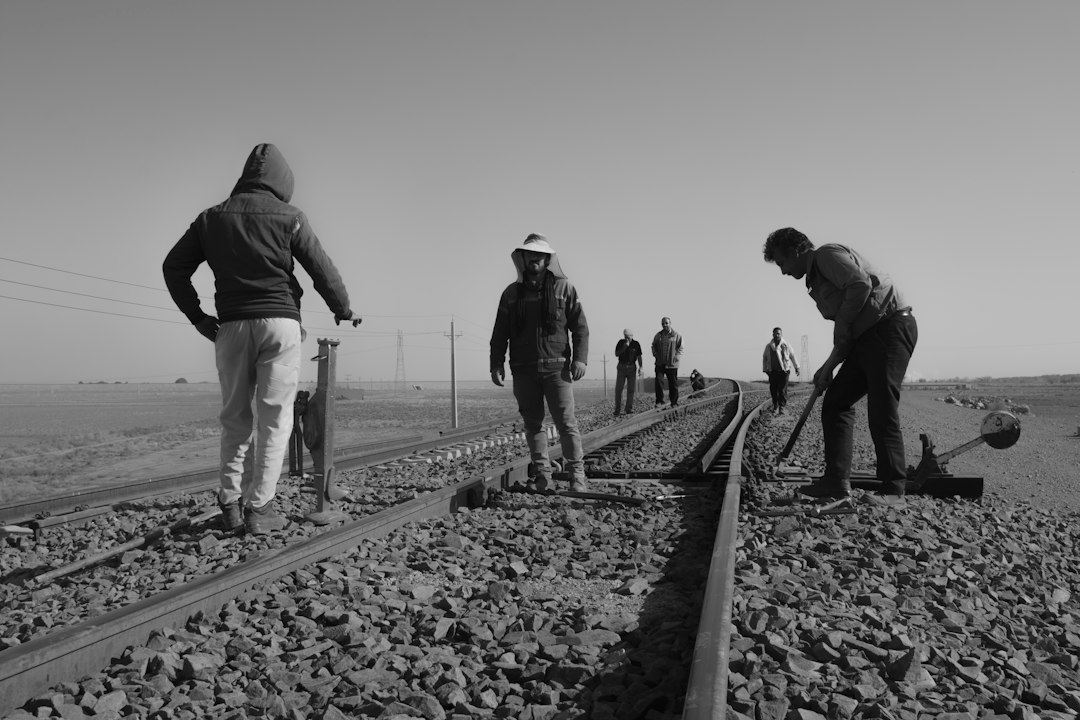
The latter half of the 19th century, a period often characterized as the Gilded Age, witnessed an unprecedented surge in industrialization and westward expansion in the United States. At the heart of this transformative era lay the railroad, a technological marvel that fundamentally reshaped America’s transportation network, economic landscape, and social fabric. From its nascent beginnings, the railroad evolved from a localized curiosity into a colossal engine of progress, connecting disparate regions, facilitating trade on a national scale, and ushering in an era of unparalleled growth. The sheer ambition and scale of railroad construction during this period were staggering, driven by a confluence of entrepreneurial spirit, government incentives, and a burgeoning national consciousness. These iron arteries, snaking across prairies, climbing mountains, and bridging vast rivers, became the lifeblood of a nation rapidly asserting its continental destiny. The impact was profound, not just in terms of physical infrastructure, but in the very way Americans lived, worked, and perceived their country.
The Gilded Age was a time of immense wealth creation, but also of stark inequality and intense competition. Railroad magnates, titans of industry like Cornelius Vanderbilt, Leland Stanford, and Andrew Carnegie, amassed fortunes beyond measure through their control of these vital transportation systems. Their endeavors, while often driven by profit, undeniably laid the groundwork for a unified and interconnected nation. The story of the Gilded Age railroad is not merely one of tracks and locomotives; it is a narrative of vision, innovation, immense labor, and the complex interplay of private enterprise and public interest that ultimately forged the modern American economy. The very concept of “America” began to expand, no longer a collection of distinct regions but a unified entity bound together by the rhythmic pulse of the locomotive.
The Gilded Age was a transformative period in American history, marked by rapid industrialization and the expansion of the railroad network, which played a crucial role in shaping the economy and society. For a deeper understanding of the impact of these railroad projects during that era, you can explore a related article that delves into the intricacies of railroad expansion and its effects on the American landscape. Check it out here: Gilded Age Railroad Projects.
Engineering Marvels and National Ambitions: The Transcontinental Dream
The most audacious and iconic achievement of the Gilded Age railroad era was undoubtedly the completion of the First Transcontinental Railroad in 1869. This monumental undertaking, connecting the eastern United States to the Pacific coast, was more than just a feat of engineering; it was a potent symbol of national unity and Manifest Destiny. The idea of a transcontinental railroad had been discussed for decades, but it was the urgency created by the Civil War, which highlighted the strategic and economic disadvantages of a divided nation, that finally spurred Congress to action. The Pacific Railway Acts of 1862 and 1864 provided crucial land grants and financial subsidies to two competing companies: the Union Pacific, tasked with building westward from Omaha, Nebraska, and the Central Pacific, building eastward from Sacramento, California.
The Union Pacific’s Charge Westward
The Union Pacific faced immense challenges as it pushed its tracks across the vast, often unforgiving plains of the American West. Surveying and construction crews battled harsh weather, hostile indigenous populations, and the constant threat of supply chain disruptions. The workforce was a diverse mix of Irish immigrants, Civil War veterans, and freed slaves, all enduring grueling labor under perilous conditions. The company employed innovative techniques to overcome geographical obstacles, including the use of nitroglycerin for blasting through rock formations and the rapid assembly of prefabricated track sections. Despite setbacks and internal disputes, the Union Pacific made remarkable progress, laying track at an average pace that was, and remains, astonishing. The sheer scale of the operation, involving thousands of laborers and vast quantities of materials, underscored the immense industrial capacity that the Gilded Age was unlocking. The iconic driving of the Golden Spike at Promontory Summit, Utah, on May 10, 1869, marked a pivotal moment in American history, symbolizing the nation’s newfound ability to conquer its own vast geography.
The Central Pacific’s Mountainous Ascent
The Central Pacific’s journey eastward from Sacramento presented a unique and formidable set of challenges, most notably the Sierra Nevada mountain range. The company, led by figures like Leland Stanford, Collis Huntington, and Mark Hopkins, found themselves battling not only the elements but also the sheer granite faces of the mountains. Ingenuity and brute force were employed in equal measure. Vast tunnels had to be carved through the solid rock, a process that was both dangerous and time-consuming. Chinese laborers, brought in for their resilience and willingness to undertake the most dangerous tasks, formed the backbone of the Central Pacific workforce. They endured incredible hardship, working through blizzards, avalanches, and the constant risk of cave-ins. The construction of the famous Donner Pass route, with its sheer drops and treacherous terrain, stands as a testament to their skill and perseverance. The Union Pacific and Central Pacific raced against each other, driven by the land grants and subsidies tied to mileage, a competition that, while sometimes ruthless, ultimately accelerated the completion of this transformative project. The joining of the two lines was a moment of national celebration, ushering in an era where the entire continent was within reach.
Expanding the Network: From Coast to Coast and Beyond
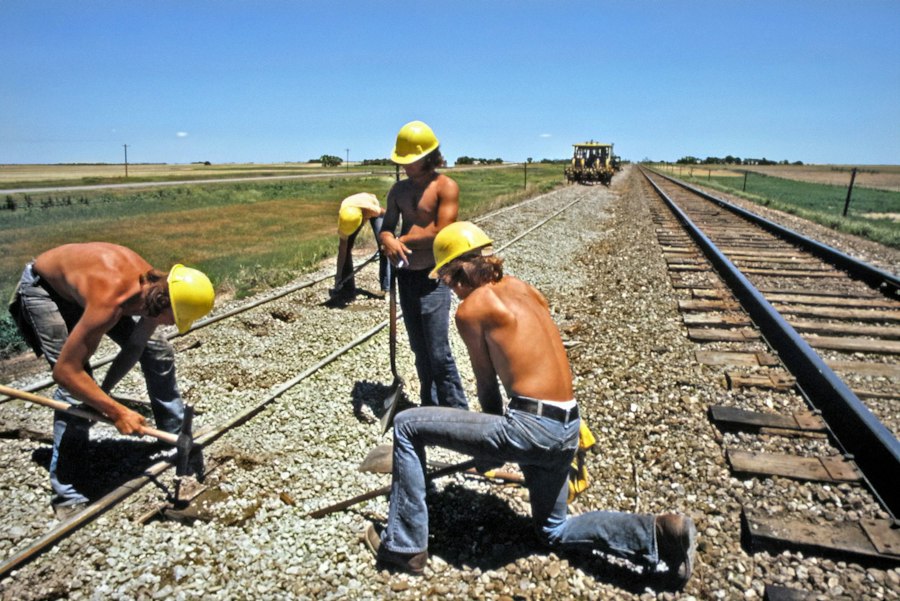
The completion of the First Transcontinental Railroad was not an endpoint, but rather a catalyst for further railroad expansion. The success of this initial venture ignited a fervor for railroad construction across the nation, with new lines branching out like arteries, connecting previously isolated communities and tapping into new sources of natural resources. The Gilded Age saw an explosion of railroad mileage, with companies vying for territory, subsidies, and market share. This era of rapid expansion was characterized by both immense progress and significant controversy, as the pursuit of profit often overshadowed considerations of fairness and environmental impact. The vision of a fully integrated national transportation system, capable of moving goods and people with unprecedented speed and efficiency, became a tangible reality.
The Rise of the Great Northern and Northern Pacific
While the Union Pacific and Central Pacific dominated the initial transcontinental endeavor, other ambitious projects sought to connect different parts of the country. The Northern Pacific Railway, chartered in 1864, aimed to create a northern transcontinental route, connecting the Great Lakes to Puget Sound. Its construction, however, was fraught with financial difficulties and took decades to complete, finally reaching its western terminus in 1883. A more successful and strategically astute endeavor was James J. Hill’s Great Northern Railway. Hill, a shrewd businessman, largely self-financed his project, avoiding the extensive government subsidies that had plagued other lines. His focus on efficient management, lower construction costs, and strategic land acquisition allowed the Great Northern to become a highly profitable and well-managed railroad. Completed in 1893, it offered a superior and more direct route to the Pacific Northwest, challenging the dominance of its competitors and further solidifying the interconnectedness of the nation.
Southern Expansion and Agricultural Development
The South, still recovering from the Civil War, also saw significant railroad development during the Gilded Age. New lines were built to connect burgeoning agricultural centers, facilitating the shipment of cotton, tobacco, and other commodities to northern markets and beyond. The Louisville and Nashville Railroad, for instance, expanded its reach southward, playing a crucial role in the economic revitalization of the region. These lines not only opened up new markets for Southern producers but also facilitated the movement of people and ideas, contributing to the gradual integration of the South into the national economy. The development of refrigerated rail cars, a Gilded Age innovation, further revolutionized agriculture by allowing perishable goods to be transported long distances, opening up new markets and fundamentally changing consumption patterns across the country.
The Human Cost and the Age of Tycoons: Labor and Capital
The breathtaking expansion of America’s railroad network was powered by immense human labor and fueled by colossal capital investments. The Gilded Age was an era of stark contrasts, and the railroad industry was no exception, showcasing both incredible entrepreneurial vision and the exploitation of a vast workforce. The fortunes amassed by railroad magnates stood in sharp relief against the grueling conditions and meager wages of the laborers who laid the tracks and operated the trains. This dichotomy defined the Gilded Age, where innovation and progress were inextricably linked with social and economic disparities. The sheer scale of the undertaking demanded a massive workforce, and the companies often relied on immigrant labor, whose lives and contributions are a crucial, albeit often overlooked, part of this narrative.
The Immigrant Backbone of Construction
The construction of railroads across the United States was a Herculean task, and the primary workforce consisted of immigrants from various parts of the world. Chinese laborers, as previously mentioned, were instrumental in the construction of the Central Pacific, enduring some of the most dangerous and arduous work, including tunneling through mountains and blasting rock. Their contributions were vital, yet they faced immense discrimination and were often paid less than their white counterparts. Similarly, Irish immigrants formed a significant portion of the Union Pacific workforce, bringing with them a strong work ethic and a willingness to undertake physically demanding labor. Other immigrant groups, including Italians and Eastern Europeans, also contributed to the railroad construction efforts as the industry expanded. These laborers, often working in harsh conditions with little regard for their safety or well-being, were the unsung heroes of the Gilded Age, laying the physical foundation for America’s industrial might.
The Rise of the Railroad Barons
At the apex of the railroad enterprise stood the “robber barons” or “captains of industry,” men who wielded immense economic and political power. Cornelius Vanderbilt, often referred to as the “Commodore,” consolidated numerous smaller rail lines to create the New York Central Railroad, a sprawling network that dominated Eastern transportation. Leland Stanford, as president of the Central Pacific, played a key role in the transcontinental railroad’s construction and later became governor of California and a U.S. Senator. Jay Gould, a notoriously ruthless financier, engaged in aggressive stock manipulation and mergers, often leaving a trail of bankruptcies and ruined investors in his wake. These men, through their strategic acumen, often ruthless business practices, and access to capital, shaped the destiny of the American railroad system, amassing fortunes that were unprecedented for their time. Their influence extended beyond the financial realm, impacting political decisions and public policy.
The Gilded Age was a transformative period in American history, marked by rapid industrialization and the expansion of the railroad network, which played a crucial role in shaping the economy and society of the time. For those interested in exploring the impact of these railroad projects further, a fascinating article can be found at My Geo Quest, where the intricate connections between transportation and economic growth during this era are examined in detail. Understanding these developments provides valuable insights into the complexities of the Gilded Age and its lasting effects on modern America.
The Ripple Effect: Economic, Social, and Environmental Transformations
| Railroad Project | Year Completed | Length (miles) | Primary Region | Key Impact | Estimated Cost (millions) |
|---|---|---|---|---|---|
| Transcontinental Railroad | 1869 | 1,912 | West Coast to Midwest | Connected East and West coasts | 50 |
| Great Northern Railway | 1893 | 1,700 | Midwest to Pacific Northwest | Opened northern route to Pacific | 40 |
| Southern Pacific Railroad | 1883 | 3,000 | Southwest and California | Facilitated trade and migration | 60 |
| Chicago, Burlington and Quincy Railroad | 1885 | 4,500 | Midwest | Major freight and passenger routes | 35 |
| Union Pacific Railroad | 1869 | 1,085 | Midwest to West | Part of first transcontinental line | 45 |
The Gilded Age railroad boom was far more than just the laying of tracks; it was a transformative force that reshaped the very fabric of American society, economy, and environment. Its impact rippled outward, touching nearly every aspect of national life and paving the way for the modern United States. The ability to move goods and people with unprecedented speed and efficiency unleashed a wave of economic growth, spurred westward migration, and fundamentally altered the relationship between different regions of the country. The environmental consequences, though often overlooked at the time, were also significant and long-lasting.
Unlocking the West and National Markets
The railroad’s most profound impact was its role in opening up the American West to settlement and economic development. Previously inaccessible territories became reachable, facilitating the movement of settlers, prospectors, and farmers. The availability of transportation allowed for the efficient extraction and shipment of valuable natural resources like timber, minerals, and agricultural products to burgeoning industrial centers in the East. This created national markets for goods and services, fostering specialization and increasing overall productivity. Railroads also played a crucial role in the growth of cities, as new towns sprung up along the lines, becoming centers of commerce and transportation hubs. The iconic image of the “cowboy” and the vast ranches became possible largely due to the railroad’s ability to transport cattle to eastern markets.
The Dawn of Consumerism and Industrial Growth
The widespread availability of transportation facilitated by railroads was a key driver of the Gilded Age’s burgeoning consumer culture. Goods produced in factories could be distributed across the country, making a wider variety of products accessible to more people. This, in turn, spurred further industrial growth as demand increased. The railroad industry itself was a massive consumer of raw materials, particularly iron, steel, and coal, thus fueling the growth of those heavy industries. The demand for locomotives, carriages, and rail infrastructure stimulated innovation in manufacturing processes and technologies. The interconnectedness fostered by the railroads also allowed for a more efficient division of labor and the development of large-scale enterprises, laying the groundwork for the modern corporate economy.
Environmental Alterations and Indigenous Displacement
The rapid expansion of railroads across the American landscape, while economically beneficial, came at a significant environmental cost and led to the displacement of Indigenous populations. Vast tracts of land were cleared for rights-of-way, impacting ecosystems and wildlife habitats. The construction of dams and bridges altered waterways, and the increased demand for resources like timber and coal put pressure on natural environments. More critically, the railroad’s advance into the West directly contributed to the dispossession and forced relocation of Native American tribes from their ancestral lands. The railroad facilitated the movement of settlers and military forces, enabling the government to enforce its policies of westward expansion and assimilation. The buffalo herds, a cornerstone of many Plains tribes’ cultures and economies, were decimated by the combined pressures of the railroad’s disruption of their migration routes and the rise of commercial hunting that the railroad enabled. The Gilded Age railroad, therefore, represents a complex legacy, a testament to human ingenuity and ambition, but also a stark reminder of the profound social and environmental consequences that often accompany rapid progress.
The Railroad That Bet on the Panama Canal—and Lost
FAQs
What were some major railroad projects during the Gilded Age?
Some major railroad projects during the Gilded Age included the Transcontinental Railroad, the Northern Pacific Railway, the Atchison, Topeka, and Santa Fe Railway, and the Southern Pacific Railroad.
How did the government support railroad projects during the Gilded Age?
The government supported railroad projects during the Gilded Age through land grants, subsidies, and loans. The Pacific Railway Acts of 1862 and 1864 provided federal support for the construction of the Transcontinental Railroad.
What impact did railroad projects have on the economy during the Gilded Age?
Railroad projects had a significant impact on the economy during the Gilded Age. They facilitated the transportation of goods and people across long distances, promoted industrialization, and spurred economic growth and development.
Who were some key figures involved in Gilded Age railroad projects?
Some key figures involved in Gilded Age railroad projects included Cornelius Vanderbilt, Jay Gould, Leland Stanford, and James J. Hill. These individuals were prominent railroad tycoons who played a major role in the expansion of the railroad network.
What were some challenges faced during the construction of Gilded Age railroad projects?
Some challenges faced during the construction of Gilded Age railroad projects included harsh working conditions for laborers, engineering obstacles such as building through mountainous terrain, financial difficulties, and competition between rival railroad companies.