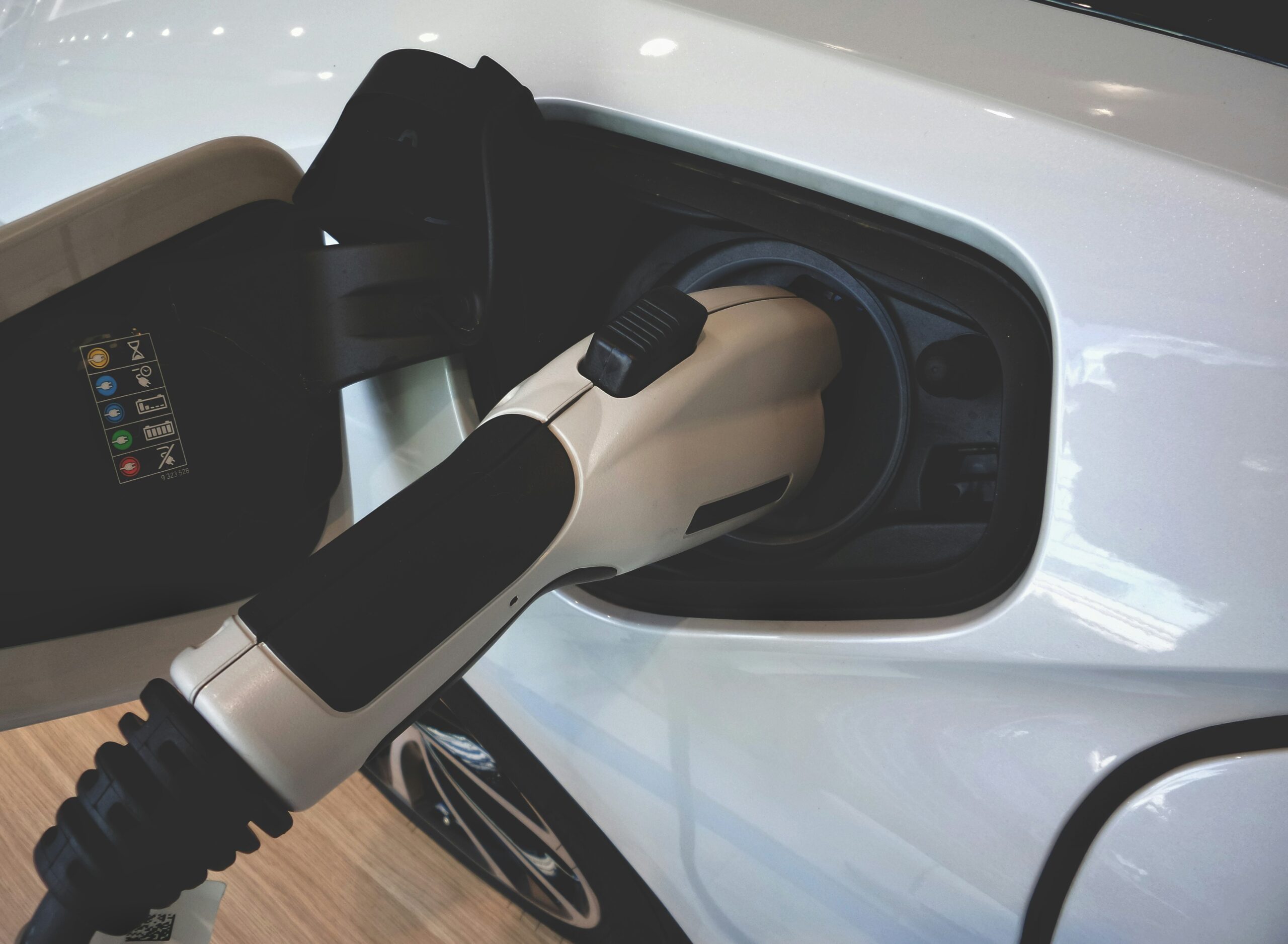
The persistent hum of the modern world is, increasingly, powered by batteries. From the smartphones in our pockets to the electric vehicles navigating our streets and the vast grid-scale storage systems stabilizing our power grids, batteries have become indispensable. However, this ubiquitous technology is far more than just a consumer convenience or an environmental solution; it is at the heart of a complex web of geopolitical power struggles and a potent tool shaping global influence. The geopolitics of batteries is a rapidly evolving landscape, characterized by resource competition, technological races, supply chain vulnerabilities, and the strategic maneuvering of nations seeking to secure their energy future and economic dominance.
The production of batteries, particularly the lithium-ion technology that dominates the market, is heavily reliant on a specific set of critical minerals. Lithium, cobalt, nickel, graphite, and manganese are the essential building blocks, and their uneven distribution across the globe creates inherent geopolitical fault lines. Nations that possess significant reserves of these minerals hold a powerful hand, capable of influencing global prices, dictating terms of access, and leveraging their resources for strategic advantage. Conversely, countries that are heavily dependent on imports for these raw materials face considerable vulnerability, subject to the whims of producer nations and the fragility of international supply chains.
The Lithium Triangle: A Geopolitical Hotspot
The arid landscapes of South America, specifically Argentina, Bolivia, and Chile, form the “Lithium Triangle,” a region accounting for over half of the world’s known lithium reserves. This geographic concentration makes these nations key players in the global battery economy. The extractability of lithium from brine deposits in this region is generally less energy-intensive and therefore cheaper than hard-rock mining, giving these producers a significant cost advantage. However, the political stability, regulatory frameworks, and national policies within these countries can drastically impact global lithium supply and pricing.
- Nationalization and Resource Nationalism: Concerns over foreign exploitation of vital resources have led some governments in the Lithium Triangle to explore or implement policies of increased state control over lithium extraction and processing. This can manifest as higher royalties, joint ventures with state-owned enterprises, or even outright nationalization of mining operations. Such moves, while aimed at maximizing national benefit, can deter foreign investment and create uncertainty for global battery manufacturers.
- Water Scarcity and Environmental Concerns: The extraction of lithium from brine deposits requires substantial amounts of water, a precious commodity in the arid regions where it is found. This has led to growing environmental concerns and disputes with local communities over water usage and potential contamination. These issues can slow down or halt production, further impacting supply and creating diplomatic challenges for the governments involved.
- China’s Growing Presence: China, a dominant force in battery manufacturing, has been aggressively investing in lithium mining and processing operations in South America. Through state-backed companies and strategic partnerships, Beijing aims to secure its raw material supply chain, giving it an unparalleled advantage in the downstream battery industry. This increasing Chinese influence raises concerns for other nations seeking to diversify their own supply and reduce reliance on a single dominant player.
Cobalt’s Moral and Geopolitical Dilemma
Cobalt is another indispensable component of many lithium-ion batteries, particularly those requiring higher energy density. However, the vast majority of the world’s cobalt is mined in the Democratic Republic of Congo (DRC), a nation plagued by political instability, corruption, and widespread human rights abuses, including the use of child labor in artisanal mines. This creates a complex ethical and geopolitical dilemma for battery manufacturers and governments worldwide.
- Supply Chain Transparency and Ethical Sourcing: The reliance on the DRC for cobalt has spurred efforts towards greater supply chain transparency and ethical sourcing initiatives. Companies are investing in traceability technologies and engaging in due diligence to ensure their cobalt is not sourced from conflict zones or through exploitative labor practices. However, achieving true transparency in a fragmented and often opaque mining sector remains a significant challenge.
- Strategic Stockpiling and Diversification Efforts: Due to the geopolitical risks associated with cobalt supply from the DRC, some nations and corporations are exploring strategies for strategic stockpiling of cobalt or seeking to diversify their sources by investing in deposits in other countries like Australia, Canada, and the Philippines. These efforts, however, are often hampered by the discovery and development of new cobalt mines being a lengthy and capital-intensive process.
- China’s Dominance in Processing: Even though cobalt is mined in various locations, China controls a significant portion of the global cobalt refining and processing capacity. This means that even if raw cobalt is sourced from elsewhere, the refined product often passes through Chinese hands, further concentrating power and influence in Beijing’s favor.
Nickel and Graphite: The Quiet Pillars
While lithium and cobalt often dominate headlines, nickel and graphite are equally crucial for battery performance and cost. Nickel is essential for the cathode chemistry in many high-energy density batteries, and while its reserves are more widely distributed than cobalt, geopolitical factors can still influence its availability and price. Graphite, used in the anode of lithium-ion batteries, is overwhelmingly sourced from China, presenting another significant concentration of supply chain risk.
- Indonesia’s Nickel Ambitions: Indonesia, with massive nickel reserves, is strategically positioning itself as a key player in the battery supply chain. The government has actively encouraged downstream processing, aiming to capture more value domestically and attract significant foreign investment, particularly from battery manufacturers. This focus on building a domestic battery ecosystem, much like China’s strategy, could shift the global balance of power in nickel supply and battery production.
- China’s Graphite Hegemony: China’s near-monopoly on graphite production presents a significant vulnerability for the global battery industry. The country has historically restricted exports of natural graphite, and has also invested heavily in synthetic graphite production. Any disruption to Chinese graphite supply, whether due to political decisions, environmental regulations, or trade disputes, could have a profound impact on battery manufacturing worldwide. This has spurred some nations to explore alternative graphite sources or synthetic production methods, though these are often more expensive and less established.
In recent discussions surrounding the geopolitics of batteries, an insightful article can be found on MyGeoQuest that delves into the strategic implications of battery production and resource allocation in the global market. This piece highlights how the race for lithium and other essential materials is reshaping international relations and economic policies. For more in-depth analysis, you can read the article here: Geopolitics of Batteries.
The Technological Arms Race: Innovation and Dominance
Beyond the control of raw materials, the geopolitics of batteries is also defined by a fierce technological arms race. Nations are investing heavily in research and development to improve battery performance, reduce costs, enhance safety, and explore next-generation battery chemistries that may rely on different, more accessible minerals. The country that leads in battery innovation can gain a significant economic and strategic advantage, shaping the future of transportation, energy storage, and numerous other industries.
Lithium-ion: The Reigning Champion and Its Evolution
Lithium-ion batteries have been the undisputed champion for decades, but ongoing research is continuously improving their capabilities. This includes increasing energy density for longer-range electric vehicles, faster charging times, and enhanced lifespan.
- NCM vs. LFP: Within lithium-ion technology, there are various chemistries. Nickel-Manganese-Cobalt (NMC) cathodes offer higher energy density, making them ideal for performance-oriented vehicles. Lithium Iron Phosphate (LFP) cathodes, on the other hand, are generally more affordable, safer, and have a longer cycle life, making them increasingly popular for entry-level EVs and grid storage. The dominance of certain chemistries can shift based on evolving technological advancements and cost considerations.
- The Role of Patents and Intellectual Property: Control over key battery patents and intellectual property is a crucial element of technological dominance. Nations and companies that hold these patents can license them, collect royalties, or use them to build barriers to entry for competitors. This aspect of the battery race is often characterized by fierce legal battles and strategic acquisitions.
The growing importance of battery technology in global geopolitics is highlighted in a recent article that explores how nations are competing for resources essential for battery production. As countries strive to secure lithium, cobalt, and nickel, the dynamics of international relations are shifting, with implications for trade and security. For a deeper understanding of these developments, you can read more in this insightful piece on the geopolitics of batteries found at this link.
Beyond Lithium-ion: The Quest for Next-Generation Batteries
While lithium-ion technology continues to evolve, the search for even more advanced battery solutions is intensifying. This includes exploring chemistries that utilize more abundant and less problematic materials.
- Solid-State Batteries: Solid-state batteries, which replace the liquid electrolyte with a solid one, are seen as the next frontier. They promise greater safety, higher energy density, and faster charging. Several countries and companies are pouring significant resources into developing this technology, with the potential to revolutionize the battery landscape and reduce reliance on critical minerals like lithium and cobalt.
- Sodium-ion and Other Alternatives: Researchers are also exploring battery chemistries based on sodium, sulfur, and even zinc. These chemistries often utilize more readily available and cheaper materials. While still in earlier stages of development compared to solid-state, they offer exciting prospects for a more sustainable and accessible battery future, potentially disrupting the current geopolitical dynamics.
Strategic Investments and Industrial Policy: Government as a Key Player

Recognizing the immense strategic and economic importance of battery technology, governments worldwide are actively intervening through industrial policies, subsidies, and strategic investments. This is not simply about supporting a burgeoning industry; it is about securing national energy independence, fostering economic growth, creating high-skilled jobs, and asserting geopolitical influence.
The Rise of Battery Manufacturing Hubs
Several nations are actively pursuing strategies to become major battery manufacturing hubs, aiming to capture a significant share of the global battery value chain. This involves attracting investment in gigafactories, developing supporting infrastructure, and fostering a skilled workforce.
- The European Union’s Green Deal and Battery Alliance: The EU has set ambitious targets for decarbonization and has identified batteries as a cornerstone of its green transition. The European Battery Alliance was established to mobilize public and private investment to build a competitive and sustainable battery industry within the Union, reducing its reliance on imports, particularly from Asia.
- The United States’ Inflation Reduction Act (IRA): The IRA represents a significant shift in US industrial policy, offering substantial tax credits and incentives for domestic battery manufacturing and electric vehicle production. The aim is to onshore critical parts of the supply chain, create jobs, and bolster national security by reducing dependence on foreign supply chains.
- China’s Continued Dominance and Global Expansion: China has been a trailblazer in this regard, with a massive domestic battery manufacturing capacity and a clear strategy to dominate the global market. Chinese companies are not only leading in production but are also expanding their reach through investments and acquisitions in battery component manufacturing and even raw material extraction in other countries.
Subsidies, Tariffs, and Trade Wars
Governments utilize a range of policy tools to shape the battery landscape. Subsidies can accelerate the growth of domestic industries, while tariffs can protect them from foreign competition. However, these measures can also lead to trade disputes and geopolitical tensions.
- The Role of Government Funding in R&D: Significant government funding for battery research and development is crucial for fostering innovation. This can involve grants for universities, national laboratories, and private companies engaged in cutting-edge battery science.
- Navigating Trade Barriers and Protectionism: As nations prioritize domestic production, they may erect trade barriers, such as tariffs or local content requirements. This can lead to retaliatory measures from other countries, potentially escalating into trade wars and disrupting global supply chains for batteries and related components.
The Future of Energy and Geopolitical Leverage
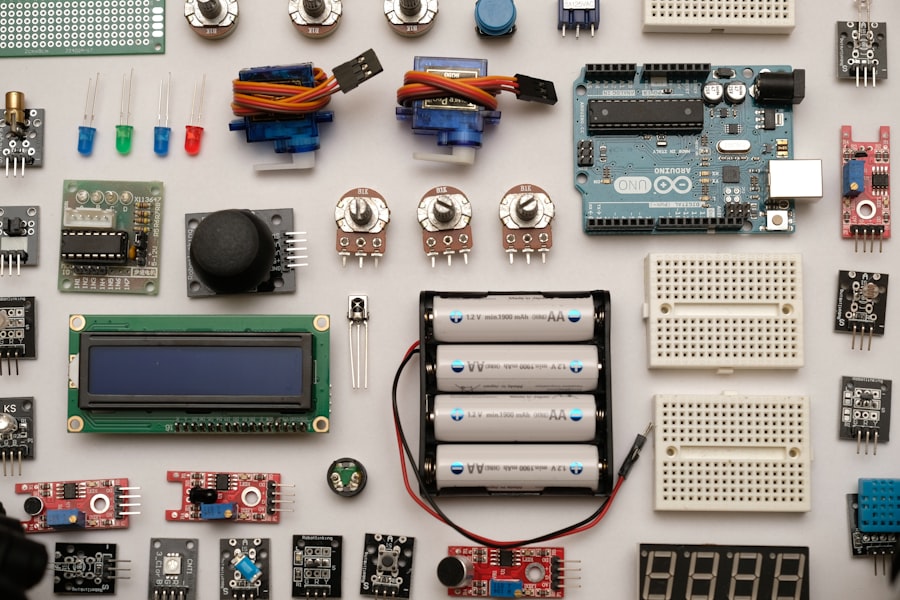
The ongoing transition to renewable energy sources and electric mobility is fundamentally reshaping the global energy landscape. As batteries become increasingly central to this transition, their geopolitical significance will only continue to grow. The nations that can secure their battery supply chains, lead in technological innovation, and implement effective industrial policies will emerge as the dominant players in the 21st century, wielding considerable geopolitical leverage across a range of sectors.
Energy Independence and National Security
For many nations, the pursuit of battery technology and its associated resources is directly linked to energy independence and national security. Reducing reliance on imported fossil fuels and establishing domestic renewable energy infrastructure, powered by secure battery storage solutions, is a strategic imperative.
- The Electric Vehicle Revolution: The widespread adoption of electric vehicles is a key driver of battery demand. Nations that can lead in EV production and battery manufacturing are better positioned to achieve energy independence in the transportation sector, a significant consumer of energy.
- Grid-Scale Energy Storage: The intermittency of renewable energy sources like solar and wind necessitates robust energy storage solutions. Batteries are crucial for grid stabilization, allowing for the reliable integration of renewables and reducing dependence on fossil fuel power plants. This capability is vital for national energy security.
The Geopolitical Impact of Battery Dominance
The control over battery technology and supply chains translates into significant geopolitical leverage. This influence can manifest in various ways, impacting trade relationships, diplomatic negotiations, and even international security.
- Technological Leadership as a Soft Power Tool: Countries at the forefront of battery innovation can leverage their technological prowess as a form of soft power, attracting talent, investment, and partnerships from other nations.
- Resource Diplomacy and Strategic Alliances: The competition for critical minerals and battery components can lead to the formation of new strategic alliances and recalibrate existing ones. Nations may engage in resource diplomacy, offering access to minerals in exchange for technological assistance or market access.
- The Risk of “Resource Currencies”: In a future where battery inputs become increasingly scarce and in high demand, there is a theoretical risk of certain nations using their control over essential battery minerals as a form of “resource currency” to exert influence over global economic and political affairs.
In conclusion, the geopolitics of batteries is a complex and dynamic phenomenon, intertwined with the global pursuit of clean energy, technological advancement, and economic prosperity. The power struggles over critical minerals, the race for technological innovation, and the strategic interventions of governments are all shaping a future where batteries are not just energy storage devices, but potent instruments of global influence. Understanding these intricate dynamics is essential for navigating the evolving global landscape and for charting a course towards a more secure and sustainable energy future.

The Map Behind Every Battery
FAQs
What is the geopolitics of batteries?
The geopolitics of batteries refers to the global competition and strategic importance of battery technology, including the production and supply of key materials such as lithium, cobalt, and nickel.
Why is the geopolitics of batteries important?
The geopolitics of batteries is important because batteries are essential for the transition to renewable energy and the electrification of transportation, making them a critical component of global energy security and sustainability.
Which countries are key players in the geopolitics of batteries?
Key players in the geopolitics of batteries include China, which dominates the production of battery materials and electric vehicles, as well as countries with significant reserves of lithium, cobalt, and nickel such as Australia, Chile, and the Democratic Republic of Congo.
What are the potential geopolitical implications of the shift to battery-powered technology?
The shift to battery-powered technology could lead to increased competition and strategic alliances among countries for access to key materials, as well as potential geopolitical tensions over supply chains and technological dominance.
How are governments and industry addressing the geopolitics of batteries?
Governments and industry are addressing the geopolitics of batteries through efforts to diversify supply chains, develop domestic sources of key materials, and invest in research and development of alternative battery technologies.