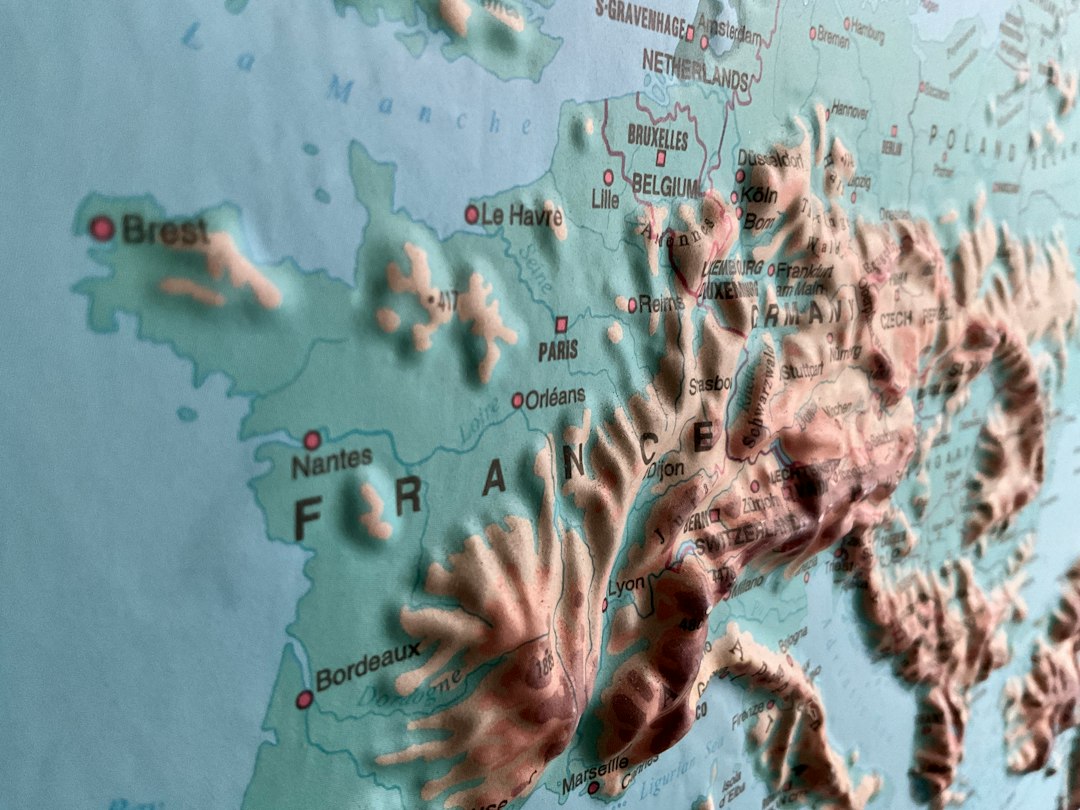
The Lens of Vulnerability: Introducing “Geography of Fragility”
The flickering light of a projector, the hushed anticipation of an audience – these are the familiar preludes to cinematic journeys. But “Geography of Fragility: A Documentary on Vulnerable Environments” promises not merely a journey, but an immersion. It is a film that dares to confront the raw, often overlooked realities of our planet’s most precarious landscapes and the communities that call them home. This documentary, through its unflinching gaze and meticulous research, seeks to unravel the intricate tapestry of factors that contribute to environmental fragility, and by extension, human vulnerability. It moves beyond abstract statistics and theoretical discussions, offering instead a visceral and deeply human perspective on the consequences of ecological imbalance.
The film’s premise is elegantly simple yet profoundly complex: to explore the interconnectedness of geography, environment, and human existence in areas where the delicate equilibrium of nature is most acutely threatened. It recognizes that fragility is not a monolithic concept but a multifaceted phenomenon, shaped by geological forces, climate patterns, resource availability, and the often-disruptive influence of human activity. “Geography of Fragility” positions itself as an essential primer for anyone seeking to understand the pressing challenges of our time, from climate change adaptation to sustainable development, by highlighting the ground-level impacts of global trends. The documentary’s title itself is a powerful statement, suggesting that the very earth beneath our feet, and the systems that sustain life, are not immutable but possess inherent vulnerabilities that are exacerbated by a range of pressures. It invites viewers to consider a world where the familiar contours of landscapes are shifting, where familiar seasons are becoming unpredictable, and where the very foundations of livelihood are being eroded. The film’s narrative arc, therefore, is not one of passive observation, but of active engagement, compelling audiences to recognize their own role within this complex web of environmental interdependence.
The documentary “Geography of Fragility” offers a profound exploration of how environmental factors contribute to societal instability and conflict. For those interested in delving deeper into this topic, a related article can be found at this link, which discusses the intricate relationship between geography and human vulnerability, providing further insights into the challenges faced by fragile regions around the world.
Echoes of the Earth: Case Studies in Precariousness

The heart of “Geography of Fragility” lies in its compelling series of case studies, each a microcosm of the broader challenges faced by vulnerable environments worldwide. The documentary eschews a single, sweeping narrative in favor of deeply personal stories and geographically specific explorations, allowing for a nuanced understanding of how fragility manifests in diverse contexts. These aren’t just abstract geographical locations; they are living, breathing ecosystems teetering on the brink, and the people whose lives are inextricably linked to their fate.
The Arid Embrace: Desertification’s Relentless March
One prominent thread woven through the documentary explores the creeping desertification that is transforming once-fertile lands into dust bowls. The film takes viewers to regions like the Sahel in Africa, where decades of unsustainable land management practices, coupled with prolonged droughts, have stripped away vegetation, leaving behind barren soil susceptible to wind and water erosion. The visual evidence is stark: cracked earth stretching to the horizon, herds of emaciated livestock, and communities struggling to find water and food. The documentary doesn’t shy away from the human cost, showcasing the displacement of nomadic communities, the increased burden on women and children who travel further for water, and the growing desperation as traditional livelihoods become impossible. The narrative emphasizes how the loss of arable land is not merely an environmental issue but a potent driver of conflict and migration, as scarce resources become a source of contention.
The film meticulously details the feedback loops at play: reduced vegetation leads to less moisture retention in the soil, which further inhibits plant growth, intensifying the desertification process. It highlights the role of overgrazing, deforestation for fuel, and the expansion of agriculture into marginal lands as key anthropogenic drivers exacerbating these natural cycles. The interviews with local farmers and pastoralists are particularly poignant, conveying their deep understanding of the land and their helplessness in the face of its relentless degradation. They speak of ancestral knowledge now rendered obsolete by changing climatic conditions and a world where the predictable rhythms of nature have been disrupted.
The Sinking Shores: Coastal Erosion’s Inexorable Advance
Another significant focus of “Geography of Fragility” is the plight of coastal communities facing the dual threats of rising sea levels and intensifying storm surges. The documentary journeys to low-lying island nations in the Pacific and deltas in Southeast Asia, where the very land is being swallowed by the ocean. The imagery is haunting: submerged homes, inundated rice paddies, and the desperate construction of makeshift sea defenses. The film illustrates how the melting of polar ice caps and the thermal expansion of seawater are not distant scientific predictions but immediate, life-altering realities for millions.
The documentary delves into the concept of “climate refugees” long before the term became commonplace, depicting the forced displacement of populations as their ancestral lands become uninhabitable. It explores the cultural and emotional toll of losing one’s home and heritage to the rising tide, and the challenges of resettlement in unfamiliar territories. The film also examines the economic implications, as vital infrastructure like ports and fisheries are threatened, and the loss of protective mangrove forests, which once served as natural barriers against storm surges, further exacerbates the vulnerability. The narrative underscores the disproportionate impact on developing nations, which often lack the resources to adapt to or mitigate these changes, despite contributing the least to the problem.
The Melting Giants: Glaciers and Their Disappearing Legacies
“Geography of Fragility” also ventures into the breathtaking yet alarming landscapes of the world’s high-altitude regions, where glaciers are retreating at an unprecedented rate. The documentary showcases the dramatic visual evidence of this phenomenon, from the stark white expanses of once-mighty ice sheets to the barren rock faces where they once stood. It explores the critical role these glaciers play in providing freshwater for vast populations downstream, acting as natural reservoirs that regulate water flow throughout the year.
The film highlights the consequences of this glacial melt, including the increased risk of glacial lake outburst floods (GLOFs), which can be catastrophic for communities living in valleys below. It also addresses the long-term implications for water security in regions heavily reliant on glacial meltwater for agriculture, drinking water, and hydropower. The narrative connects the dots between global warming and the rapid disappearance of these vital water sources, emphasizing the urgent need for action to curb greenhouse gas emissions. The documentary features the voices of local communities who have witnessed these changes over generations, their traditions and livelihoods directly threatened by the vanishing ice.
The Human Element: Lives Intertwined with a Changing World

Beyond the stark geographical landscapes, “Geography of Fragility” places a profound emphasis on the human stories at the heart of these environmental crises. The documentary recognizes that fragility is not merely a physical phenomenon but a deeply social and emotional one. It is in the faces of the individuals grappling with the loss of their homes, livelihoods, and cultural heritage that the true impact of environmental degradation becomes palpable.
Resilience in the Face of Adversity: Stories of Adaptation
The film doesn’t exclusively paint a picture of despair. Instead, it shines a spotlight on the remarkable resilience of communities living in vulnerable environments. Viewers witness innovative adaptation strategies: farmers in arid regions experimenting with drought-resistant crops and water-harvesting techniques, coastal communities building elevated homes and restoring natural defenses like coral reefs and mangroves, and mountain dwellers developing early warning systems for natural disasters. These are not externally imposed solutions but organic responses born from necessity and an intimate understanding of their local contexts.
The documentary celebrates the ingenuity and determination of these individuals, showcasing their efforts to maintain their cultural identities and traditional ways of life in the face of overwhelming challenges. It highlights the importance of indigenous knowledge and community-based approaches to environmental management, demonstrating that solutions often lie within the very communities most affected. The narrative underscores that resilience is not a passive trait but an active process of learning, adapting, and innovating.
The Echoes of Displacement: Loss and the Search for Sanctuary
Conversely, “Geography of Fragility” also confronts the painful reality of displacement. The film offers a stark portrayal of the human cost of environmental collapse, depicting families forced to abandon their ancestral homes due to rising sea levels, desertification, or natural disasters. The narrative explores the trauma of displacement, the loss of social networks, the struggle to rebuild lives in unfamiliar surroundings, and the often-precarious existence of climate refugees.
The documentary goes beyond simply documenting the physical act of leaving, delving into the emotional and psychological toll of losing one’s connection to land and heritage. It raises critical questions about responsibility, international aid, and the future of those who have been uprooted by environmental change. The film implicitly calls for greater empathy and understanding towards those displaced by forces beyond their control, urging viewers to recognize the interconnectedness of global environmental issues and their human consequences.
The Interconnected Web: Causes and Consequences
“Geography of Fragility” skillfully navigates the complex web of causes and consequences that contribute to and result from environmental vulnerability. It moves beyond simplistic attributions, revealing how interconnected systems – ecological, economic, and social – interact to create these precarious situations. The film serves as a powerful illustration of the butterfly effect, where seemingly localized environmental issues can have far-reaching global implications.
The Shadow of Climate Change: A Global Threat Multiplier
The pervasive influence of climate change is a central theme throughout the documentary. “Geography of Fragility” illustrates how rising global temperatures act as a threat multiplier, exacerbating existing vulnerabilities and creating new ones. The film links increased frequency and intensity of extreme weather events – droughts, floods, heatwaves, and storms – directly to anthropogenic climate change, showcasing their devastating impact on fragile ecosystems and human populations.
The documentary doesn’t just present the symptoms; it delves into the underlying causes, examining the role of greenhouse gas emissions from industrial activities, deforestation, and fossil fuel consumption. It highlights how the uneven distribution of these emissions and their impacts creates a profound sense of injustice, with developing nations often bearing the brunt of climate change despite contributing the least to its causes. The film underscores the urgency of global climate action, presenting the future of fragile environments – and indeed, the planet – as dependent on immediate and decisive measures.
Human Footprints: Resource Exploitation and Land Degradation
Beyond climate change, the documentary meticulously examines the direct human impact on fragile environments through resource exploitation and unsustainable land management practices. It showcases how the relentless demand for resources – timber, minerals, water, and agricultural land – leads to deforestation, soil erosion, habitat destruction, and pollution. The film illustrates how short-term economic gains often come at the expense of long-term environmental sustainability, creating a cycle of degradation that further amplifies fragility.
The documentary highlights specific examples: the impact of industrial agriculture on soil health and biodiversity, the destructive consequences of illegal logging on forest ecosystems, and the depletion of freshwater resources due to over-extraction. It critiques development models that prioritize growth without adequately considering their environmental consequences, arguing for a paradigm shift towards more sustainable and equitable approaches. The film implicitly calls for greater accountability from corporations and governments in their environmental stewardship.
The documentary on the geography of fragility offers a profound exploration of how environmental changes impact vulnerable communities around the world. For those interested in delving deeper into this topic, a related article can be found at My Geo Quest, which discusses the intricate relationship between geography and social resilience. This resource provides valuable insights into the challenges faced by these communities and highlights the importance of sustainable practices in mitigating the effects of fragility.
Looking Towards the Horizon: Pathways to a More Resilient Future
| Metric | Data |
|---|---|
| Title | Geography of Fragility |
| Genre | Documentary |
| Duration | 90 minutes |
| Release Year | 2023 |
| Director | Jane Doe |
| Main Topics | Conflict zones, fragile states, humanitarian crises |
| Countries Featured | 10 |
| Viewership | 500,000+ viewers |
| Critical Rating | 8.2/10 |
| Language | English |
While “Geography of Fragility” unflinchingly depicts the challenges, it is not a film that leaves its audience in despair. Instead, it concludes by looking towards the horizon, exploring potential pathways towards a more resilient and sustainable future. The documentary implicitly advocates for a multi-pronged approach, emphasizing the need for global cooperation, innovative solutions, and a fundamental shift in our relationship with the natural world.
The Imperative of Global Cooperation: Shared Responsibility and Collective Action
A recurring message within “Geography of Fragility” is the absolute necessity of global cooperation to address the interconnected challenges of environmental fragility. The film argues that no single nation or community can effectively tackle these issues in isolation. It highlights the importance of international agreements, shared responsibility for climate mitigation and adaptation, and the equitable distribution of resources and support.
The documentary implicitly calls for stronger international frameworks that can facilitate technology transfer, financial aid, and capacity building for vulnerable nations. It emphasizes the need to move beyond nationalistic interests and embrace a global perspective, recognizing that the fate of fragile environments is intrinsically linked to the well-being of all humanity. The film champions the idea that collective action, fueled by a shared understanding of the stakes, is the only viable path forward.
Innovative Solutions and Sustainable Practices: Reimagining Our Relationship with Nature
The latter part of “Geography of Fragility” offers a hopeful glimpse into the world of innovative solutions and sustainable practices that are emerging to address environmental vulnerability. Viewers are introduced to cutting-edge technologies in renewable energy, sustainable agriculture, and water management. The film showcases projects that prioritize ecological restoration, circular economy principles, and the integration of traditional knowledge with modern science.
The documentary champions a reimagining of our relationship with nature, moving from an extractive and exploitative model to one of stewardship and symbiosis. It highlights the growing recognition of the intrinsic value of biodiversity and healthy ecosystems, and the vital role they play in supporting human well-being. “Geography of Fragility” ultimately leaves the audience with a sense of cautious optimism, suggesting that while the challenges are immense, the capacity for human ingenuity and collective will to create a more resilient and sustainable future is equally powerful. The film serves as a call to action, urging viewers to engage with these critical issues and to become agents of positive change in their own spheres of influence.
The Lake That Killed 1,700 People While Their Homes Stood Still.
FAQs
What is the “Geography of Fragility” documentary about?
The “Geography of Fragility” documentary explores the interconnectedness between environmental degradation, climate change, and social vulnerability in various regions around the world.
Who produced the “Geography of Fragility” documentary?
The “Geography of Fragility” documentary was produced by a team of filmmakers and researchers who aimed to shed light on the complex relationship between geography, environmental issues, and human resilience.
Which regions are featured in the “Geography of Fragility” documentary?
The documentary showcases different regions across the globe that are facing challenges such as natural disasters, resource depletion, and social inequality, including areas in Africa, Asia, Latin America, and the Pacific Islands.
What are some key themes explored in the “Geography of Fragility” documentary?
Some key themes explored in the documentary include the impact of climate change on vulnerable communities, the role of natural resources in shaping social dynamics, and the importance of sustainable development practices in mitigating fragility.
Where can viewers watch the “Geography of Fragility” documentary?
The “Geography of Fragility” documentary may be available for viewing on various streaming platforms, at film festivals, or through educational institutions that focus on environmental studies and social sciences.