The Earth’s surface is a tapestry of diverse environments, each possessing unique characteristics that influence its resilience to change. Some landscapes are inherently robust, capable of withstanding significant pressures without undergoing fundamental transformations. Others, however, are characterized by their inherent instability, their delicate balance easily disrupted by even minor perturbations. Understanding the geography of these fragile systems is paramount for comprehending the planet’s complex environmental dynamics and for developing effective strategies to mitigate the impacts of human activity and natural hazards.
The concept of fragility in geography extends beyond mere vulnerability to physical forces. It encompasses a complex interplay of geological, climatic, ecological, and socio-economic factors that contribute to a system’s susceptibility to degradation, collapse, or irreversible alteration. These fragile systems, often home to unique biodiversity and supporting vital ecosystem services, are increasingly facing unprecedented threats. Climate change, unsustainable resource extraction, land-use change, and pollution are amplifying existing vulnerabilities and pushing many of these landscapes towards critical tipping points.
The Shifting Sands of Arid and Semi-Arid Lands
Arid and semi-arid regions, characterized by low rainfall and high evaporation rates, are inherently sensitive to environmental fluctuations. These landscapes, covering a significant portion of the Earth’s landmass, are home to a rich and unique tapestry of life adapted to extreme conditions. However, their precarious balance makes them particularly susceptible to desertification, a process of land degradation that transforms fertile land into desert.
The Drivers of Desertification
The primary drivers of desertification in these regions are multifaceted, often stemming from a combination of natural climatic variability and human activities. Prolonged droughts, a natural feature of these climates, can stress vegetation and soil, making them more vulnerable. However, human interventions often exacerbate these natural stresses. Overgrazing by livestock can strip vegetation cover, leaving the soil exposed to wind and water erosion. Unsustainable agricultural practices, such as monoculture farming without proper soil conservation measures, can deplete soil nutrients and structure. Deforestation, often driven by the need for fuel wood, removes vital plant cover that stabilizes soil and retains moisture. Irrigation practices, while appearing beneficial, can lead to salinization of the soil if not managed carefully, rendering it infertile.
Vulnerable Ecosystems and Their Consequences
The consequences of desertification are far-reaching and devastating. The loss of vegetation cover leads to a decline in biodiversity, as specialized plant and animal species struggle to survive in altered conditions. Soil erosion intensifies, reducing agricultural productivity and leading to food insecurity for local populations. Dust storms become more frequent and severe, impacting air quality, human health, and transportation. In many cases, desertification can lead to the displacement of communities, as their traditional livelihoods are no longer sustainable. The economic impacts are significant, with reduced agricultural output and increased costs associated with land restoration and disaster management.
Adapting to Scarcity: Strategies for Resilience
Addressing desertification requires a comprehensive approach that combines ecological restoration with socio-economic development. Sustainable land management practices are crucial, including agroforestry, rainwater harvesting, and the use of drought-resistant crops. Reforestation and afforestation efforts can help restore vegetation cover, stabilize soil, and improve water retention. Community involvement is essential, empowering local populations to adopt and implement these sustainable practices. Furthermore, policies that promote sustainable resource management, discourage overgrazing, and support climate change adaptation are vital for building long-term resilience in these fragile landscapes.
The study of fragile systems in geography is crucial for understanding how environmental changes impact vulnerable regions. A related article that delves deeper into this topic can be found at this link. This article explores various fragile ecosystems, their characteristics, and the challenges they face due to climate change and human activities, providing valuable insights for researchers and policymakers alike.
The Precarious Existence of Coastal Zones and Small Island Developing States
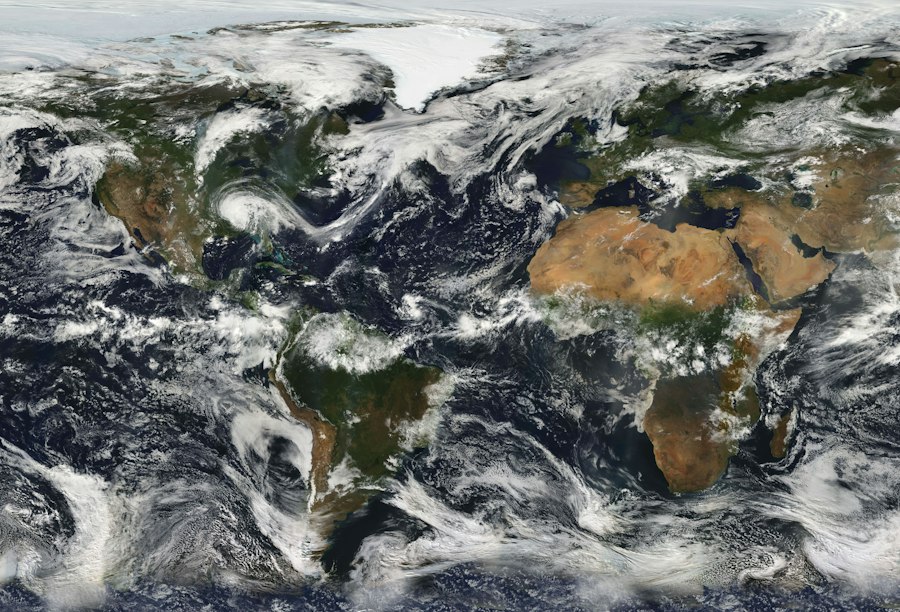
Coastal zones, the dynamic interface between land and sea, are characterized by a constant flux of energy and material exchange. They are vibrant ecosystems, supporting diverse marine and terrestrial life, and are often densely populated due to their economic importance. However, their proximity to the ocean makes them exceptionally vulnerable to rising sea levels, storm surges, and coastal erosion, threats amplified by climate change. Small Island Developing States (SIDS), often comprised of low-lying islands, face an existential threat from these phenomena.
The Rising Tide of Threats
The most immediate and profound threat to coastal zones and SIDS is sea-level rise. As global temperatures increase, glaciers and ice sheets melt, and ocean water expands. This gradual inundation threatens to submerge low-lying coastal areas, displacing populations and destroying infrastructure. Alongside sea-level rise, the intensity and frequency of extreme weather events, such as hurricanes and typhoons, are projected to increase. These storms generate powerful storm surges that can inundate vast areas, causing widespread destruction. Coastal erosion, a natural process, is exacerbated by rising sea levels and altered wave patterns, leading to the loss of valuable land and natural protective features like coral reefs and mangrove forests.
Impacts on Ecosystems and Livelihoods
The ecological consequences of these threats are severe. Coral reefs, vital nurseries for marine life and natural barriers against coastal erosion, are bleaching and dying due to rising ocean temperatures and acidification. Mangrove forests, critical habitats for countless species and natural buffers against storm surges, are being lost to inundation and development. These ecological losses have direct impacts on human livelihoods. Fisheries, a cornerstone of many coastal economies, are threatened by the degradation of marine habitats and changes in fish populations. Tourism, a significant source of revenue for many SIDS, is jeopardized by coastal erosion and the destruction of natural attractions.
Building Defenses: Adaptation and Mitigation
Adapting to these escalating threats requires a multi-pronged strategy. Coastal protection measures, such as seawalls, dikes, and the restoration of natural defenses like coral reefs and mangrove forests, are essential. However, these solutions are often costly and may not be sustainable in the long term. Planned relocation of communities from highly vulnerable areas is a difficult but sometimes necessary option. For SIDS, the international community has a responsibility to provide financial and technological support for adaptation and mitigation efforts. Ultimately, addressing the root cause of these threats – climate change – through aggressive global emissions reductions is paramount for the long-term survival of these fragile coastal systems.
The Delicate Balance of Mountain Ecosystems
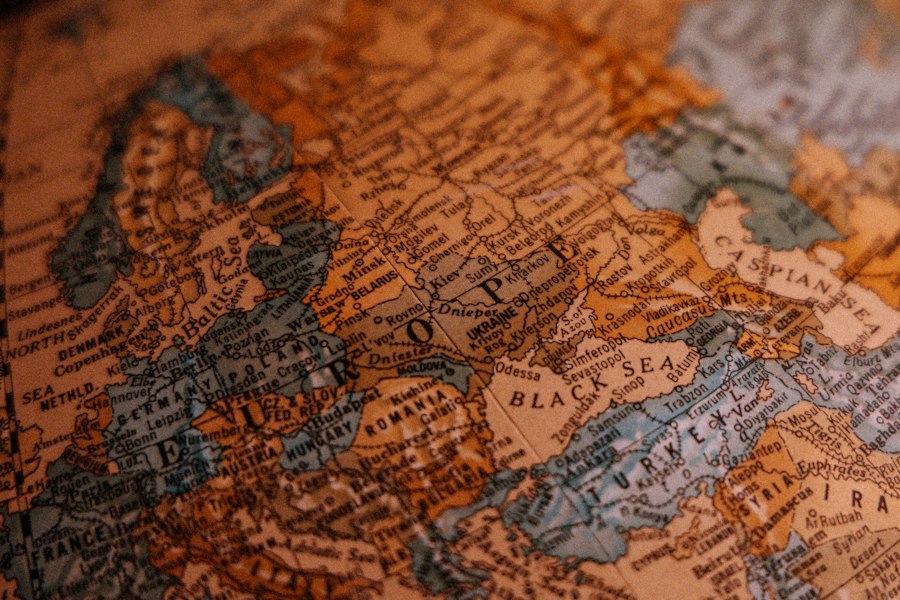
Mountain ranges, often referred to as the “water towers of the world,” are crucial sources of freshwater for vast downstream populations. Their rugged terrain and unique climatic conditions foster specialized ecosystems adapted to high altitudes and extreme temperatures. However, mountains are also highly sensitive to changes in temperature and precipitation patterns, making them particularly vulnerable to the impacts of climate change.
The Accelerating Melt of Glaciers and Snowpack
One of the most visible signs of climate change in mountain regions is the rapid retreat of glaciers and the reduction in snowpack. Glaciers act as natural reservoirs, storing water during cold months and releasing it gradually during warmer periods. As they shrink, they can initially lead to increased meltwater flows, but eventually, this vital source of water will diminish, threatening water security for millions. Changes in snowfall patterns can also disrupt the timing and availability of water, impacting agriculture and hydropower generation. The loss of snow cover also affects alpine ecosystems, altering the growing seasons for plants and the habitats of animals.
Cascading Effects on Biodiversity and Human Communities
The impacts of these changes extend beyond water resources. Many mountain species have narrow temperature tolerances and are adapted to specific microclimates. As temperatures rise, these species may be forced to migrate to higher altitudes, but in many cases, there is nowhere further to go. This can lead to habitat loss and potential extinction. For human communities living in mountain regions, the changes can disrupt traditional livelihoods, including agriculture and pastoralism. Increased frequency of natural hazards, such as landslides and rockfalls, due to thawing permafrost and altered precipitation, also poses a significant threat.
Conserving the Peaks: Monitoring and Sustainable Practices
Conserving mountain ecosystems requires a commitment to long-term monitoring of glacier melt, snowpack dynamics, and biodiversity. Understanding these changes is crucial for developing effective adaptation strategies. Sustainable land-use practices, such as ecotourism that minimizes environmental impact and promotes local economies, can provide alternative livelihoods. Protecting natural habitats and establishing protected areas are vital for safeguarding mountain biodiversity. Furthermore, international cooperation is essential to address the transboundary nature of water resources originating from mountain ranges and to support vulnerable mountain communities in their adaptation efforts.
The Fragile Frontiers of Polar Regions
The Earth’s polar regions, characterized by extreme cold and vast expanses of ice and snow, are vital components of the global climate system. The Arctic and Antarctic play a crucial role in regulating global temperatures through the reflection of solar radiation by ice and snow (the albedo effect). These regions are also home to unique and highly adapted flora and fauna. However, they are warming at a rate far exceeding the global average, making them among the most fragile and rapidly changing environments on the planet.
The Unraveling of Ice Sheets and Permafrost
The most dramatic manifestation of climate change in the polar regions is the accelerated melting of ice sheets and glaciers. The Greenland and Antarctic ice sheets hold vast quantities of frozen water, and their melting contributes significantly to global sea-level rise. The Arctic sea ice extent has also been declining dramatically, with profound implications for global weather patterns and marine ecosystems. In addition to ice, the thawing of permafrost – ground that has remained frozen for at least two consecutive years – is releasing significant amounts of greenhouse gases, such as methane and carbon dioxide, creating a dangerous feedback loop that further accelerates warming.
Impacts on Unique Wildlife and Indigenous Communities
The rapid environmental changes in the polar regions have devastating consequences for their unique wildlife. Polar bears, seals, and walruses rely on sea ice for hunting, breeding, and resting. As the ice recedes, their ability to survive is severely threatened. Marine ecosystems are also being altered, with changes in ocean temperature, salinity, and ice cover impacting fish populations and the entire food web. Indigenous communities in the Arctic, whose cultures and livelihoods have been intimately connected to the ice and snow for millennia, are facing unprecedented challenges. Traditional hunting grounds are disappearing, travel across frozen landscapes is becoming more dangerous, and their homes are threatened by coastal erosion and permafrost thaw.
Protecting the Poles: Global Responsibility and Local Resilience
Protecting the polar regions requires urgent global action to reduce greenhouse gas emissions. The scientific understanding of these fragile systems must be continually enhanced through research and monitoring. For the Arctic, the development of sustainable economic activities that minimize environmental impact and respect the rights and traditions of Indigenous peoples is crucial. International cooperation is vital for managing the Arctic’s resources and for addressing the transboundary impacts of melting ice. While adaptation is challenging in such rapidly changing environments, supporting the resilience of Arctic communities and their traditional knowledge is essential for their survival.
The study of fragile systems in geography is crucial for understanding how environmental changes impact vulnerable regions. For those interested in exploring this topic further, a related article can be found on MyGeoQuest, which delves into the intricacies of these delicate ecosystems. You can read more about it in this insightful piece on geography and fragile systems. This resource provides valuable information on the challenges faced by these areas and the importance of sustainable practices.
The Intricate Web of Tropical Rainforests
| Region | Fragility Index Score | Primary Causes of Fragility | Population Affected (millions) | Key Vulnerabilities | International Aid Received (2023) |
|---|---|---|---|---|---|
| Sub-Saharan Africa | 75 | Conflict, Political Instability, Climate Change | 150 | Food insecurity, Displacement, Weak governance | 12 billion |
| Middle East & North Africa | 68 | Conflict, Economic Collapse, Water Scarcity | 80 | Infrastructure damage, Refugee crises, Political fragmentation | 9 billion |
| South Asia | 55 | Natural Disasters, Poverty, Political Tensions | 120 | Flooding, Food insecurity, Ethnic conflicts | 7 billion |
| Latin America & Caribbean | 45 | Crime, Economic Inequality, Environmental Degradation | 60 | Urban violence, Deforestation, Social unrest | 4 billion |
| East Asia & Pacific | 30 | Natural Disasters, Economic Shocks, Political Repression | 50 | Typhoons, Earthquakes, Human rights issues | 3 billion |
Tropical rainforests, renowned for their extraordinary biodiversity and their critical role in regulating global climate, are intricate and highly sensitive ecosystems. While seemingly robust due to their lushness, they are surprisingly fragile and susceptible to disturbance, particularly from deforestation and climate change.
The Scars of Deforestation and Land Degradation
The primary driver of fragility in tropical rainforests is deforestation, driven by various human activities. Agricultural expansion, particularly for cattle ranching and monoculture crops like palm oil and soy, is a major cause. Logging, both legal and illegal, removes valuable timber and opens up forest areas to further degradation. Mining operations, infrastructure development, and the expansion of human settlements also contribute to forest loss. This destruction not only leads to the loss of habitat for countless species but also disrupts the delicate hydrological cycles and releases vast amounts of stored carbon into the atmosphere, contributing to climate change. Soil erosion intensifies after forest removal, leading to land degradation and sedimentation of rivers.
The Interconnectedness of Biodiversity and Climate Regulation
The immense biodiversity of tropical rainforests is intrinsically linked to their stability. Each species plays a role in the ecosystem’s functioning, and the loss of one can have cascading effects. These forests are also vital regulators of the global climate, absorbing significant amounts of carbon dioxide from the atmosphere through photosynthesis and releasing oxygen. Their role in the water cycle is equally important, influencing rainfall patterns far beyond their boundaries. When these forests are degraded or destroyed, these vital functions are compromised, leading to a warmer planet and altered weather patterns.
Preserving the Green Lungs: Conservation and Sustainable Futures
Preserving tropical rainforests requires a multifaceted approach that addresses both the drivers of deforestation and the need for sustainable development. Robust conservation efforts, including the establishment and effective management of protected areas, are crucial. Empowering local and Indigenous communities, who often possess traditional knowledge of forest management, is essential for successful conservation. Promoting sustainable agricultural practices, such as agroforestry and responsible land-use planning, can reduce pressure on forest lands. International efforts to reduce demand for products linked to deforestation and to provide financial incentives for forest conservation are also vital. Ultimately, recognizing the global importance of these fragile ecosystems and investing in their long-term health is imperative for the well-being of the planet.
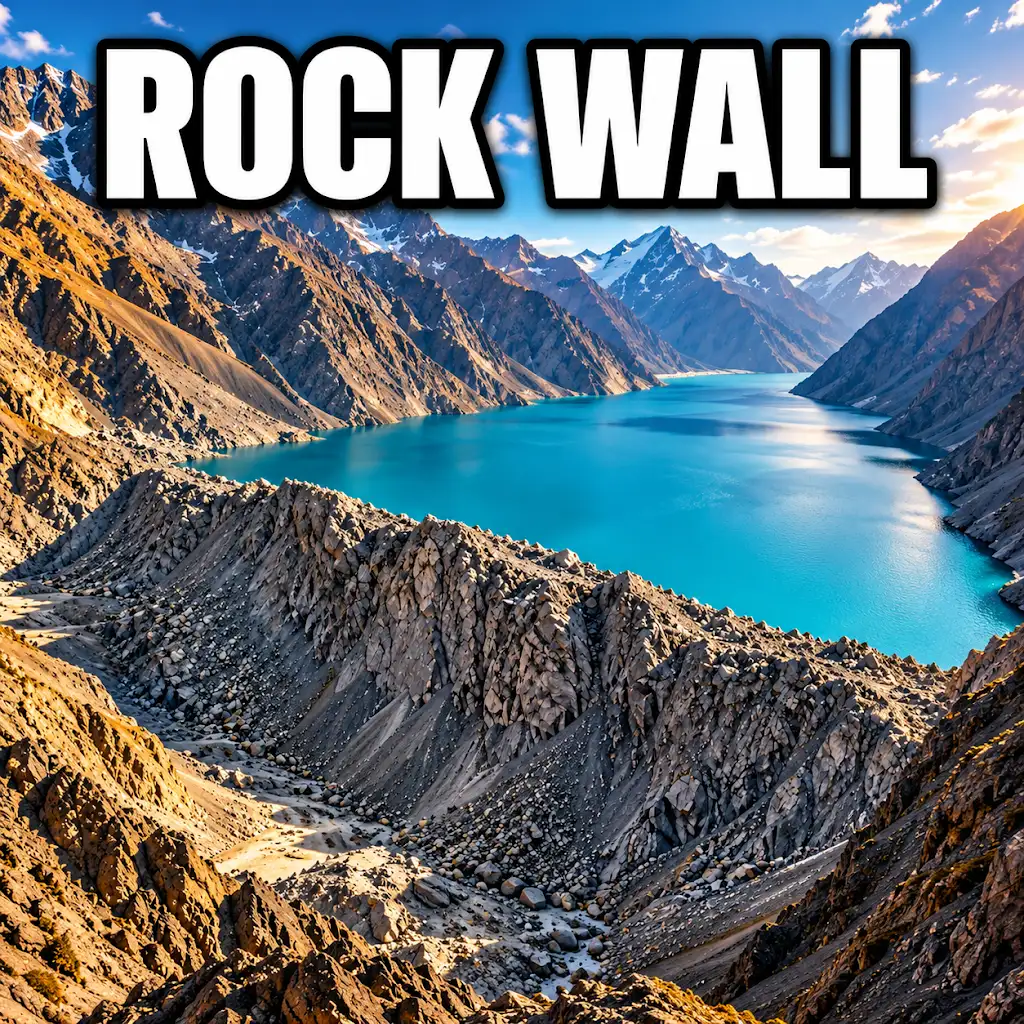
Could a Wave Push Lake Sarez Over This Natural Dam?
FAQs
What are fragile systems in geography?
Fragile systems in geography refer to areas or regions that are particularly vulnerable to disruptions or changes due to their environmental, social, or economic characteristics.
What are some examples of fragile systems in geography?
Examples of fragile systems in geography include coastal areas prone to erosion and sea level rise, arid regions susceptible to desertification, and urban areas with inadequate infrastructure to withstand natural disasters.
How does climate change impact fragile systems in geography?
Climate change can exacerbate the vulnerabilities of fragile systems in geography by increasing the frequency and intensity of extreme weather events, altering ecosystems, and disrupting local economies dependent on natural resources.
What are the consequences of disruptions to fragile systems in geography?
Disruptions to fragile systems in geography can lead to environmental degradation, loss of biodiversity, displacement of communities, economic instability, and increased social tensions within affected regions.
How can we protect and strengthen fragile systems in geography?
We can protect and strengthen fragile systems in geography through sustainable land use practices, disaster preparedness measures, conservation efforts, investment in resilient infrastructure, and international cooperation to address global challenges such as climate change.