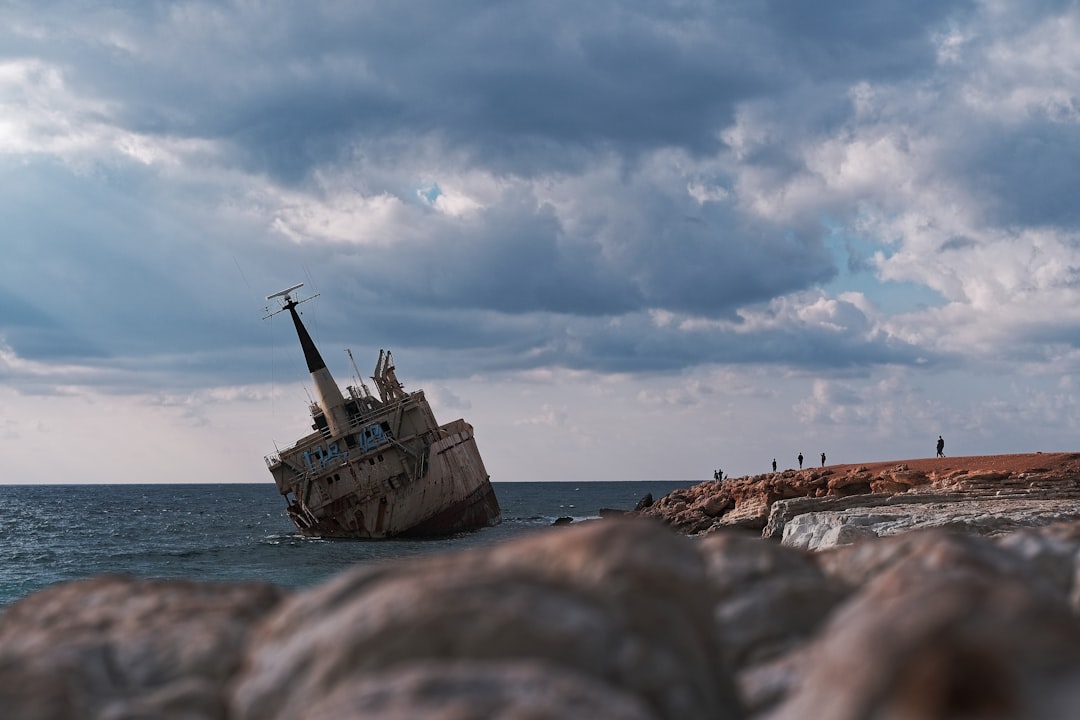
Gadani Shipbreaking Yard: Pakistan’s Controversial Industry
Gadani, a sun-scorched stretch of coastline in Pakistan’s Balochistan province, is home to one of the largest shipbreaking yards in the world. For decades, this sprawling industrial graveyard has been a vital, albeit deeply problematic, pillar of Pakistan’s economy. Here, massive decommissioned vessels from around the globe are brought to be dismantled, their metal salvaged and recycled. While the yard provides employment for thousands and contributes significantly to the national exchequer, its operations are shrouded in controversy, marked by a disturbing history of worker exploitation, severe environmental damage, and perilous working conditions. The narrative of Gadani is one of stark contrasts: a place of industrial might and economic necessity juxtaposed with human suffering and ecological degradation.
The sheer scale of the operations at Gadani positions it as a crucial economic contributor for Pakistan. The yard’s ability to process a vast number of ships annually translates into a substantial inflow of foreign currency through the import of decommissioned vessels. This, in turn, fuels a localized economy, creating a ripple effect that extends far beyond the immediate vicinity of the shipbreaking activities.
Revenue Generation and Foreign Exchange
The import of scrap vessels for breaking at Gadani represents a significant source of foreign exchange. International shipping companies often sell their end-of-life vessels to shipbreakers in countries like Pakistan, where labor costs are lower. These transactions bring in dollars, euros, and other foreign currencies, which are vital for a developing economy like Pakistan to manage its balance of payments and finance imports. The government levies duties and taxes on these imports, generating substantial revenue that can be allocated to public services and infrastructure development. The continuous flow of ships, driven by the global shipping industry’s fleet renewal cycles, ensures a steady stream of economic activity.
Employment Generation and Livelihoods
Gadani Shipbreaking Yard is a massive employer, providing direct and indirect employment to tens of thousands of individuals. The labor-intensive nature of shipbreaking means that a large workforce is required for every stage of the process, from towing ships to the yard, cutting massive steel plates, and sorting salvaged materials. These jobs, though often dangerous and low-paying, are a lifeline for many families in Balochistan and from other parts of Pakistan who migrate to Gadani in search of work. The presence of the yard has spurred the development of ancillary industries and services, such as catering, transportation, accommodation, and the sale of scrap metal, further expanding the employment base. The informal economy thrives around the yard, with countless small businesses catering to the needs of the workers and the overall operation.
Contribution to the Steel and Manufacturing Sector
The salvaged steel and metal from decommissioned ships are a primary source of raw material for Pakistan’s domestic steel and manufacturing industries. Instead of relying solely on imported raw steel, which incurs higher costs and foreign exchange expenditure, Gadani provides a readily available and cheaper alternative. This localized sourcing of materials reduces the cost of production for steel manufacturers, reinforcing bars (rebar) producers, and other metal-based industries. Consequently, Gadani plays a pivotal role in supporting the growth and competitiveness of Pakistan’s industrial sector, contributing to the production of goods for both domestic consumption and export.
The Gadani shipbreaking yard in Pakistan has been a focal point of discussions regarding environmental and labor practices in the shipbreaking industry. For a deeper understanding of the challenges and developments in this sector, you can read a related article that explores the implications of shipbreaking on local communities and the environment. For more information, visit this article.
The Perils of the Job: A Human Cost
Despite its economic significance, the human cost of operating Gadani is stark and often tragic. The working conditions are notoriously hazardous, with a pervasive lack of safety measures leading to frequent accidents, injuries, and fatalities. The narrative of worker well-being is largely overlooked in the pursuit of profit, painting a grim picture of life in the shipbreaking yard.
Unsafe Working Conditions and Lack of Safety Equipment
The dismantling of colossal ships, often weighing thousands of tons, is an inherently dangerous undertaking. Workers are exposed to a myriad of risks, including falling from great heights, being crushed by heavy metal structures, and encountering hazardous materials. The use of heavy machinery, cutting torches, and manual labor in confined and unstable environments amplifies these dangers. Alarmingly, adequate personal protective equipment (PPE) such as helmets, safety harnesses, steel-toed boots, and respirators are often scarce, substandard, or simply not provided. Workers are frequently seen performing tasks without the necessary safety gear, making them highly vulnerable to accidents. The absence of proper safety protocols, regular inspections, and stringent enforcement of regulations exacerbates the perilous environment.
Prevalence of Accidents and Fatalities
Gadani has a grim and well-documented history of severe accidents and fatalities. Reports of workers falling from precarious heights, succumbing to gas leaks in confined spaces, or being fatally injured by falling debris are recurrent. These incidents are not isolated events but rather a grim testament to the systemic neglect of safety standards. The lack of adequate medical facilities within or near the yard further compounds the tragedy, as injured workers often face delays in receiving critical care, leading to more severe outcomes or even death. The psychological toll on the workforce, living with the constant threat of injury or death, is immeasurable.
Exploitation of Labor and Poor Wages
The workforce at Gadani is largely composed of migrant laborers, many of whom come from marginalized communities and face economic desperation. This vulnerability is often exploited by contractors and sub-contractors who control the labor force. Wages are typically meager, barely sufficient to cover basic living expenses, and workers often face delayed or withheld payments. There are widespread reports of child labor, with young boys engaged in dangerous tasks due to the high demand for cheap labor. The absence of formal contracts, social security benefits, and collective bargaining rights leaves workers with little recourse against exploitative practices. The power imbalance between employers and employees is stark, with workers often afraid to voice their grievances for fear of losing their only source of income.
Health Hazards and Occupational Diseases
Beyond immediate physical dangers, workers at Gadani are exposed to a host of long-term health hazards. The ships being dismantled often contain hazardous materials such as asbestos, lead-based paints, PCBs, and other toxic chemicals. When these materials are disturbed during the breaking process, they release harmful dust and fumes into the air, which workers inhale. Prolonged exposure to these substances can lead to severe occupational diseases, including asbestosis (a lung disease caused by asbestos fibers), cancer, respiratory illnesses, and neurological damage. The lack of proper ventilation, waste disposal, and protective measures means that workers are continuously exposed to these health risks, often without adequate medical monitoring or treatment.
Environmental Degradation: A Scar on the Coastline

The industrial activities at Gadani have exacted a heavy toll on the surrounding environment, leaving a legacy of pollution and ecological damage that threatens the delicate coastal ecosystem of Balochistan. The uncontrolled and often unmitigated release of waste and pollutants has had far-reaching consequences.
Toxic Waste Disposal and Pollution
The process of dismantling ships invariably generates a significant amount of toxic waste. This includes oil, grease, chemicals, heavy metals, and asbestos. Historically, these hazardous materials have been disposed of haphazardly, often directly into the sea or on the surrounding land. This uncontrolled dumping contaminates the soil and groundwater, posing a serious threat to marine life and human health. The waters around Gadani are visibly polluted, with oil slicks and debris frequently observed. The accumulation of plastic and other non-biodegradable waste further chokes the marine environment.
Impact on Marine Ecosystems
The pollution emanating from Gadani has had a devastating impact on the marine ecosystems of the Arabian Sea. Oil spills and the leaching of toxic chemicals into the water kill fish, damage coral reefs, and disrupt the delicate balance of the marine food chain. Seabirds and other coastal fauna are also affected by the polluted environment. The long-term consequences of this ecological degradation are profound, threatening biodiversity and the livelihoods of fishing communities that depend on the health of the sea. The natural beauty of the coastline is marred by the pervasive presence of shipwrecks and industrial detritus.
Air Pollution and Dust Emissions
The cutting and dismantling of massive steel structures release fine particulate matter and dust into the atmosphere. This airborne pollution contributes to poor air quality in the surrounding areas, posing respiratory health risks to both the workers and the local population. The uncontrolled burning of materials to facilitate dismantling further exacerbates air pollution, releasing harmful gases and carcinogens. The dust also settles on the land and vegetation, further contributing to environmental degradation.
Land Contamination and Erosion
The accumulation of scrap metal, waste materials, and the constant churning of the coastline by heavy machinery contribute to land contamination and erosion. The fertile topsoil is stripped away, and the land becomes barren and infertile. The presence of rusting metal and chemical residues renders the land unsafe for agriculture or other productive uses. The visual blight of rusting hulks and discarded materials diminishes the aesthetic appeal of the coastline.
Regulatory Framework and International Pressure

The persistent controversies surrounding Gadani have not gone unnoticed on the international stage. Growing awareness of the human and environmental costs has led to increased scrutiny and pressure on Pakistan to improve its shipbreaking practices and adhere to international standards. However, the implementation and enforcement of regulations have remained a significant challenge.
Existing Regulations and Their Enforcement
While Pakistan has some existing labor and environmental laws, their application and enforcement within the Gadani Shipbreaking Yard have historically been weak. The complexities of the informal economy, corruption, and a lack of adequate resources for monitoring and enforcement have hampered the effectiveness of these regulations. The absence of a dedicated regulatory body with the authority and capacity to oversee shipbreaking operations has contributed to the prevailing laxity. Frequent changes in government and policy priorities have also led to an inconsistent approach towards addressing the issues at Gadani.
International Conventions and Standards
Globally, there has been a growing push for responsible ship recycling. The International Maritime Organization (IMO) has developed the Hong Kong International Convention for the Safe and Environmentally Sound Recycling of Ships, which aims to establish a global framework for ship recycling. While Pakistan has signed the convention, its ratification and full implementation are crucial for bringing Gadani’s practices in line with international best practices. Non-governmental organizations (NGOs) and international labor rights groups have also been vocal in their criticism of Gadani, highlighting the human rights violations and environmental damage.
The Role of International Scrutiny and Advocacy
International scrutiny and advocacy play a vital role in pressuring Pakistan to reform its shipbreaking industry. Media reports, academic research, and the campaigns of international organizations raise global awareness and put pressure on both the Pakistani government and international shipping companies. This pressure can lead to changes in operational practices, improved safety standards, and a greater commitment to environmental protection. Shipping companies are increasingly facing pressure from consumers and investors to ensure that their end-of-life vessels are recycled responsibly, and this can influence their choice of shipbreaking yards.
The Gadani shipbreaking yard in Pakistan has been a focal point for discussions surrounding environmental and labor issues in the shipbreaking industry. A related article that delves deeper into the implications of shipbreaking practices and their impact on local communities can be found at My Geo Quest. This resource provides valuable insights into the challenges faced by workers and the environmental concerns associated with shipbreaking activities, highlighting the need for sustainable practices in this sector.
Towards a Sustainable Future: Challenges and Opportunities
| Metrics | Data |
|---|---|
| Location | Gadani, Pakistan |
| Size | 132 acres |
| Number of yards | 132 |
| Annual capacity | over 1 million tons |
| Employment | Approximately 6,000 workers |
The future of Gadani hinges on a fundamental shift in its operational paradigm, moving away from its current exploitative and environmentally damaging practices towards a more sustainable and ethical model. This transition presents significant challenges but also offers opportunities for long-term growth and improved well-being.
Modernization and Technological Adoption
A key step towards improvement involves the modernization of the yard’s infrastructure and the adoption of safer and more environmentally sound technologies. This could include investing in better cutting equipment, advanced waste management systems, and improved safety protocols. The implementation of pre-cleaning of ships to remove hazardous materials before they arrive at Gadani would significantly reduce on-site risks. Furthermore, investing in training programs for workers on safe handling of hazardous materials and the use of modern equipment is crucial.
Strengthening Regulatory Oversight and Enforcement
Effective governance and robust enforcement of regulations are paramount. This requires establishing a dedicated and empowered regulatory body with the mandate and resources to monitor all aspects of shipbreaking operations. Stricter penalties for non-compliance, regular inspections, and transparent reporting mechanisms are essential to ensure accountability. The government needs to invest in building the capacity of its regulatory agencies to effectively oversee such a complex industry.
Investment in Worker Welfare and Safety Measures
Prioritizing worker welfare and safety is not just a moral imperative but also an economic one. Investing in comprehensive safety training, providing adequate PPE, establishing robust occupational health services, and ensuring fair wages and working conditions will not only prevent accidents and diseases but also improve worker morale and productivity. The provision of social security benefits and the formalization of labor contracts would significantly enhance the lives of the workers and their families.
Exploring Alternative Economic Models
While shipbreaking remains a significant economic activity, exploring alternative or complementary economic models for the region could foster diversification and reduce reliance on the hazardous aspects of the current industry. This could include promoting sustainable fishing practices, developing eco-tourism, or investing in renewable energy projects in the coastal areas. The long-term health of the region and its inhabitants necessitates a move towards economic activities that do not compromise their well-being. The journey towards a responsible and sustainable Gadani Shipbreaking Yard is a long and arduous one, fraught with vested interests and deeply entrenched problems. However, the growing global awareness and the undeniable human and environmental costs demand a decisive and sustained commitment to reform. The transformation of Gadani from a site of exploitation and degradation to one of responsible industrial practice is not merely a possibility but a necessity for the well-being of its workers, the environment, and the future of Pakistan.
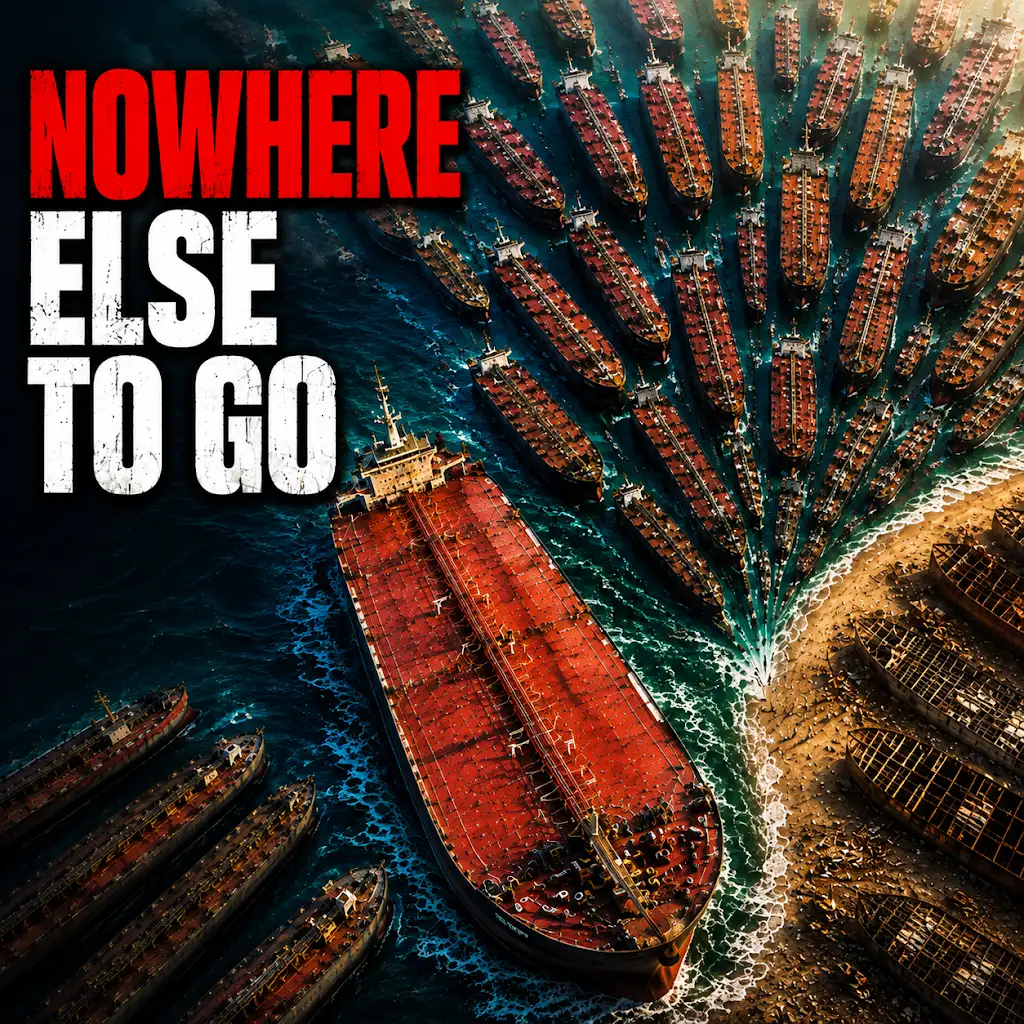
The Beaches Global Trade Can’t Afford to Lose
FAQs
What is the Gadani shipbreaking yard in Pakistan?
The Gadani shipbreaking yard is one of the largest ship-breaking yards in the world, located in Gadani, Pakistan. It is a 10-kilometer stretch of coastline where old ships are dismantled and their parts are sold for scrap.
How does the shipbreaking process work at Gadani yard?
When a ship arrives at the Gadani yard, it is beached and workers begin the process of dismantling it. This involves cutting the ship into smaller pieces and removing valuable materials such as steel, copper, and aluminum for recycling.
What are the environmental and safety concerns associated with the Gadani shipbreaking yard?
The shipbreaking process at Gadani yard raises concerns about environmental pollution and worker safety. The yard has been criticized for its lack of proper safety measures and environmental regulations, leading to accidents and health hazards for workers.
What are the economic benefits of the Gadani shipbreaking yard?
The shipbreaking industry at Gadani provides employment opportunities for thousands of workers and contributes to the local economy. The sale of scrap materials from dismantled ships also generates revenue for the yard and surrounding businesses.
What is the future outlook for the Gadani shipbreaking yard?
The future of the Gadani shipbreaking yard is uncertain, as it faces challenges related to environmental regulations, worker safety, and international competition. Efforts are being made to improve safety and environmental standards at the yard, but its long-term viability remains a topic of debate.