
Florida’s landscape is a tapestry woven with the threads of progress and ambition, but beneath the vibrant hues of its present, lie the faded remnants of dreams long past. Among these are the forgotten railroad projects, ghost lines that once promised to connect communities, unlock resources, and shape the state’s destiny. These lost tracks, often erased by shifting economic tides, technological advancements, or simply the relentless march of time, represent a fascinating, albeit sometimes melancholic, chapter in Florida’s rich history. Their stories are not just about steel and steam, but about the visionaries, the investors, the laborers, and the communities that were touched by their ephemeral existence.
Echoes of Expansion: The Early Push for Florida Railways
The 19th century saw a fervent desire to connect the vast and often untamed territories of the United States, and Florida, with its strategic coastal position and burgeoning agricultural potential, was no exception. Early railroad endeavors were driven by a mix of public ambition and private enterprise, each aiming to carve out a piece of the future. These initial ventures, while often fraught with financial peril and engineering challenges, laid the groundwork for the state’s eventual integration into the national network.
The Genesis of Connectivity: Visionaries and Their Iron Horses
The dream of a transcontinental railroad, or at least one that spanned the length of Florida, captured the imaginations of many. Henry B. Plant and his rival, Henry M. Flagler, are perhaps the most famous names associated with Florida’s railroad boom, their empires shaping the Atlantic coast. However, there were numerous smaller, less successful, and ultimately forgotten lines that played a vital role in the early days. These were often spearheaded by local entrepreneurs who saw specific economic opportunities, whether it was for timber, citrus, or access to ports. Their ambition was boundless, but their resources were often limited, leading to ambitious plans that were never fully realized or lines that struggled to stay afloat. The sheer audacity of these early projects, considering the technological limitations of the era and the challenging terrain of Florida, is a testament to the pioneering spirit of the time. Imagine laying track through swamps, over sandy soil, and battling tropical weather – these were not for the faint of heart.
The Promise of Progress: Connecting Hinterlands to Markets
For many isolated communities, a railroad line was a lifeline. It meant access to manufactured goods, new markets for their produce, and the potential for population growth. The promise of progress was immense, and the construction of a railroad often sparked local investment and excitement. However, not all these promises were fulfilled. Some lines were built with great fanfare, only to find that the expected economic benefits never materialized. Others were victims of changing trade routes or the rise of competing forms of transportation. The economic landscape was dynamic, and a railway that seemed vital one year could become obsolete the next. The stories of these forgotten lines are often intertwined with the rise and fall of small towns, their fortunes tied directly to the presence or absence of a train track.
The Hardship of Construction: Sweat, Soil, and Skepticism
Building railroads in Florida was no easy feat. The subtropical climate presented unique challenges, from intense heat and humidity to torrential downpours and hurricanes. The terrain itself, often consisting of soft sand and extensive wetlands, required innovative engineering solutions. Labor was also a constant concern, with many projects relying on a diverse workforce, including immigrant laborers, African Americans, and even convict labor. The financial backing for these ventures was often precarious, with investors constantly scrutinizing progress and profitability. Many a railroad project began with grand pronouncements and enthusiastic crowds, only to falter due to a lack of consistent funding, engineering setbacks, or the sheer logistical nightmare of operating in such an environment. The skeletal remains of unfinished bridges or the faint impressions of long-vanished embankments serve as silent witnesses to this arduous undertaking.
In exploring the intriguing history of forgotten railroad projects in Florida, one can gain further insights by reading a related article that delves into the various abandoned rail lines and their impact on local communities. This article not only highlights the ambitious plans that were once envisioned but also discusses the reasons behind their eventual decline. For more information, you can check out the article here: Forgotten Railroad Projects in Florida.
The Rise and Fall of Short Lines: Niche Networks and Local Ambitions

Beyond the grand ambitions of trans-Florida arteries, a multitude of smaller, specialized railroads emerged, catering to specific industries or serving the immediate needs of local communities. These short lines, often built for a single purpose, exemplify the localized nature of early industrial development and the challenges of maintaining independent operations in a rapidly consolidating industry.
Industrial Lifelines: Serving Timber, Phosphate, and Sugar
Florida’s natural resources fueled the creation of many short-line railroads. The vast timber reserves of the panhandle and central Florida necessitated the construction of logging railroads, tracks that would snake through forests, carrying felled trees to sawmills and export points. Similarly, the discovery of phosphate deposits in the late 19th and early 20th centuries led to the creation of specialized lines designed to transport this valuable commodity. In the agricultural heartlands, particularly in the south, sugar plantations often boasted their own private rail networks to move cane from fields to processing plants. These were often functional, robust lines built for heavy loads and relentless service, but once the resource was depleted or the industry shifted, these lines often became redundant and were dismantled, their purpose fulfilled. The economic rationale for their existence was paramount, and when that rationale disappeared, so too did the tracks.
Connecting the Dots: Bridging the Gaps in Existing Networks
In many cases, short lines were built not to compete with larger railroads, but to complement them. These lines acted as feeders, connecting remote areas to the main lines of major carriers, thereby extending the reach of commerce. They might have served a single town or a small cluster of communities, providing a vital link to the wider world. Their existence was often dependent on the willingness of larger companies to interline traffic, and their fate was often tied to the financial health and strategic decisions of their larger counterparts. A change in routing by a major railroad, or the acquisition of a small feeder line by a competitor, could spell the end for an independent short line. The story of these connector lines is one of integration, but also of vulnerability.
The Perils of Independence: Financial Instability and Competition
Operating a short-line railroad was a constant tightrope walk. Without the vast resources and economies of scale enjoyed by larger companies, these independent ventures were highly susceptible to financial downturns and increased competition. A single bad harvest, a drop in commodity prices, or the arrival of a new, more efficient competitor could cripple a small railroad. Many struggled to maintain their tracks, purchase new equipment, or even pay their employees. This precarious existence meant that many of these lines were short-lived, their dreams of sustained operation ultimately succumbing to the harsh realities of the market. The records of their incorporation and subsequent dissolution are often brief, marking the end of a localized era of ambition.
The Abandonment Archive: When Rails Fade Away

The history of railroads is as much about their creation as it is about their disappearance. Economic shifts, changing transportation needs, and the rise of new technologies have all contributed to the abandonment of countless miles of track across Florida. These abandoned lines offer a poignant glimpse into a bygone era, their remnants a silent testament to vanished routes and forgotten journeys.
The Automobile’s Ascent: The Highway Replaces the Rail
The mid-20th century witnessed a dramatic shift in American transportation with the rise of the automobile and the subsequent expansion of the highway system. As roads became more prevalent and personal vehicles more accessible, the demand for passenger rail service, and even some freight service, began to decline. Many branch lines that had once been vital arteries for local communities found themselves increasingly bypassed by the convenience and flexibility of road travel. The construction of the Interstate Highway System, in particular, siphoned off significant traffic, making rail lines less economically viable. This led to widespread abandonments, as companies found it more economical to cease operations on unprofitable routes rather than invest in their upkeep. The landscape began to be dotted with abandoned rights-of-way, overgrown and reclaimed by nature.
Economic Realities: Consolidation and Declining Demand
The railroad industry itself underwent significant consolidation throughout the 20th century. Larger companies merged, streamlined operations, and often shed less profitable branch lines. This process, while often leading to greater efficiency for the surviving entities, meant the end for many smaller, independent railroads and the abandonment of routes that no longer fit the strategic plans of the new, larger corporations. Declining demand for specific commodities that were once transported by rail, or the shift of industries to locations better served by other modes of transport, also contributed to abandonment. A line that once served a bustling lumber mill, for example, would become obsolete once the local timber was depleted. The economic landscape was constantly evolving, and railroads that couldn’t adapt often found themselves on the wrong side of progress.
The Remnants Remain: Ghost Tracks and Trail Conversions
While many abandoned lines have been completely dismantled, their tracks and infrastructure removed, others leave behind tangible clues to their former existence. Overgrown embankments, rusted culverts, crumbling bridges, and the occasional weathered signpost are all that remain of these forgotten routes. In many cases, these abandoned rights-of-way have been repurposed, most notably as rail-trails, providing recreational opportunities for hikers, bikers, and equestrians. These trails serve as a living memorial to the railroads that once traversed them, allowing modern Floridians to experience the path of history in a new way. The conversion of these old lines into recreational paths is a fitting legacy, transforming a symbol of past industrial might into a space for public enjoyment and connection with nature.
Unearthing the Lost: Researching and Remembering Forgotten Railways
The stories of Florida’s forgotten railroads are not entirely lost. Through diligent research, dedicated historians, and the preservation efforts of various organizations, these spectral lines are being brought back to light, ensuring that their contributions to the state’s development are not erased from memory.
The Archivist’s Pursuit: Digging Through Documents and Maps
Uncovering the history of these forgotten railroads often involves meticulous research in historical archives, libraries, and local historical societies. Old company records, land deeds, newspaper articles, and personal correspondence can all provide crucial pieces of information. Historical maps are particularly valuable, showing the proposed routes, the lines that were actually built, and the locations of stations and depots. The challenges are numerous, as records can be incomplete, fragmented, or even lost altogether. The process is akin to piecing together a complex puzzle, where each document and map is a vital clue. The dedication of these researchers is what allows us to understand the scope and impact of these vanished networks.
Oral Histories and Local Lore: Voices from the Past
Beyond the written record, the memories of people who lived and worked along these forgotten lines offer invaluable insights. Elderly residents of towns that were once served by these railroads may recall the arrival of the first train, the daily rhythms of the line, or the impact of its eventual closure. These oral histories, though sometimes anecdotal, provide a human dimension to the technical and economic narratives of railroad construction and abandonment. They speak of the communities that were built around these lines, the lives that were shaped by their presence, and the sense of loss that often accompanied their disappearance. Preserving these voices is crucial to understanding the true legacy of these forgotten railways.
Preservation Efforts: Rail-Trails and Historical Markers
Recognizing the historical significance of these abandoned routes, various groups and governmental agencies are engaged in preservation efforts. The conversion of abandoned rights-of-way into rail-trails is a prominent example, transforming a symbol of past industrial activity into a public amenity for recreation and remembrance. The installation of historical markers at key locations along former routes can also educate the public about the history of the railroads that once operated there. These efforts, though sometimes small in scale, play a vital role in ensuring that the stories of Florida’s forgotten railroads are not lost to time, but are instead remembered and appreciated for their contribution to the state’s development and its enduring legacy.
In exploring the history of forgotten railroad projects in Florida, one can gain valuable insights from a related article that delves into the intricate web of transportation development in the state. The article highlights various abandoned rail lines and their impact on local communities, shedding light on how these forgotten routes shaped Florida’s growth. For a deeper understanding of this topic, you can read more in the article found at My Geo Quest, which provides a comprehensive overview of the state’s transportation history and the legacy of these neglected projects.
The Enduring Legacy: Lessons from the Lost Tracks
| Project Name | Location | Planned Completion Year | Reason for Abandonment | Length Planned (miles) | Current Status |
|---|---|---|---|---|---|
| Florida East Coast Railway Extension to Key West | Florida Keys | 1912 | Hurricane damage and financial difficulties | 128 | Partially completed, abandoned after 1935 hurricane |
| Cross Florida Barge Canal Railroad | Central Florida | 1970s | Environmental concerns and project cancellation | 150 | Never constructed |
| Florida Southern Railway Extension | Central Florida | 1890s | Competition and financial insolvency | 50 | Abandoned and dismantled |
| St. Johns and Lake Eustis Railroad Expansion | North Central Florida | Early 1900s | Low demand and operational costs | 30 | Abandoned |
| Miami to Naples Rail Line | Southwest Florida | 1920s | Economic downturn and lack of funding | 120 | Never completed |
The forgotten railroad projects of Florida, though physically gone, leave behind a rich legacy of lessons and insights that continue to resonate today. Their stories serve as reminders of the ambition, ingenuity, and resilience that characterized Florida’s development, as well as the inherent risks and complexities of large-scale infrastructure projects.
Infrastructure as a Catalyst: Shaping Growth and Opportunity
The very act of building railroads, even those that were ultimately abandoned, played a crucial role in shaping Florida’s growth. These projects opened up new territories, facilitated the movement of people and goods, and stimulated economic activity. They were catalysts for development, attracting investment, enabling the establishment of new communities, and transforming the state’s agricultural and industrial landscape. Even the short-lived lines contributed to this process, providing temporary but significant benefits to the areas they served. The presence of a railroad, however fleeting, often marked a turning point in the fortunes of a region.
The Ephemeral Nature of Progress: Adaptability and Foresight
The stories of Florida’s forgotten railroads also highlight the ephemeral nature of progress and the constant need for adaptability. Technologies evolve, economic landscapes shift, and what is essential one day may be obsolete the next. The rise of the automobile and the highway system serves as a stark reminder of this dynamic. These forgotten projects underscore the importance of foresight in infrastructure planning and the need to consider long-term viability in the face of inevitable change. They teach us that while ambition is vital, so too is the capacity to adapt and innovate. The grand visions of yesterday can be swallowed by the realities of tomorrow.
A Tapestry of History: Understanding Florida’s Evolving Identity
Ultimately, the forgotten railroad projects of Florida are an integral part of the state’s complex and evolving identity. They represent a significant, though often overlooked, chapter in its history, a testament to the dreams and endeavors of those who sought to connect and develop this unique corner of America. By unearthing and remembering these lost tracks, we gain a deeper understanding of the forces that have shaped Florida, from its early territorial days to its modern status as a vibrant and dynamic state. These ghostly lines, silent in their abandonment, continue to whisper stories of ambition, innovation, and the enduring human desire to build, connect, and progress, adding a rich and poignant layer to Florida’s historical narrative.
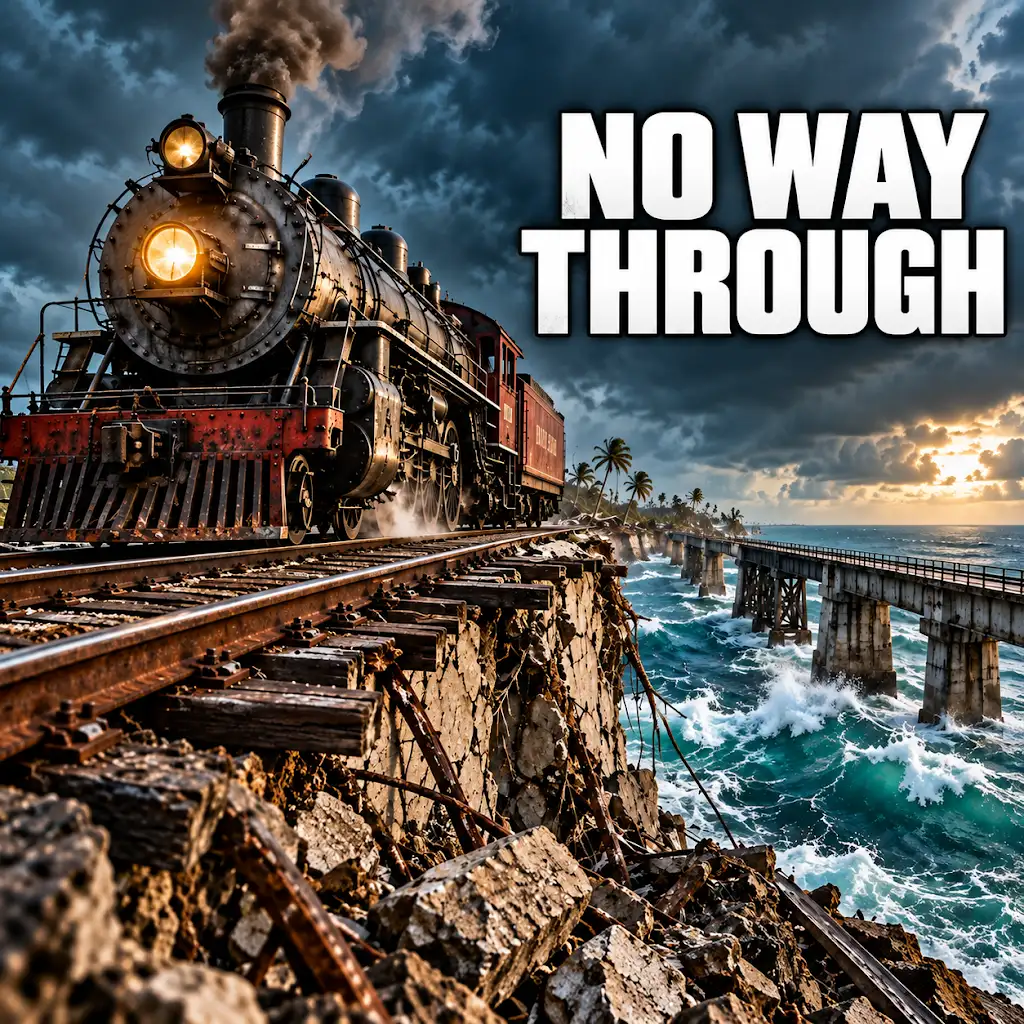
The Railroad That Bet on the Panama Canal—and Lost
FAQs
What is the Cross Florida Barge Canal?
The Cross Florida Barge Canal was a proposed canal project in Florida that aimed to connect the Gulf of Mexico with the Atlantic Ocean. It was intended to provide a shorter route for ships traveling between the two coasts.
Why was the Cross Florida Barge Canal project abandoned?
The project was abandoned due to environmental concerns and public opposition. Critics argued that the canal would disrupt the ecosystem, harm wildlife, and potentially lead to saltwater intrusion in freshwater areas.
What was the purpose of the Key West Extension railroad project?
The Key West Extension railroad project was intended to connect the Florida mainland to Key West by rail. It was a massive engineering feat that involved building tracks over the ocean.
Why was the Key West Extension railroad project ultimately unsuccessful?
The project faced numerous challenges, including financial difficulties, labor shortages, and the devastation caused by the Labor Day Hurricane of 1935. The cost of maintaining the tracks over the ocean also proved to be unsustainable.
What is the significance of these forgotten railroad projects in Florida’s history?
These forgotten railroad projects represent ambitious engineering endeavors that shaped Florida’s development and transportation infrastructure. While they may have been ultimately unsuccessful, they provide valuable insights into the state’s history and the challenges of balancing progress with environmental conservation.