The Unseen Tide: Riverbank Erosion’s Devastating Reach
The gentle flow of a river, often seen as a lifeblood, can transform into a relentless enemy when its banks begin to succumb to erosion. This insidious process, exacerbated by climate change and human activity, is now triggering a profound crisis of forced migration, displacing entire communities and shattering established ways of life. As the land erodes, homes, livelihoods, and cultural heritage are washed away, leaving behind a trail of desperation and uncertainty. The impact is not confined to the immediate vicinity of the river; it sends ripples through wider societal structures, straining resources and highlighting the urgent need for both mitigation and adaptation strategies.
The phenomenon of riverbank erosion is a complex interplay of natural forces and anthropogenic pressures. Naturally, rivers are dynamic systems, constantly reshaping their courses through erosion and deposition. However, human interventions such as deforestation of riverine areas, construction of dams and embankments that alter water flow and sediment transport, and unsustainable agricultural practices upstream can significantly accelerate this natural process. Furthermore, the increasing frequency and intensity of extreme weather events, directly linked to climate change, lead to more powerful floods that further destabilize riverbanks. These floods not only inundate land but also exert immense pressure on the soil, loosening it and making it more susceptible to being carried away by the water. The cumulative effect is a gradual, and sometimes sudden, loss of land, a creeping destruction that forces people to make the agonizing decision to leave their ancestral homes.
Forced migration due to riverbank erosion is a pressing issue that affects countless communities worldwide, as rising water levels and changing climates lead to the displacement of populations. For a deeper understanding of this phenomenon and its implications, you can read the related article on this topic at My Geo Quest. This article explores the causes of riverbank erosion and its impact on local communities, highlighting the urgent need for sustainable solutions to address this growing challenge.
Communities on the Brink: The Human Cost of Vanishing Land
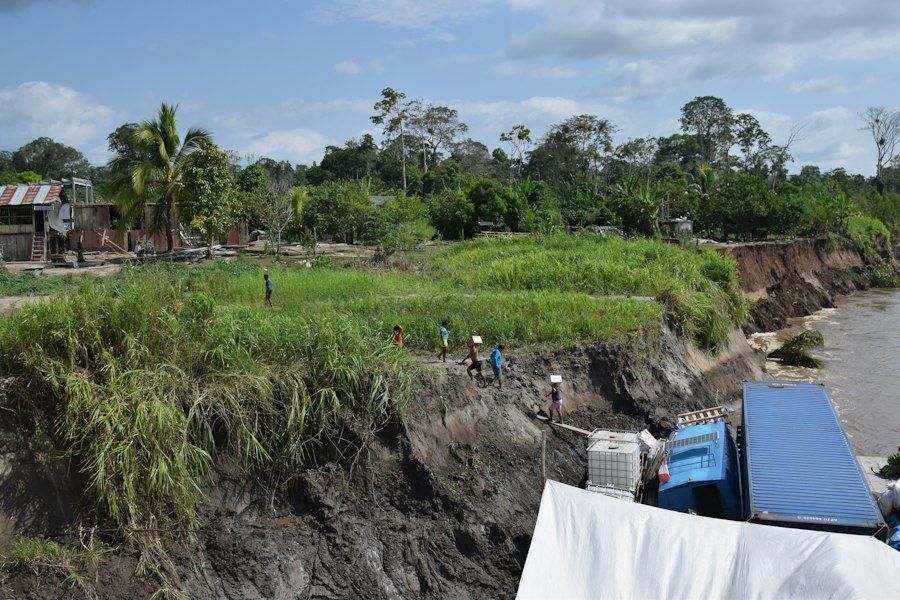
The human impact of riverbank erosion is devastating, creating a silent humanitarian crisis often overlooked in larger global discussions. Families who have lived on the same land for generations find themselves landless, their sense of identity and belonging intrinsically tied to the soil they are losing. The displacement is rarely a planned relocation; it is a panicked flight from an encroaching danger. This forced migration tears at the social fabric of communities, disrupting established networks of support, kinship, and mutual aid. Children are pulled out of schools, their education interrupted, and their futures jeopardized. The elderly, often the custodians of local history and traditions, are forced to abandon familiar surroundings, facing profound psychological distress and a loss of their accustomed routines and social connections.
The Economic Devastation of Lost Livelihoods
Agriculture is frequently the primary source of income and sustenance for communities living along rivers. The erosion of fertile land directly translates to a loss of agricultural output, decimating crops and rendering fields unusable. This economic devastation extends beyond crop failure; it includes the loss of livestock that can be swept away by floods or have their grazing lands submerged. Fishing communities are also severely affected as the river’s morphology changes, altering fish habitats and migration patterns, leading to reduced catches. The destruction of infrastructure, such as irrigation systems, bridges, and pathways, further cripples economic activity, making it difficult to transport goods or access markets. The loss of land also means the loss of collateral, making it harder for displaced individuals to access credit or loans to rebuild their lives.
The Psychological Toll of Displacement and Uncertainty
The emotional and psychological toll on individuals and families facing forced migration due to riverbank erosion is immense. The constant threat of losing one’s home, coupled with the eventual displacement, breeds anxiety, fear, and a pervasive sense of helplessness. The loss of ancestral homes is not just the loss of a physical structure; it represents the erosion of identity, history, and cultural heritage. Many displaced individuals experience trauma, depression, and a loss of self-esteem. The uncertainty of their future, the struggle to find new shelter and employment, and the feeling of being uprooted from their familiar environment contribute to a chronic state of stress. Children, particularly vulnerable, may suffer from developmental delays and exhibit behavioral problems as a result of the trauma and disruption.
Cultural Heritage Washed Away: A Loss Beyond Measure
Rivers have always been central to the cultural identity of many communities. They are often imbued with spiritual significance, serving as sites for rituals, ceremonies, and traditional practices. The erosion of riverbanks threatens to erase this rich cultural tapestry. Sacred groves, ancient burial sites, and historical landmarks located near rivers are being submerged or destroyed, representing an irreparable loss of heritage. Oral traditions and folklore often revolve around the river and its environs, and with the physical landscape disappearing, so too can these invaluable cultural narratives. The displacement of communities also leads to the fragmentation of cultural practices, as individuals are scattered and their ability to collectively engage in traditions diminishes.
The Global Magnification: Climate Change as an Accelerator
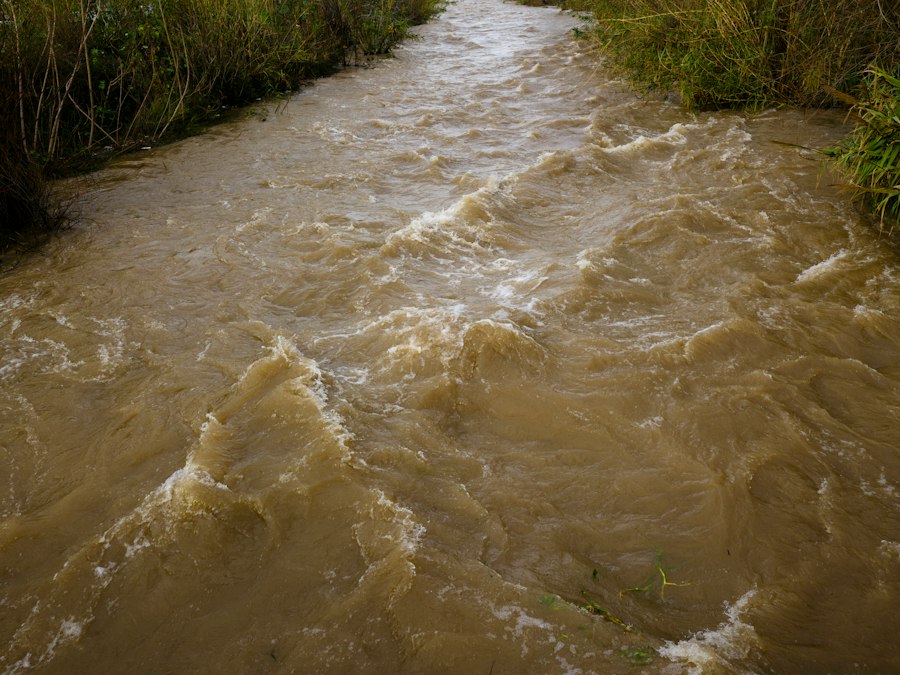
The escalating crisis of forced migration driven by riverbank erosion is inextricably linked to the broader phenomenon of climate change. Global warming is not merely about rising temperatures; it is about destabilizing weather patterns, leading to more frequent and intense extreme weather events. For riverine communities, this translates into more powerful and unpredictable floods. These floods are the primary agents of accelerated erosion, acting like a relentless chisel on the riverbanks. As global temperatures rise, polar ice caps melt, contributing to sea-level rise and altering ocean currents, which in turn can influence rainfall patterns and river flows in distant regions. The interconnectedness of the global climate system means that actions or inactions in one part of the world can have profound consequences for vulnerable communities elsewhere.
Intensified Flooding: The Direct Driver of Erosion
The link between climate change and intensified flooding is well-established. Warmer air holds more moisture, leading to heavier rainfall events. Additionally, changes in atmospheric circulation patterns can result in prolonged periods of rain. These increased rainfall volumes lead to higher river levels and stronger currents, exerting greater erosive force on riverbanks. The frequency of flash floods, often occurring with little warning, is also increasing, giving communities less time to prepare and evacuate, and often resulting in greater immediate damage to infrastructure and land. The sheer volume and power of these intensified floods are overwhelming natural protective mechanisms of riverbanks, leading to rapid land loss.
Sea-Level Rise and Coastal Riverine Systems
For river systems that flow into the sea, the impacts of sea-level rise due to climate change compound the problem of erosion. Rising sea levels push saltwater further inland, a process known as saltwater intrusion. This intrusion can degrade soil quality, making it more susceptible to erosion. Furthermore, higher sea levels can exacerbate storm surges, which push large volumes of water up river channels, increasing the force of erosion on both the riverbanks and the adjacent coastal lands. This creates a dual threat for communities located in estuarine areas, facing both the erosive power of the river and the encroaching sea.
Seeking Refuge: The Challenges of Displacement and Resettlement
The forced displacement of communities due to riverbank erosion presents significant challenges for both the displaced populations and the host communities. The process of finding new homes, securing livelihoods, and integrating into new social structures is fraught with difficulties. Governments and humanitarian organizations are often ill-equipped to handle the scale and complexity of such migrations, leading to inadequate support systems and prolonged periods of hardship for those affected. The search for safety and stability often leads to precarious living conditions and increased vulnerability.
The Perilous Journey: From Home to Homelessness
The journey from an eroding homeland to a place of refuge is often perilous and uncertain. Displaced individuals may have to travel long distances with limited resources, facing the risk of exploitation and further loss. They often leave behind most of their possessions, carrying only what they can manage. The lack of adequate shelter, clean water, and sanitation in temporary settlements or displacement camps can lead to health crises, exacerbating the existing vulnerabilities. The psychological trauma of the journey itself adds another layer of suffering to an already devastating experience.
Integration and Adaptation: Building New Lives in New Lands
Integrating into host communities can be a complex and often challenging process for displaced populations. They may face discrimination, competition for scarce resources, and cultural misunderstandings. The lack of skills relevant to the economic opportunities in new areas can lead to unemployment and poverty. Host communities, in turn, may struggle to absorb the influx of displaced people, facing increased pressure on their own resources and infrastructure. Successful integration requires concerted efforts from both the displaced individuals and the host communities, supported by government policies and humanitarian aid that foster mutual understanding and shared development.
The Role of Government and International Aid
Governments have a primary responsibility to protect their citizens and provide support to those displaced by environmental disasters. This includes developing early warning systems for erosion, implementing land management strategies, and providing timely relief and resettlement assistance. However, many governments in vulnerable regions lack the financial and technical capacity to adequately address the scale of the crisis. International aid organizations play a crucial role in providing humanitarian assistance, advocating for the rights of displaced people, and supporting long-term recovery and adaptation efforts. However, the scale of the problem often outstrips the available resources.
Forced migration due to riverbank erosion is a pressing issue that affects countless communities around the world, as rising water levels and changing climates continue to reshape landscapes. Many families are compelled to leave their homes, seeking safety and stability elsewhere. For a deeper understanding of this phenomenon and its implications, you can explore a related article on this topic at My Geo Quest, which provides valuable insights into the challenges faced by those displaced by environmental changes.
Charting a Course Forward: Mitigation, Adaptation, and Resilience
| Region | Year | Estimated Number of People Displaced | Primary River | Percentage of Population Affected | Common Destinations |
|---|---|---|---|---|---|
| Bangladesh (Char Areas) | 2023 | 150,000 | Padma River | 12% | Nearby Urban Centers, Other Districts |
| India (Assam) | 2022 | 80,000 | Brahmaputra River | 8% | Guwahati, Other Districts |
| Nigeria (Niger Delta) | 2021 | 45,000 | Niger River | 5% | Nearby Towns, State Capitals |
| Vietnam (Mekong Delta) | 2023 | 60,000 | Mekong River | 7% | Ho Chi Minh City, Other Provinces |
| Bangladesh (Jamuna River) | 2020 | 100,000 | Jamuna River | 10% | Dhaka, Nearby Districts |
Addressing the crisis of forced migration triggered by riverbank erosion requires a multi-pronged approach that encompasses immediate relief, long-term mitigation, and robust adaptation strategies. Simply reacting to displacement is insufficient; proactive measures are needed to prevent further erosion, protect vulnerable communities, and build their resilience to the impacts of a changing climate. This requires a shift in focus from solely responding to crises to investing in sustainable solutions that safeguard both human lives and the natural environment.
Sustainable Land and Water Management Practices
A crucial step in mitigating riverbank erosion is the implementation of sustainable land and water management practices. This includes afforestation and reforestation of river catchments and floodplains to stabilize soil and reduce runoff. Promoting responsible agricultural practices that minimize soil disturbance and enhance soil health can also significantly reduce erosion. Engineering solutions such as strategically placed check dams, bio-engineering techniques using vegetation to bind soil, and the restoration of natural floodplains can help to manage water flow and reduce erosive forces. International cooperation and knowledge sharing are vital in disseminating best practices and providing technical assistance to vulnerable regions.
Early Warning Systems and Disaster Preparedness
The development and strengthening of early warning systems for riverbank erosion and floods are critical for saving lives and minimizing damage. These systems need to be accessible to all communities, especially those in remote and vulnerable areas. Coupled with effective disaster preparedness plans, including evacuation routes, emergency shelters, and relief distribution mechanisms, these systems can significantly reduce the impact of erosion-induced displacement. Community-based disaster management committees, empowered with knowledge and resources, can play a vital role in ensuring timely and effective responses.
Climate Change Adaptation and Planned Relocation
Adapting to the inevitable impacts of climate change is no longer an option but a necessity. This includes investing in climate-resilient infrastructure, developing drought-resistant crops, and diversifying livelihoods away from climate-sensitive sectors. In some cases, where the risk of erosion is too high and unavoidable, planned relocation may become a necessary last resort. This process must be undertaken with the full participation of the affected communities, ensuring that their rights, dignity, and cultural heritage are respected. Planned relocation, when done ethically and effectively, can prevent humanitarian crises and provide a more secure future for displaced populations.
The Imperative of Global Climate Action
Ultimately, the crisis of forced migration triggered by riverbank erosion is a stark reminder of the urgent need for global climate action. Reducing greenhouse gas emissions to limit global warming is paramount in mitigating the frequency and intensity of extreme weather events that fuel erosion. Developed nations, historically responsible for a larger share of emissions, have a moral and practical obligation to support developing nations in their adaptation and mitigation efforts. Investing in renewable energy, promoting sustainable development, and fostering international cooperation are not just environmental imperatives, but also essential steps towards ensuring global security and human well-being. The unseen tide of erosion is a visible symptom of a larger global challenge, demanding a unified and decisive response.
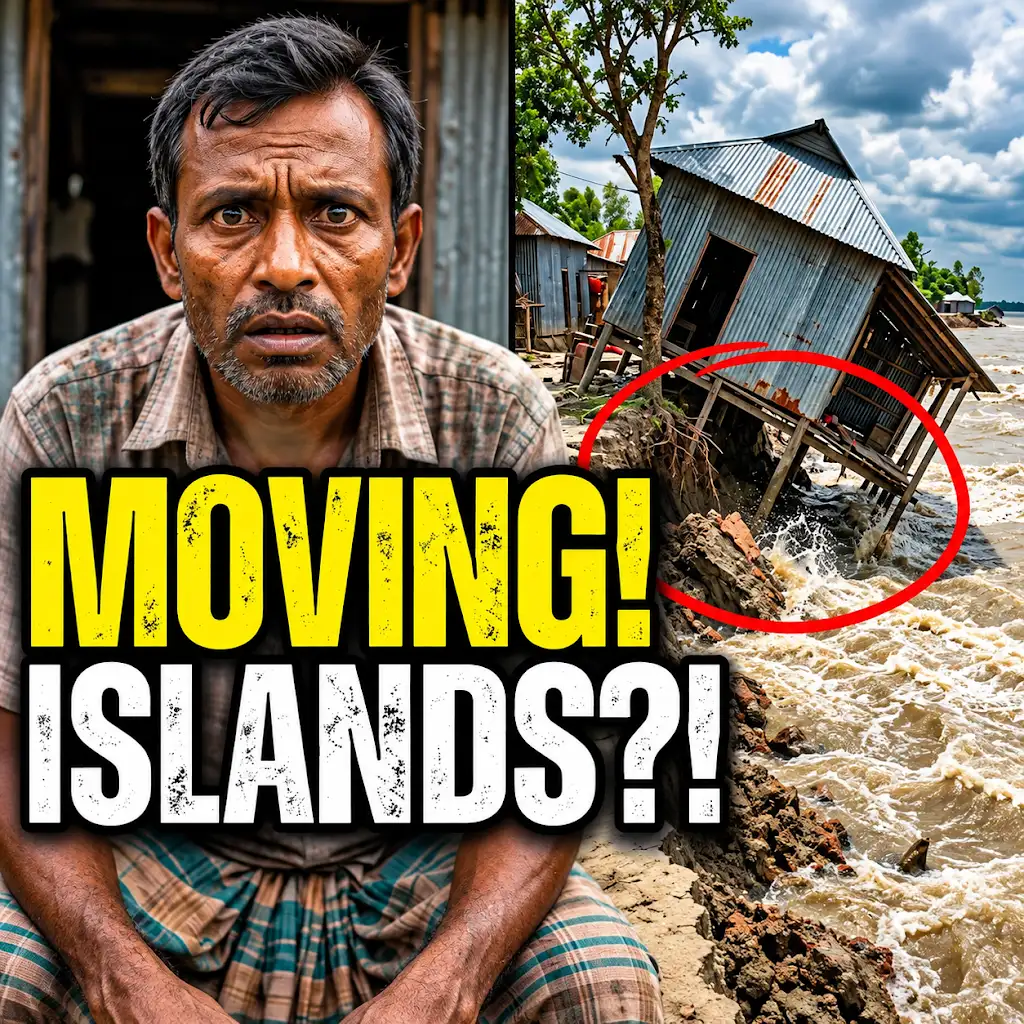
This River is Literally Erasing Islands
FAQs
What is forced migration due to riverbank erosion?
Forced migration due to riverbank erosion refers to the displacement of communities or individuals from their homes and land as a result of the gradual wearing away of riverbanks due to natural processes.
What are the main causes of riverbank erosion?
Main causes of riverbank erosion include increased water flow, deforestation, climate change, improper land use practices, and human activities such as sand mining and construction of dams.
How does riverbank erosion lead to forced migration?
Riverbank erosion can lead to forced migration by destroying homes, agricultural land, and infrastructure, making it unsafe or impossible for people to continue living in affected areas. This displacement often results in communities having to relocate to safer areas.
Which regions are most affected by forced migration due to riverbank erosion?
Regions most affected by forced migration due to riverbank erosion include countries in South Asia, Southeast Asia, Africa, and parts of Central and South America where rivers play a significant role in the livelihoods of communities living along their banks.
What are the challenges faced by communities experiencing forced migration due to riverbank erosion?
Communities experiencing forced migration due to riverbank erosion face challenges such as loss of homes and livelihoods, food insecurity, lack of access to clean water and sanitation, increased vulnerability to natural disasters, and difficulties in finding new places to settle.