
Food systems worldwide face increasing vulnerability from multiple sources, including climate change, geopolitical conflicts, and economic instability. This vulnerability stems not only from environmental factors but also from interconnections with financial markets. As global integration deepens, financial market volatility amplifies food system fragility, potentially causing significant disruptions to food supply and access.
Recognizing this relationship is essential for policymakers, farmers, and consumers, as it underscores the importance of building resilience in food production and distribution networks. Food systems are shaped by numerous variables, ranging from agricultural methods to international trade regulations. Consequently, disruptions in any single component can trigger widespread effects across the entire system.
Financial markets significantly influence food systems, particularly through commodity price fluctuations that directly affect food costs. This article examines the complex relationship between financial markets and food system vulnerability, demonstrating how economic factors influence global food security.
Key Takeaways
- Financial market volatility significantly affects food prices, increasing food system vulnerability.
- Speculation in food commodities can exacerbate price fluctuations, impacting market stability.
- Small-scale farmers are particularly vulnerable to financial market changes, threatening their livelihoods.
- Exchange rate fluctuations influence food import and export dynamics, affecting food availability and costs.
- Diversification and targeted policy responses are crucial to mitigating financial market impacts on food security.
The Relationship Between Financial Markets and the Food System
Financial markets play a pivotal role in shaping the agricultural landscape, influencing everything from production decisions to consumer prices. The connection between these markets and the food system is often overlooked, yet it is fundamental to understanding how food is produced, distributed, and consumed. Financial instruments such as futures contracts and options allow investors to hedge against price fluctuations in agricultural commodities, thereby impacting the supply chain.
When financial markets are stable, farmers can make informed decisions about planting and harvesting, leading to a more predictable food supply. However, when financial markets experience volatility, the repercussions can be severe. Sudden price spikes or drops can create uncertainty for farmers, who may struggle to secure financing or make long-term plans.
This uncertainty can lead to reduced investment in agricultural practices, ultimately affecting food production levels. Furthermore, the influence of financial markets extends beyond just farmers; it also affects consumers who may face rising prices at the grocery store due to market fluctuations. Thus, the relationship between financial markets and the food system is a complex web that requires careful examination to understand its implications for food security.
Impact of Financial Market Volatility on Food Prices
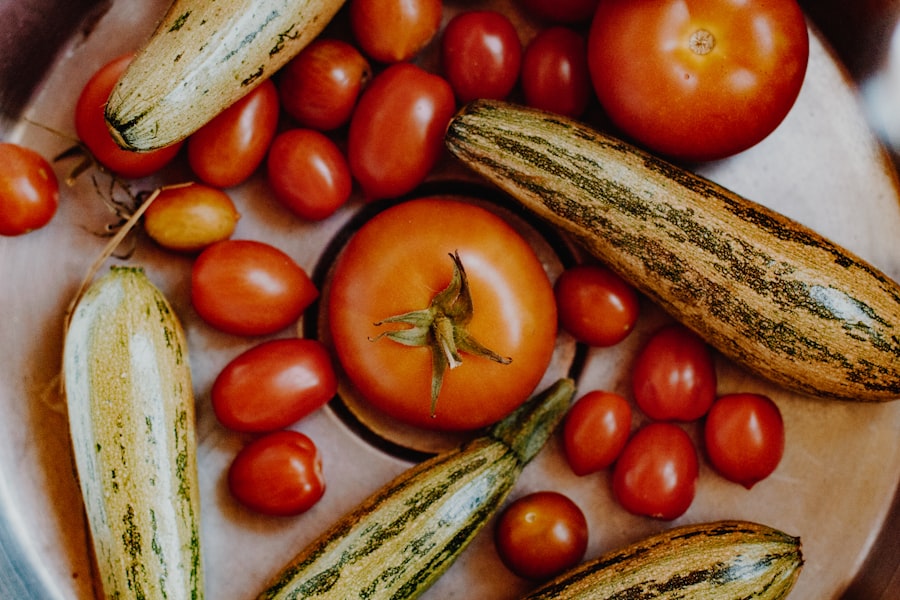
The volatility of financial markets has a direct correlation with food prices, often leading to significant fluctuations that can impact consumers and producers alike. When financial markets are unstable, commodity prices can soar or plummet within short periods, creating an unpredictable environment for those involved in the food supply chain. For instance, a sudden increase in oil prices can lead to higher transportation costs, which in turn raises the price of food products.
Similarly, if investors perceive instability in agricultural markets, they may engage in panic selling or buying, further exacerbating price volatility. This volatility not only affects immediate pricing but also has long-term implications for food security. When prices rise sharply, low-income households are disproportionately affected as they spend a larger portion of their income on food.
This can lead to increased food insecurity and malnutrition among vulnerable populations. Conversely, when prices fall dramatically, farmers may struggle to cover their production costs, leading to reduced investment in future crops and potential shortages down the line. The cyclical nature of this volatility underscores the need for robust mechanisms to stabilize food prices and protect both consumers and producers from extreme fluctuations.
Role of Speculation in Food Commodities
Speculation in financial markets plays a significant role in shaping the dynamics of food commodities. Investors often engage in speculative trading to profit from anticipated price movements in agricultural products. While this practice can provide liquidity to markets and help farmers hedge against risks, it can also lead to excessive price swings that do not necessarily reflect underlying supply and demand fundamentals.
Speculators may drive prices up based on market sentiment rather than actual crop yields or consumption patterns, creating an artificial inflation of food prices. The impact of speculation is particularly pronounced during times of crisis or uncertainty. For example, during natural disasters or geopolitical tensions that threaten food supply chains, speculators may rush to buy commodities as a hedge against potential shortages.
This behavior can lead to rapid price increases that further strain consumers and exacerbate food insecurity.
Balancing the benefits of speculation with its potential harms is a critical challenge for regulators and policymakers.
Vulnerability of Small-Scale Farmers to Financial Market Fluctuations
| Metric | Description | Impact on Food System Vulnerability | Example Data |
|---|---|---|---|
| Commodity Price Volatility | Fluctuations in prices of key food commodities like wheat, corn, and rice | High volatility increases uncertainty for producers and consumers, leading to supply disruptions | Annual price variation: 15-30% |
| Financial Speculation in Food Markets | Volume of speculative trading in food commodity futures and derivatives | Excessive speculation can drive prices away from fundamentals, increasing vulnerability | Speculative trades account for 60% of total market volume |
| Exchange Rate Fluctuations | Variability in currency exchange rates affecting import/export costs | Volatile exchange rates can increase food import costs, impacting affordability | Monthly exchange rate change: ±5% |
| Food Price Inflation Rate | Rate at which food prices increase over time | High inflation reduces purchasing power, increasing food insecurity | Annual food price inflation: 8% |
| Access to Credit for Farmers | Availability of financial services and loans for agricultural producers | Limited credit restricts investment in production, increasing vulnerability | Only 40% of smallholder farmers have access to formal credit |
| Investment in Food Supply Chain Infrastructure | Financial investment in storage, transportation, and processing facilities | Underinvestment leads to post-harvest losses and supply chain inefficiencies | Annual investment growth rate: 3% |
Small-scale farmers are particularly vulnerable to fluctuations in financial markets due to their limited resources and access to capital. Unlike large agribusinesses that may have diversified portfolios and greater financial resilience, small farmers often operate on thin margins and rely heavily on stable prices for their products. When financial markets experience volatility, these farmers may find it challenging to secure loans or invest in necessary inputs such as seeds and fertilizers.
This lack of access can hinder their ability to respond effectively to market changes. Moreover, small-scale farmers often lack the market power needed to negotiate fair prices for their goods. When commodity prices drop due to market fluctuations, they may be forced to sell their products at a loss or face significant financial hardship.
This vulnerability not only threatens their livelihoods but also has broader implications for local food systems and community resilience. Supporting small-scale farmers through access to financial resources and market information is essential for building a more resilient food system that can withstand the shocks of financial market volatility.
Influence of Exchange Rates on Food Imports and Exports
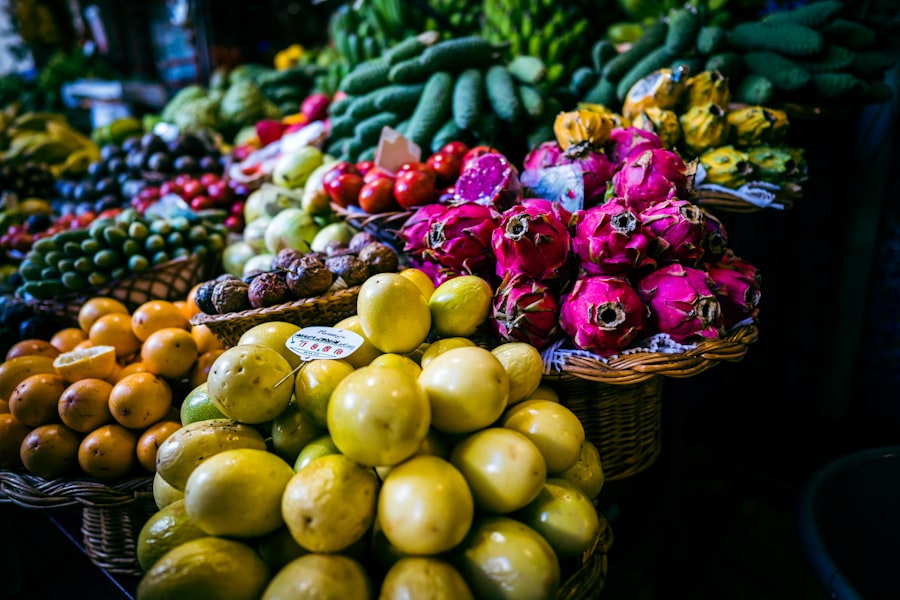
Exchange rates play a crucial role in determining the cost of food imports and exports, significantly impacting global food systems. When a country’s currency depreciates against others, imported goods become more expensive, leading to higher costs for consumers and businesses reliant on foreign food products. Conversely, a stronger currency can make exports more competitive on the global market but may also reduce domestic demand for local products as imported goods become cheaper.
The influence of exchange rates is particularly relevant for countries that depend heavily on imported food items or those that export agricultural products to international markets.
For instance, if a country experiences a sudden depreciation of its currency, it may face rising food prices that could exacerbate existing issues of food insecurity among its population.
Understanding the interplay between exchange rates and food systems is essential for developing strategies that promote stability and resilience in global agriculture.
Link Between Food System Vulnerability and Global Economic Crises
The vulnerability of food systems is often magnified during global economic crises, as financial instability can lead to widespread disruptions in supply chains and access to resources. Economic downturns typically result in reduced consumer spending power, which can lead to decreased demand for certain food products. This decline in demand can create a ripple effect throughout the agricultural sector, impacting farmers’ incomes and their ability to invest in future production.
Moreover, during economic crises, governments may implement austerity measures that cut funding for agricultural support programs or social safety nets designed to assist vulnerable populations. These cuts can exacerbate existing inequalities within food systems and increase the risk of hunger and malnutrition among low-income households. The interconnectedness of global economies means that a crisis in one region can have far-reaching consequences for food security worldwide.
Addressing these vulnerabilities requires coordinated efforts at both national and international levels to ensure that food systems remain resilient in the face of economic challenges.
Policy Responses to Mitigate Financial Market Impact on Food Systems
In light of the vulnerabilities posed by financial market fluctuations on food systems, policymakers must develop targeted responses to mitigate these impacts. One approach involves implementing regulatory measures aimed at curbing excessive speculation in agricultural commodities markets. By establishing limits on speculative trading or increasing transparency requirements for market participants, governments can help stabilize prices and protect both producers and consumers from extreme volatility.
Additionally, investing in social safety nets and support programs for small-scale farmers can enhance resilience within food systems. Providing access to credit, training programs, and market information can empower farmers to make informed decisions and adapt to changing market conditions. Furthermore, promoting diversification within agricultural practices can help reduce dependency on single crops or markets, thereby enhancing overall system resilience.
By adopting a multifaceted approach that addresses both regulatory frameworks and support mechanisms for farmers, policymakers can work towards creating more stable and secure food systems.
Importance of Diversification in Food Systems
Diversification within food systems is essential for building resilience against financial market fluctuations and other external shocks. By cultivating a variety of crops or engaging in multiple income-generating activities, farmers can reduce their reliance on any single source of income or product. This strategy not only helps mitigate risks associated with price volatility but also enhances overall productivity by promoting biodiversity within agricultural ecosystems.
Moreover, diversification can contribute to improved nutrition and food security at the community level. By growing a range of crops that cater to local dietary needs, farmers can help ensure that their communities have access to diverse and nutritious foods year-round. Additionally, diversified farming practices can enhance soil health and reduce vulnerability to pests and diseases, further contributing to sustainable agricultural practices.
Encouraging diversification through policy support and education initiatives is crucial for fostering resilient food systems capable of withstanding economic uncertainties.
Potential for Financial Market Impact on Food Security
The potential impact of financial markets on food security cannot be overstated; as these markets continue to evolve, so too do the risks associated with them. The increasing integration of global economies means that local food systems are more susceptible to external shocks originating from financial markets than ever before. As commodity trading becomes more complex with advancements in technology and data analytics, understanding these dynamics will be critical for ensuring that food security remains a priority.
Furthermore, as climate change continues to pose challenges for agricultural production worldwide, the interplay between financial markets and environmental factors will become increasingly important. Policymakers must consider how fluctuations in financial markets could exacerbate existing vulnerabilities within food systems while also exploring innovative solutions that leverage market mechanisms for positive outcomes. By recognizing the potential risks associated with financial market dynamics, stakeholders can work collaboratively towards safeguarding global food security.
Future Outlook for Food System Vulnerability and Financial Markets
Looking ahead, the future outlook for food system vulnerability in relation to financial markets remains uncertain but critical for global stability. As economic conditions fluctuate due to geopolitical tensions or environmental crises such as climate change-induced droughts or floods, the interconnectedness between these two domains will likely intensify. Stakeholders must remain vigilant about emerging trends within both financial markets and agricultural practices while prioritizing resilience-building strategies.
Moreover, advancements in technology offer promising avenues for enhancing transparency within financial markets related to agriculture while also improving data accessibility for farmers navigating volatile conditions. By harnessing innovative solutions such as blockchain technology or predictive analytics tools tailored specifically for agriculture-related investments, stakeholders can better anticipate shifts within both sectors—ultimately fostering greater stability within global food systems. In conclusion, understanding the intricate relationship between financial markets and food system vulnerability is essential for addressing contemporary challenges related to food security worldwide.
By recognizing how economic factors influence agricultural practices while simultaneously advocating for policies that promote resilience among small-scale farmers—stakeholders can work towards creating sustainable solutions capable of withstanding future uncertainties within this critical domain.
Food systems are increasingly vulnerable to fluctuations in financial markets, which can lead to instability in food prices and availability. A related article that delves into this issue is available at this link. It explores how economic factors and market dynamics impact food security and the resilience of agricultural systems, highlighting the need for sustainable practices to mitigate these vulnerabilities.
FAQs
What is meant by food system vulnerability to financial markets?
Food system vulnerability to financial markets refers to the susceptibility of food production, distribution, and access to fluctuations and shocks in financial markets. This includes how changes in commodity prices, investment flows, currency exchange rates, and financial speculation can impact food availability, affordability, and stability.
How do financial markets influence food prices?
Financial markets influence food prices through commodity trading, futures contracts, and investment activities. Speculation and volatility in these markets can lead to rapid price changes, affecting the cost of food for producers and consumers. Additionally, currency fluctuations and interest rates can impact production costs and trade.
Why is the food system vulnerable to financial market fluctuations?
The food system is vulnerable because it is interconnected with global financial markets through trade, investment, and commodity pricing. Many food commodities are traded on financial exchanges, making them subject to market speculation and volatility. This can disrupt supply chains, increase price instability, and affect food security.
What are the potential consequences of food system vulnerability to financial markets?
Consequences include increased food price volatility, reduced access to affordable food, heightened risk of food insecurity, and economic stress on farmers and consumers. Vulnerability can also lead to social unrest and exacerbate poverty, especially in low-income and food-importing countries.
How can food system vulnerability to financial markets be mitigated?
Mitigation strategies include improving market transparency, regulating commodity speculation, diversifying food supply sources, strengthening local food systems, and implementing social safety nets. Policies that promote sustainable agriculture and reduce dependency on volatile financial markets can also help.
What role do governments play in addressing food system vulnerability?
Governments can regulate financial markets to reduce excessive speculation, support farmers through subsidies and insurance, invest in resilient food infrastructure, and develop policies that ensure stable food supplies. International cooperation is also important to manage global market risks.
Are there examples of financial market shocks affecting food systems?
Yes, for example, the 2007-2008 global food price crisis was partly driven by financial speculation in commodity markets, leading to sharp increases in food prices worldwide. Such shocks have highlighted the interconnectedness of financial markets and food security.
How does financial market volatility impact smallholder farmers?
Volatility can lead to unpredictable input costs and unstable income for smallholder farmers, making it difficult to plan production and invest in their farms. This increases their economic vulnerability and can reduce overall food production.
Can financial markets also provide benefits to the food system?
Yes, financial markets can provide benefits such as price discovery, risk management through futures contracts, and access to capital for agricultural investments. When well-regulated, they can contribute to efficient food supply chains and investment in agricultural development.