Understanding the Urgency of a Flood Warning
The wail of sirens, the crackle of emergency radio broadcasts, and the urgent tone of official announcements – these are the sounds that accompany a flood warning. More than just an alert, a flood warning signifies an immediate and imminent threat to life and property. It is a critical directive from authorities, compelling residents in affected areas to take decisive action for their safety. This directive is not issued lightly; it is the culmination of careful monitoring of weather patterns, river levels, and watershed conditions, signaling that natural water bodies are no longer contained and are posing a significant danger. Understanding the gravity of such a warning, and more importantly, knowing how to respond, can mean the difference between life and loss. The imperative to evacuate immediately is not a suggestion; it is a life-saving instruction born from the unpredictable and destructive power of floodwaters.
The genesis of a flood warning lies in the meticulous work of meteorological and hydrological agencies. These organizations continuously track rainfall, snowmelt, and the capacity of rivers, lakes, and drainage systems. When rainfall exceeds the absorption capabilities of the land, or when rapid snowmelt overwhelms river systems, the risk of flooding escalates. Sophisticated models analyze these data points, predicting the potential inundation of low-lying areas and the trajectory of rising waters. A flood watch, issued earlier, signifies that conditions are favorable for flooding. A flood warning, however, means that flooding is happening or is imminent and is likely to cause significant damage. The transition from a watch to a warning is a clear escalation, demanding immediate attention and action from those in the projected path of the flood. This heightened alert level underscores the fact that the danger is no longer theoretical but a present reality or an unavoidable consequence of current conditions.
In light of the recent discussions surrounding evacuation time during flood warnings, it’s essential to consider the insights provided in a related article that delves deeper into effective emergency preparedness. This article emphasizes the importance of timely communication and community readiness in minimizing risks during such natural disasters. For more information, you can read the full article here: Evacuation Time and Flood Warnings.
The Critical Imperative: Why Immediate Evacuation is Non-Negotiable

The phrase “evacuate immediately” is the cornerstone of any flood warning. It carries an undeniable weight of urgency, a plea from those tasked with public safety to act without delay. This directive is rooted in the fundamental principle that human life is paramount and that the risks associated with remaining in a flood-prone area during an active warning far outweigh any perceived benefits of staying put. Floodwaters are notoriously unpredictable and can rise with astonishing speed, transforming familiar landscapes into treacherous waterways in a matter of hours, or even minutes. What may appear as a manageable amount of water at the onset can quickly become a raging torrent, carrying debris, strong currents, and posing a severe risk of electrocution from submerged power lines.
The Dynamic and Destructive Nature of Floodwaters
Floodwaters are not static bodies of water; they are dynamic and possess immense destructive power. The sheer force of moving water can sweep away vehicles, collapse structures, and uproot trees. Even a few inches of fast-moving water can be enough to knock an adult off their feet, and a foot of water can carry away most vehicles. The debris carried by floodwaters, such as branches, trash, and even larger objects, can act as battering rams, further intensifying the damage to anything in their path. Submerged electrical infrastructure creates a significant electrocution hazard, as electricity can travel through water. This inherent danger necessitates swift action to remove individuals from the path of this powerful and unpredictable force. The seemingly benign appearance of rising water can be a dangerous deception, masking the potent forces at play.
The Dangers of Becoming Stranded
One of the most significant risks associated with ignoring an evacuation order is the potential of becoming stranded. As floodwaters rise, roads can become impassable, trapping residents in their homes or vehicles. Rescue operations, while undertaken by dedicated emergency personnel, are significantly more dangerous and challenging in rapidly deteriorating conditions. The longer individuals wait to evacuate, the greater the likelihood of being cut off from help. Emergency responders face perilous conditions themselves when attempting rescues during active flooding, and the increased demand on their resources can strain their capacity to assist everyone in need. Being stranded also means being cut off from essential services, including power, communication, and medical care, further exacerbating the dire situation. The decision to delay evacuation can inadvertently transform a potentially manageable situation into a life-threatening ordeal, placing both the individual and their rescuers in harm’s way.
Protecting Property Versus Preserving Life
A common human instinct is to protect one’s possessions, and the thought of leaving a home or business behind can be emotionally and financially difficult. However, the stark reality of a flood warning is that the preservation of human life must always take precedence over the protection of property. While possessions can often be replaced, a life lost cannot. Emergency services are equipped to handle damage assessment and recovery efforts after a flood, but they are primarily focused on life-saving measures during the event. The decision to evacuate is an investment in safety, acknowledging that material losses, while regrettable, are secondary to the invaluable human cost of inaction. Authorities understand the attachment people have to their belongings, but they are also acutely aware of the unforgiving nature of floodwaters and the irreversible consequences of prioritizing possessions over people.
Preparing for the Unthinkable: What to Do When the Warning is Issued
When a flood warning is officially issued for your area, the time for deliberation is over. The focus shifts immediately to preparation and execution of the evacuation plan. This involves a series of rapid yet crucial steps designed to ensure the safety of individuals and their immediate families. Being prepared in advance, even before a warning is issued, significantly enhances the ability to respond effectively and efficiently when the directive to evacuate is given. This proactive approach minimizes panic and allows for more rational decision-making during a high-stress situation.
Assembling Your Emergency Go-Bag
A critical component of immediate evacuation is having a pre-packed emergency go-bag, also known as a bug-out bag or survival kit. This bag should contain essential items that can sustain individuals for at least 72 hours, should they be displaced from their homes. Key items include non-perishable food, water, a first-aid kit, medications, a flashlight with extra batteries, a multi-tool, sanitation supplies, a change of clothing, important documents (copies in a waterproof bag), cash, and a portable phone charger. Having this bag readily accessible ensures that vital supplies are not forgotten in the haste of an emergency. The weight and contents of the bag should be tailored to the specific needs of the individuals in the household, including any infants, elderly individuals, or those with specific medical requirements.
Securing Your Home and Valuables (If Time Permits)
While the primary focus is on immediate evacuation, if there is a brief window of opportunity, certain steps can be taken to mitigate potential damage to property. This might include moving valuable possessions to higher floors or to a secure location outside the immediate flood zone. Shutting off utilities like electricity and gas can help prevent fires or electrocution hazards, but this should only be done if it can be done safely and quickly. Locking doors and windows can provide a degree of security against potential looters, though this is a secondary concern compared to ensuring personal safety. It is crucial to remember that these actions should not delay the evacuation process in any way. If there is any doubt about safety, the priority must remain on leaving. The decision to secure a home should be a rapid assessment, weighing the potential benefits against the absolute necessity of immediate departure.
Understanding Evacuation Routes and Shelters
Official flood warnings will typically include information about designated evacuation routes and available shelters. Familiarizing oneself with these routes in advance, and having alternative routes planned in case primary routes become impassable, is essential. Emergency management agencies will work to keep evacuation routes clear for as long as possible, but conditions can change rapidly. Knowing the location of official shelters, which are typically equipped to provide temporary accommodation and basic necessities, is also vital. These shelters are designed to be safe havens during and immediately after a disaster. However, it is important to note that shelters may have specific requirements regarding pets, so advance planning for animal companions is also necessary. The clear communication of these routes and shelters by authorities aims to streamline the evacuation process and reduce confusion during a critical time.
Navigating the Floodwaters: Safe Travel and Communication Strategies
The act of evacuating during a flood warning presents its own set of challenges and requires careful consideration of travel methods and communication. The environment itself can be hostile, and the infrastructure that typically facilitates movement may be compromised. Therefore, adopting safe travel practices and maintaining reliable communication are paramount to a successful and safe evacuation.
Choosing the Right Mode of Transport
The most recommended mode of transport during a flood warning is a vehicle that is capable of navigating flooded areas, such as a high-clearance SUV or truck, if such vehicles are available and safe to use. However, even these vehicles have limitations. If the water is deeper than the bottom of the doors, driving through it is extremely dangerous. In many cases, the safest option is to travel on foot to a designated pick-up point or to a nearby safe location. If using a personal vehicle, it is imperative to avoid driving through moving water. If a vehicle stalls in water, it is safer to abandon it and seek higher ground if possible, rather than remaining inside. Emergency services may have specialized vehicles, such as high-water rescue vehicles or boats, available for evacuation in severely flooded areas, but access to these may be limited. The decision of the best mode of transport will depend heavily on the specific conditions and available resources.
Staying Informed and Connected
Maintaining communication is a critical aspect of a safe evacuation. Battery-powered or hand-crank radios are essential for receiving official updates from emergency management agencies, especially if cellular service is disrupted. Mobile phones should be fully charged before evacuation, and text messaging is often more reliable than voice calls during network congestion. It is advisable to establish a communication plan with family members, designating an out-of-state contact person who can serve as a central point of information if local communication lines are down. Sharing location information with family and friends can also be beneficial. Battery banks and portable chargers are invaluable for keeping communication devices operational. In areas with widespread power outages, keeping devices charged becomes a significant challenge, highlighting the importance of having multiple charging options.
The Dangers of Driving Through Water
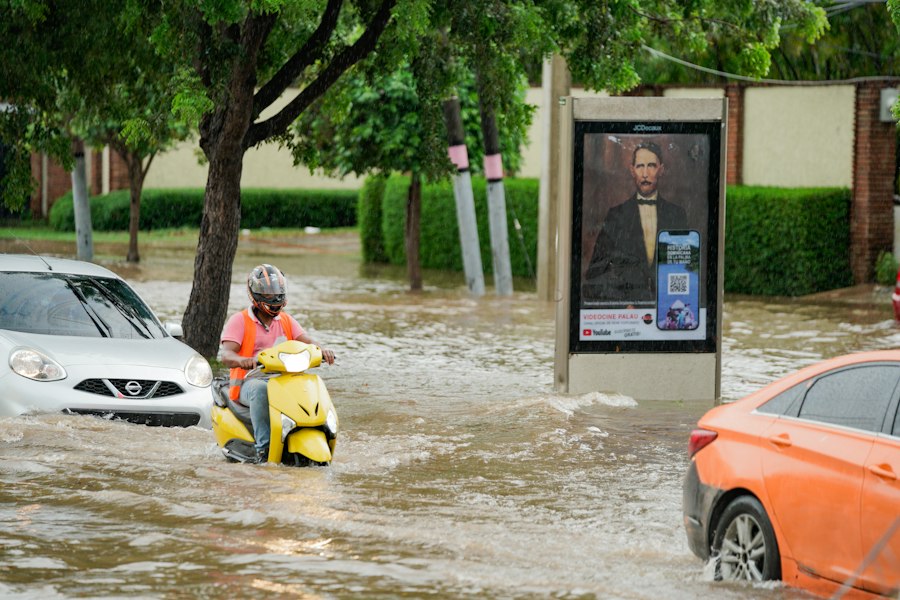
The mantra “Turn Around, Don’t Drown” is more than a catchy slogan; it is a vital safety message. Driving through flooded roadways is one of the most common causes of flood-related fatalities. Even seemingly shallow water can hide deep potholes or debris, and the force of the current can easily sweep a vehicle away. The electrical systems in modern vehicles can also be susceptible to damage from water, leading to immediate failure. The psychological effect of seeing water can also lead to misjudgment of its depth and current. Emergency services often face the heartbreaking task of rescuing individuals who have become trapped in their vehicles after attempting to drive through flooded areas. This is a stark reminder that human judgment can be fallible in stressful situations, and adherence to official warnings is the safest course of action.
In the context of preparing for natural disasters, understanding evacuation time during flood warnings is crucial for ensuring safety. A related article that delves deeper into this topic can be found at MyGeoQuest, where you can explore various strategies and insights on effective evacuation planning. This resource provides valuable information that can help communities better respond to flood threats and minimize risks.
Post-Evacuation and Recovery: Re-entry and Safety After the Waters Recede
| Metric | Description | Typical Value | Unit | Notes |
|---|---|---|---|---|
| Average Evacuation Time | Time taken for residents to evacuate after flood warning | 30-90 | minutes | Varies by population density and preparedness |
| Warning Lead Time | Time between flood warning issuance and expected flood arrival | 1-6 | hours | Depends on flood type and monitoring systems |
| Evacuation Compliance Rate | Percentage of population that evacuates after warning | 60-85 | % | Influenced by trust in authorities and communication |
| Evacuation Route Capacity | Maximum number of people that can be evacuated per hour | 500-2000 | people/hour | Depends on infrastructure and traffic management |
| Time to Reach Safe Shelter | Average time for evacuees to reach designated shelters | 15-45 | minutes | Varies by distance and transportation availability |
The directive to evacuate is a critical first step, but the process of recovery and re-entry after a flood is equally important and requires careful attention to safety. The aftermath of a flood presents a new set of hazards, and returning to one’s home or community should only be done when authorities deem it safe. Rushing the re-entry process can expose individuals to new dangers and hinder the overall recovery efforts.
When It Is Safe to Return
Authorities will typically issue an “all clear” message when it is safe for residents to return to their homes. This decision is based on a thorough assessment of the floodwaters having receded, the stability of infrastructure, and the absence of immediate health hazards. It is imperative to heed these official announcements and not return prematurely, even if the water appears to have gone down. Hidden dangers, such as weakened structures, lingering contaminants, and damaged utility lines, can persist long after the visible floodwaters have disappeared. Community leaders and emergency management agencies will coordinate the re-entry process, often providing information on the conditions of roads and services. Patience and adherence to official guidance are crucial during this phase.
Inspecting for Damage and Hazards
Upon returning, a thorough inspection of the property is essential. Look for structural damage to the building, including cracks in the foundation, walls, or ceilings. Check for any signs of mold or mildew growth, which can be a significant health concern. Damaged electrical systems, gas lines, and plumbing should be addressed by qualified professionals before attempting to use them. Floodwaters can contaminate water sources and sewage systems, posing a risk of waterborne illnesses. Be aware of potential hazards such as sharp objects, submerged debris, and exposed electrical wires. It is advisable to document any damage with photographs or videos for insurance purposes. Professional assessments may be necessary for significant damage to ensure the safety and habitability of the home.
Dealing with Contamination and Health Risks
Floodwaters often carry sewage, chemicals, and other hazardous materials, making them a significant source of contamination. When cleaning up after a flood, wear protective gear, including waterproof boots, gloves, and a mask, to prevent contact with contaminated water and debris. Disinfect all surfaces that have come into contact with floodwaters, using appropriate cleaning solutions. If the well water has been contaminated, it should not be used for drinking or cooking until it has been tested and deemed safe. Be vigilant for signs of mold growth, as it can cause respiratory problems and other health issues. If the home has been flooded, consider professional remediation services to ensure thorough cleaning and removal of contaminants. Prioritizing health and safety during the cleanup process is essential for long-term well-being.
The Broader Implications: Community Resilience and Future Preparedness
The issuance of a flood warning and the subsequent evacuation process extend beyond individual actions, highlighting the interconnectedness of communities and the importance of collective preparedness. The ability of a community to withstand and recover from a flood event is a testament to its resilience, which is built through proactive planning, effective communication, and mutual support.
Strengthening Community Infrastructure and Planning
Effective flood management requires robust infrastructure, including well-maintained levees, drainage systems, and storm surge barriers. However, infrastructure alone is not sufficient. Comprehensive community-level flood preparedness plans are crucial. These plans should include detailed evacuation strategies, communication protocols, resource allocation for emergency response, and post-disaster recovery initiatives. Regular drills and exercises are vital to test these plans and ensure that residents and emergency personnel are well-versed in their roles. Collaboration between local government, emergency services, businesses, and residents is essential for developing and implementing effective preparedness strategies. Investing in resilient infrastructure and comprehensive planning is a proactive measure that can significantly mitigate the impact of future flood events.
The Role of Communication and Information Dissemination
The effectiveness of a flood warning and evacuation order hinges on clear, timely, and consistent communication. Emergency management agencies must utilize multiple channels to disseminate information, including emergency alert systems, radio and television broadcasts, social media, and door-to-door notifications in accessible areas. Developing relationships with local media outlets is crucial for ensuring that accurate information reaches the public. Post-warning communication should also focus on providing updates on flood conditions, evacuation routes, shelter availability, and safety advisories. Building public trust in the information provided by authorities is paramount, as it encourages compliance with evacuation orders and fosters a sense of collective responsibility. Open and transparent communication throughout the warning and evacuation process can significantly reduce panic and enhance the overall effectiveness of the response.
Learning from Past Events and Adapting for the Future
Every flood event, regardless of its magnitude, offers valuable lessons for future preparedness and response. A thorough review of the warning process, the evacuation procedures, and the effectiveness of emergency services is essential. Identifying weaknesses in communication, infrastructure, or resource allocation allows for targeted improvements. Community engagement in the post-event analysis is vital, as residents’ experiences and feedback provide invaluable insights. This continuous learning cycle enables communities to adapt their strategies and become more resilient to future flood threats. By incorporating lessons learned into updated preparedness plans and investing in ongoing training and infrastructure upgrades, communities can better protect their residents and minimize the devastating impacts of floods. The understanding gained from each event serves as a crucial stepping stone towards a more secure future.

Could a Wave Push Lake Sarez Over This Natural Dam?
FAQs
What is an evacuation time flood warning?
An evacuation time flood warning is a notification issued by authorities to alert residents in flood-prone areas to evacuate to safety within a specified timeframe before a flood event occurs.
How is an evacuation time flood warning different from a regular flood warning?
An evacuation time flood warning provides residents with a specific timeframe to evacuate before the flood hits, whereas a regular flood warning simply alerts individuals about the possibility of flooding without specifying when to evacuate.
What factors are considered when determining the evacuation time for a flood warning?
Authorities consider various factors such as the speed of the approaching floodwaters, the time it will take for the flood to reach the area, the population density, and the availability of evacuation routes when determining the evacuation time for a flood warning.
How should residents prepare for an evacuation time flood warning?
Residents should have an emergency kit ready, know the evacuation routes, have a communication plan in place with family members, and be prepared to leave their homes quickly when an evacuation time flood warning is issued.
What should residents do if they receive an evacuation time flood warning?
Residents should follow the instructions provided by authorities, evacuate immediately to a safe location, avoid driving through flooded areas, and stay tuned to local news and weather updates for further information.