Understanding the Amplified Threat: Flood Depth in Confined Landscapes
Narrow valleys, characterized by steep, enclosing slopes and often containing rivers or streams, present a unique and particularly perilous environment when it comes to flooding. Unlike wider floodplains where water can spread out and dissipate its energy, the confines of a valley act as a natural funnel, concentrating floodwaters and dramatically increasing their depth and velocity. This amplified impact poses significant risks to human life, infrastructure, and the natural environment. The constricted geography means that even moderate rainfall events can rapidly translate into severe inundation, transforming tranquil waterways into raging torrents. The implications for those living, working, or traveling within these areas are profound, demanding a thorough understanding of the specific hazards and the implementation of robust safety measures.
The dynamics of flood depth in narrow valleys are intrinsically linked to the topography. The valley walls act as physical barriers, preventing lateral expansion of floodwaters. As precipitation increases, the river or stream within the valley rises, but its escape routes are severely limited. This leads to a rapid and often dramatic increase in water level, with the depth of the flood being a direct consequence of the volume of water and the inability of the valley to accommodate it. The steeper the valley walls and the narrower the valley floor, the more pronounced this effect becomes. Furthermore, natural constrictions within the valley, such as bridges, culverts, or rock formations, can further exacerbate the problem by acting as choke points, impeding flow and causing water to back up and deepen upstream. The speed at which this deepening occurs is another critical factor, leaving little time for evacuation or mitigation. This rapid escalation of flood depth is a hallmark of narrow valley flooding and a primary reason for its inherent danger.
Factors Dictating Flood Depth Intensification
Several key factors contribute to the heightened flood depth observed in narrow valleys. Understanding these elements is crucial for accurate risk assessment and the development of effective management strategies.
Precipitation Intensity and Duration
The most direct driver of increased flood depth is the amount of water entering the valley system. High-intensity rainfall events, where a large volume of rain falls in a short period, overwhelm the drainage capacity of the watershed feeding the valley. Similarly, prolonged rainfall, even if less intense, can saturate the soil, reducing infiltration and increasing surface runoff, which eventually converges within the valley. The duration of the rainfall is as important as its intensity, as it determines the total volume of water that the river system must carry. In narrow valleys, this combined volume has nowhere to go but up.
Topographical Constraints and Valley Geometry
The physical shape of the valley plays a paramount role. Narrow, steep-sided valleys create a confined channel for floodwaters. The less area available for water to spread laterally, the higher the water level will rise for a given volume of inflow. The gradient of the valley floor also influences flow velocity, but even in flatter valley sections, the enclosing slopes limit expansion. Natural constrictions, as mentioned earlier, act like dams, forcing water to accumulate and deepen behind them. Conversely, wider sections within a narrow valley might offer temporary relief, but the upstream and downstream constrictions can still lead to significant pooling. The sinuosity of the valley also impacts flow dynamics, with meanders potentially causing localized scour and deposition, further altering flood depth patterns.
Soil Saturation and Impervious Surfaces
The condition of the watershed upstream of the valley significantly influences the amount of runoff entering the valley. Saturated soils, often a consequence of preceding rainfall, have a reduced capacity to absorb further precipitation, leading to a greater proportion of rainfall becoming surface runoff. In urbanized or developed areas within or upstream of narrow valleys, impervious surfaces like roads, parking lots, and buildings prevent water infiltration, accelerating runoff and increasing the volume of water that eventually reaches the valley. This human-induced alteration of the landscape can dramatically amplify the flood risk.
In exploring the impacts of flood depth in narrow valleys, a related article can provide valuable insights into the hydrological dynamics and risk management strategies in such regions. For a comprehensive understanding of these factors, you can read more in the article available at MyGeoQuest, which discusses the implications of topography on flood behavior and offers case studies that highlight the challenges faced by communities in narrow valleys during extreme weather events.
The Perilous Consequences of Elevated Water Levels
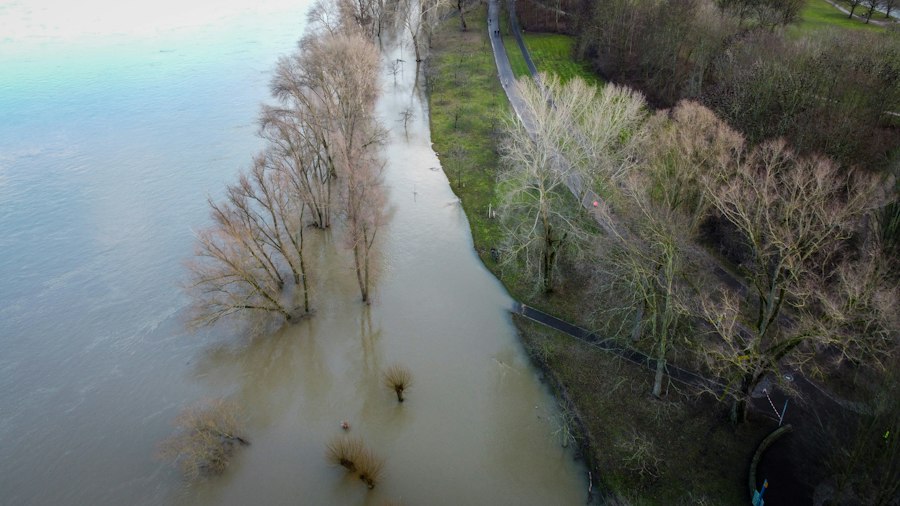
The intensified flood depth in narrow valleys translates into a cascade of severe risks, impacting both the built environment and the natural ecosystems. The sheer force and volume of concentrated floodwaters pose direct threats to human safety and can cause catastrophic damage to infrastructure, leading to long-term economic and social disruption.
Human Safety and Evacuation Challenges
The rapid rise in floodwaters in narrow valleys presents a critical challenge to human safety. Residents and visitors may have very little warning time, making timely evacuation difficult or impossible. The confined nature of the valley can also restrict escape routes, with roads and access points often being among the first to become submerged and impassable. The swift currents associated with deep floodwaters can easily sweep away individuals, vehicles, and even entire structures, turning what might be a manageable flood in an open area into a life-threatening event. Emergency responders also face significant challenges in reaching affected areas and conducting rescues due to the dangerous conditions.
Drowning and Waterborne Hazards
The most immediate and severe risk to human life is drowning. The depth of floodwaters in narrow valleys can easily exceed the height of individuals, and the powerful currents can overwhelm even strong swimmers. Beyond drowning, floodwaters can carry a multitude of hazards, including debris, chemicals, sewage, and sharp objects. These contaminants can cause injuries and spread waterborne diseases. The lack of visibility in turbid floodwaters further compounds the danger, making it difficult to navigate or identify submerged obstacles.
Stranding and Isolation
The rapid inundation of roads and bridges can leave communities and individuals stranded. This isolation can prevent access to essential services such as food, water, medical care, and communication. In the event of an emergency, stranded individuals may be unable to seek assistance or be evacuated, exacerbating their vulnerability. The psychological toll of being trapped by rising floodwaters can also be significant.
Infrastructure Vulnerability and Damage
The concentrated energy of floodwaters in narrow valleys inflicts severe damage on infrastructure. Bridges, roads, utilities, and buildings are subjected to immense hydrostatic and hydrodynamic forces, leading to structural failures and widespread destruction. The cost of repairing and rebuilding this damaged infrastructure can be astronomical, placing a significant burden on local and national economies.
Bridge and Culvert Failures
Bridges and culverts are particularly vulnerable. The scour created by fast-flowing water can undermine bridge foundations, leading to collapse. Culverts, if not adequately sized to handle peak flood flows, can become blocked by debris, causing water to back up and overtop the roadway, or even leading to the failure of the embankment supporting the structure. The loss of these vital transportation links can cripple communities.
Road and Utility Disruption
Roadways within narrow valleys are often the first to be submerged, rendering them impassable and cutting off access. The force of the water can also cause erosion and washouts, destroying sections of road. Underground utilities, such as water mains, sewer lines, and power cables, are also at risk of damage or rupture from the moving water and debris, leading to prolonged service outages.
Residential and Commercial Property Damage
Buildings situated in narrow valleys are highly susceptible to flood damage. The rising water can inundate basements, ground floors, and even upper stories, causing structural damage, mold growth, and the loss of personal belongings and business inventory. The intensity of the floodwaters can also lead to the complete destruction of homes and businesses, displacing residents and impacting livelihoods.
Mitigating the Menace: Safety Measures for Narrow Valleys
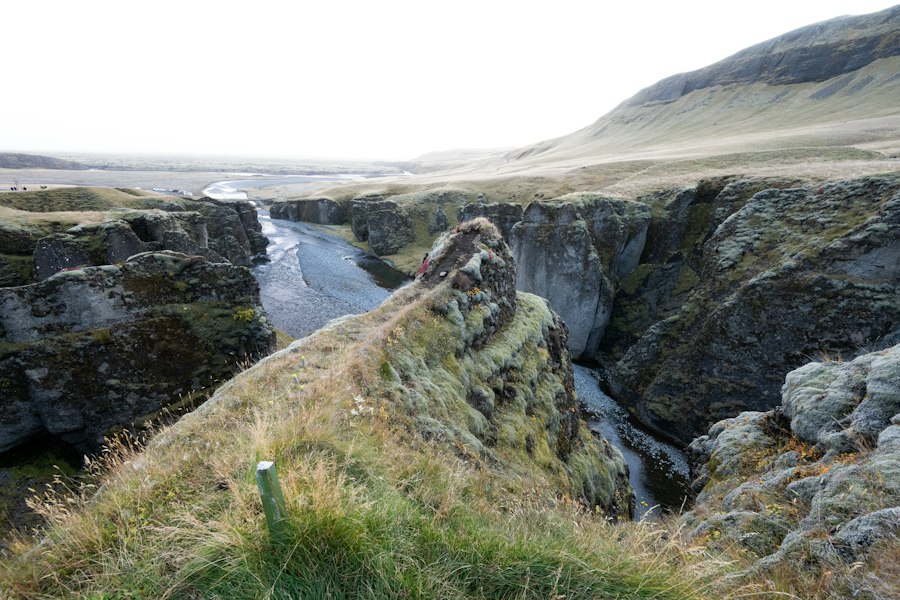
Given the inherent dangers of flood depth in narrow valleys, a multi-faceted approach to mitigation and safety is essential. This involves a combination of structural interventions, land-use planning, and public awareness initiatives to reduce vulnerability and enhance resilience.
Structural Defenses and Engineering Solutions
Engineered solutions can play a crucial role in managing floodwaters and protecting communities within narrow valleys. These interventions aim to control the flow of water, divert it away from populated areas, or provide barriers against inundation.
Flood Walls and Levees
Constructing flood walls or levees along the banks of rivers in narrow valleys can act as physical barriers to contain floodwaters. These structures are designed to withstand the pressure of rising water and prevent it from reaching vulnerable areas. The design and placement of these defenses must carefully consider the potential for overtopping and the consequences of failure. In narrow valleys, space constraints can make extensive levee systems challenging to implement.
Diversion Channels and Flood Storage Areas
Creating diversion channels can reroute excess floodwaters away from critical areas, channeling them to less sensitive locations or into designated flood storage areas. These storage areas, often natural depressions or artificially created basins, can temporarily hold large volumes of water, reducing the peak flow downstream. This is particularly useful in narrow valleys where there might be slightly wider areas that can be repurposed.
Improved Drainage Infrastructure
While the primary challenge is the volume of water, ensuring that existing drainage infrastructure, such as storm drains and culverts, is adequately sized and maintained is critical. Regular clearing of debris from culverts and ensuring that storm drains are not obstructed can help manage smaller flood events and reduce the likelihood of localized flooding within the valley.
In exploring the impact of flood depth in narrow valleys, it is essential to consider various factors that contribute to the severity of flooding in these unique geographical formations. A related article discusses how topography and vegetation can influence water flow and accumulation in such areas, providing valuable insights for urban planning and disaster management. For more information on this topic, you can read the article here. Understanding these dynamics is crucial for developing effective strategies to mitigate flood risks in vulnerable regions.
Land-Use Planning and Development Regulations
The way land is used within and upstream of narrow valleys has a significant impact on flood risk. Implementing strict land-use planning regulations and development controls is vital to minimize new vulnerabilities and reduce the impact of existing ones.
Restricting Development in High-Risk Zones
The most effective way to reduce flood risk is to prevent development in areas that are most susceptible to inundation. This involves identifying flood-prone zones within narrow valleys through detailed flood mapping and hazard assessments, and then prohibiting or severely restricting new construction in these areas. This might include designated “no-build zones” or requiring elevated construction for any development that is permitted.
Promoting Green Infrastructure and Sustainable Land Management
Upstream land management practices can significantly influence the volume and speed of runoff entering narrow valleys. Promoting green infrastructure, such as permeable pavements, vegetated rooftops, and rain gardens, in developed areas can help absorb and slow down rainfall. In agricultural or forested areas, implementing sustainable land management techniques, such as reforestation, contour farming, and wetland restoration, can enhance natural water retention and reduce soil erosion, thereby decreasing the amount of sediment and water entering the valley.
Building Code Enhancements
Strengthening building codes to require flood-resistant construction is essential for properties located within or near narrow valleys. This can include elevating buildings, using flood-resistant materials, and installing flood vents to allow water to pass through structures rather than exert pressure. Retrofitting existing structures to improve their flood resilience should also be encouraged or mandated where feasible.
Community Preparedness and Early Warning Systems
Even with the best structural defenses and land-use planning, the risk of flooding in narrow valleys cannot be entirely eliminated. Therefore, robust community preparedness plans and effective early warning systems are crucial for saving lives and minimizing damage.
Public Awareness and Education Programs
Educating residents about the specific flood risks associated with their narrow valley location is paramount. This includes informing them about the warning signs of impending floods, evacuation routes, emergency preparedness kits, and what to do during a flood event. Regular drills and public awareness campaigns can help reinforce this knowledge and build a culture of preparedness.
Advanced Early Warning Systems
Developing and maintaining sophisticated early warning systems is critical for narrow valleys. These systems often incorporate weather forecasting, hydrological monitoring (e.g., river level gauges), and rapid communication networks to alert residents of impending floods. Leveraging technologies like mobile alerts, sirens, and local radio broadcasts ensures that warnings reach the widest possible audience in a timely manner. The speed of flood development in these valleys necessitates very short warning lead times, making the accuracy and speed of these systems paramount.
Emergency Response Planning and Coordination
Comprehensive emergency response plans are essential for effective action during a flood event. This includes establishing clear command structures, pre-planning evacuation routes, identifying shelter locations, and ensuring adequate resources are available for rescue operations and post-flood recovery. Close coordination between local authorities, emergency services, and community organizations is vital for a swift and effective response.
The Unseen Impacts: Environmental and Ecological Ramifications
Beyond the immediate threats to human life and infrastructure, the amplified flood depth in narrow valleys exerts significant and often long-lasting pressure on the natural environment and its delicate ecosystems. The destructive force of concentrated floodwaters can reshape landscapes, alter habitats, and disrupt ecological processes, leading to a decline in biodiversity and ecosystem health.
Habitat Alteration and Biodiversity Loss
The physical force of deep, fast-moving floodwaters can profoundly alter the structure and composition of natural habitats within and adjacent to narrow valleys. This includes the erosion of riverbanks, the scouring of streambeds, and the deposition of sediment and debris, which can bury existing vegetation and microhabitats.
Riparian Zone Degradation
The riparian zone, the area of land bordering the river, is particularly vulnerable. Intense flooding can strip away vegetation, leading to increased bank erosion and sediment runoff into the water. This loss of vegetation reduces habitat for a wide range of species, including insects, amphibians, birds, and small mammals that rely on these areas for food, shelter, and breeding. The physical alteration of the streambed can also impact aquatic species.
Impact on Aquatic Life
The increased depth and velocity of floodwaters can directly harm fish and other aquatic organisms. Spawning grounds can be destroyed by

Could a Wave Push Lake Sarez Over This Natural Dam?
FAQs
What factors contribute to increased flood depth in a narrow valley?
Several factors can contribute to increased flood depth in a narrow valley, including heavy rainfall, rapid snowmelt, inadequate drainage systems, and the topography of the area.
How does the shape of a narrow valley affect flood depth?
The shape of a narrow valley can impact flood depth by influencing how quickly water accumulates and flows through the area. A V-shaped valley, for example, may experience faster and more concentrated flooding compared to a U-shaped valley.
What are some potential risks associated with flooding in a narrow valley?
Some potential risks associated with flooding in a narrow valley include property damage, infrastructure destruction, loss of life, erosion of the valley floor, and disruption of transportation routes.
How can communities in narrow valleys mitigate the impact of flooding?
Communities in narrow valleys can mitigate the impact of flooding by implementing flood control measures such as building levees, constructing retention ponds, improving drainage systems, and implementing early warning systems.
Are there any specific challenges to consider when planning for flood management in narrow valleys?
Yes, there are specific challenges to consider when planning for flood management in narrow valleys, such as limited space for infrastructure, the potential for flash flooding, and the need to balance environmental concerns with flood protection measures.