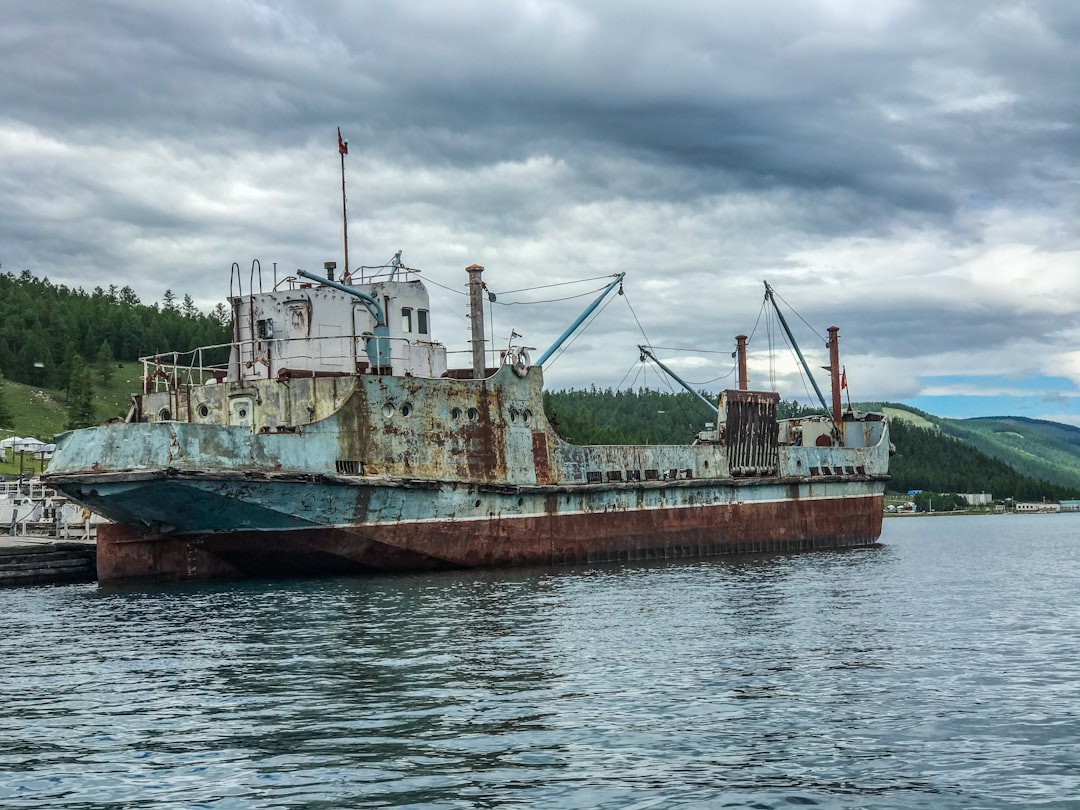
The hulking silhouettes of retired cargo ships, once symbols of global commerce and ceaseless movement, now drift towards their final destinations. These behemoths of the sea, having served their purpose for decades, are embarking on a last, melancholic voyage – a journey not to distant ports laden with goods, but to specialized shipbreaking yards where their metallic bodies will be meticulously dismantled. This is the poignant reality of the end-of-life cycle for cargo vessels, a process that is both a testament to their service and a stark reminder of the ephemeral nature of industrial might.
Cargo ships are the arteries of the world economy. They are the unsung heroes that transport everything from the raw materials that build our cities to the everyday consumer goods that fill our homes. Their existence is a testament to human ingenuity and our drive for global connection. For many years, these vessels have tirelessly traversed oceans, battling storms, enduring endless cycles of loading and unloading, and faithfully delivering their precious cargo.
The Backbone of Global Trade
The sheer scale of cargo shipping is staggering. Millions of containers, vast quantities of bulk commodities like grain and ore, and immense volumes of liquid cargo are moved across the planet annually, with cargo ships forming the backbone of this colossal undertaking. Their design, honed over decades, prioritizes efficiency, capacity, and resilience. From the massive container ships that dominate modern shipping lanes to the versatile bulk carriers and specialized tankers, each vessel plays a crucial role in maintaining the flow of goods that underpins our interconnected world. The rhythmic hum of their engines, the vastness of their decks, and the intricate network of their operations are all integral to the global marketplace.
A Life at Sea: Rigors and Resilience
The life of a cargo ship is one of constant challenge. They are built to withstand the harshest of maritime conditions, from the icy grip of polar waters to the turbulent seas of tropical storms. Their hulls are designed to absorb significant stress, their engines are engineered for endurance, and their systems are built for continuous operation. Yet, even the most robust vessels age. The relentless exposure to saltwater, the constant strain of voyages, and the inevitable wear and tear take their toll. What was once a gleaming symbol of industrial power gradually succumbs to the passage of time, its operational efficiency diminishing, and its economic viability waning.
The Economic Lifecycle: From New Build to Obsolescence
The journey of a cargo ship begins with a significant investment in its construction. Yards hum with activity as skilled workers meticulously assemble colossal steel structures. For decades, these ships represent valuable assets, generating revenue through freight charges. However, this economic lifecycle is not infinite. As newer, more fuel-efficient, and technologically advanced vessels enter the market, older ships can become less competitive. Regulatory changes regarding emissions, safety standards, and environmental impact also contribute to the obsolescence of aging fleets. This economic reality, coupled with the physical toll of years at sea, inevitably leads to the decision to retire a vessel.
The final voyage of retired cargo ships often raises important questions about sustainability and environmental impact. For a deeper understanding of this topic, you can explore the article titled “The Fate of Retired Cargo Ships: Navigating Environmental Challenges” which discusses the various options available for decommissioned vessels and their implications. To read more, visit this article.
The Twilight Years: Signs of Aging
As a cargo ship nears the end of its operational life, subtle – and sometimes not-so-subtle – signs of aging begin to manifest. These are the indicators that signal its imminent retirement, the quiet whisperings of its impending final journey. These are not necessarily failures, but rather the natural consequences of decades of dedicated service under immense pressure.
Hull Integrity and Corrosion
The primary structural component of any ship is its hull. Over years of immersion in corrosive saltwater, coupled with the stresses of launching and docking, the hull undergoes significant degradation. Rust blooms across its surface, and in more severe cases, thinning of the steel can become a concern. Regular inspections and maintenance are crucial to extend a ship’s lifespan, but there comes a point where the cost and complexity of repairs outweigh the benefits. The integrity of the hull is paramount for safety at sea, and when this integrity is compromised beyond economical repair, retirement becomes the only responsible option.
Engine Room Wear and Tear
The heart of any cargo ship is its engine room. These powerful machines have driven vessels across the globe for decades, often operating at high capacities. Over time, the constant friction, heat, and pressure inevitably lead to wear and tear on critical components. While engines can be overhauled and refurbished, there comes a point where the cost of replacement parts and the diminishing efficiency of older engines make them uneconomical to maintain. Fuel consumption increases, reliability decreases, and the overall operational cost rises, further pushing the vessel towards its retirement.
Navigation and Safety System Upgrades
Modern shipping is heavily reliant on advanced navigation and safety systems. As technology evolves, older ships may fall behind in meeting current international standards. Upgrading these systems can be a significant undertaking, and for an aging vessel, the investment might not be justifiable. The potential risks associated with outdated equipment, coupled with the desire to adhere to the highest safety benchmarks, often contribute to the decision to retire a ship rather than incur the expense of modernization.
The Final Voyage: A Journey to the Shipbreaking Yard
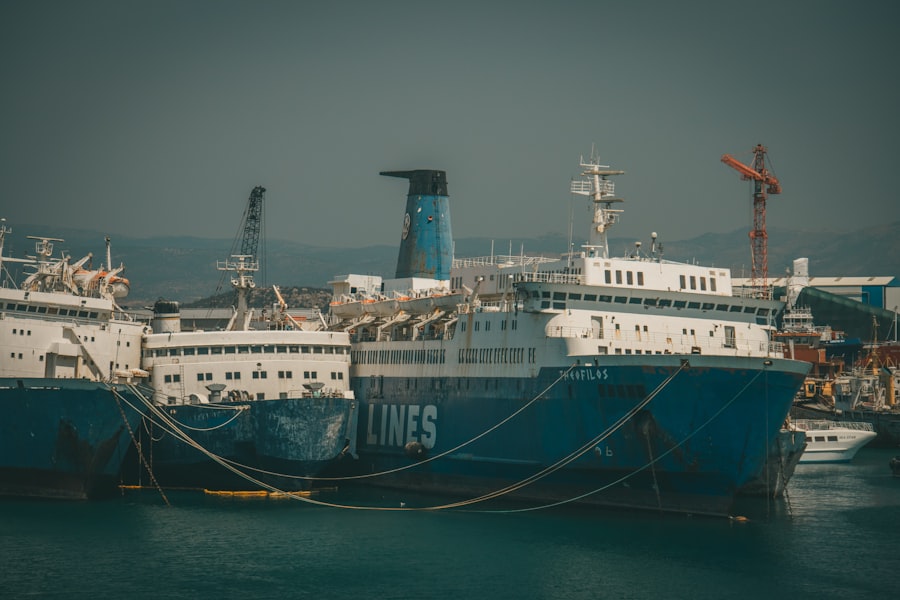
The decision to retire a cargo ship is not taken lightly. It involves a complex interplay of economic, regulatory, and logistical considerations. Once the final voyage is determined, the ship embarks on a journey that is a stark contrast to its previous life of global transit.
Selecting the Destination: A Global Industry
The final destination for most retired cargo ships is a specialized shipbreaking yard. These yards are strategically located in countries where labor costs are lower and environmental regulations, while improving, have historically been less stringent than in Western nations. Countries like India, Bangladesh, Pakistan, and Turkey have historically been major hubs for shipbreaking. The process of selecting a yard involves careful consideration of its capabilities, its safety record, and its environmental compliance. Increasingly, there is a push for more responsible and environmentally sound shipbreaking practices.
The Decommissioning Process: Preparing for the End
Before the ship begins its final journey, a meticulous decommissioning process takes place. All valuable equipment that can be salvaged and reused is removed. This includes machinery, navigation equipment, and other components that may have a secondary market. The ship is also cleaned of any remaining cargo and hazardous materials, such as fuel oil and lubricants, to ensure a safer and more environmentally responsible dismantling. This phase marks the official transition from an active vessel to one awaiting its final dismantling.
The Homeward Bound: Navigating to the Scrapyard
The final voyage of a cargo ship is often a solitary one. Instead of being loaded with goods destined for distant shores, it is often sailed with a minimal crew, its vast decks empty. The journey can be long, taking it through familiar waters but with a completely different purpose. The destination is not a bustling port of commerce, but a beach or a dry dock where its end will be met. The sails, once filled with the wind of trade, now carry it towards its ultimate fate.
The Art and Science of Dismantling

Shipbreaking is a labor-intensive and often dangerous industry. It involves the systematic and methodical dismantling of a vessel, piece by piece, to recover valuable materials. While often associated with hazardous conditions and environmental concerns, modern shipbreaking facilities are increasingly striving for safer and more sustainable practices.
The Beaching Method: A Traditional Approach
Historically, the most common method of shipbreaking has been beaching. Large vessels are deliberately run aground on a beach during high tide. Once the tide recedes, the ship is left exposed, allowing workers to access its hull and begin the dismantling process from the shore. This method is still prevalent in some parts of the world, but it presents significant environmental challenges, as materials can wash out into the sea.
The Dry Dock and Floating Dock Method: Controlled Dismantling
More controlled and environmentally conscious shipbreaking operations often utilize dry docks or floating docks. In a dry dock, the ship is floated into a basin, the water is pumped out, and the vessel is left resting on supports. Floating docks offer similar benefits, allowing for dismantling in a more controlled marine environment. These methods facilitate safer working conditions and better containment of hazardous materials.
Material Recovery: A Circular Economy in Action
The dismantling process is driven by the recovery of valuable materials. Steel is the primary commodity, but copper, aluminum, and other metals are also extracted. These recycled materials can then be fed back into the manufacturing process, contributing to a more circular economy. While the process is often seen as the end of a ship’s life, it also represents a rebirth of its constituent materials, giving them a new purpose.
The final voyage of retired cargo ships often sparks discussions about their environmental impact and the future of maritime recycling. A related article that delves deeper into this topic can be found at My Geo Quest, where it explores the challenges and innovations in ship dismantling practices. As these vessels reach the end of their operational lives, understanding the implications of their disposal becomes increasingly important for sustainable shipping practices.
The Ethical and Environmental Considerations
| Ship Name | Final Destination | Year of Retirement | Reason for Retirement |
|---|---|---|---|
| SS American Victory | Turkey | 2016 | Age and obsolescence |
| SS Lane Victory | Greece | 2015 | Obsolete technology |
| SS Red Oak Victory | China | 2018 | Environmental regulations |
The shipbreaking industry, due to its inherent nature and historical practices, has faced significant ethical and environmental scrutiny. The focus on cost-saving has often led to hazardous working conditions and a disregard for environmental protection. However, there is a growing global movement towards more responsible and sustainable ship recycling.
Worker Safety: A Paramount Concern
The safety of the workers involved in shipbreaking is a critical ethical consideration. Historically, many workers have been exposed to hazardous substances, worked at great heights without adequate safety equipment, and faced the risk of injury from falling debris or collapsing structures. International conventions, such as the Hong Kong International Convention for the Safe and Environmentally Sound Recycling of Ships, aim to establish global standards for safe ship recycling.
Environmental Impact: Pollution and Contamination
The dismantling of large vessels can release a variety of pollutants into the environment. Oil residues, heavy metals, and other hazardous materials can contaminate the soil, water, and air if not properly managed. The Hong Kong Convention also addresses these concerns, requiring that ships be designed and operated in a way that facilitates safe and environmentally sound recycling. This includes provisions for the management of hazardous materials and the prevention of pollution.
The Push for Responsible Recycling: A Global Imperative
The industry is slowly but surely shifting towards more responsible practices. Shipowners are increasingly being held accountable for the end-of-life treatment of their vessels. This is leading to a demand for certified shipbreaking facilities that adhere to stringent safety and environmental standards. The goal is to ensure that the final voyage of these magnificent machines does not leave a lasting negative legacy on the planet or its people. The retirement of a cargo ship, therefore, is not just an endpoint but a crucial moment for reflection and for ensuring a more sustainable future for maritime industries.

The Beaches Global Trade Can’t Afford to Lose
FAQs
What is the final voyage of retired cargo ships?
The final voyage of retired cargo ships refers to the journey these ships take when they are no longer in service and are being transported to a shipbreaking yard for dismantling and recycling.
Why are retired cargo ships taken on a final voyage?
Retired cargo ships are taken on a final voyage to shipbreaking yards for dismantling and recycling because they have reached the end of their operational life and are no longer economically viable to operate.
What happens to retired cargo ships at the shipbreaking yard?
At the shipbreaking yard, retired cargo ships are dismantled and their materials are recycled. This process involves cutting the ship into smaller pieces and salvaging materials such as steel, copper, and other valuable metals.
What are the environmental concerns associated with the final voyage of retired cargo ships?
The final voyage of retired cargo ships raises environmental concerns due to the potential for hazardous materials such as asbestos, lead, and other toxic substances to be released during the dismantling process. There are also concerns about the impact of shipbreaking on the surrounding marine environment.
How are retired cargo ships transported to shipbreaking yards for their final voyage?
Retired cargo ships are typically towed to shipbreaking yards by tugboats or other vessels. In some cases, they may also be transported by heavy lift ships, which are specifically designed to carry large and heavy cargo, including ships.