
The fertilizer shortage has emerged as a pressing issue in recent years, significantly affecting agricultural practices and food production worldwide. Fertilizers are essential for enhancing soil fertility and ensuring optimal crop yields. However, the availability of these crucial inputs has been compromised, leading to widespread concern among farmers, policymakers, and consumers alike.
The shortage is not merely a localized problem; it has far-reaching implications that extend beyond the agricultural sector, influencing food prices and global supply chains. As the world grapples with the consequences of this shortage, it becomes increasingly important to understand its underlying factors. The complexity of the fertilizer market, combined with geopolitical tensions and environmental challenges, has created a perfect storm that threatens food security.
Farmers who rely on fertilizers to boost their crop production are now facing uncertainty, which could lead to reduced harvests and increased food scarcity in various regions.
Key Takeaways
- Fertilizer shortages stem from complex supply chain disruptions affecting global agriculture.
- Reduced fertilizer availability threatens food production and increases prices worldwide.
- Governments and organizations are implementing policies and strategies to mitigate the shortage.
- Environmental concerns arise from both fertilizer use and efforts to find sustainable alternatives.
- Long-term solutions focus on supply chain resilience and innovative farming practices for future stability.
Causes of the Supply Chain Disruption
Several factors have contributed to the disruption of the fertilizer supply chain. One of the primary causes is the ongoing geopolitical tensions that have affected trade routes and international relations. For instance, conflicts in key fertilizer-producing regions have led to export restrictions and increased tariffs, making it difficult for countries to access the necessary materials.
Additionally, the COVID-19 pandemic has exacerbated existing vulnerabilities in the supply chain, causing delays in production and transportation. Another significant factor is the rising cost of raw materials used in fertilizer production. The prices of essential components such as nitrogen, phosphorus, and potassium have surged due to increased demand and limited supply.
This situation has been further complicated by environmental regulations aimed at reducing carbon emissions, which have led some manufacturers to scale back production. As a result, the combination of geopolitical issues and rising raw material costs has created a perfect storm for the fertilizer industry.
Impact on Agriculture and Food Production
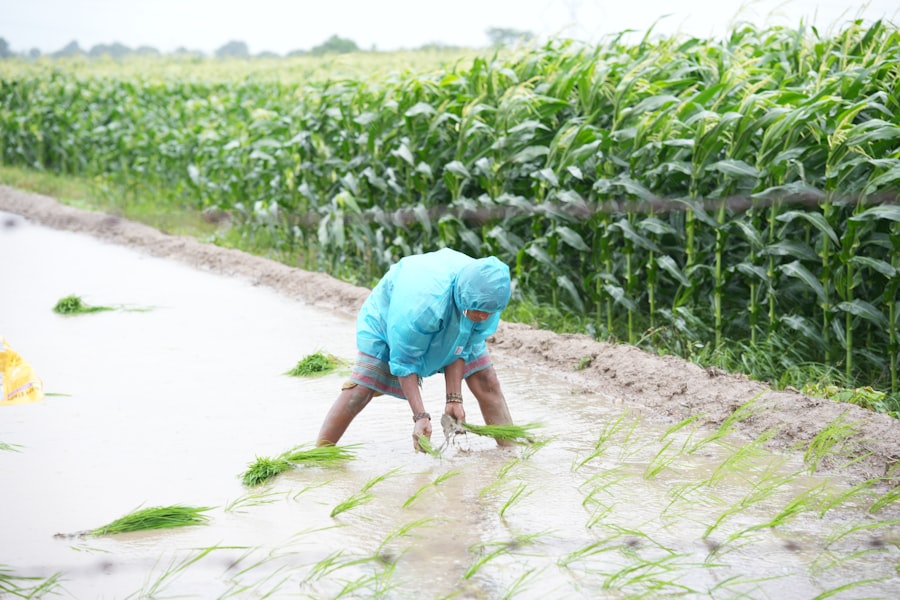
The fertilizer shortage has had a profound impact on agriculture and food production across the globe. Farmers who depend on fertilizers to enhance soil fertility and boost crop yields are now facing significant challenges. With limited access to fertilizers, many are forced to reduce their planting areas or switch to less productive farming practices.
This shift not only affects individual farmers but also has broader implications for food supply chains and market stability. Moreover, the reduction in fertilizer use can lead to lower crop yields, which directly impacts food availability. As harvests dwindle, food prices are likely to rise, putting additional strain on consumers, particularly in developing countries where food security is already a pressing concern.
The ripple effects of this shortage can lead to increased malnutrition and hunger, highlighting the urgent need for solutions to address these challenges.
Global Consequences of Fertilizer Shortage
The global consequences of the fertilizer shortage extend far beyond individual farms and local markets. As countries grapple with reduced agricultural output, the interconnectedness of global food systems means that these challenges can quickly escalate into a worldwide crisis. Nations that rely heavily on imports for their food supply may find themselves particularly vulnerable as prices soar and availability dwindles.
Additionally, the fertilizer shortage can exacerbate existing inequalities in food distribution. Wealthier nations may be better equipped to navigate the crisis by securing alternative sources or investing in innovative agricultural technologies. In contrast, poorer countries may struggle to adapt, leading to increased disparities in food access and nutrition.
The potential for social unrest and political instability rises as communities face food shortages, making it imperative for global leaders to address these issues collaboratively.
Efforts to Address the Shortage
| Metric | Value | Unit | Notes |
|---|---|---|---|
| Global Fertilizer Production Decline | 15 | Percent | Year-over-year decrease due to supply chain disruptions |
| Average Delivery Delay | 45 | Days | Delay in fertilizer shipments from manufacturers to distributors |
| Increase in Fertilizer Prices | 30 | Percent | Price increase compared to pre-disruption levels |
| Fertilizer Stockout Rate | 25 | Percent | Percentage of retailers reporting out-of-stock fertilizer products |
| Impact on Crop Yield | 10 | Percent | Estimated reduction in crop yields due to fertilizer shortages |
| Number of Affected Countries | 50 | Countries | Countries experiencing fertilizer supply chain disruptions |
| Increase in Transportation Costs | 20 | Percent | Additional costs due to logistics and shipping delays |
In response to the fertilizer shortage, various stakeholders are taking steps to mitigate its impact on agriculture and food production.
Research into alternative fertilizers and sustainable farming practices is gaining momentum as stakeholders seek to reduce reliance on traditional chemical fertilizers.
Additionally, international cooperation is crucial in addressing the fertilizer shortage. Countries are beginning to engage in dialogue about trade policies and resource sharing to ensure that essential agricultural inputs remain accessible. Collaborative efforts can help stabilize markets and promote resilience within the global food system, ultimately benefiting farmers and consumers alike.
Price Increases and Economic Ramifications

The fertilizer shortage has led to significant price increases that reverberate throughout the agricultural sector and beyond. As farmers face higher costs for fertilizers, they may be compelled to pass these expenses onto consumers in the form of increased food prices. This situation creates a cycle of inflation that can strain household budgets and exacerbate economic disparities.
Moreover, the economic ramifications extend beyond just food prices. The agricultural sector plays a vital role in many economies, providing jobs and supporting local communities. As farmers struggle with rising input costs and reduced yields, there is a risk of job losses and economic decline in rural areas.
Environmental Concerns
While fertilizers play a crucial role in enhancing agricultural productivity, their overuse can lead to significant environmental concerns. The current shortage may prompt some farmers to resort to unsustainable practices in an attempt to maintain yields, potentially exacerbating issues such as soil degradation and water pollution. The challenge lies in balancing the need for increased food production with environmental sustainability.
Furthermore, the production of synthetic fertilizers is associated with greenhouse gas emissions, contributing to climate change. As stakeholders seek solutions to the fertilizer shortage, there is an opportunity to promote more sustainable practices that minimize environmental impact. Emphasizing organic fertilizers, crop rotation, and integrated pest management can help create a more resilient agricultural system while addressing environmental concerns.
Government Response and Policies
Governments around the world are beginning to recognize the urgency of addressing the fertilizer shortage through targeted policies and interventions. Some countries are implementing measures to support farmers by providing subsidies or financial assistance for purchasing fertilizers. These initiatives aim to alleviate some of the financial burdens faced by farmers while ensuring that they can continue producing food.
In addition to direct support for farmers, governments are also exploring policies that promote research and development in sustainable agriculture. Investing in innovative technologies and practices can help reduce reliance on traditional fertilizers while enhancing productivity. By fostering collaboration between public institutions, private companies, and research organizations, governments can create a more resilient agricultural sector capable of weathering future challenges.
Strategies for Farmers to Mitigate the Shortage
Farmers are increasingly seeking strategies to mitigate the impact of the fertilizer shortage on their operations. One approach involves diversifying their sources of nutrients by exploring alternative fertilizers or organic amendments that can enhance soil fertility without relying solely on synthetic options. This shift not only helps reduce dependence on traditional fertilizers but also promotes sustainable farming practices.
Additionally, farmers are adopting precision agriculture techniques that optimize fertilizer application based on specific crop needs and soil conditions. By utilizing technology such as soil sensors and data analytics, farmers can make informed decisions about nutrient management, ultimately improving efficiency and reducing waste. These strategies not only help address immediate challenges but also contribute to long-term sustainability within the agricultural sector.
Long-Term Solutions for Fertilizer Supply Chain Resilience
To build resilience within the fertilizer supply chain, long-term solutions must be prioritized. This includes investing in infrastructure that supports efficient transportation and distribution of fertilizers, ensuring that farmers have timely access to essential inputs. Additionally, fostering collaboration between producers, distributors, and consumers can help create a more transparent supply chain that is better equipped to respond to disruptions.
Moreover, promoting research into alternative sources of nutrients—such as biofertilizers or waste-derived fertilizers—can help diversify the supply chain and reduce vulnerability to external shocks. By encouraging innovation within the agricultural sector, stakeholders can work towards creating a more sustainable and resilient system that meets the needs of both farmers and consumers.
Future Outlook for Fertilizer Availability
The future outlook for fertilizer availability remains uncertain as various factors continue to influence global markets. While efforts are underway to address the current shortage through policy interventions and innovative practices, ongoing geopolitical tensions and environmental challenges pose significant risks. However, there is also potential for positive change as stakeholders increasingly recognize the importance of sustainable agriculture.
As research into alternative fertilizers gains momentum and governments prioritize resilience within supply chains, there is hope for a more stable future in fertilizer availability. By fostering collaboration among farmers, researchers, policymakers, and industry leaders, it may be possible to create a more sustainable agricultural system that meets global food demands while minimizing environmental impact. The path forward will require concerted efforts from all sectors involved in agriculture to ensure a secure food future for generations to come.
The ongoing fertilizer shortage has been significantly impacted by supply chain disruptions, leading to increased prices and concerns over agricultural productivity. For a deeper understanding of the factors contributing to this crisis, you can read the article on supply chain challenges in the fertilizer industry at this link. This article provides insights into how global events and logistical issues have exacerbated the situation, affecting farmers and food production worldwide.
FAQs
What is causing the current fertilizer shortage?
The fertilizer shortage is primarily caused by supply chain disruptions, including increased production costs, transportation delays, and geopolitical tensions affecting raw material availability.
How do supply chain disruptions impact fertilizer availability?
Supply chain disruptions can delay the production and delivery of fertilizers, reduce inventory levels, and increase prices, making it difficult for farmers to access necessary nutrients for crops.
Which fertilizers are most affected by the shortage?
Nitrogen-based fertilizers, such as urea and ammonium nitrate, as well as phosphate and potash fertilizers, have been significantly impacted due to their reliance on raw materials and energy-intensive production processes.
How does the fertilizer shortage affect agricultural production?
A shortage of fertilizers can lead to reduced crop yields and lower agricultural productivity, potentially causing food supply challenges and increased prices for consumers.
What regions are most affected by fertilizer supply chain disruptions?
Regions heavily dependent on imported fertilizers, such as parts of Africa, Asia, and Latin America, are more vulnerable to supply chain disruptions and shortages.
Are there any long-term solutions to prevent fertilizer shortages?
Long-term solutions include diversifying supply sources, investing in local fertilizer production, improving supply chain logistics, and developing alternative or more efficient fertilization methods.
How can farmers cope with fertilizer shortages?
Farmers can adopt practices such as precision agriculture, crop rotation, organic fertilization, and soil testing to optimize fertilizer use and reduce dependency on synthetic fertilizers.
What role do geopolitical factors play in fertilizer supply chain disruptions?
Geopolitical factors, such as trade restrictions, sanctions, and conflicts, can limit access to raw materials and disrupt international trade routes, exacerbating fertilizer shortages.
Is the fertilizer shortage expected to continue in the near future?
While some supply chain issues may improve over time, ongoing geopolitical tensions and market volatility suggest that fertilizer shortages could persist in the short to medium term.
How does the fertilizer shortage impact food prices globally?
Reduced fertilizer availability can lower crop yields, leading to decreased food supply and increased production costs, which often result in higher food prices worldwide.