
Groundwater stands as a silent, yet indispensable, backbone of modern agriculture. Beneath the surface, a vast reservoir of freshwater replenishes itself through natural processes, providing a critical and often unseen lifeblood for countless farms across the globe. For farmers, particularly in regions where surface water sources are scarce or unreliable, groundwater represents not just a convenience, but an essential component of their livelihood and the broader food security of nations. Its accessible nature and consistent availability, when managed responsibly, make it a cornerstone of agricultural productivity, enabling crops to flourish and livestock to thrive. This exploration delves into the fundamental reasons why groundwater is so crucial to farming, examining its multifaceted roles, the challenges and opportunities associated with its use, and the imperative for sustainable practices to ensure its continued availability for generations to come.
The most prominent and perhaps most vital use of groundwater in agriculture is for irrigation. While rainfall is the natural source of water for crops, its timing and volume are often unpredictable and insufficient to meet the demands of modern, high-yield farming. This is where groundwater steps in, offering a reliable and controllable water supply.
Supplementing Rainfall Deficiencies
In many agricultural regions, annual rainfall patterns are characterized by dry spells, insufficient precipitation during critical growing periods, or outright droughts. During these periods, crops can suffer severe stress, leading to reduced yields, crop failure, and significant economic losses for farmers. Groundwater, accessed through wells, provides the crucial supplementary irrigation needed to overcome these natural limitations. By pumping groundwater, farmers can maintain optimal soil moisture levels, ensuring that plants have the water necessary for photosynthesis, nutrient uptake, and overall growth, even when the skies are dry. This capacity to “top up” the water available to crops transforms marginal lands into productive agricultural areas and enhances the resilience of existing farms against climatic variability.
Enabling Off-Season Cropping and Diversification
The consistent availability of groundwater also empowers farmers to extend their growing seasons and diversify their crop production. In areas with short natural growing seasons, groundwater irrigation allows for off-season cultivation, enabling the production of valuable crops that might otherwise not be viable. This can include winter vegetables, fruits that require specific watering schedules, or even a second or third harvest of staple crops. Furthermore, access to reliable irrigation facilitates crop diversification. Farmers are no longer solely reliant on rain-fed crops that are adapted to specific, often limited, precipitation patterns. Instead, they can explore a wider range of crops with different water requirements and market demands, leading to more stable incomes and a more robust agricultural system. This diversification can also contribute to improved soil health and reduced pest and disease pressure by breaking continuous cropping cycles of single crops.
Enhancing Crop Quality and Yields
Beyond simply keeping crops alive, groundwater plays a significant role in optimizing crop quality and maximizing yields. Adequate and timely watering is crucial for various stages of plant development, from germination to fruit set and maturation. Groundwater irrigation ensures that plants receive a consistent supply of water, preventing stress that can lead to stunted growth, smaller fruits, malformed produce, and reduced nutritional content. For crops where quality is paramount, such as fruits, vegetables, and specialized grains, the controlled application of groundwater can lead to superior appearance, texture, flavor, and shelf life, commanding higher market prices for farmers. The ability to fine-tune irrigation schedules based on crop needs and weather forecasts allows for precise water management, leading to both increased quantity and improved quality of the harvested produce.
Farmers around the world increasingly rely on groundwater to sustain their agricultural practices, especially in regions facing water scarcity. The efficient use of this vital resource is crucial for crop production and overall farm sustainability. For a deeper understanding of how groundwater management impacts farming, you can read a related article that explores various techniques and technologies employed by farmers to optimize groundwater usage. Check it out here: Groundwater Management in Agriculture.
Supporting Livestock: A Thirsty Necessity
While crop irrigation often takes center stage, groundwater is equally indispensable for the health and productivity of livestock operations. Animals have fundamental water requirements for drinking, hygiene, and even temperature regulation, and groundwater often provides the most accessible and reliable source to meet these needs.
Providing Potable Water for Animals
Livestock, from dairy cows and beef cattle to poultry and sheep, require a constant supply of clean, fresh drinking water to survive. Dehydration can quickly lead to reduced milk production, slower weight gain, loss of appetite, and ultimately, serious health complications or even death. Groundwater, when properly tested and treated if necessary, offers a readily available source of potable water for animals. Its underground origin often means it is protected from surface contaminants, making it a safe and reliable option for ensuring animal well-being. The consistency of groundwater supply is particularly critical during hot weather when animal water intake significantly increases.
Facilitating Hygiene and Sanitation
Beyond drinking, water is essential for maintaining hygiene and sanitation on farms. This includes cleaning out animal pens and housing, washing down milking equipment, and controlling dust. These practices are crucial for preventing the spread of diseases, ensuring animal comfort, and meeting stringent food safety regulations, particularly in the dairy and meat industries. Groundwater provides the volume of water necessary for these cleaning and sanitation tasks, contributing to a healthier and more productive farm environment. Without a reliable water source like groundwater, maintaining adequate hygiene would be a significant challenge, potentially leading to costly outbreaks of illness and negatively impacting the quality of animal products.
Temperature Regulation and Cooling
In warmer climates or during periods of intense heat, livestock can suffer from heat stress, which negatively impacts their health, productivity, and even fertility. Access to water, whether for drinking or for evaporative cooling systems, is vital for mitigating these effects. Groundwater can be used in cooling systems, such as misters or swamp coolers, to lower ambient temperatures in barns and shelters, providing relief to animals. The ability to access sufficient water for these purposes, often supplied by wells, can be the difference between a healthy herd and one suffering from debilitating heat stress.
The Economic Engine: Fueling Agricultural Businesses
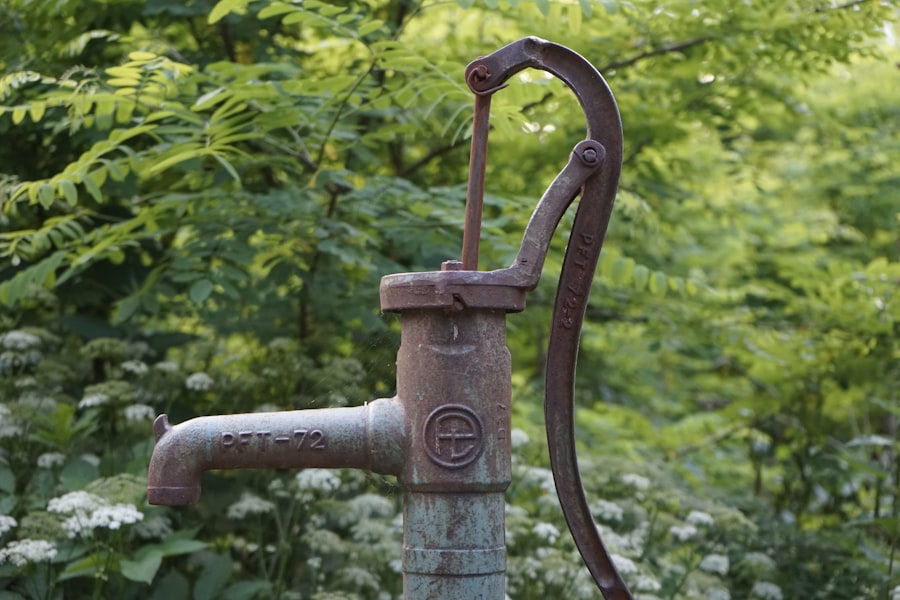
The use of groundwater is not merely a biological necessity; it is a critical economic driver for agricultural businesses. Its reliable availability underpins the financial viability of countless farms, influencing investment decisions, market competitiveness, and overall rural prosperity.
Ensuring Predictable Returns on Investment
For farmers, agriculture is a business that requires significant investment in land, equipment, inputs, and labor. The ability to consistently produce a crop or raise livestock with predictable yields is fundamental to securing a return on this investment. Groundwater irrigation provides this predictability, minimizing the risk of crop failure due to drought and ensuring a more stable production cycle. This stability allows farmers to plan for the future, invest in upgrades, and manage their finances with greater confidence. Without the assurance of water, the financial risks associated with farming would be considerably higher, deterring investment and potentially leading to farm closures.
Enhancing Market Competitiveness
In today’s globalized agricultural markets, competitiveness is key. Farmers who can reliably produce high-quality crops and livestock are better positioned to meet market demands and secure favorable prices. Groundwater irrigation enables farmers to achieve consistent quality and quantity, making them more reliable suppliers to processors, distributors, and consumers. This can lead to expanded market access, the ability to negotiate better contracts, and a stronger overall position in the marketplace. Furthermore, the ability to produce year-round or through extended seasons, facilitated by groundwater, can allow farmers to capitalize on seasonal price fluctuations and meet year-round consumer demand.
Supporting Rural Economies and Livelihoods
Agriculture is often the economic backbone of rural communities. Farms directly employ workers, purchase goods and services from local businesses, and contribute to the tax base. The reliable use of groundwater supports these economic activities by ensuring the continued operation and growth of farms. When farms thrive due to access to water, they create jobs, sustain local supply chains, and contribute to the overall economic vitality of rural areas.Conversely, water scarcity can lead to farm abandonment, job losses, and economic decline in these regions. Groundwater, when managed sustainably, acts as a vital resource that underpins rural livelihoods and community stability.
The Challenges of Groundwater Reliance
Despite its profound importance, the reliance on groundwater for agriculture is not without its challenges. Unsustainable extraction rates can lead to a host of environmental and economic problems, necessitating careful management and forward-thinking solutions.
Aquifer Depletion and Declining Water Tables
The most significant challenge associated with groundwater use is the risk of aquifer depletion. Aquifers are underground geological formations that store and transmit groundwater, and their recharge rates are often much slower than human extraction rates. When farmers pump water at rates exceeding the natural replenishment of the aquifer, the water table begins to decline. This phenomenon, known as aquifer depletion, can have severe consequences. Wells may run dry, requiring deeper and more expensive drilling. In coastal areas, declining freshwater levels can lead to saltwater intrusion, rendering the groundwater unusable for agriculture and drinking. This is a critical issue that demands vigilant monitoring and stringent regulations to ensure long-term sustainability.
Land Subsidence and Geological Impacts
As groundwater is extracted from unconsolidated aquifers, the surrounding soil particles can compact and settle. This process, known as land subsidence, can lead to significant geological changes. Low-lying areas can become more prone to flooding as the land surface sinks. Infrastructure, such as roads, buildings, and pipelines, can be damaged by the uneven settling of the ground. In some extreme cases, subsidence can be irreversible, permanently altering the landscape and posing long-term risks to communities and agricultural lands. Understanding the geological characteristics of aquifers is crucial to predicting and mitigating the risks of subsidence.
Water Quality Degradation
While groundwater is often of good quality, it is not immune to contamination. Agricultural practices, such as the overuse of fertilizers and pesticides, can lead to these chemicals leaching into the groundwater. Industrial activities and improper waste disposal can also introduce pollutants. Once groundwater is contaminated, it can be expensive and difficult to remediate, rendering it unusable for irrigation, drinking, or other purposes. Maintaining good agricultural practices and implementing robust water quality monitoring programs are essential to prevent groundwater degradation.
Farmers around the world increasingly rely on groundwater to sustain their agricultural practices, especially in regions facing water scarcity. This reliance on underground water sources is crucial for irrigation, helping to ensure crop yields and food security. For a deeper understanding of how groundwater management impacts farming, you can read a related article on this topic at My Geo Quest, which explores innovative techniques and challenges faced by farmers in utilizing this vital resource.
Towards Sustainable Groundwater Management
“`html
| Region | Percentage of farmers using groundwater |
|---|---|
| North America | 65% |
| Europe | 45% |
| Asia | 80% |
| Africa | 75% |
“`
Recognizing the challenges, the future of agricultural success hinges on the responsible and sustainable management of groundwater resources. This requires a multi-faceted approach involving technological innovation, policy adjustments, and a collective commitment to conservation.
Water-Efficient Irrigation Technologies
A cornerstone of sustainable groundwater management is the adoption of water-efficient irrigation technologies. Traditional flood irrigation methods, which can be highly inefficient, are being replaced by more precise techniques. Drip irrigation systems deliver water directly to the root zone of plants, minimizing evaporation and runoff. Sprinkler systems, when properly designed and managed, can also be highly efficient. The use of sensors to monitor soil moisture levels allows farmers to irrigate only when and where it is needed, further conserving water. Investing in and adopting these technologies can significantly reduce the volume of groundwater required, alleviating pressure on aquifers.
Conjunctive Use of Surface and Groundwater
A highly effective strategy for sustainable water management is the conjunctive use of surface water and groundwater. This approach involves strategically integrating the use of both water sources to optimize availability and minimize reliance on any single source. For example, during periods of abundant surface water, it can be used for irrigation, allowing groundwater levels to be replenished. Conversely, during dry spells when surface water is scarce, groundwater can be utilized. This integrated approach, often facilitated by reservoir management and coordinated pumping strategies, can lead to more resilient and sustainable water supplies for agriculture.
Policy and Regulatory Frameworks
Effective policy and regulatory frameworks are crucial for ensuring the sustainable management of groundwater. This includes establishing clear water rights, setting extraction limits, and implementing monitoring and enforcement mechanisms. Policies that incentivize water conservation, such as tiered pricing or rebates for water-efficient technologies, can encourage farmers to adopt better practices. Likewise, regulations that address groundwater pollution and protect sensitive recharge areas are vital. A collaborative approach between government agencies, agricultural stakeholders, and researchers is essential for developing and implementing these effective policies.
Education and Farmer Engagement
Ultimately, the success of sustainable groundwater management rests on the knowledge and commitment of farmers. Comprehensive education programs that inform farmers about the importance of groundwater conservation, the benefits of water-efficient technologies, and best management practices are paramount. Engaging farmers in the decision-making process and providing them with the tools and support they need to adopt sustainable practices fosters a sense of ownership and responsibility. Empowering farmers with the knowledge and resources to become stewards of their water resources is essential for securing the long-term future of agriculture and the invaluable gift of groundwater.

The Water Beneath America’s Breadbasket
FAQs
1. What is groundwater and how do farmers use it?
Groundwater is the water found underground in the cracks and spaces in soil, sand, and rock. Farmers use groundwater for irrigation to water their crops, especially in areas where surface water is not readily available.
2. How do farmers access groundwater for their agricultural needs?
Farmers access groundwater by drilling wells into the ground to reach the water table. They then use pumps to bring the groundwater to the surface for irrigation and other agricultural purposes.
3. What are the benefits of using groundwater for farming?
Using groundwater for farming provides a reliable and consistent water source for irrigation, especially during dry periods or droughts. It also reduces the reliance on surface water sources, which may be more susceptible to pollution and contamination.
4. Are there any challenges or concerns associated with farmers using groundwater?
Over-extraction of groundwater for agricultural use can lead to depletion of aquifers and potential long-term impacts on water availability. Additionally, excessive pumping can lead to land subsidence and saltwater intrusion in coastal areas.
5. What are some sustainable practices for farmers to use groundwater responsibly?
Farmers can implement sustainable practices such as using efficient irrigation systems, monitoring and managing water use, and recharging aquifers through techniques like rainwater harvesting and managed aquifer recharge. These practices can help ensure the long-term availability of groundwater for agricultural use.