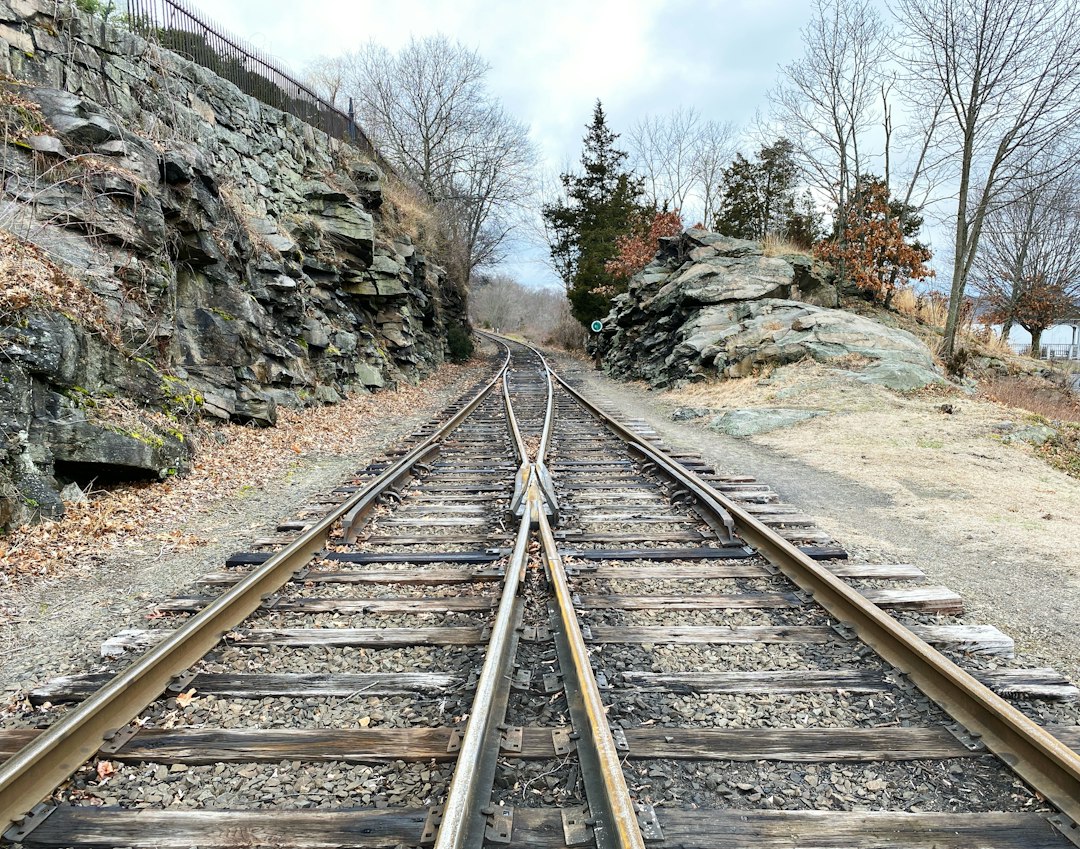
The whisper of the ocean, the salty spray kissing the windows, and the ever-shifting tapestry of the coastline – these are the sensory delights offered by the Exposed Island Railway Line, a truly remarkable, yet often overlooked, artery of coastal transport. Far from the crowded highways and the predictable routes of conventional travel, this railway offers an immersive journey, seamlessly blending the thrill of a scenic adventure with the practicalities of reaching remote island communities. It is a testament to a bygone era of engineering, a triumph of human ingenuity over challenging terrain, and a vibrant lifeline for the inhabitants and visitors alike. To traverse this line is to step back in time, to embrace a slower pace of life, and to witness the raw, untamed beauty of the island from a unique and privileged vantage point.
The Unfolding Vistas of the Coastal Route
The primary allure of the Exposed Island Railway Line lies undoubtedly in its breathtaking scenery. Unlike railways that hug the interior of the land, this line boldly embraces the edge, tracing the contours of the island’s rugged coast with an intimacy rarely found elsewhere. As the train chugs along, passengers are treated to a panoramic spectacle that changes with every curve and gradient. The vast expanse of the ocean dominates the view, its moods shifting from placid turquoise to tempestuous grey, reflecting the ever-changing sky above.
A Symphony of Azure and Emerald
The journey begins, often, with the train weaving through pockets of dense, emerald-green vegetation that cling precariously to the cliffs. Sunlight filters through the leaves, dappling the tracks and creating a sense of entering a hidden, verdant world. This initial phase, though beautiful, serves as a prelude to the more dramatic coastal vistas that await. Soon, the trees recede, and the train emerges onto embankments that jut out into the sea, offering uninterrupted views of the water. The color palette here is a mesmerizing blend of deep blues and greens of the ocean, contrasted with the chalky whites of crashing waves and the earthy browns and greys of the rocky shore. Seagulls, their calls carried on the wind, frequently accompany the train, soaring effortlessly against the backdrop of the infinite horizon.
The Dance of Tides and Cliffs
The railway’s route is a masterclass in embracing the natural topography. It skirts sheer cliffs that drop dramatically to the sea, revealing geological formations sculpted by millennia of erosion. Passengers can observe the intricate patterns of the rock faces, the hidden coves, and the sea caves that punctuate the coastline. The ebb and flow of the tides become a visible phenomenon, with exposed sandbanks revealing themselves at low tide and the water steadily creeping closer to the tracks at high tide. This dynamic interaction between land and sea is a constant source of fascination, a reminder of the powerful forces that shape this island environment. The train, in its passage, becomes an observer, a privileged guest in this ongoing natural drama.
Sunsets that Paint the Sky
One of the most enchanting aspects of the Exposed Island Railway Line is the opportunity to witness the sunset from its carriages. As the day draws to a close, the sky ignites in a riot of color. Fiery oranges, soft pinks, and deep purples bleed across the horizon, casting a warm glow over the ocean and the rugged landscape. The reflection of this celestial display on the water’s surface creates a breathtaking, almost surreal, vista. For those fortunate enough to be on the train during these golden hours, the experience is profoundly moving, a moment of pure, unadulterated beauty that etching itself into memory.
The recent discussions surrounding the exposed island railway line have raised concerns about safety and environmental impacts. For a deeper understanding of the implications of such infrastructure challenges, you can read a related article that explores the historical context and future prospects of railway systems in coastal areas. Check it out here: related article.
Engineering Marvels and Historical Echoes
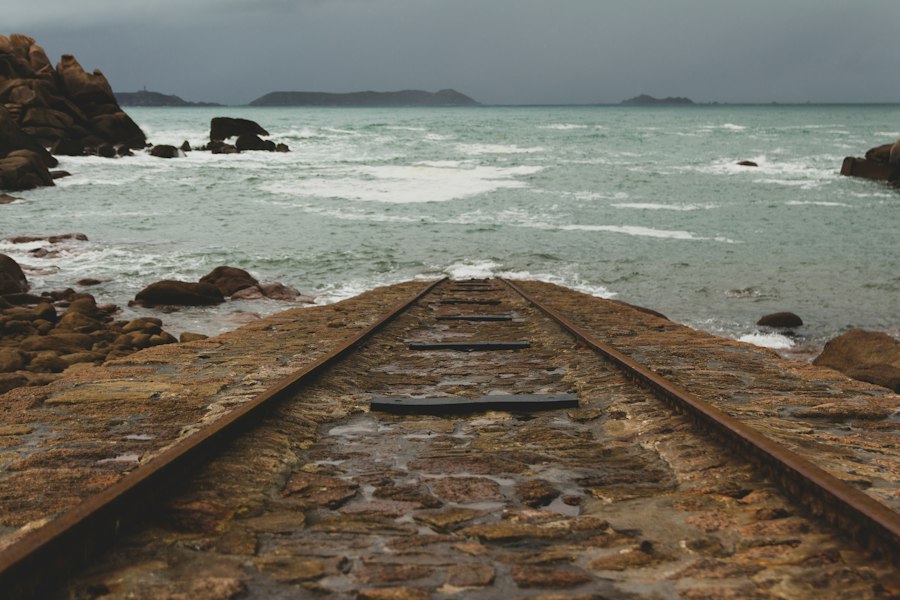
The construction of the Exposed Island Railway Line was no small feat. It represents a significant investment in engineering prowess, undertaken in an era when such projects were considerably more challenging and less reliant on modern machinery. The very existence of the line speaks to a forward-thinking vision and a commitment to connecting even the most remote parts of the island. Its infrastructure, though weathered by time and the elements, stands as a testament to the skill and determination of its builders.
Bridging the Gaps
Numerous bridges and viaducts are integral to the railway’s passage along the coast. These structures, often built from sturdy stone or iron, are as much a part of the landscape as the cliffs and the sea itself. They span ravines, cross inlets, and provide passage over treacherous stretches of coastline. Some of these bridges are architectural marvels in their own right, their elegant arches or robust frames seamlessly integrated into the natural environment. Standing on one of these elevated sections, with the wind whistling and the waves crashing far below, offers a profound sense of perspective and an appreciation for the audacious engineering that made this route possible. The sheer scale of some of these crossings can be awe-inspiring, a reminder of the human will to conquer seemingly insurmountable obstacles.
Tunnels Carved Through Rock
The line also ventures into the earth, with tunnels carved directly through the island’s rocky heart. These subterranean passages offer a brief respite from the glare of the sun and the sound of the waves, creating a dramatic contrast in the journey. Emerging from the darkness of a tunnel into the dazzling light of the coastal panorama is always a thrilling moment. These tunnels, though less visible, are as crucial to the railway’s success as the bridges, providing a safe and direct route through otherwise impassable terrain. Their construction would have involved painstaking manual labor, drilling and blasting through solid rock, a feat of endurance and precision.
Legacy of a Bygone Era
The rolling stock itself often carries the charm of a bygone era. While modern amenities might be present, the character of the older carriages, with their comfortable seating and larger windows, evokes a sense of nostalgia. These trains are not merely modes of transport; they are moving historical artifacts, carrying passengers through a landscape that has remained largely unchanged for decades. The rhythmic clatter of the wheels on the tracks, the occasional whistle of the train, and the gentle sway of the carriages all contribute to an authentic railway experience, one that feels increasingly rare in today’s fast-paced world. The preservation of this heritage is crucial to maintaining the unique character of the Exposed Island Railway Line.
The Vital Role in Island Communities

Beyond its scenic beauty and engineering marvels, the Exposed Island Railway Line serves a crucial function for the communities it connects. For many island residents, it is their primary link to the mainland and to neighboring settlements. It facilitates the transport of goods, the access to essential services, and the social connections that bind a community together.
A Lifeline for Remote Villages
Several small, often isolated villages dot the island’s coastline, their existence intrinsically linked to the railway. For these communities, the train is not a tourist attraction but a vital lifeline. It brings in supplies, delivers mail, and allows residents to travel for work, education, or medical appointments. The absence of the railway would severely impact the viability of these settlements, making them even more remote and dependent on less reliable forms of transport. The punctuality and accessibility of the train are therefore paramount to the daily lives of those who call these villages home.
Connecting People and Commerce
The railway also plays a significant role in local commerce. Fishermen can transport their catch to markets, artisans can ship their creations, and local produce can reach a wider audience. This economic activity, facilitated by the train, contributes to the sustainability of island businesses and the overall prosperity of the region. Tourists, too, benefit from the ability to access local crafts and food directly from the source, further stimulating the local economy. The railway acts as a conduit, fostering trade and connection within the island and between the island and the outside world.
Fostering a Sense of Belonging
The shared experience of traveling on the Exposed Island Railway Line can also foster a strong sense of community among its passengers. Locals and visitors alike often strike up conversations, sharing stories and insights about the island. The slow pace of the journey encourages interaction, creating a relaxed and friendly atmosphere. This shared journey contributes to the unique cultural fabric of the island, reinforcing a sense of belonging and mutual respect among those who experience its charms. The train becomes a mobile gathering space, a place where connections are made and friendships can blossom.
Practicalities and Experiential Insights for Travelers
For those planning to embark on this extraordinary journey, understanding the practicalities of travel on the Exposed Island Railway Line is essential. While its charm lies in its unique character, a little preparation can greatly enhance the experience. This section offers insights into ticketing, seasonal considerations, and tips for maximizing the enjoyment of this remarkable route.
Navigating Ticketing and Schedules
Tickets for the Exposed Island Railway Line can typically be purchased at station ticket offices or, increasingly, online through the railway company’s website. It is advisable to check the most up-to-date schedules in advance, as services can vary depending on the season and day of the week. Some sections of the line may operate with reduced frequency during the off-peak months, while during the summer tourist season, additional services might be introduced. Consider booking in advance during peak periods to secure your preferred travel times, especially if traveling with a group. Understanding the different fare options, such as day returns or multi-journey passes, can also lead to cost savings.
Seasonal Charms and Weather Considerations
The Exposed Island Railway Line offers a distinct experience throughout the year. The spring and summer months are particularly popular, with longer daylight hours and a higher chance of pleasant weather. The coastline bursts with wildflowers, and the sea is often at its calmest, providing ideal conditions for photography and leisurely travel. Autumn brings a dramatic change in scenery, with the landscape transforming into a tapestry of autumnal hues. The seas can be more tempestuous, adding to the dramatic beauty of the coastal views. Winter offers a more rugged and introspective experience, with fewer crowds and the chance to witness the raw power of the ocean. However, it’s crucial to be prepared for the unpredictable island weather. Pack layers of clothing, including waterproofs and windproofs, regardless of the season, as conditions can change rapidly along the exposed coastline.
Maximizing Your Journey’s Enjoyment
To truly savor the Exposed Island Railway Line, consider these tips:
- Choose your seat wisely: Opt for seats on the side of the train that offers the most consistent sea views. While the entire route is scenic, certain stretches are more exposed than others.
- Bring a camera: The photographic opportunities are endless. From sweeping panoramas to close-ups of wave patterns and coastal flora, you’ll want to capture it all.
- Pack snacks and drinks: While some services might offer refreshments, it’s wise to bring your own, especially for longer journeys or if traveling during off-peak times when onboard services might be limited.
- Embrace the pace: This is not a route for rushing. Allow yourself to relax, absorb the scenery, and enjoy the unhurried rhythm of the train.
- Engage with locals: If the opportunity arises, strike up a conversation with fellow passengers or station staff. They often have invaluable insights and anecdotes about the island and the railway.
- Consider a stopover: Some of the villages along the line are worth exploring. Plan for a short stopover to wander through a charming fishing hamlet or enjoy a local pub lunch.
Understanding the Unique Nature of the Line
It is important to remember that the Exposed Island Railway Line is an integral part of a working island community. While it caters to tourists, its primary purpose remains to serve the residents. Patience and understanding are key, especially if delays occur due to weather or operational reasons. The railway’s very exposure to the elements is what makes it so special, but it also means it can be susceptible to disruptions. Embracing this reality is part of the authentic charm and adventure of traveling on this hidden gem of coastal transport.
The recent concerns surrounding the exposed island railway line have sparked discussions about the safety and maintenance of rail infrastructure in coastal areas. For a deeper understanding of the challenges faced by such transportation systems, you can read a related article that explores the impact of climate change on rail lines and the necessary adaptations. This insightful piece can be found here, providing valuable information for those interested in the future of rail travel in vulnerable regions.
The Enduring Charm and Future Prospects
| Metric | Value | Unit | Description |
|---|---|---|---|
| Line Length | 12.5 | km | Total length of the exposed island railway line |
| Number of Stations | 8 | stations | Total stations along the railway line |
| Track Gauge | 1,435 | mm | Standard gauge width of the railway track |
| Electrification | Yes | – | Indicates if the line is electrified |
| Average Daily Ridership | 15,000 | passengers | Average number of passengers per day |
| Maximum Speed | 80 | km/h | Maximum operating speed on the line |
| Year Opened | 1998 | – | Year the railway line was inaugurated |
| Maintenance Frequency | Monthly | – | Frequency of routine maintenance checks |
The Exposed Island Railway Line, with its unique blend of natural beauty, historical significance, and vital community role, possesses an enduring charm that continues to captivate. As modern transportation methods evolve, the appeal of such an experience-driven journey only grows stronger. The future of this remarkable railway hinges on continued investment, community support, and a commitment to preserving its intrinsic character.
Preserving a Timeless Experience
The primary challenge for the Exposed Island Railway Line is to maintain its authenticity while adapting to the demands of the modern era. This involves not only the upkeep of the tracks and rolling stock but also the careful management of visitor numbers to ensure that the railway’s character and the environment it traverses are not adversely affected. Efforts to promote sustainable tourism practices, such as encouraging off-peak travel and supporting local businesses, are crucial in this regard. The goal is to ensure that the railway remains a thriving part of the island’s identity for generations to come, rather than becoming a relic of the past.
The Role of Community and Conservation
The local communities along the route are the custodians of the Exposed Island Railway Line’s heritage. Their involvement in its operation and promotion is paramount. Supporting local initiatives, volunteering for track maintenance, and advocating for its continued funding are all ways in which the community can ensure its survival. Furthermore, conservation efforts that protect the pristine coastal environment through which the railway passes are intrinsically linked to the railway’s appeal. A healthy ecosystem supports not only the natural beauty but also the biodiversity that adds to the richness of the journey.
Unveiling New Opportunities
While its charm is rooted in tradition, the Exposed Island Railway Line is not without its potential for future development. Exploring opportunities for themed excursions, such as photography tours, culinary journeys featuring local produce, or historical walks along the route, could attract new visitors and diversify revenue streams. Partnerships with local accommodation providers and tour operators can create integrated travel packages, making the island and its railway even more accessible and appealing. The “hidden gem” aspect of the line could also be leveraged through targeted marketing campaigns, highlighting its unique selling points to discerning travelers seeking authentic and memorable experiences.
The Exposed Island Railway Line stands as more than just a mode of transport; it is an invitation to slow down, to reconnect with nature, and to witness the enduring spirit of island life. Its journey along the dramatic coastline is a powerful reminder of the beauty that can be found when human endeavor harmonizes with the natural world. As it continues its rhythmic passage, the whispers of the ocean and the tales of the island will undoubtedly continue to enchant all who have the pleasure of experiencing this truly exceptional route. Its future, like the ever-changing tides it hugs, is dependent on a delicate balance of progress and preservation, ensuring its continued existence as a treasured jewel in the crown of coastal transport.
The Railroad That Bet on the Panama Canal—and Lost
FAQs
What is the history of the exposed island railway line?
The exposed island railway line was built in the early 1900s to connect various parts of the island for transportation of goods and passengers.
How long is the exposed island railway line?
The exposed island railway line stretches for approximately 30 miles, running along the coastline and through the interior of the island.
What are some challenges faced by the exposed island railway line?
Due to its location along the coast, the exposed island railway line is susceptible to erosion, flooding, and damage from severe weather conditions, making maintenance a constant challenge.
Is the exposed island railway line still in operation?
While parts of the exposed island railway line are still operational for tourism purposes, the majority of the line has been decommissioned and replaced by other modes of transportation.
What are some attractions along the exposed island railway line?
Along the exposed island railway line, passengers can enjoy scenic views of the coastline, pass through charming villages, and visit historical sites such as old train stations and abandoned railway bridges.