
The intricate tapestry of the global supply chain, once a symbol of efficiency and interconnectedness, is revealed in all its precarious glory in “Exposed: Global Supply Chain Vulnerability.” This documentary serves as a stark examination of the systems that underpin modern life, demonstrating how readily they can fray under pressure. Through expert interviews, case studies, and insightful analysis, the film dissects the hidden vulnerabilities that make our seamlessly flowing goods susceptible to seismic shocks, leaving consumers and industries alike exposed to a cascade of disruptions.
In light of the increasing concerns surrounding global supply chain vulnerabilities, the documentary sheds light on the intricate web of dependencies that can lead to significant disruptions. For further insights into this pressing issue, you can explore a related article that delves into the challenges and potential solutions within the supply chain landscape. To read more, visit this article.
The Myth of Unbreakable Links
From Just-in-Time to Just-in-Case: A Paradigm Shift
For decades, the prevailing philosophy governing global manufacturing was “just-in-time” (JIT) inventory management. This lean approach, akin to running a meticulously choreographed ballet, aimed to minimize waste by having materials arrive precisely when needed for production and finished goods depart the moment they are completed. The documentary illustrates how this model, while incredibly cost-effective in stable times, has become a brittle framework. The film argues that the pursuit of maximum efficiency has inadvertently created a system with minimal buffers, leaving no room for error or unforeseen circumstances. The slightest deviation from the plan, whether a ship gets stuck in a canal or a factory faces a power outage, can send ripples of delay and scarcity throughout the entire network.
The Illusion of Diversification
While many businesses claim to have diversified their supply chains, “Exposed” challenges this notion. The documentary highlights how even seemingly disparate suppliers often rely on a common, upstream source for critical components or raw materials. This creates a hidden nexus of dependency, where a disruption at a single, often obscure, point can affect multiple seemingly independent production lines. The film presents this as a spiderweb, where tugging on one delicate strand can send tremors through the entire structure, even if the initial point of contact appears insignificant.
The Shadow of Geopolitical Tremors

A World of Interdependence, A World of Risk
The modern supply chain operates on a global stage, intricately linking nations and economies. However, “Exposed” emphasizes that this interconnectedness, while fostering growth, also amplifies risk. Geopolitical tensions, trade wars, and regional conflicts are no longer distant news items; they are potent forces capable of severing vital arteries of commerce. The documentary illustrates how political decisions, such as imposing tariffs or sanctions, can instantly redraw the map of global trade, forcing businesses to scramble for alternatives, often at a higher cost and with reduced reliability.
The Weaponization of Trade
A particularly unsettling revelation within the documentary is the increasing tendency for trade to be weaponized. Countries and blocs are leveraging their economic power to exert political influence, creating an environment of uncertainty for global businesses. The film interviews analysts who explain how strategic chokepoints, such as control over essential minerals or manufacturing hubs, can be used as leverage. This creates an unpredictable landscape where disruptions are not just accidental but can be deliberately orchestrated, turning the seemingly neutral flow of goods into a battlefield.
The Invisible Hand of Nature: Climate Change and Pandemics

Weathering the Storm: The New Normal
The documentary dedicates significant attention to the burgeoning impact of climate change on global supply chains. Extreme weather events, once considered rare occurrences, are becoming increasingly frequent and severe. From devastating floods that inundate port facilities to prolonged droughts that impact agricultural output and critical water-intensive manufacturing processes, nature is proving to be an unpredictable and formidable antagonist. “Exposed” showcases how rising sea levels threaten coastal infrastructure vital for shipping, and how increased wildfire activity can disrupt transportation networks and halt production. The film presents these events not as isolated incidents but as part of a systemic shift, forcing supply chains to operate in a perpetual state of adaptation and resilience planning.
The Uninvited Guest: The Pandemic’s Lasting Scars
The COVID-19 pandemic served as a brutal wake-up call, exposing the fragility of global supply chains in a way that few could have anticipated. “Exposed” revisits the early days of the pandemic, illustrating how widespread lockdowns and the cessation of factory operations in key manufacturing regions brought production to a standstill. The film delves into the subsequent “bullwhip effect,” where initial shortages led to panic buying, further exacerbating supply chain imbalances and driving up prices. Even as the immediate crisis subsides, the documentary argues that the pandemic has left an indelible mark, prompting a re-evaluation of risk and a growing demand for greater transparency and resilience in manufacturing and distribution networks.
The recent documentary on global supply chain vulnerability sheds light on the intricate challenges faced by industries worldwide. For those interested in exploring this topic further, a related article provides valuable insights into the underlying factors contributing to these vulnerabilities. You can read more about it in this informative piece that delves into the complexities of supply chain management and its impact on global trade. Check it out here for a deeper understanding of the issues at hand.
The Digital Backbone: Vulnerabilities in the Virtual Realm
| Metric | Description | Value | Source |
|---|---|---|---|
| Global Supply Chain Disruption Index | Measure of disruptions in global supply chains due to various factors | 35% | World Economic Forum, 2023 |
| Average Lead Time Increase | Increase in average delivery lead times for international shipments | 22 days | UNCTAD Report, 2023 |
| Percentage of Companies Reporting Supply Chain Vulnerabilities | Share of surveyed companies acknowledging vulnerabilities in their supply chains | 68% | McKinsey & Company Survey, 2023 |
| Impact of Port Congestion on Shipping Times | Average delay caused by port congestion in major global ports | 15% | International Maritime Organization, 2023 |
| Increase in Raw Material Prices | Percentage increase in prices of key raw materials affecting supply chains | 18% | Global Industry Analysts, 2023 |
| Supply Chain Resilience Investment Growth | Year-over-year growth in investments aimed at improving supply chain resilience | 12% | Deloitte Insights, 2023 |
The Cyber Threat: A Modern-Day Achilles’ Heel
While many discussions of supply chain vulnerability focus on physical disruptions, “Exposed” shines a light on the digital infrastructure that underpins modern commerce. The documentary highlights the pervasive threat of cyberattacks. A successful ransomware attack on a logistics company, for instance, can cripple shipping operations, leading to widespread delays and financial losses. The film interviews cybersecurity experts who explain how interconnected systems, while enabling efficiency, also create multiple entry points for malicious actors. A breach in one part of the chain can quickly propagate, impacting downstream partners and ultimately the end consumer. The digital realm, therefore, represents a new frontier of vulnerability, where a few lines of malicious code can bring a global network to its knees.
The Data Dilemma: Transparency vs. Secrecy
The pursuit of efficiency has led to vast amounts of data being collected and shared across supply chains. “Exposed” explores the dual nature of this data. On one hand, it enables real-time tracking and optimization, akin to having a detailed map of every wagon on a moving train. On the other hand, this data can reveal critical dependencies and vulnerabilities. The documentary questions who truly owns and controls this information, and how a lack of transparency can obscure the true extent of risk. The film suggests that a balance must be struck between the need for proprietary information and the collective benefit of greater visibility, emphasizing that true resilience requires a willingness to share information, particularly in times of crisis.
Charting a New Course: Building Resilience for the Future
Rethinking Globalization: From Hyper- to Resilient Globalization
The documentary doesn’t just diagnose the problems; it explores potential solutions. One of the central themes is the necessity of rethinking the nature of globalization. Instead of a relentless pursuit of hyper-globalization, characterized by the longest and often most complex supply chains, “Exposed” advocates for a more pragmatic and resilient approach. This involves exploring near-shoring and re-shoring opportunities, bringing production closer to end markets to reduce transit times and dependencies on distant, potentially unstable, regions. The film presents this not as an abandonment of global trade, but as a strategic recalibration to mitigate excessive risk.
The Power of Collaboration and Innovation
“Exposed” emphasizes that building a more resilient supply chain requires unprecedented levels of collaboration and innovation. This includes fostering stronger partnerships between businesses, governments, and academic institutions. The documentary highlights initiatives focused on developing advanced analytics and AI-powered tools to predict and mitigate disruptions. It also explores the potential of circular economy models, which aim to reduce reliance on virgin resources and create more localized material flows. The film concludes with a call to action, urging viewers to understand the complex systems that deliver their daily needs and to support efforts that strengthen the foundations of global commerce for a more stable and secure future. The fragile weave of our global supply chain, once taken for granted, is now laid bare, demanding our attention and our commitment to weaving a stronger, more resilient fabric for the world.
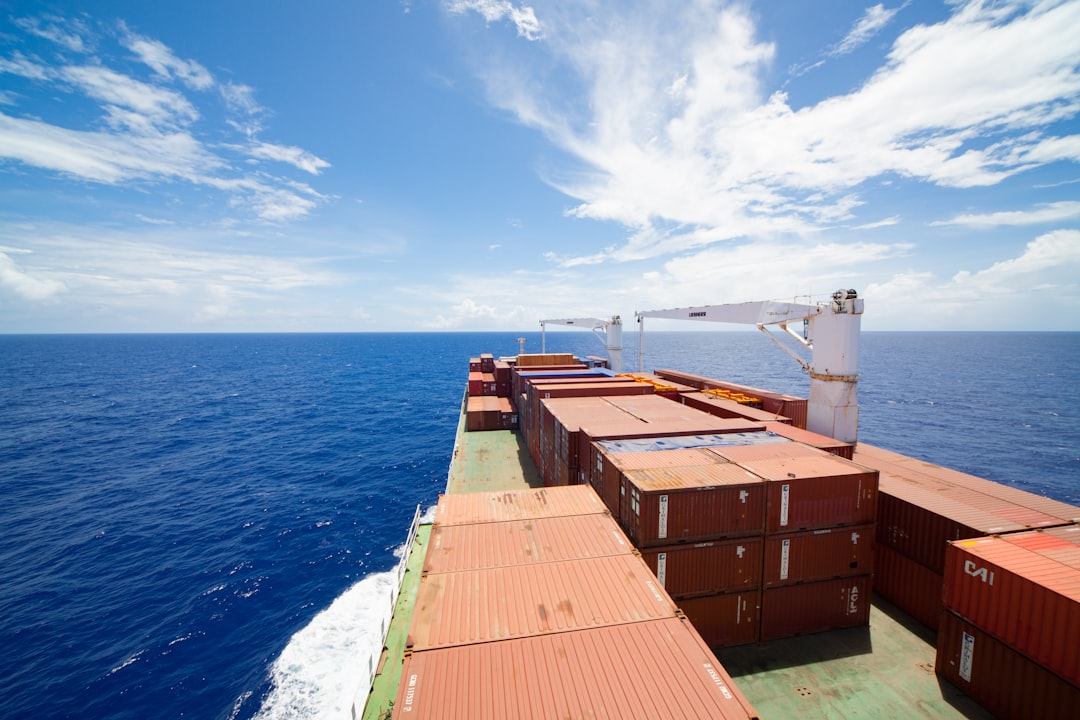
WATCH NOW ▶️ SHOCKING: Malacca: The $10 Trillion Lie Revealed
FAQs
What is the focus of the “Global Supply Chain Vulnerability” documentary?
The documentary explores the weaknesses and challenges within global supply chains, highlighting factors that contribute to disruptions and their impact on economies and consumers worldwide.
Why are global supply chains considered vulnerable?
Global supply chains are vulnerable due to factors such as geopolitical tensions, natural disasters, pandemics, labor shortages, and reliance on just-in-time manufacturing, which can cause delays and shortages when disrupted.
How do supply chain disruptions affect consumers?
Disruptions can lead to product shortages, increased prices, delayed deliveries, and reduced availability of goods, affecting everyday consumers and businesses alike.
What industries are most impacted by supply chain vulnerabilities?
Industries such as electronics, automotive, pharmaceuticals, and food production are particularly affected due to their dependence on complex, global networks for raw materials and components.
What solutions or strategies does the documentary suggest to mitigate supply chain vulnerabilities?
The documentary discusses approaches like diversifying suppliers, increasing inventory buffers, investing in technology for better supply chain visibility, and reshoring or nearshoring production to reduce dependency on distant sources.