The allure of the unknown, the magnetic pull of the unexplored – these primal human drives have propelled our species across oceans, over mountains, and now, increasingly, beyond the familiar confines of national borders. The era of truly uncharted terrestrial territories is rapidly dwindling, replaced by the complex and multifaceted exploration of regions that, while perhaps not physically untouched, remain largely unmapped in terms of human understanding, cultural exchange, and scientific discovery. This journey beyond national borders is no longer solely about physical conquest or resource acquisition; it has evolved into a profound endeavor to connect, to learn, and to expand the collective consciousness of humanity.
The traditional definition of “uncharted” often conjures images of dense jungles or vast, desolate deserts, places devoid of human presence. While such areas still exist, they are becoming increasingly rare and often protected reserves. The modern exploration of uncharted territories extends far beyond these physical frontiers. It encompasses a broader understanding of the unknown, delving into realms that challenge our preconceived notions of geography, culture, and even existence.
Beyond the Physical Map: The Digital Frontier
Perhaps the most rapidly expanding uncharted territory lies not on land or sea, but in the digital realm. The vastness of the internet, the intricate web of data, and the burgeoning fields of artificial intelligence and virtual reality represent entirely new frontiers for human exploration. Understanding the emergent behaviors of complex digital ecosystems, navigating the ethical landscapes of AI, and creating and experiencing new realities within virtual spaces are all forms of exploration that transcend national boundaries and redefine what it means to be at the edge of discovery.
Navigating the Algorithmic Maze: Understanding AI’s Inner Workings
Artificial intelligence, with its ever-increasing sophistication, presents a particularly compelling uncharted territory. While we build and deploy AI systems, their internal decision-making processes, their potential for emergent intelligence, and their societal impacts often remain opaque. Exploring this algorithmic maze involves developing new methodologies for transparency, interpretability, and ethical governance. It’s a journey into the very nature of intelligence itself, a quest to understand what we are creating and how it will shape our future, independent of any single nation’s jurisdiction.
The Metaverse and Beyond: Building New Realities
The concept of the metaverse, a persistent, interconnected set of virtual spaces, signifies a radical departure from traditional exploration. Here, uncharted territories are not discovered but constructed. Users and developers alike are venturing into this nascent digital landscape, building economies, social structures, and cultural norms. The challenges lie in understanding how these virtual worlds will interact with our physical reality, how governance will function, and how human identity will evolve within these simulated environments. This is a collaborative exploration, a global experiment in reality construction.
The Deep Sea and the Outer Reaches: Unveiling Earth’s Final Frontiers
While the digital world expands, the physical world still holds its own significant uncharted territories. The deep oceans and the vastness of space represent enduring frontiers, beckoning humanity to push the boundaries of our knowledge and capabilities. These are environments where the challenges are immense, requiring ingenuity, perseverance, and a global collaborative spirit.
The Abyssal Plains: Mysteries Beneath the Waves
The vast majority of our planet’s oceans remain unexplored. The deep sea, with its crushing pressures, extreme temperatures, and perpetual darkness, is a realm of alien landscapes and undiscovered life forms. Expeditions into these abyssal plains are akin to venturing to another planet, revealing ecosystems that have evolved in isolation for millennia. Understanding these environments is crucial for comprehending the origins of life, developing new biotechnologies, and assessing the impact of human activities on our planet’s most critical life support system. The exploration of these underwater frontiers is a testament to humanity’s persistent curiosity and its desire to understand its own home planet in its entirety.
Celestial Exploration: Our Cosmic Neighborhood and Beyond
Space exploration continues to be a powerful driver of human ambition and a prime example of exploring uncharted territories beyond national borders. From the initial lunar missions to the ongoing exploration of Mars and the distant reaches of our solar system, humanity is venturing further than ever before. The search for extraterrestrial life, the understanding of planetary formation, and the potential for future human habitation all lie within this vast cosmic frontier. This endeavor demands international cooperation, pooling resources and expertise to achieve goals that are simply unattainable by any single nation.
In exploring the concept of places outside national sovereignty, one can refer to the article on the topic that delves into various regions and territories that exist beyond the control of any single nation-state. This article provides insights into the complexities and implications of such areas, including their governance and the challenges they face. For more information, you can read the full article here: Places Outside National Sovereignty.
Bridging Cultural Divides: The Uncharted Territories of Human Understanding
Beyond the physical and digital landscapes, perhaps the most challenging and rewarding uncharted territories lie within the realm of human understanding. The diverse tapestry of human cultures, traditions, and perspectives presents a vast landscape of unexplored knowledge, empathy, and connection. True exploration in this domain requires a willingness to set aside ethnocentric viewpoints and embrace the richness of human diversity.
The Power of Cross-Cultural Exchange: Fostering Global Empathy
Direct engagement with cultures different from our own is a fundamental aspect of exploring these human territories. Travel, cultural immersion programs, and collaborative projects all serve as pathways to understanding. When individuals and groups from different nations engage in meaningful dialogue and shared experiences, they begin to dismantle the barriers of prejudice and misunderstanding. This exchange fosters empathy, a crucial element in navigating a world increasingly interconnected yet often fragmented by cultural differences.
Linguistic Bridges: Unlocking New Worlds of Thought
Language is not merely a tool for communication; it is a fundamental framework for thought and perception. Learning another language opens a window into a different way of understanding the world. The nuances of grammar, idiom, and cultural context embedded within a language reveal unique perspectives on life, society, and the human condition. Engaging with the linguistic diversity of our planet is a profound act of exploration, allowing us to access previously inaccessible realms of human thought and experience.
Artistic Expressions as Universal Languages
Art, in its myriad forms – music, literature, visual arts, performance – offers a powerful, often non-verbal, avenue for cross-cultural understanding. When we experience the art of another culture, we are exposed to their joys, sorrows, aspirations, and historical narratives. This engagement can transcend linguistic barriers and foster a visceral connection, an emotional resonance that builds bridges of empathy and appreciation. Exploring the artistic expressions of the world is a journey into the collective soul of humanity.
The Ethics of Encounter: Navigating New Frontiers Responsibly
As humanity ventures into these uncharted territories, whether physical, digital, or cultural, the ethical considerations become paramount. Responsible exploration demands a conscious awareness of our impact and a commitment to principles that ensure sustainability, respect, and equity.
Indigenous Knowledge and Cultural Preservation
Many of the remaining physically uncharted territories are inhabited by indigenous communities who possess invaluable traditional knowledge accumulated over millennia. The exploration of these regions must be conducted with the utmost respect for their rights, cultures, and intellectual property. Preserving indigenous knowledge is not just an ethical imperative; it is also a crucial step in understanding our planet and developing sustainable solutions for the future. This requires a partnership, not an imposition, fostering a dialogue that honors their heritage and their agency.
The Digital Divide and Equitable Access
As the digital frontier expands, the issue of equitable access becomes a critical ethical concern. The benefits of digital exploration and innovation should not be confined to a privileged few. Addressing the digital divide, ensuring that all individuals and communities have the opportunity to participate and benefit from these new realms, is an essential aspect of responsible global exploration. This involves investing in infrastructure, education, and digital literacy programs worldwide, creating a truly inclusive digital landscape.
Collaboration as the Compass: Navigating Beyond National Interests
The complexities and vastness of uncharted territories necessitate a shift from nationalistic endeavors to collaborative efforts. No single nation possesses the resources, the knowledge, or the mandate to fully explore and understand these frontiers alone. Collaboration becomes the indispensable compass guiding us through these new landscapes.
In exploring the concept of places outside national sovereignty, one can find intriguing insights in the article on the topic available at My Geo Quest. This piece delves into various regions and territories that exist beyond the control of any single nation, highlighting their unique characteristics and the implications for international law and governance. Understanding these areas can provide a broader perspective on global dynamics and the complexities of territorial claims.
International Scientific Endeavors: Pooling Resources for Discovery
The grandest scientific challenges, from deciphering the human genome to understanding climate change or searching for exoplanets, increasingly require international cooperation. Organizations like CERN, the International Space Station, and global climate research initiatives exemplify the power of pooling scientific expertise, financial resources, and technological capabilities. These collaborative ventures accelerate discovery and ensure that the benefits of exploration are shared globally.
Shared Data and Open Access: The Future of Knowledge Dissemination
A crucial element of successful international collaboration is the commitment to open access and data sharing. When scientific data and research findings are made freely available, it democratizes knowledge and allows researchers worldwide to build upon each other’s work. This open exchange of information accelerates the pace of discovery and ensures that humanity as a whole benefits from the exploration of uncharted territories. It moves us away from proprietary knowledge towards a collective intellectual commons.
Global Partnerships for Sustainable Development
The exploration of uncharted territories often has direct implications for global sustainability. Whether it’s understanding the biodiversity of rainforests, managing ocean resources, or developing new renewable energy technologies, international partnerships are vital for ensuring that these endeavors are conducted in a way that benefits both humanity and the planet. These collaborations go beyond scientific research to encompass policy development, economic cooperation, and the implementation of sustainable practices across borders.
The Human Imperative: Why We Must Explore
The drive to explore uncharted territories, to push beyond the known, is deeply ingrained in the human psyche. It is a fundamental aspect of our evolution, our quest for knowledge, and our innate desire to understand our place in the universe. This imperative is not merely an academic pursuit; it is a vital force that shapes our societies, drives innovation, and ultimately, helps us to better understand ourselves.
Expanding the Boundaries of Human Knowledge and Innovation
Every foray into uncharted territory, whether it’s the discovery of a new species, the development of a novel algorithm, or the understanding of a different cultural perspective, expands the collective knowledge base of humanity. This expansion fuels innovation, leading to technological advancements, improved healthcare, and novel solutions to global challenges. The pursuit of the unknown is, in essence, the engine of human progress.
The Quest for Meaning and Our Place in the Cosmos
At its most profound level, exploring uncharted territories is a quest for meaning. By venturing beyond our familiar horizons, we confront the vastness of existence and our own interconnectedness with all living things. The exploration of space, for instance, not only seeks to find extraterrestrial life but also prompts us to reflect on the uniqueness and fragility of our own planet and the shared destiny of humanity. This outward journey often leads to a deeper inward understanding.
Fostering Global Unity and Shared Purpose
The act of exploring uncharted territories, particularly through international collaboration, has the profound potential to foster global unity and a shared sense of purpose. When nations come together to achieve common goals, such as combating climate change, eradicating diseases, or exploring the cosmos, it transcends political divides and highlights our shared humanity. These collective endeavors remind us that we are all inhabitants of a single planet, facing common challenges and sharing a common future. This shared undertaking can be a powerful antidote to division and conflict, uniting us in the pursuit of something larger than ourselves. The journey beyond national borders, in its most expansive sense, is ultimately a journey towards a more connected, more understanding, and more unified humanity.
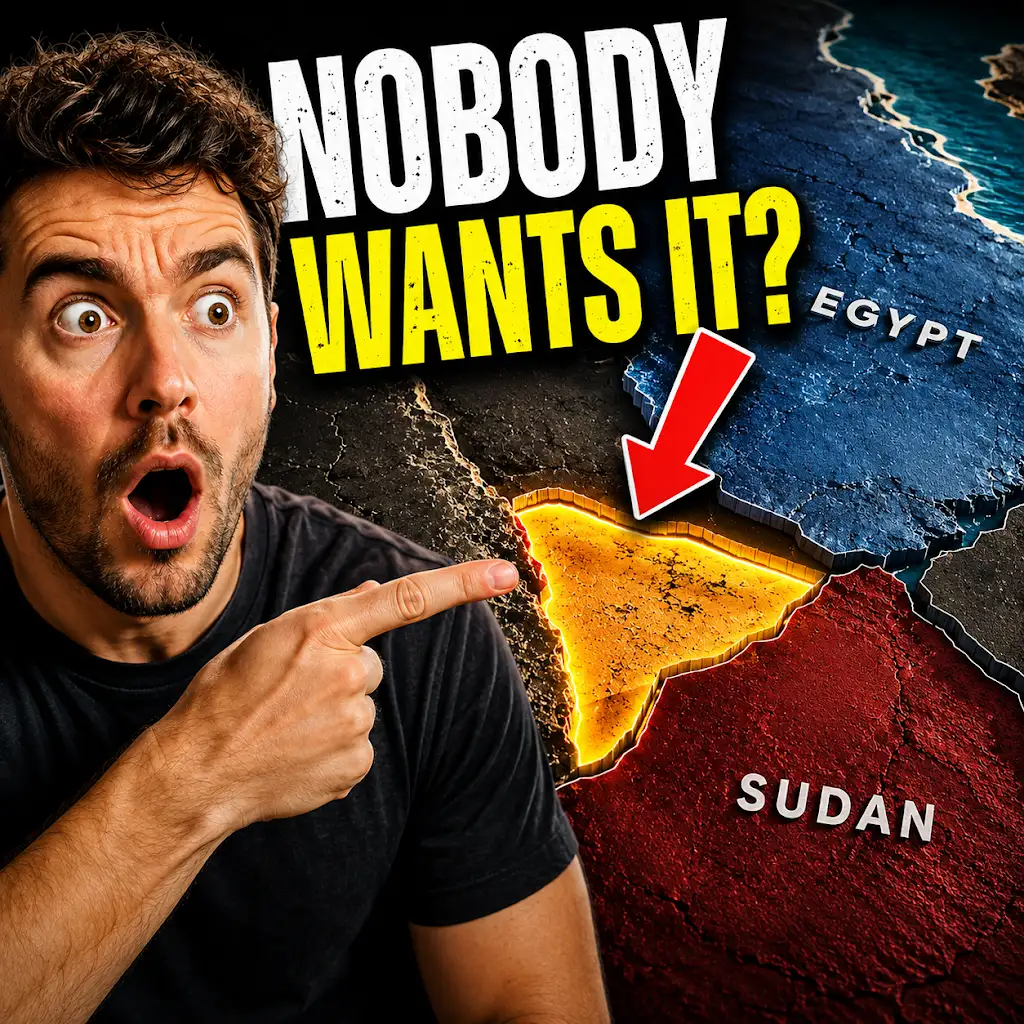
What Happens When No Country Owns a Place?
FAQs
What are places outside national sovereignty?
Places outside national sovereignty refer to areas that are not under the jurisdiction of any single country. These areas may include international waters, outer space, and certain regions of Antarctica.
What is the significance of places outside national sovereignty?
These areas are significant because they are not subject to the laws and regulations of any single country. This can lead to unique legal and political challenges, as multiple countries may have competing claims or interests in these areas.
What are some examples of places outside national sovereignty?
Examples of places outside national sovereignty include the high seas, which are beyond the jurisdiction of any single country, and outer space, which is governed by international treaties such as the Outer Space Treaty.
How are places outside national sovereignty governed?
Places outside national sovereignty are often governed by international agreements and treaties. For example, the United Nations Convention on the Law of the Sea (UNCLOS) establishes rules for the use of the world’s oceans and resources.
What are some challenges associated with places outside national sovereignty?
Challenges associated with places outside national sovereignty include issues of governance, resource management, and environmental protection. Additionally, competing territorial claims and geopolitical tensions can arise in these areas.