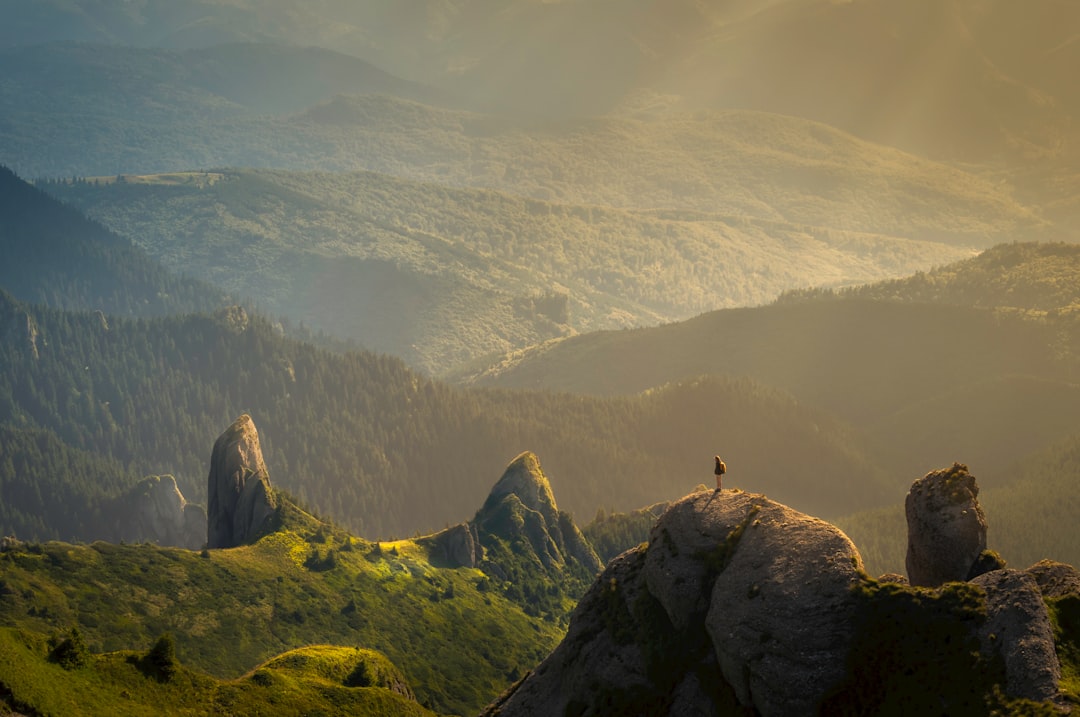
The human fascination with the peculiar, the unsettling, and the outright bizarre has driven exploration for centuries. Beyond the well-trodden paths of iconic landmarks and breathtaking natural wonders lie destinations that defy easy categorization, places that whisper tales of geological anomaly, historical intrigue, or simply the strange and wonderful whims of nature. Embarking on a journey to the world’s weirdest places is not merely about sightseeing; it’s about challenging perceptions, igniting curiosity, and discovering the extraordinary that exists just beyond the veil of the ordinary. This exploration delves into some of these enigmas, inviting readers to ponder the forces that shape our planet and the stories that linger within its most peculiar corners.
The Earth’s crust, often perceived as a solid, unyielding surface, harbors a hidden world of vast caverns and dramatic collapses. These subterranean realms, sculpted over millennia by the relentless work of water and time, offer glimpses into geological processes that are both awe-inspiring and a little unnerving. From crystal-laden grottos to vast underground lakes, these spaces reveal a hidden dimension to our planet, one that is both beautiful and brimming with mystery.
The Crystal Cathedral: Naica Mine, Mexico
Deep within the Chihuahuan Desert lies a geological marvel that feels plucked from a science fiction fantasy: the Naica Mine in Chihuahua, Mexico. Home to some of the largest crystals ever discovered, this subterranean wonderland is a testament to extreme geological conditions. The main chamber, known as the Cave of the Crystals, houses colossal selenite crystals, some reaching lengths of over 30 feet and weighing many tons. These translucent giants, formed in a geologically stable and mineral-rich environment, grew over hundreds of thousands of years in hot, mineral-saturated water.
The Perilous Paradise
The allure of Naica’s crystals is undeniable, but accessing this subterranean cathedral is a perilous undertaking. The chamber maintains a scorching temperature of around 136°F (58°C) and humidity levels close to 100%. Without specialized cooling suits and careful monitoring, prolonged exposure is impossible and poses significant health risks. This extreme environment, while responsible for the crystals’ formation, also serves as a potent barrier, preserving their pristine state from the corrosive effects of human presence. Only a handful of scientists and explorers have ever been granted access, further cementing its status as an exclusive and otherworldly destination.
The Mystery of Formation
While the general principles of crystal growth are understood, the sheer scale and perfection of Naica’s crystals continue to fascinate geologists. The precise conditions that allowed for such massive and unimpeded growth over such an extended period are still debated. Factors such as the stable temperature, the high concentration of dissolved minerals, and the slow, steady influx of hydrothermal fluids are believed to have played crucial roles. The cave serves as a natural laboratory, offering invaluable insights into the processes that shape mineral formations under extreme conditions.
The Devil’s Sinkholes: The Mysterious Disappearance of Water
Sinkholes, or dolines, are natural depressions in the ground caused by the dissolution of soluble rocks, most commonly limestone. While some are relatively small and innocuous, others are colossal and dramatic, swallowing entire landscapes or bodies of water. These formations serve as stark reminders of the dynamic nature of the Earth’s crust and the powerful, often unseen, forces at play beneath our feet.
The Disappearing River of Brown’s Creek
One of the most striking examples of a sinkhole phenomenon can be found in the United States, where rivers and streams have been known to vanish into the earth. In some regions, particularly those with significant karst topography, underground drainage systems can be extensive and intricate. When these systems are overloaded or experience shifts in geological structure, large sinkholes can form, diverting surface water directly into the subterranean network. The phenomenon of a river seemingly disappearing into a sinkhole is a dramatic illustration of these hidden hydrological pathways.
The Unseen Aquifers
The formation of sinkholes is intrinsically linked to the presence of underground aquifers, vast reservoirs of water stored within porous rock formations. As rainwater seeps into the ground, it dissolves the underlying limestone, creating cavities and passages. Over time, these cavities can expand, weakening the overlying rock and soil until it collapses, forming a sinkhole. The speed and scale of this process can vary dramatically, leading to sudden and catastrophic collapses or gradual, almost imperceptible changes in the landscape. Understanding these underground water systems is crucial for managing water resources and mitigating the risks associated with sinkhole formation.
If you’re fascinated by the most unusual locations on the globe, you might find it intriguing to explore a related article that delves into the strangest places on the world map. This article highlights bizarre landmarks and peculiar geographical features that capture the imagination. To learn more about these extraordinary sites, check out the article at My Geo Quest.
Landscapes Forged by Extremes: Deserts and Volcanic Regions
The Earth’s most arid and fiery terrains, while seemingly inhospitable, are home to some of its most unusual and captivating landscapes. Deserts, with their stark beauty and resilient life, and volcanic regions, with their raw power and dramatic formations, offer a glimpse into the planet’s elemental forces and the tenacity of life in the face of extreme conditions.
The Painted Deserts: The Multicolored Canvas of Earth
Deserts are not always seas of uniform sand; some are characterized by vibrant hues and intricate geological formations, creating a visual spectacle that belies their arid nature. These “painted deserts” are a testament to the complex interplay of minerals, erosion, and time, resulting in landscapes that are as artistically rendered as any canvas.
The Vermilion Cliffs and Beyond
The Vermilion Cliffs National Monument in Utah, United States, is a prime example of a painted desert. Here, massive sandstone cliffs display a breathtaking spectrum of colors, from deep reds and oranges to pale yellows and whites. These colors are due to the presence of iron oxides and other minerals within the rock layers, which were deposited over millions of years. The relentless forces of wind and water have sculpted these formations into dramatic hoodoos, arches, and canyons, creating a surreal and otherworldly panorama.
The Bisti/De-Na-Zin Wilderness: A Land of Hoodoos and Badlands
Further south in New Mexico, the Bisti/De-Na-Zin Wilderness presents another extraordinary example of a painted desert. This remote and rugged landscape is renowned for its bizarre and fantastical rock formations, often referred to as hoodoos. These are tall, slender spires of rock, capped by a more resistant layer that has protected the softer rock beneath from erosion. The area’s colors range from earthy browns and grays to vibrant purples and reds, creating a landscape that feels ancient and alien. The eroded layers of sandstone, shale, and coal expose a geological history that stretches back millions of years, telling a story of ancient rivers, swamps, and forests.
The Fiery Heart: Active Volcanic Zones
Volcanoes, the Earth’s fiery conduits to the planet’s molten core, are responsible for shaping continents and creating landscapes of unparalleled drama and danger. Their eruptions, while destructive, also bring forth new land, enrich soils, and create unique geological features that are both awe-inspiring and humbling.
Dallol, Ethiopia: The Hottest Place on Earth
In the Afar Depression of Ethiopia lies Dallol, a hydrothermal field recognized as one of the hottest and most inhospitable places on Earth. The landscape is a psychedelic explosion of color, dominated by vibrant yellow sulfur deposits, emerald green pools of acid, and stark white salt formations. The air is thick with the pungent smell of sulfur, and the ground steams and bubbles with intense geothermal activity. Dallol’s surreal beauty is a direct result of intense volcanic and hydrothermal processes, where minerals are brought to the surface and react with the atmosphere to create this alien-looking terrain.
The Yellowstone Caldera: A Supervolcano’s Dormant Might
Yellowstone National Park, a jewel of the United States, sits atop a colossal supervolcano, a caldera so vast that its eruptions have the potential to reshape global climate. While the caldera is currently dormant, its immense power is evident in the park’s abundant geothermal features. Geysers like Old Faithful, hot springs with otherworldly colors like Grand Prismatic Spring, and bubbling mud pots are all manifestations of the immense heat and pressure lurking beneath the surface. The Yellowstone caldera is a stark reminder of the immense geological forces that lie dormant within our planet, capable of both immense creation and devastating destruction.
The Aquatic Enigmas: Underwater Wonders and Strange Shores
The world’s oceans and coastlines hold their own unique brand of strangeness, from submerged cities and vibrant coral reefs to beaches composed of unexpected materials. These aquatic environments, often less explored than their terrestrial counterparts, reveal a realm of mystery and wonder, where nature’s artistry and historical echoes converge.
The Sunken City: Underwater Ruins and Lost Civilizations
The lure of lost civilizations has long captivated the human imagination, and beneath the waves lie some of the most compelling remnants of past societies. These submerged ruins, whether natural formations or the remnants of human endeavor, offer a glimpse into forgotten histories and the enduring power of the sea.
Yonaguni Monument, Japan: A Submerged Enigma
Off the coast of Yonaguni Island in Japan lies a structure that has sparked considerable debate among archaeologists and geologists: the Yonaguni Monument. This massive, multi-tiered stone formation, resembling a pyramid or stepped temple, features sharp angles, platforms, and what appear to be carved surfaces. While some argue it is a naturally formed geological feature, others believe it to be an ancient man-made structure, submerged by rising sea levels thousands of years ago. The ambiguity surrounding its origin only adds to its mystique, inviting speculation about a lost civilization and the shifting landscapes of our planet.
The Lost City of Atlantis: Myth and Reality
While the historical existence of Atlantis remains firmly in the realm of legend, the concept of a sunken city has inspired countless theories and explorations. From Plato’s descriptions to more recent speculative locations, the idea of a grand civilization lost beneath the waves continues to fuel our fascination with the unknown. Whether a literal lost city or a metaphorical representation of lost knowledge and ambition, Atlantis embodies the enduring human desire to uncover hidden truths and explore the mysteries of the deep.
The Beaches of the Bizarre: Sands of All Colors and Textures
While golden sands are the quintessential image of a beach, some shorelines around the world defy convention, offering sands of unusual colors, compositions, and even textures, creating landscapes that are both beautiful and bewildering.
Punalu’u Black Sand Beach, Hawaii: A Volcanic Shoreline
On the island of Hawaii, Punalu’u Black Sand Beach is a striking example of a volcanic shoreline. The sand here is not the typical golden hue but a deep, lustrous black, formed from the erosion of basaltic lava that has been cooled and shattered by the ocean. Against the backdrop of lush green vegetation and the powerful blue of the Pacific Ocean, the black sand creates a dramatic and unforgettable vista. The beach is also a nesting ground for endangered Hawaiian green sea turtles, adding another layer of ecological significance to this unique environment.
The Shell Beaches of the World: Shores Made of Life
Some of the world’s most unusual beaches are not made of sand at all, but of shells. Shell Beach in Western Australia is a breathtaking example, stretching for over 37 miles and composed entirely of billions of tiny white cockle shells. These shells, deposited by the tides over thousands of years, create a pristine white carpet that contrasts starkly with the turquoise waters. Other shell beaches exist worldwide, each with its own unique composition and character, showcasing the immense biodiversity of marine life and the slow, persistent work of natural processes.
The Strange Life Forms and Biological Wonders
Beyond geological marvels and peculiar landscapes, the Earth teems with life forms that have adapted to the most unusual environments, developing characteristics that are often bizarre, resilient, and utterly fascinating. These biological wonders challenge our understanding of life and its potential for adaptation.
The Extremophiles: Life in the Unlikeliest Places
The discovery of extremophiles – organisms that thrive in environments considered hostile to most life – has revolutionized our understanding of biology. These microscopic marvels push the boundaries of what we thought possible, demonstrating life’s remarkable ability to endure and evolve in even the most extreme conditions.
Tardigrades: The Indestructible Micro-Animals
Tardigrades, also known as water bears or moss piglets, are microscopic invertebrates renowned for their incredible resilience. These tiny creatures can survive in a state of suspended animation called cryptobiosis, enduring conditions that would instantly kill most other forms of life. They can withstand extreme temperatures (from near absolute zero to well above boiling), intense radiation, the vacuum of space, and dehydration for years, even decades. Their ability to survive such extremes makes them a subject of intense scientific interest, particularly in the fields of astrobiology and radiation resistance.
Hydrothermal Vent Ecosystems: Life Without Sunlight
Deep beneath the ocean’s surface, in the perpetual darkness of the abyssal plains, lie hydrothermal vents. Here, superheated, mineral-rich water erupts from the seafloor, creating an environment that is both toxic and devoid of sunlight. Yet, around these vents, entire ecosystems flourish. Instead of photosynthesis, life here relies on chemosynthesis, where specialized bacteria harness chemical energy from the vent fluids to produce organic matter. These bacteria form the base of a food web that includes giant tube worms, blind shrimp, and unique species of fish, all thriving in a world that was once thought to be devoid of life.
The Cryptids and Unexplained Creatures: Folklore and Mystery
While science often seeks concrete explanations, the world also harbors tales of creatures that defy easy classification, existing in the liminal spaces between folklore, myth, and alleged sightings. These cryptids, whether products of human imagination or genuinely elusive beings, add a layer of enduring mystery to our planet.
The Loch Ness Monster: Scotland’s Aquatic Enigma
Perhaps one of the most famous cryptids is the Loch Ness Monster, or “Nessie,” a creature said to inhabit the deep, dark waters of Loch Ness in Scotland. Tales of a large, serpentine creature have persisted for centuries, fueled by anecdotal sightings, blurry photographs, and sonar readings. While scientific expeditions have yielded no conclusive evidence of Nessie’s existence, the legend continues to draw tourists and inspire imaginations, a testament to our enduring fascination with the unknown lurking beneath the surface.
The Yeti: The Abominable Snowman of the Himalayas
In the remote, snow-capped peaks of the Himalayas, whispers of the Yeti, or Abominable Snowman, have echoed for generations. Described as a large, ape-like creature, the Yeti is a prominent figure in local folklore and has been the subject of numerous expeditions and supposed sightings. While scientific consensus points to misidentification of known animals like bears or primates, or simply hoaxes, the legend of the Yeti persists, embodying the wild, untamed spirit of the high mountains and the possibility of undiscovered life in the planet’s most inaccessible corners.
Exploring the strangest places on the world map can lead to some fascinating discoveries, and if you’re intrigued by unusual geographical features, you might want to check out this related article on My Geo Quest. From the mysterious Door to Hell in Turkmenistan to the bizarre underwater river in the ocean, these locations offer a glimpse into the planet’s most extraordinary wonders. Each site tells a unique story that captivates adventurers and curious travelers alike.
The Human Imprint: Places of Strange Architecture and Unexplained Phenomena
| Place | Description |
|---|---|
| Snake Island, Brazil | An island with an extremely high concentration of venomous snakes, making it one of the most dangerous places on Earth. |
| Door to Hell, Turkmenistan | A natural gas field that has been burning continuously since 1971, creating a surreal and eerie landscape. |
| Mount Roraima, Venezuela/Brazil/Guyana | A massive flat-topped mountain with unique ecosystems and stunning landscapes, inspiring the setting for Sir Arthur Conan Doyle’s novel “The Lost World”. |
| McMurdo Dry Valleys, Antarctica | One of the driest and most extreme deserts on Earth, with unique geological features and almost completely devoid of life. |
| Chand Baori, India | A deep stepwell in the village of Abhaneri, known for its intricate geometric patterns and 3,500 narrow steps. |
Humanity’s impact on the planet extends beyond mere habitation; in some instances, our creations and actions have resulted in places that are as peculiar and intriguing as any natural wonder. From abandoned sites with an unsettling aura to structures that defy conventional logic, these human-made enigmas beckon exploration.
The Ghost Towns: Echoes of Abandoned Lives
Ghost towns, remnants of once-thriving communities, evoke a powerful sense of nostalgia and melancholy. These deserted settlements, often abandoned due to economic downturns, natural disasters, or changing social landscapes, offer poignant reminders of the fleeting nature of human endeavors and the enduring power of nature to reclaim its territory.
Pripyat, Ukraine: A Nuclear Exclusion Zone
The abandoned city of Pripyat, near the Chernobyl Nuclear Power Plant in Ukraine, stands as a haunting monument to a catastrophic event. Evacuated in the wake of the 1986 nuclear disaster, the city has been frozen in time, its apartment buildings, schools, and amusement park left to decay. The eerie silence, punctuated only by the whispers of the wind, creates a deeply unsettling atmosphere. Pripyat is a stark reminder of the destructive potential of technology and the long-lasting impact of human actions on the environment, offering a unique and somber glimpse into a world forever altered by nuclear fallout.
Bodie, California: A Wild West Relic
Bodie, California, is one of the best-preserved ghost towns in the United States, offering a vivid snapshot of a lawless Wild West mining town. Founded during the California Gold Rush, Bodie once bustled with thousands of inhabitants. However, as the mines depleted, the town’s fortunes waned, leading to its eventual abandonment. Today, Bodie is maintained in a state of “arrested decay,” with its saloons, general stores, and residences still standing, filled with remnants of its past. The town’s preserved interiors and the palpable sense of history create a compelling and somewhat eerie experience for visitors.
The Unexplained Structures and Phenomena: Mysteries of Human Ingenuity (or Something Else)
Beyond the mundane, human history is punctuated by structures and phenomena that defy easy explanation, sparking curiosity and debate about their purpose, construction, or underlying cause. These enigmas challenge our understanding of ancient capabilities and the boundaries of the unexplained.
The Nazca Lines, Peru: Geoglyphs of the Desert
Etched into the arid plains of the Nazca Desert in Peru are hundreds of colossal geoglyphs, intricate designs and figures etched into the earth. Created by the ancient Nazca culture between 500 BCE and 500 CE, these designs, some stretching for hundreds of feet, depict animals, plants, and geometric shapes that are best appreciated from high above. The sheer scale of these etchings, their precise execution, and the mystery surrounding their purpose—whether astronomical calendars, religious offerings, or something entirely different—continue to puzzle archaeologists and researchers, making the Nazca Lines one of the world’s most enduring enigmas.
The Bermuda Triangle: A Zone of Disappearances
The Bermuda Triangle, a loosely defined region in the western part of the North Atlantic Ocean, has long been associated with an unusually high number of unexplained disappearances of aircraft and ships. While many of these incidents have mundane explanations, the persistent folklore and alleged anomalies have cemented the Bermuda Triangle’s place in popular culture as a mysterious and potentially dangerous area. Theories range from unusual magnetic anomalies and powerful rogue waves to more speculative explanations involving extraterrestrial activity or unknown natural phenomena. Regardless of its true nature, the Bermuda Triangle continues to capture the public’s imagination, representing a persistent symbol of the unknown in our seemingly mapped-out world.
Exploring the world’s weirdest places is an ongoing adventure, a testament to the boundless creativity of nature and the enduring mysteries that lie just beyond our familiar horizons. From the crystalline depths of subterranean caves to the fiery landscapes of volcanic regions, from the vibrant hues of painted deserts to the silent whispers of ghost towns, these destinations offer not just sights to behold but questions to ponder. They remind us that our planet is a place of constant surprise, a canvas of the extraordinary, and that the greatest discoveries often lie in venturing into the unknown, embracing the peculiar, and allowing our curiosity to guide us through the world’s most wonderfully weird corners.
What Happens When No Country Owns a Place?
FAQs
What are some of the strangest places on the world map?
Some of the strangest places on the world map include the Door to Hell in Turkmenistan, the Bermuda Triangle, the Nazca Lines in Peru, the Stone Forest in China, and the Magnetic Hill in India.
What is the Door to Hell in Turkmenistan?
The Door to Hell, also known as the Darvaza gas crater, is a natural gas field in Derweze, Turkmenistan. It has been burning continuously since 1971 when Soviet engineers accidentally drilled into a cavern filled with natural gas, causing the ground to collapse and the gas to ignite.
What is the Bermuda Triangle?
The Bermuda Triangle is a loosely defined region in the western part of the North Atlantic Ocean where a number of aircraft and ships are said to have disappeared under mysterious circumstances. The area is roughly bounded by Miami, Bermuda, and Puerto Rico.
What are the Nazca Lines in Peru?
The Nazca Lines are a series of ancient geoglyphs located in the Nazca Desert in southern Peru. They were created between 500 BCE and 500 CE by the Nazca culture and are composed of over 800 straight lines, 300 geometric figures, and 70 animal and plant designs.
What is the Stone Forest in China?
The Stone Forest, also known as Shilin, is a set of limestone formations located in Yunnan Province, China. The tall, thin rocks resemble a dense forest, and the area is a popular tourist attraction and UNESCO World Heritage site.