You’re an explorer, aren’t you? Not of lost continents or uncharted oceans, but of a world far more intricate, far more foundational to your very existence. You inhabit a universe of silicon, where the magic of electricity is tamed and sculpted to perform tasks that were once relegated to science fiction. And you’ve just embarked on a journey through this mesmerizing realm, a journey curated by a fascinating documentary.
This isn’t just any documentary; it’s your passport to understanding the invisible architects of modern life. It’s a deep dive into the heart of semiconductor technology, a subject that, at first glance, might seem dry and complex. But as you settle in, the screen flickers to life, and suddenly, you’re not just watching; you’re participating in a revelation. The narrative unfolds, not with dry lectures, but with captivating stories, stunning visuals, and the voices of brilliant minds who are shaping your future, right this moment.
What you’re about to witness transcends simple explanation. It’s a journey that begins with the humble silicon atom and culminates in the supercomputers that power our world. It’s a testament to human ingenuity, to tireless research, and to the relentless pursuit of miniaturization and efficiency. So, buckle up, because this expedition into the world of semiconductors is going to be unlike any you’ve ever undertaken.
You might see them every day, yet likely remain oblivious to their presence. Think about your smartphone, your laptop, the car you drive, even the humble microwave in your kitchen. Each of these devices, and countless more, owes its functionality to a tiny, unassuming component: the semiconductor. Your documentary begins by demystifying these essential building blocks, stripping away the jargon and presenting them in a way that resonates with your understanding of how things work.
The Silicon Skeleton: From Sand to Sophistication
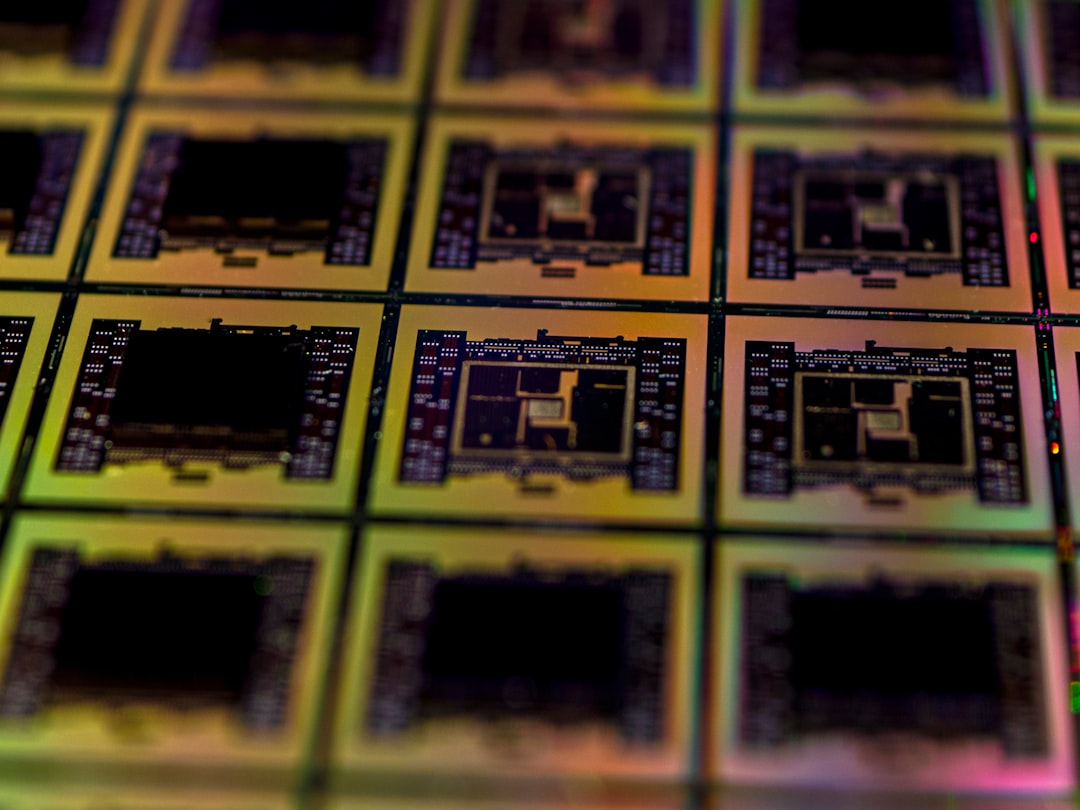
You’re shown the raw material: sand. Yes, ordinary sand, rich in silicon dioxide. The documentary meticulously traces the journey from this common element to the ultra-pure silicon wafers that form the foundation of our digital age. You learn about the incredibly complex processes involved in refining silicon to an astonishing degree of purity, a level where even a single misplaced atom can render a chip useless. This isn’t just chemistry; it’s metallurgy, physics, and engineering, all converging to create a perfect canvas for intricate circuitry. You see mesmerizing shots of massive ovens, molten silicon, and the controlled growth of massive silicon crystals, a process that feels almost alchemical in its precision. It’s a visual spectacle that underscores the sheer scale of effort involved before a single microchip can even be conceived.
The Alchemy of Doping: Adding the Electric Spark
You understand that pure silicon isn’t particularly good at conducting electricity. It needs a little nudge, a carefully orchestrated alteration. This is where the concept of doping comes in, and your documentary explains it with compelling analogies. You learn how introducing trace amounts of specific impurities – elements like phosphorus or boron – fundamentally changes silicon’s electrical properties. This doping process creates what are known as ‘n-type’ and ‘p-type’ semiconductors, the two fundamental types of materials that are then combined to create transistors. The visualizations are particularly striking here, showing you the atomic level, how these added impurity atoms create an excess of electrons or “holes” for electrons to occupy, thus controlling the flow of electricity. It’s a delicate dance of adding and removing, creating pathways for electrical signals to travel, or to be blocked, at will. You start to grasp how this seemingly simple act of adding a few atoms is the key to unlocking the electronic potential of silicon.
The Building Blocks of Brilliance: Diodes and Transistors Unveiled
The documentary then escalates from the fundamental materials to the fundamental components. You’re introduced to the diode, a simple semiconductor device that allows current to flow in only one direction. Think of it as a one-way valve for electricity. You see how this basic principle is used in various applications, from converting AC to DC power to protecting circuits from voltage spikes. But the real star of the show, the tiny titan that underpins all modern electronics, is the transistor. You’re shown how transistors act as electronic switches, capable of being turned on or off by an electrical signal. This is the binary language of computing – the 0 and the 1 – translated into physical reality. The documentary doesn’t shy away from the complexity, but through clear explanations and animated diagrams, you begin to understand how millions, even billions, of these tiny switches can be integrated onto a single chip, performing calculations at speeds that are almost incomprehensible.
If you’re interested in the fascinating world of semiconductors, you might want to check out a related article that delves deeper into the industry’s impact on technology and society. This article provides insights into the evolution of semiconductor technology and its critical role in shaping modern electronics. You can read more about it here: Semiconductor Innovations and Their Global Impact.
From Mega to Micro: The Art and Science of Chip Manufacturing
Stepping into the world of semiconductor fabrication is like entering a futuristic operating room, where cleanliness and precision are paramount. Your documentary transports you to the heart of these immaculate facilities, revealing the astonishingly complex and delicate processes that transform those carefully prepared silicon wafers into the brains of our devices. It’s a ballet of light, chemicals, and vacuum, performed on an atomic scale.
The Cleanroom Frontier: A World of Uncompromising Purity
You’re first struck by the sheer sterility of the cleanrooms. These aren’t just laboratories; they’re environments so devoid of contamination that even a single speck of dust could ruin an entire batch of chips. The documentary showcases workers encased in full-body suits, resembling astronauts preparing for a spacewalk, moving with deliberate grace to avoid disturbing the air. You learn about the rigorous protocols in place, the specialized air filtration systems, and the constant monitoring of the environment. This level of cleanliness isn’t an exaggeration; it’s an absolute necessity, as the features on a modern semiconductor chip are measured in nanometers, smaller than the wavelength of visible light. The documentary effectively conveys the immense challenge and dedication required to maintain such an environment, emphasizing that the very existence of the technology depends on this microscopic level of control.
Photolithography: Etching Circuits with Light
The process of transferring circuit designs onto the silicon wafer is a marvel of engineering. You’re introduced to photolithography, a technique that utilizes light to ‘print’ intricate patterns. The documentary explains how a mask, containing the blueprint of the chip, is used to expose a light-sensitive material (photoresist) on the wafer to ultraviolet light. You see elaborate machinery, resembling advanced projectors, precisely aligning the mask and the wafer. The exposed areas of the photoresist then either harden or become soluble, allowing the desired pattern to be etched into the underlying silicon layer. The visualisations are mesmerizing, as you see beams of light, seemingly impossibly thin, creating incredibly complex designs. It’s akin to a microscopic printing press, where the ink is a beam of light and the paper is a wafer of silicon.
Etching and Deposition: Sculpting the Silicon Landscape
Following photolithography, the wafer undergoes a series of etching and deposition steps. You learn that etching removes unwanted material, carving out the pathways for electrical signals, while deposition adds thin layers of other materials, such as metals, to create the conductive pathways and insulators. The documentary illustrates different types of etching, from wet etching using chemical solutions to dry etching using plasma. You witness the creation of intricate three-dimensional structures, layer by meticulous layer, as metals are deposited and patterned to connect the transistors. The animation here is particularly effective, showing you how the wafer transforms, with material being selectively added and removed, gradually building up the complex architecture of the integrated circuit. It’s a process that requires an astonishing amount of precision and control, a true testament to human mastery over materials.
Testing and Packaging: Ensuring Perfection Before Deployment
Even after manufacturing, the journey isn’t over. The documentary highlights the critical stages of testing and packaging. You see how each individual chip is subjected to rigorous electrical tests, ensuring that every transistor and every connection functions as intended. Chips that fail are immediately discarded – a testament to the unforgiving nature of semiconductor production. The survivors are then cut from the wafer, diced into individual chips, and encased in protective packaging. This packaging isn’t just for aesthetics; it provides the crucial electrical connections to the outside world and protects the delicate silicon die from physical damage. You see robotic arms delicately handling these minuscule components, a final stage of precision before they embark on their journey to power your devices.
The Human Element: The Geniuses Behind the Silicon Revolution

While the technology is dazzling, your documentary wisely shifts focus to the brilliant minds who conceived, developed, and continue to propel the semiconductor industry forward. You’re introduced to the pioneers, the innovators, and the teams of dedicated engineers and scientists whose relentless pursuit of knowledge and miniaturization has reshaped our world.
The Visionaries: From Invention to Industry
You’re taken back in time, to the groundbreaking discoveries that laid the foundation for everything you see today. The documentary might highlight key figures like William Shockley, John Bardeen, and Walter Brattain, the inventors of the transistor, and Robert Noyce, who played a pivotal role in developing the integrated circuit. You learn about their initial struggles, their moments of profound insight, and the sheer determination it took to turn theoretical concepts into practical realities. It’s inspiring to see how a few individuals, driven by curiosity and a desire to solve problems, could spark such a profound technological revolution. You understand that these weren’t just scientists; they were entrepreneurs and visionaries who saw the potential for these devices to transform society.
The Engineers and Scientists: The Unseen Architects of Tomorrow
Beyond the iconic figures, the documentary emphasizes the vast collaborative effort that defines the semiconductor industry. You encounter the contemporary engineers and scientists who are currently pushing the boundaries of what’s possible. You hear their stories, their passion for their work, and the challenges they face in developing even smaller, faster, and more energy-efficient chips. They might be working on new materials, advanced fabrication techniques, or innovative chip architectures. Their dedication and expertise are the engines that drive continuous innovation. You gain an appreciation for the immense teamwork involved, the specialization of roles, and the shared goal of advancing technology. It’s a reminder that behind every sophisticated device is a legion of highly skilled individuals.
The Ethical Considerations: Navigating the Future Responsibly
As the documentary progresses, it doesn’t shy away from the broader implications of semiconductor technology. You might see discussions about the environmental impact of manufacturing, the global supply chain complexities, and the societal effects of increasing automation and AI powered by these chips. The film wisely prompts you to consider the ethical dimensions of this powerful technology. It encourages you to think critically about how these advancements are used, the potential benefits and risks, and the responsibility that comes with such profound technological power. This thoughtful inclusion of ethical considerations elevates the documentary beyond a mere technical exposé, turning it into a more comprehensive and thought-provoking experience.
The Pervasive Impact: How Semiconductors Shape Your Daily Life
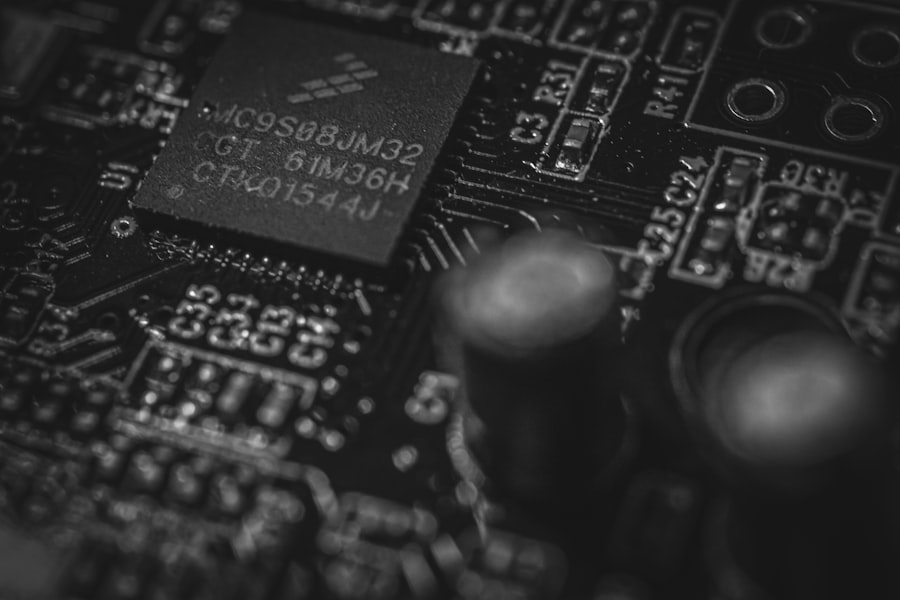
The final act of your documentary is a powerful reminder of just how deeply intertwined your life is with the world of semiconductors. It’s no longer an abstract concept; it’s the very fabric of your modern existence. You see tangible examples of how these tiny silicon wonders enable everything you do, from the mundane to the extraordinary.
Communication and Connectivity: Bridging the World
You witness how semiconductors are the linchpin of global communication. From the intricate chips within your smartphone that enable instantaneous calls and data transfer to the sophisticated routers and servers that form the backbone of the internet, semiconductors make it all possible. The documentary might showcase the advanced processors in satellites that facilitate global navigation and communication, or the underlying technology in your Wi-Fi router that keeps you connected to the digital world. You gain a profound appreciation for the invisible network that connects you to friends, family, and information across the globe, all thanks to the humble semiconductor.
Computing and Automation: The Rise of Intelligent Machines
The advent of powerful personal computers, laptops, and the explosion of cloud computing are all direct results of advancements in semiconductor technology. Your documentary will likely highlight the increasing computational power available, allowing for complex simulations, data analysis, and the development of artificial intelligence. You’ll see how semiconductors are the brains behind the robotics and automation that are transforming industries, from smart factories to autonomous vehicles. The film might present compelling sequences demonstrating how these chips enable sophisticated AI algorithms to learn and act, hinting at a future where intelligent machines play an even more integral role in our lives.
Entertainment and Beyond: Enriching Your World
From the graphics processors that render breathtaking virtual worlds in video games to the digital signal processors that deliver crystal-clear audio, semiconductors are integral to your entertainment experiences. But their impact extends far beyond leisure. You see how semiconductors are revolutionizing healthcare, powering advanced medical imaging devices, sophisticated diagnostic tools, and life-saving pacemakers. In scientific research, they enable breakthroughs in areas like climate modeling, drug discovery, and space exploration. The documentary paints a vivid picture of how these tiny components are not just facilitating your life; they are actively enriching it and expanding the horizons of human potential.
If you’re interested in the fascinating world of semiconductors, you might want to check out a related article that delves deeper into the history and impact of this technology. The article provides insights into how semiconductors have revolutionized various industries and shaped modern society. You can read more about it in this detailed exploration that complements the themes presented in the semiconductor documentary.
The Future Frontier: What Lies Ahead in the World of Semiconductors?
| Documentary Title | Release Year | Director | Runtime |
|---|---|---|---|
| Silicon Cowboys | 2016 | Jason Cohen | 77 minutes |
| Moore’s Law: The Life of Gordon Moore, Silicon Valley’s Quiet Revolutionary | 2015 | Mark A. Levinson | 53 minutes |
The journey doesn’t end with the current generation of chips. Your documentary concludes by looking ahead, offering glimpses into the exciting and potentially world-altering innovations that are on the horizon. You’re left with a sense of anticipation for what the future holds, as the relentless march of progress continues.
The Quest for Quanum: A New Paradigm
You might be introduced to the concept of quantum computing, a revolutionary approach that leverages the principles of quantum mechanics to perform calculations far beyond the capabilities of classical computers. The documentary could explain that while not strictly a semiconductor technology in the traditional sense, the underlying hardware and control systems will likely rely heavily on advanced semiconductor components and techniques. This is a glimpse into a future where problems currently considered intractable could be solved, leading to unprecedented advancements in fields like materials science, medicine, and artificial intelligence.
Novel Materials and Architectures: Beyond Silicon
The documentary might explore research into materials beyond silicon, such as graphene or novel compounds, that could offer even greater speed, efficiency, and new functionalities. You could also learn about innovative chip architectures, such as neuromorphic computing, which aims to mimic the structure and function of the human brain, or 3D chip stacking, which allows for greater integration and performance. This segment fosters a sense of ongoing discovery and the continuous evolution of the field.
The Enduring Importance: A Foundation for Progress
As the credits roll, you’re left with a profound understanding: semiconductors are not just a technology; they are a foundational element of modern civilization. They are the silent engines driving innovation, the invisible threads weaving together the digital and physical worlds. Your documentary has illuminated this complex, fascinating, and absolutely essential realm, leaving you with a newfound appreciation for the tiny marvels that power your life, and a keen anticipation for the equally remarkable advancements that are sure to come. You’ve witnessed a revolution etched in silicon, and you’re now a more informed observer, ready to witness its continued unfolding.

The Taiwan Strait: The Most Dangerous Place in the Global Economy
FAQs
What is a semiconductor?
A semiconductor is a material that has electrical conductivity between that of a conductor and an insulator. It can be used in electronic devices to control the flow of electrical current.
How are semiconductors used in technology?
Semiconductors are used in a wide range of electronic devices, including transistors, diodes, and integrated circuits. They are essential components in computers, smartphones, televisions, and many other modern technologies.
What is the history of semiconductors?
The development of semiconductors can be traced back to the early 20th century, with significant advancements made in the mid-20th century. The invention of the transistor in 1947 is considered a major milestone in the history of semiconductors.
What are some key players in the semiconductor industry?
Some of the key players in the semiconductor industry include Intel, Samsung, TSMC, Qualcomm, and NVIDIA. These companies are involved in the design, manufacturing, and distribution of semiconductor products.
What are the future prospects for the semiconductor industry?
The semiconductor industry is expected to continue growing as technology advances and demand for electronic devices increases. Emerging technologies such as artificial intelligence, 5G, and the Internet of Things are driving the demand for more advanced semiconductor products.