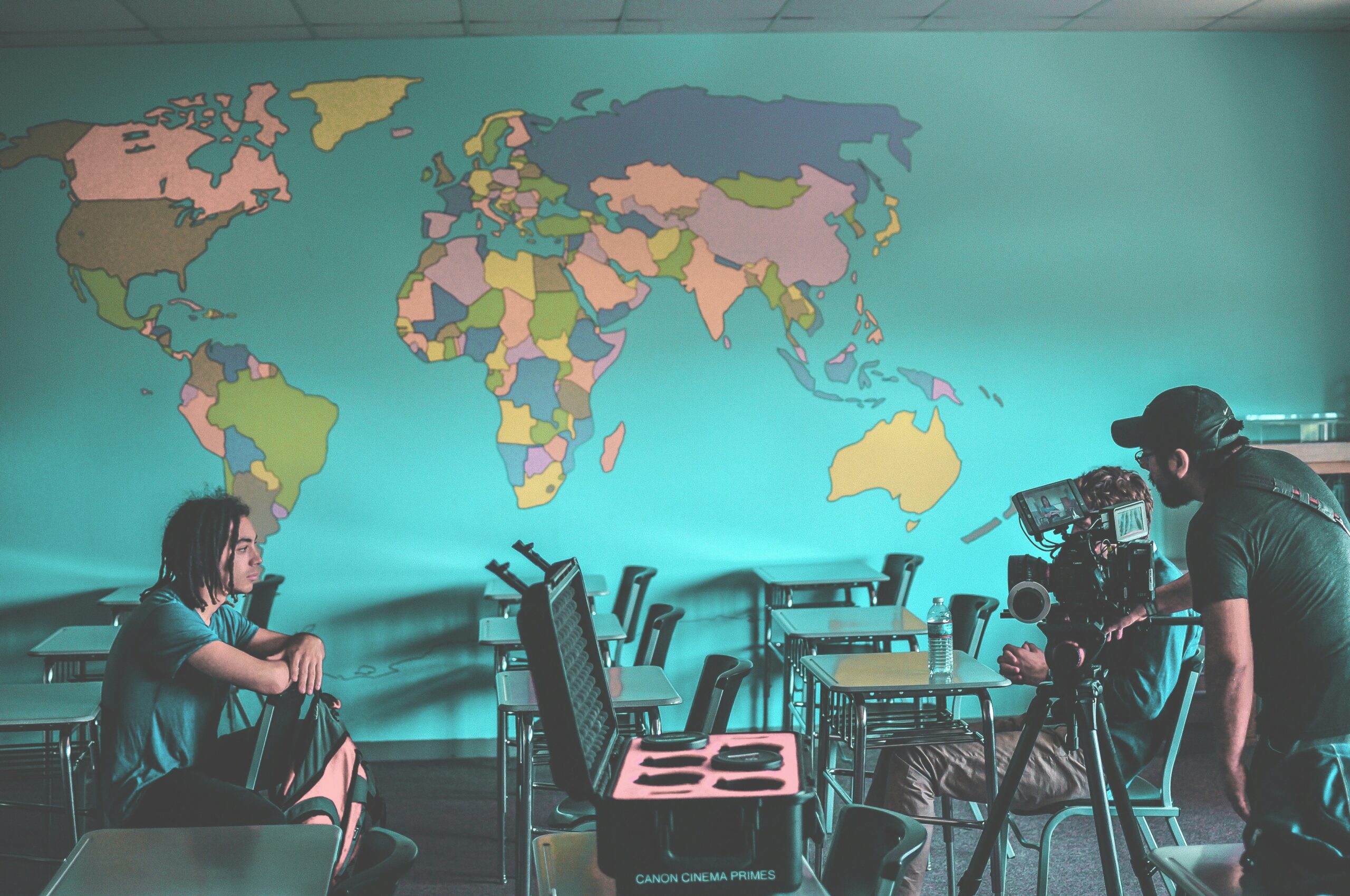
The human fascination with the Earth, its diverse landscapes, and its myriad cultures is a constant driving force behind our desire to explore and understand. While physical travel offers unparalleled sensory experiences, the world of geography documentaries provides a powerful and accessible gateway to this exploration. These visual narratives, crafted by dedicated filmmakers and scientists, transport viewers from the frozen peaks of the Himalayas to the vibrant depths of the Amazon rainforest, offering profound insights into our planet’s natural wonders, human adaptations, and the intricate web of life that connects us all. For those seeking to broaden their horizons and deepen their appreciation for the complex tapestry of our world, a curated selection of geography documentaries stands as an indispensable resource. This article delves into some of the most compelling and informative documentaries that illuminate the beauty, challenges, and sheer wonder of our planet.
Geography documentaries excel at capturing the raw power and breathtaking beauty of natural landscapes. They allow audiences to witness phenomena that might otherwise remain unseen, from the silent majesty of glacial erosion to the explosive fury of volcanic eruptions. These films often employ cutting-edge cinematography, utilizing aerial shots, time-lapse photography, and macro lenses to reveal details that even a direct observer might miss. The goal is not merely to document, but to immerse the viewer, fostering a sense of awe and wonder that translates into a deeper respect for the natural world.
The Majesty of Mountains: Peaks of the Planet
Few natural features inspire such awe and challenge as mountains. Documentaries focusing on these towering giants often explore their geological formation, the unique ecosystems they harbor, and the human endeavors to conquer them. Series like the BBC’s “Planet Earth” and “Our Planet” dedicate significant segments to the world’s mountain ranges, showcasing the incredible adaptations of flora and fauna that survive in these harsh environments. Viewers are treated to close-up encounters with snow leopards navigating treacherous cliffs, the vibrant bloom of alpine wildflowers after a long winter, and the sheer scale of ice formations that have shaped the landscape over millennia.
The focus extends beyond the natural elements to the human element as well. Many documentaries explore the lives of communities that have lived in mountainous regions for generations, their traditions, and their unique ways of life shaped by the altitude and the terrain. Stories of Sherpas guiding climbers up Everest, or remote Tibetan villages maintaining ancient agricultural practices, offer a human dimension to the grandeur of the mountains. The challenges of climate change are also increasingly a theme, as melting glaciers and altered weather patterns threaten these fragile ecosystems and the people who depend on them. These films underscore the interconnectedness of natural processes and human societies, emphasizing the need for conservation and careful stewardship.
The Call of the Ocean: Deep Blue Wonders
The oceans, covering over 70% of our planet’s surface, are a realm of mystery and immense biodiversity. Geography documentaries that venture into the underwater world offer a glimpse into an alien landscape teeming with life. From the sunlit coral reefs, vibrant with a kaleidoscope of colors and exotic fish, to the crushing darkness of the abyssal plains, where bizarre and fascinating creatures have evolved to survive extreme conditions, these films reveal a universe largely unseen by the average person.
The “Blue Planet” series, for instance, is a landmark achievement in underwater filmmaking. It takes viewers on a journey through every major ocean biome, showcasing everything from the hunting strategies of orcas to the intricate life cycles of plankton. The documentaries highlight the incredible diversity of marine life, revealing the delicate balance of these ecosystems and the crucial role they play in regulating the Earth’s climate. Beyond the sheer spectacle, these films often carry a powerful message about marine conservation. They illustrate the threats posed by pollution, overfishing, and climate change, urging viewers to consider their impact on this vital part of our planet. The challenges of deep-sea exploration, with its technological demands and the vastness of the unknown, are also often highlighted, underscoring the ongoing quest for knowledge in these remote frontiers.
Deserts and Dry Lands: Resilience in Aridity
Deserts are often perceived as barren wastelands, but geography documentaries reveal them to be extraordinarily resilient ecosystems, bursting with life adapted to extreme heat and scarcity of water. These films explore the geological processes that create deserts, from vast sand dunes sculpted by wind to ancient rock formations carved by erosion. They also showcase the remarkable tenacity of desert flora and fauna, revealing how plants store water, how animals find shade and conserve energy, and the intricate scavenger systems that ensure life can persist even in the harshest conditions.
Documentaries might feature the adaptations of camels that can survive for days without water, the nocturnal habits of desert foxes that hunt under the cloak of darkness, or the intricate social structures of meerkats surviving the Namib Desert. The human stories in desert environments are equally compelling, exploring the nomadic cultures that have traversed these landscapes for millennia, their survival strategies, and their deep connection to the land. The cultural heritage and artistic expressions born from these arid regions, often intertwined with storytelling and spiritual beliefs, add another layer of richness to these narratives. The ever-present threat of desertification, exacerbated by climate change and unsustainable land management, is also a prevalent theme, underscoring the importance of understanding and protecting these fragile biomes.
If you’re interested in exploring the fascinating world of geography through visual storytelling, you might want to check out our article on the best geography documentaries. This curated list highlights some of the most captivating films that delve into various aspects of our planet, from its diverse ecosystems to the cultures that inhabit them. For more information, visit this link to discover documentaries that will inspire your wanderlust and deepen your understanding of the world around you.
Exploring Human Ingenuity and Adaptation
Beyond the natural world, geography documentaries also profoundly explore the ways in which humans have adapted to and shaped their environments. These films offer a window into diverse cultures, societal structures, and the ingenious solutions that have emerged from human interaction with distinct geographical contexts. They illuminate the resourcefulness of communities living in challenging climates and the complex interplay between human needs and the natural resources available to them.
Living on the Edge: Extreme Environments and Human Survival
Some of the most compelling geography documentaries focus on communities that live in extreme environments, where survival itself is a testament to human resilience and adaptability. These films take viewers to the Arctic, where indigenous communities have thrived for centuries in sub-zero temperatures, relying on hunting and traditional knowledge. They might explore life in the dense rainforests, where tribes have learned to live in harmony with the teeming life and formidable challenges of the jungle. Or they might venture to remote islands, studying the unique cultures that have developed in isolation, their traditions shaped by the limited resources and specific ecological conditions.
Documentaries like “Human Planet” offered a global perspective on this theme, showcasing a breathtaking array of human adaptations across diverse geographical settings. Viewers witness the daring feats of cliff divers in Vanuatu, the intricate fishing techniques of communities in the Arctic, and the ingenious methods of water management in arid regions. These films often highlight the deep understanding of local ecosystems that these communities possess, a knowledge passed down through generations. They also underscore

Why Japan Can’t Build Another Tokyo
FAQs
What are some of the best geography documentaries available to watch?
Some of the best geography documentaries include “Planet Earth” and “Blue Planet” by BBC, “Our Planet” by Netflix, “Human Planet” by BBC, and “Wild China” by BBC.
What makes these geography documentaries stand out?
These documentaries stand out for their stunning cinematography, in-depth exploration of different geographical regions, and their focus on environmental conservation and the impact of human activity on the planet.
Where can I watch these geography documentaries?
These documentaries are available for streaming on platforms such as Netflix, Amazon Prime Video, and BBC iPlayer. They may also be available for purchase or rental on platforms like iTunes and Google Play.
Are there any educational benefits to watching geography documentaries?
Yes, watching geography documentaries can provide valuable insights into different ecosystems, cultures, and environmental issues. They can also help viewers develop a better understanding of the world around them and the importance of conservation.
Are there any other notable geography documentaries worth mentioning?
Other notable geography documentaries include “The Blue Planet II” by BBC, “Africa” by BBC, “Frozen Planet” by BBC, and “Life” by BBC. These documentaries also offer captivating insights into various geographical regions and the diverse wildlife that inhabits them.