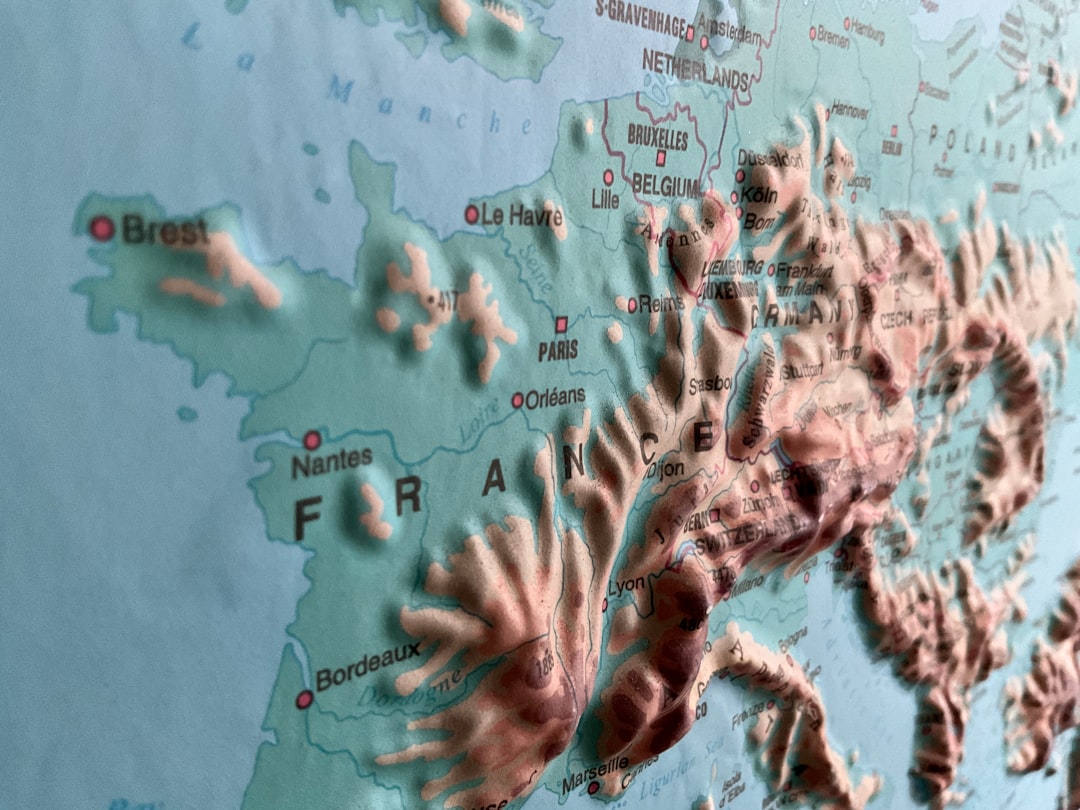
Exploring the World: An Educational Geography Documentary
The documentary series, “Exploring the World,” embarks on a grand pedagogical journey, inviting viewers to traverse the globe and delve into the intricate tapestry of our planet’s geography. Far more than a mere travelogue, this meticulously crafted series aims to illuminate the fundamental principles of geography, showcasing how human societies and the natural environment are inextricably linked. Through breathtaking cinematography, insightful expert interviews, and compelling human narratives, “Exploring the World” offers a comprehensive and engaging educational experience for audiences of all ages. The series systematically unpacks complex geographical concepts, transforming them into accessible and captivating stories that resonate long after the screen fades to black.
The inaugural segments of “Exploring the World” meticulously lay the groundwork by focusing on the foundational elements of Earth’s physical geography. This deep dive into the planet’s fundamental processes sets the stage for understanding the diverse landscapes and climatic zones that define our world. The series emphasizes that geography is not just about maps and borders but about the dynamic forces that shape our planet.
Tectonic Plates and the Sculpting of Continents
A significant portion of the early episodes is dedicated to the remarkable science of plate tectonics. Viewers are taken on a visual journey to witness the colossal movements of Earth’s lithospheric plates, the slow-motion ballet that over millions of years has sculpted the continents and oceans we know today. The documentary utilizes cutting-edge CGI to illustrate the powerful forces at play, from the creation of majestic mountain ranges like the Himalayas to the formation of deep ocean trenches and volcanic arcs. The series explains how plate boundaries, whether divergent, convergent, or transform, are responsible for much of the planet’s most dramatic geological activity. Expert geologists and geophysicists articulate the evidence that supports the theory of plate tectonics, including fossil distribution, seafloor spreading, and seismic activity. The narrative highlights how these seemingly imperceptible movements have profoundly influenced human history, dictating resource availability, population distribution, and even the propensity for natural disasters. The visual exploration of rift valleys, island arcs, and subduction zones provides tangible examples of these powerful geological processes.
The Water Cycle: A Lifeline for Earth
The documentary then pivots to explore the vital importance of the water cycle, often referred to as the hydrologic cycle. This section moves with a sense of awe at the continuous circulation of water across, above, and below the surface of the Earth. Viewers are treated to stunning aerial shots of vast oceans, intricate river systems, and ethereal ice caps. The series breaks down the cycle into its constituent parts: evaporation, transpiration, condensation, precipitation, and collection. It showcases how solar energy drives evaporation from oceans and landmasses, how plants release water vapor through transpiration, and how this vapor forms clouds that eventually release water back to the surface as rain, snow, or hail. The documentary goes beyond the basic mechanics to explore the critical role of water in shaping landscapes through erosion and deposition, as well as its fundamental importance to all forms of life. It delves into the regional variations in precipitation patterns, explaining the factors that lead to humid rainforests, arid deserts, and temperate grasslands. The impact of climate change on the water cycle, including increased evaporation, altered precipitation patterns, and the melting of glaciers, is also a crucial element of this segment, underscoring the interconnectedness of Earth’s systems.
Climate Zones and Their Defining Characteristics
Understanding the Earth’s diverse climate zones is paramount to grasping geographical variations, and “Exploring the World” excels in this regard. The series systematically categorizes climate regions based on temperature, precipitation, and prevailing atmospheric conditions. Cinematic sequences capture the essence of each zone: the searing heat and sparse vegetation of deserts, the lush biodiversity of tropical rainforests, the biting winds and frozen landscapes of polar regions, and the moderate conditions of temperate zones. Meteorologists and climatologists explain the underlying factors that create these distinct climates, including latitude, altitude, proximity to oceans, and ocean currents. The documentary illustrates how these climatic differences directly influence the types of ecosystems that can thrive in a region, the agricultural practices that are feasible, and the adaptations that human populations have developed to survive and prosper in their local environments. The impact of phenomena like the El Niño-Southern Oscillation (ENSO) on global weather patterns is also explored, demonstrating the interconnectedness of climate systems on a planetary scale.
In exploring the fascinating intersection of education and geography, you might find the article on My Geo Quest particularly enlightening. It delves into how geographical knowledge can enhance critical thinking and problem-solving skills among students. For more insights, you can read the full article here: My Geo Quest.
The Human Imprint: Cultural Geography and Societal Landscapes
Beyond the physical forces that shape the planet, “Exploring the World” delves into the profound ways in which human societies interact with and mold their environments. This section of the documentary series shifts focus to cultural geography, examining the diverse array of human settlements, traditions, and adaptations that characterize our global population.
Population Distribution and Migration Patterns
The series presents a fascinating exploration of global population distribution, highlighting the stark contrasts between densely populated urban centers and sparsely inhabited remote regions. Animated maps illustrate historical migration patterns, from the earliest human dispersals out of Africa to modern-day voluntary and forced migrations driven by economic, political, and environmental factors. Demographers and sociologists discuss the complex interplay of variables that influence population growth and density, including birth rates, death rates, access to resources, and government policies. The documentary visits communities in diverse settings, showcasing how different cultures have adapted to their environments and how these adaptations have, in turn, shaped the landscape. The impact of urbanization on resource consumption and environmental degradation is a significant theme, as is the ongoing challenge of equitable resource distribution and sustainable development in regions experiencing rapid population growth. The series uses compelling case studies to illustrate how population dynamics shape everything from infrastructure development to cultural traditions.
Cultural Landscapes: The Human Transformation of Nature
“Exploring the World” paints a vivid picture of cultural landscapes, demonstrating how human activities have indelibly marked the Earth’s surface. Viewers witness the architectural marvels of ancient civilizations, the meticulously planned agricultural terraces of mountainous regions, the sprawling metropolises of the modern era, and the vast networks of transportation that have shrunk distances. Cultural geographers explain how different societies have developed unique approaches to land use, shaped by their beliefs, values, technological capabilities, and economic needs. The documentary explores the impact of agricultural practices, from traditional farming methods to industrial-scale agriculture, on soil health, biodiversity, and water resources. It examines the evolution of urban planning and its consequences for the environment and human well-being. Furthermore, the series highlights the preservation and erosion of cultural landscapes in the face of globalization and modernization, emphasizing the importance of understanding and safeguarding this rich human heritage. The visual contrast between a pristine natural environment and one significantly altered by human intervention serves as a powerful reminder of our species’ transformative power.
The Geography of Beliefs and Traditions
A unique and captivating aspect of the series lies in its exploration of the geography of beliefs and traditions. “Exploring the World” moves beyond the tangible to examine how religious faiths, philosophical outlooks, and cultural traditions have shaped
settlement patterns, land use, and even the perception of sacred spaces. Viewers are transported to ancient pilgrimage sites, vibrant religious festivals, and unique cultural enclaves, witnessing firsthand how deeply ingrained beliefs can influence human interaction with the environment. Anthropologists and religious scholars discuss how different cultures perceive nature, their place within it, and their responsibilities to it. The documentary explores how sacred mountains, rivers, or forests hold spiritual significance for numerous communities and how these beliefs have often led to the preservation of these natural areas. It also examines how the diffusion of religious and cultural ideas has led to the spread of specific architectural styles, agricultural practices, and social norms across vast geographical distances. The series emphasizes that understanding the emotional and spiritual connections people have with their surroundings is crucial for comprehending the full spectrum of human geography.
Resources of Our World: Economic Geography and Sustainable Futures

The documentary series then transitions to the critical realm of economic geography, investigating how humanity utilizes and manages the planet’s finite resources, and critically, what the implications are for the future. This section highlights the intricate web of production, consumption, and trade that defines our global economy.
The Distribution and Exploitation of Natural Resources
“Exploring the World” provides an in-depth examination of the global distribution of natural resources, from fossil fuels and minerals to agricultural land and freshwater. The series showcases the geological formations that have concentrated these valuable resources in specific regions and the historical and contemporary processes of their extraction and exploitation. Economists and geologists discuss the economic and political factors that influence resource access and trade, including geopolitics, supply and demand, and the impact of technological advancements in extraction. The documentary visits active mining operations, sprawling agricultural fields, and vital water management systems, illustrating the scale and complexity of resource extraction. It also explores the environmental consequences of intensive resource exploitation, such as deforestation, pollution, and habitat destruction, laying the groundwork for discussions on sustainability. The visual contrast between resource-rich areas and the often-devastating environmental impact of extraction serves as a powerful educational tool.
The Geography of Trade and Globalization
The series unveils the intricate geography of global trade and the forces of globalization. Animated maps illustrate the complex supply chains that connect producers and consumers across continents, showcasing the movement of goods, capital, and information. Experts in international trade and economics explain the historical development of global trade networks, the role of international organizations, and the benefits and challenges associated with globalization, including economic interdependence, cultural exchange, and the potential for increased inequality. The documentary visits bustling ports, international airports, and modern manufacturing facilities, providing a tangible sense of the interconnectedness of the global economy. It explores how geographical factors, such as proximity to trade routes and access to labor, influence the location of industries. Critically, the series also addresses the environmental footprint of global trade, including the carbon emissions associated with transportation and the ethical considerations surrounding labor practices in different regions.
Towards a Sustainable Future: Balancing Growth and Conservation
The concluding segments of “Exploring the World” boldly address the imperative of achieving a sustainable future. This section moves beyond documenting problems to exploring innovative solutions and the geographical strategies necessary for balancing human development with environmental conservation. Environmental scientists, urban planners, and policymakers present diverse approaches to sustainable resource management, renewable energy development, and the creation of resilient communities. The documentary showcases successful examples of sustainable agriculture, eco-tourism initiatives, renewable energy projects, and urban planning that prioritizes green spaces and efficient transportation. It emphasizes the role of geographical knowledge in identifying vulnerable ecosystems, planning for natural disaster mitigation, and promoting equitable development. The series advocates for a paradigm shift in human interaction with the planet, highlighting the interconnectedness of environmental health, economic prosperity, and social well-being. The concluding message is one of hope and empowerment, underscoring that through informed understanding and collective action, a harmonious and sustainable future is achievable. The documentary leaves viewers with a profound sense of responsibility and the knowledge that geography is not just an academic subject but a vital tool for shaping a better world.
Mastering Our Planet: Cartography and Geographic Information Systems (GIS)

A crucial aspect of truly understanding and interacting with our planet lies in the tools and techniques used to represent and analyze its surface. “Exploring the World” dedicates specific episodes to the art and science of cartography and the power of Geographic Information Systems (GIS), demonstrating how these tools empower us to explore, understand, and manage our world.
The Evolution of Maps: From Ancient Charts to Digital Globes
The series begins by tracing the fascinating evolution of mapmaking, from the rudimentary charts of ancient civilizations to the sophisticated digital globes of today. Viewers are exposed to the historical development of projection techniques, the challenges of accurately representing a spherical Earth on a flat surface, and the philosophical shifts in how maps were conceived and utilized. Cartographers explain the iconic maps of history, such as the Ptolemaic map and the Mercator projection, highlighting their strengths and limitations. The documentary showcases how the invention of new tools, such as the astrolabe and the sextant, revolutionized navigation and led to more accurate cartographic representations. The visual journey includes examples of ancient maps etched on clay tablets, hand-drawn medieval maps, and the meticulously engraved charts of the Age of Exploration. This historical perspective underscores the enduring human desire to map and understand our surroundings, a fundamental aspect of geographical inquiry. The narrative emphasizes that maps are not merely passive representations but active tools that have shaped human exploration, trade, and political power.
Geographic Information Systems (GIS): A Modern Lens for Our World
The documentary series then transitions to the transformative power of Geographic Information Systems (GIS). Experts in GIS technology demonstrate how these sophisticated digital tools allow for the collection, storage, analysis, and visualization of vast amounts of geographically referenced data. Viewers are taken behind the scenes of GIS laboratories, witnessing how data layers representing topography, land use, population density, satellite imagery, and infrastructure are integrated to create dynamic and insightful maps. The series provides compelling case studies of GIS applications, such as urban planning for efficient service delivery, disaster management for predicting and responding to natural hazards, environmental monitoring for tracking deforestation or pollution, and resource management for optimizing agricultural yields or water distribution. Geographers and GIS specialists explain the underlying principles of spatial analysis, demonstrating how GIS can reveal patterns, relationships, and trends that might otherwise remain hidden. The visual output of GIS – from thematic maps showing disease prevalence to 3D models of urban environments – offers a powerful and intuitive way to understand complex spatial issues. The documentary emphasizes that GIS is not just a technical tool but a critical methodology for informed decision-making in a world increasingly reliant on spatially explicit information.
The Future of Mapping: Big Data and Unmanned Aerial Vehicles (UAVs)
Looking towards the future, “Exploring the World” explores the cutting edge of cartography and geographic data collection, focusing on the increasing role of Big Data and Unmanned Aerial Vehicles (UAVs), commonly known as drones. The series highlights how the exponential growth of data from sources like social media, GPS devices, and remote sensing technologies is revolutionizing our ability to understand the Earth. GIS analysts explain how Big Data, when properly analyzed and visualized, can provide unprecedented insights into human behavior, environmental changes, and urban dynamics. Furthermore, the documentary showcases the versatility of UAVs as powerful tools for high-resolution aerial mapping, site-specific surveys, and environmental monitoring. Viewers witness drones capturing detailed imagery of remote areas, surveying infrastructure projects, and even assisting in search and rescue operations. Geographers discuss the potential for combining Big Data and UAVs to create more dynamic, accurate, and detailed geographical representations than ever before. This forward-looking perspective underscores that the field of geography is constantly evolving, driven by technological innovation and an ever-growing need to comprehend and manage our complex planet.
In exploring the fascinating world of educational geography documentaries, one can gain a deeper understanding of how our planet’s landscapes and cultures shape human experiences. A related article that delves into this subject is available at MyGeoQuest, where you can discover various resources and insights that enhance the learning experience in geography. This platform offers a wealth of information that complements the visual storytelling found in documentaries, making it an excellent resource for educators and students alike.
Understanding Our Interconnected Planet: Global Challenges and Cooperative Solutions
| Documentary Title | Release Year | Director | Running Time |
|---|---|---|---|
| Planet Earth | 2006 | Alastair Fothergill | 60 minutes per episode |
| Life | 2009 | Martha Holmes | 60 minutes per episode |
| Our Planet | 2019 | Alastair Fothergill | 50-60 minutes per episode |
In its final thematic arc, “Exploring the World” brings together the threads of physical and human geography to address the most pressing global challenges of our time. This section emphasizes the interconnectedness of our planet and the necessity of international cooperation to find effective and sustainable solutions.
The Urgency of Climate Change: A Global Geographical Phenomenon
The documentary dedicates significant attention to the multifaceted nature of climate change, framing it as a fundamentally geographical phenomenon. Scientists and climatologists explain the causes and consequences of global warming, illustrating how altered atmospheric conditions are impacting weather patterns, sea levels, and ecosystems across the globe. The series showcases the geographical distribution of climate change impacts, from rising sea levels threatening coastal communities and island nations to increased frequency and intensity of extreme weather events like hurricanes, droughts, and wildfires in various regions. The impact of melting glaciers and ice caps on global sea levels and freshwater availability is visually demonstrated, highlighting the far-reaching consequences of these localized changes. The documentary also explores the geographical variations in vulnerability to climate change, with developing nations often being disproportionately affected despite contributing the least to its causes. This segment underscores that climate change is not a localized issue but a global challenge requiring a unified geographical response.
Biodiversity Loss and Ecosystem Fragility
“Exploring the World” turns its gaze to the critical issue of biodiversity loss and the fragility of Earth’s ecosystems. Ecologists and conservationists guide viewers through diverse biomes, highlighting the incredible variety of life that inhabits our planet and the threats it faces. The series explores how human activities, including habitat destruction, pollution, and invasive species, are leading to the extinction of countless species at an alarming rate. The documentary presents case studies of threatened and endangered species and the ecological roles they play, emphasizing that the loss of biodiversity can have cascading effects on entire ecosystems. The impact of deforestation on tropical rainforests, the degradation of coral reefs due to ocean acidification, and the impact of agricultural expansion on grassland habitats are vividly portrayed. The series stresses that the health of biodiversity is directly linked to the health of the planet and the well-being of human societies, which rely on functioning ecosystems for essential services like clean air, water, and food. The geographical distribution of biodiversity hotspots and the regions most affected by its decline are crucial elements of this exploration.
Global Cooperation for a Resilient Earth
The culminating message of “Exploring the World” is one of hope and necessity for global cooperation. The documentary series compellingly argues that the interconnected nature of our planet means that no single nation can effectively address the complex challenges we face. Experts in international relations, environmental policy, and sustainable development discuss the frameworks and initiatives that promote collaboration on issues such as climate change mitigation, resource management, disaster response, and the preservation of biodiversity. The series highlights successful examples of international partnerships, such as climate accords, conservation treaties, and humanitarian aid efforts, showcasing how coordinated action can lead to tangible positive outcomes. Viewers are exposed to the complexities of international negotiations but also the profound potential for collective action. The documentary emphasizes that a deep understanding of geography – of how different regions are uniquely impacted by global issues and how diverse cultures can contribute to solutions – is fundamental to fostering effective international cooperation. The final sequences inspire viewers to see themselves as global citizens, empowered by geographical knowledge to advocate for and participate in the creation of a more resilient and sustainable future for all. The series concludes not with despair, but with a call to action, rooted in the understanding that our shared planet demands shared responsibility.

The Water Beneath America’s Breadbasket
FAQs
What is an educational geography documentary?
An educational geography documentary is a film or video series that explores various geographical concepts, such as climate, landforms, ecosystems, and human geography, with the goal of educating viewers about the world around them.
What are the benefits of watching educational geography documentaries?
Watching educational geography documentaries can help viewers gain a better understanding of the world’s diverse landscapes, cultures, and environments. It can also promote environmental awareness and a sense of global citizenship.
Where can I find educational geography documentaries?
Educational geography documentaries can be found on streaming platforms, educational websites, and through educational institutions. Many documentaries are also available for purchase or rental through online retailers.
What are some popular educational geography documentaries?
Some popular educational geography documentaries include “Planet Earth” and “Blue Planet” by the BBC, “Our Planet” on Netflix, “Human Planet” by the BBC, and “Life” by the BBC.
How can educational geography documentaries be used in the classroom?
Educational geography documentaries can be used as teaching tools in the classroom to supplement geography lessons, spark discussions, and provide real-world examples of geographical concepts. They can also be used to inspire students to explore and appreciate the world around them.