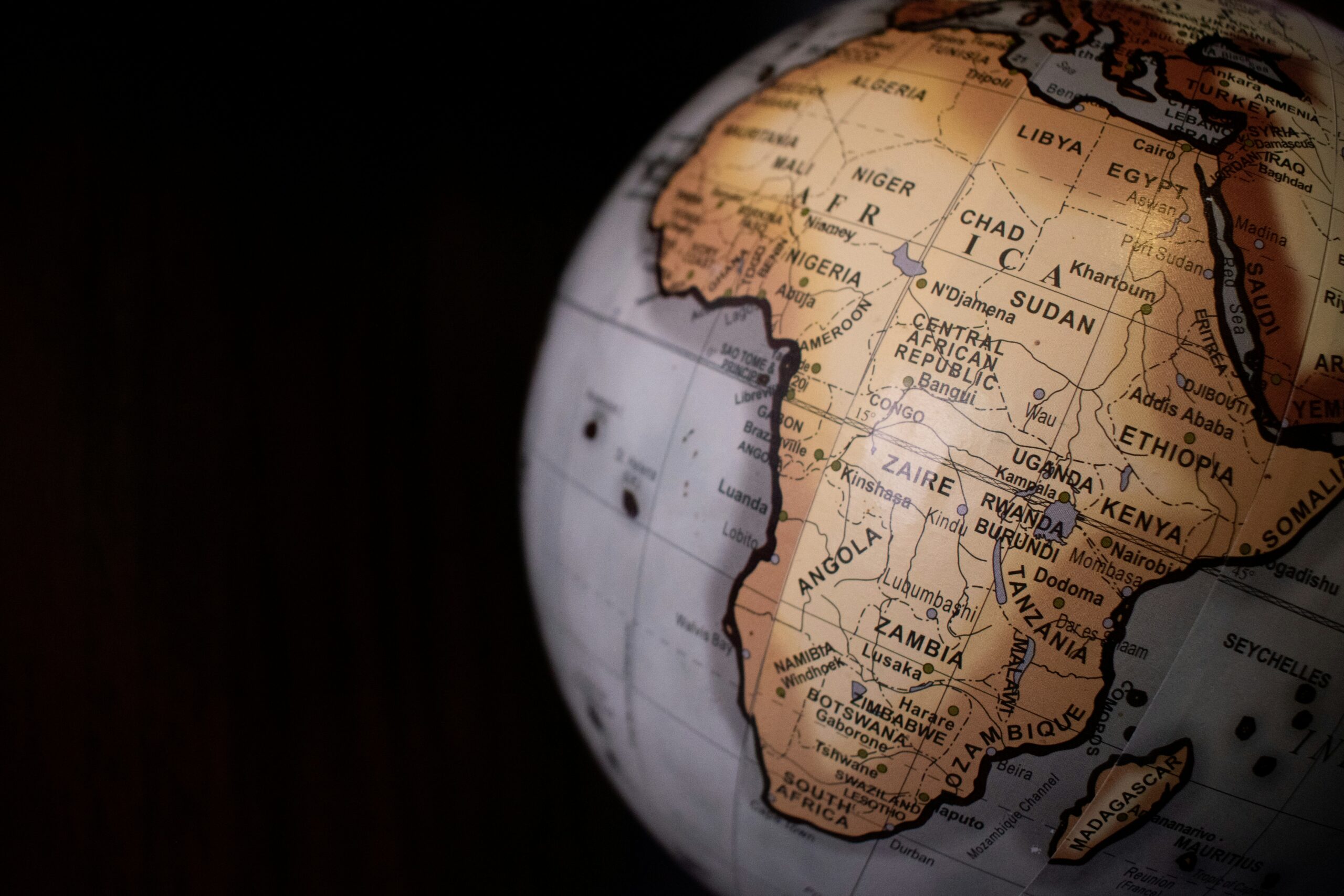
The vast tapestry of our planet, from its deepest oceanic trenches to its most remote mountain peaks, has long captivated the human imagination. In its recent foray into this inexhaustible subject, a compelling collection of documentaries, broadly encompassed by the spirit of “Exploring Our World,” invites viewers on an unprecedented journey of discovery. While no single film bears the exact title, the cumulative effect of these productions, spearheaded by cinematic powerhouses like National Geographic and amplified on platforms such as Disney+, evokes a shared ambition: to redefine our understanding of Earth and its inhabitants. These are not mere travelogues; they are meticulously crafted narratives that blend breathtaking cinematography with cutting-edge scientific inquiry, offering a fresh perspective on the world we inhabit. As of June 2026, the landscape of geographical documentaries has been invigorated with a series of releases that push the boundaries of exploration and storytelling, presenting a vibrant and evolving chronicle of our planet’s most remarkable features.
If you’re interested in exploring the fascinating intersections of education and geography, you might find the article on MyGeoQuest particularly enlightening. It delves into how geographical knowledge can enhance educational practices and promote a deeper understanding of our world. You can read more about this topic in the article here: MyGeoQuest.
The Vanguard of Discovery: New Horizons in Exploration
The latest offerings in the “Exploring Our World” umbrella are particularly notable for their bold forays into previously uncharted territories, both geographically and thematically. This commitment to pushing the frontiers of knowledge is evident in the diverse range of subjects tackled, from the echoes of ancient civilizations to the visceral realities of natural phenomena and the intricate beauty of the natural world. The documentary makers behind these productions have demonstrated an adeptness at harnessing the power of immersive storytelling, often pairing seasoned explorers with innovative technologies to bring viewers closer to the action than ever before.
Unearthing Lost Civilizations: Echoes of the Past
A significant thread running through the recent “Exploring Our World” content is the quest to uncover the remnants of human history, hidden beneath the sands of time or buried within dense jungles. These expeditions are not just archaeological digs; they are narrative journeys that piece together the lives and legacies of peoples long gone, providing invaluable insights into the development of human societies and their interactions with their environments.
“Lost Cities with Albert Lin”: A Technological Odyssey
The acclaimed series “Lost Cities with Albert Lin” stands as a testament to this focus. Albert Lin, a renowned explorer and scientist, employs cutting-edge technologies such as LiDAR (Light Detection and Ranging) to penetrate dense foliage and reveal the ruins of ancient settlements that have remained concealed for centuries. The documentary’s exploration of Colombia, Jordan, and Peru, for instance, showcases the ingenious engineering and sophisticated societal structures of civilizations that once flourished in these regions. Viewers are transported to the heart of these archaeological investigations, witnessing firsthand Lin’s meticulous process of discovery, from the initial scans to the painstaking excavation and interpretation of findings. The series effectively bridges the gap between the academic pursuit of archaeology and the public’s fascination with the mysteries of the past, making history tangible and thrilling.
“The Explorers: A Century of Discovery”: Honoring the Pioneers
Complementing the contemporary explorations of lost cities, the documentary “The Explorers: A Century of Discovery” shifts its gaze to the historical figures who laid the groundwork for modern geographical understanding. This film profiles the intrepid individuals who, often with rudimentary tools and immense courage, charted unknown lands, navigated treacherous seas, and expanded the world’s geographical knowledge. By revisiting the journeys of these pioneering figures, the documentary not only educates viewers about their achievements but also reflects on the evolving nature of exploration itself, from the era of grand expeditions to the data-driven scientific endeavors of today. It serves as a powerful reminder of the human drive to venture beyond the familiar, a force that continues to propel discovery.
The Majesty of Nature: Earth’s Grand Spectacles
Beyond the realm of human history, “Exploring Our World” delves deeply into the awe-inspiring forces and breathtaking landscapes that define our planet’s natural character. These programs are characterized by their stunning visual artistry, capturing the raw power and delicate beauty of the Earth’s most iconic locations and phenomena.
“David Attenborough Explores Earth’s Greatest Wonders”: A 4K Spectacle
The 2026 release, “David Attenborough Explores Earth’s Greatest Wonders,” is a landmark achievement in nature documentary filmmaking. Filmed in breathtaking 4K resolution, this production takes viewers on a visual pilgrimage to the planet’s most extraordinary natural marvels. Sir David Attenborough’s distinctive narration guides audiences through a panorama of geological spectacles, from colossal mountain ranges and vast deserts to vibrant coral reefs and ancient forests. The documentary prioritizes showcasing the immense scale and intricate details of these wonders, employing advanced drone videography and macro lenses to offer unparalleled perspectives. It is a celebration of Earth’s inherent artistry, reminding viewers of the profound beauty and ecological significance of these irreplaceable natural treasures. The emphasis on visual fidelity ensures an immersive experience, allowing the grandeur of the planet to truly envelop the viewer.
“New Zealand: Welcome and Wonder”: A Cultural and Natural Immersion
The “Exploring Our World” collection also offers a deep dive into specific regions, fostering a richer understanding of their unique geographical and cultural identities. “New Zealand: Welcome and Wonder” exemplifies this approach, providing an intimate portrait of the island nation. The documentary immerses viewers not only in New Zealand’s dramatic landscapes – its snow-capped mountains, pristine coastlines, and lush rainforests – but also in the rich tapestry of Māori culture. It explores the deep spiritual connection between the indigenous people and their land, weaving together stories, traditions, and ancient knowledge with the contemporary lives of its inhabitants. The narrative highlights how the unique geography of New Zealand has shaped its culture and vice versa, offering a holistic perspective on a land of extraordinary natural beauty and profound cultural heritage.
Scientific Frontiers: Understanding Our Dynamic Planet

A crucial aspect of modern geographical documentaries is their engagement with scientific discovery, illustrating how our understanding of Earth is constantly being refined by new data and groundbreaking research. The “Exploring Our World” series consistently features advancements that are reshaping our comprehension of geological processes and historical ecological shifts.
Unraveling Earth’s Power: From Tsunamis to Ancient Ecosystems
The recent surge in scientific documentaries within the “Exploring Our World” framework highlights the dynamic nature of our planet and the ongoing efforts to understand its most powerful forces, as well as the deep history of its life forms. These programs bring complex scientific concepts to life, making them accessible and engaging for a broad audience.
The Pacific-Wide Tsunami: A Satellite’s Eye View
A particularly compelling scientific narrative featured in recent programming addresses the immense power of seismic activity and its cascading effects. The documentation of a Pacific-wide tsunami, triggered by a magnitude 8.8 Kamchatka earthquake, offered scientists an unprecedented opportunity. For the first time, detailed satellite views of a major tsunami in motion were captured and analyzed. This documentary insight into the event allowed researchers to gain a far more granular understanding of tsunami propagation, wave dynamics, and impact zones. It demonstrated the crucial role of advanced monitoring technologies in both predicting and mitigating the devastating consequences of such natural disasters, underscoring the interconnectedness of geophysical events across vast oceanic distances and the vital importance of ongoing scientific observation.
The Million-Year-Old Time Capsule: A Glimpse into Prehistory
In a discovery that rewrites chapters of evolutionary history, the unearthing of a million-year-old time capsule in a New Zealand cave has provided an extraordinary window into the past. This incredible find, featured in “Exploring Our World” documentaries, comprises fossils of a lost ecosystem, offering a pristine snapshot of life as it existed a millennium ago. One of the most significant aspects of this discovery is the potential link to a flying ancestor of the kākāpō, a critically endangered flightless parrot native to New Zealand. This revelation has immense implications for our understanding of avian evolution and the biogeographical history of Oceania. The intricate details preserved within the cave, from plant life to insect remains, allow scientists to reconstruct environmental conditions and ecological relationships of a bygone era, providing invaluable data for conservation efforts and evolutionary biology.
Culinary Expeditions and Historical Quests: Diverse Encounters with the World

The “Exploring Our World” collection is not solely focused on dramatic landscapes and scientific breakthroughs; it also embraces the rich diversity of human experience, including the integral role of food and the enduring allure of historical mysteries. These programs demonstrate that exploration can take many forms, encompassing the cultural significance of cuisine and the thrill of unraveling long-standing enigmas.
Food, Culture, and Treasure: Uncovering Deeper Meanings
The recent additions to the “Exploring Our World” series reflect a broader interpretation of what constitutes geographical exploration, extending into the realms of gastronomy and the pursuit of legendary artifacts. These documentaries reveal how food and historical quests are deeply interwoven with the fabric of different cultures and geographic locations.
“Gordon Ramsay: Uncharted Showdown”: A Gastronomic Adventure
Chef Gordon Ramsay’s foray into the world of culinary exploration, “Gordon Ramsay: Uncharted Showdown,” offers a unique perspective on geographical discovery. This series sees Ramsay venturing into diverse and often remote regions of the UK and beyond, not just to savor local delicacies but to understand the deep cultural roots of the food he encounters. He immerses himself in local communities, learning about traditional farming, fishing, and cooking techniques passed down through generations. The “Showdown” element adds a competitive edge, as Ramsay often collaborates with local chefs or home cooks, pushing his own culinary boundaries while celebrating the authentic flavors of each region. It’s a testament to how food acts as a powerful cultural ambassador, connecting people to their land and their heritage.
“Ultimate Treasure Countdown”: The Allure of Lost Riches
The pursuit of legendary treasures and the uncovering of historical secrets remain a perennially fascinating aspect of exploration. The “Ultimate Treasure Countdown” documentary, for instance, taps into this inherent human curiosity by focusing on the stories surrounding figures like Cleopatra and the remains of King Tut. This program likely delves into the historical contexts of these ancient Egyptian rulers, exploring the legends of their lost tombs, hidden wealth, and the ongoing efforts by archaeologists and historians to piece together the definitive narratives surrounding their lives and deaths. Such documentaries capture the public imagination by blending historical fact with the enduring romance of buried treasure and the thrill of solving ancient mysteries, all set against the evocative landscapes of Egypt.
In exploring the fascinating intersections of education and geography, the documentary “Mapping Our World” provides an insightful look into how geographical knowledge shapes our understanding of global issues. This engaging film not only highlights the importance of geography in education but also emphasizes the role of technology in enhancing geographical literacy. For those interested in delving deeper into this topic, a related article can be found at My Geo Quest, which discusses innovative teaching methods that incorporate geographical concepts into various subjects.
Looking Ahead: The Ever-Expanding Map of Exploration
| Documentary Title | Release Year | Director | Running Time |
|---|---|---|---|
| Planet Earth | 2006 | Alastair Fothergill | 60 minutes per episode |
| Life | 2009 | Martha Holmes | 60 minutes per episode |
| Our Planet | 2019 | Alastair Fothergill | 50-60 minutes per episode |
The continued success and expansion of the “Exploring Our World” initiative, driven by a commitment to innovation and a broad scope of subjects, suggest that the future of geographical documentaries is exceptionally bright. With new seasons, titles, and thematic explorations consistently emerging, the very definition of what it means to “explore the world” is being continually redefined, offering audiences a dynamic and ever-present invitation to witness the planet’s wonders.
Anticipating Future Journeys: A Glimpse at Upcoming Titles
The pipeline of documentaries under the “Exploring Our World” banner promises to keep viewers engaged and enlightened for years to come. The consistent release of high-quality content ensures that the spirit of exploration remains vibrant and accessible.
Established Favorites and New Ventures: A Diverse Slate
The mention of titles like “Love+War” (2025) and “Lost in the Jungle” (2025) suggests a continued focus on diverse narrative threads, potentially exploring historical conflicts and the challenges of survival in remote wildernesses. “Destination WILD” (2024) clearly indicates a commitment to showcasing the planet’s biodiversity, while “Untamed with Filipe DeAndrade” (Essential viewing for Costa Rica wildlife) highlights specific regional wildlife encounters, offering deep dives into the unique ecosystems of particular locales. The continued dedication to bringing viewers stories from both the known and the unknown corners of the globe, from the depths of the Amazon to the intricacies of human history and the marvels of the natural world, ensures that “Exploring Our World” will remain a cornerstone of geographical storytelling for the foreseeable future. The engagement with established hosts and the introduction of new scientific and narrative approaches signifies a dynamic and evolving commitment to understanding and appreciating our planet in all its complexity.

Why Russia Can Never Feel Safe
FAQs
What is an educational geography documentary?
An educational geography documentary is a film or video series that explores various geographical concepts, such as climate, landforms, ecosystems, and human geography, with the goal of educating viewers about the world around them.
What are the benefits of watching educational geography documentaries?
Watching educational geography documentaries can help viewers gain a better understanding of the world’s diverse landscapes, cultures, and environments. It can also promote environmental awareness and a sense of global citizenship.
Where can I find educational geography documentaries?
Educational geography documentaries can be found on streaming platforms, educational websites, and through educational institutions. Many documentaries are also available for purchase or rental through online retailers.
What are some popular educational geography documentaries?
Some popular educational geography documentaries include “Planet Earth” and “Blue Planet” by the BBC, “Our Planet” on Netflix, “Human Planet” by the BBC, and “Life” by the BBC.
How can educational geography documentaries be used in the classroom?
Educational geography documentaries can be used as teaching tools in the classroom to supplement geography lessons, spark discussions, and provide real-world examples of geographical concepts. They can also be used to inspire students to explore and appreciate the world around them.