## The Panj River: A Lifeline Through Rugged Landscapes
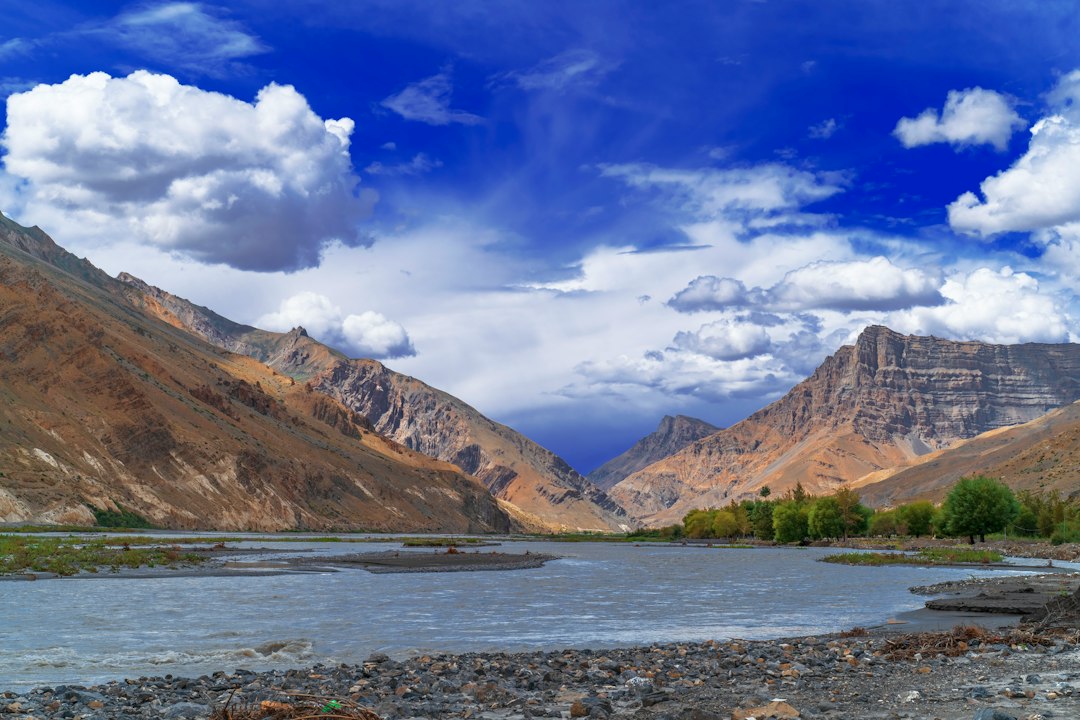
The Panj River, a formidable waterway born from the confluence of several upstream rivers in the Pamir Mountains, carves a dramatic path through the heart of Central Asia. This mighty river, often referred to as the upper course of the Amu Darya, forms a significant portion of the border between Tajikistan and Afghanistan. Its journey is not merely geographical; it is a tapestry woven with threads of raw, untamed nature and the enduring spirit of cultures that have thrived along its banks for millennia. The sheer scale of its basin, characterized by towering peaks, deep gorges, and fertile valleys, dictates the rhythm of life, shaping both the environment and the human endeavors within its influence. From its glacial origins, where ice and rock dominate, to its more temperate lower reaches, the Panj exhibits a breathtaking diversity of ecosystems.
### The Glacial Cradle and Upper Reaches
The Panj’s genesis lies high in the Pamirs, a region known as the “Roof of the World.” Here, vast glaciers and snowfields feed its nascent streams. The climate is harsh, with extreme temperatures and a short growing season, fostering unique alpine flora and fauna adapted to these challenging conditions. The initial flow of the Panj is characterized by its turbulent nature, a torrent of meltwater rushing through narrow, V-shaped valleys. The landscape is starkly beautiful, dominated by scree slopes, moraines, and the occasional hardy alpine meadow. The presence of ancient rock formations and evidence of glacial erosion are testaments to the immense geological forces that have shaped this region over eons. The isolation of these upper reaches has preserved a pristine wilderness, a sanctuary for species like the Marco Polo sheep, ibex, and various birds of prey.
### The Formation of the Bartang-Panj Corridor
As the Panj descends, it encounters the Bartang River, another significant tributary originating in the Pamirs, and together they form a more expansive river system, often referred to as the Bartang-Panj corridor. This confluence marks a point where the river begins to widen, though it still flows through impressive gorges and canyons. The surrounding topography shifts, with steeper slopes giving way to more accessible valleys in places. The sheer power of the water is evident in the smooth, polished rocks along its banks and the deep pools that punctrate its course. This region is a natural haven, its remoteness acting as a shield against extensive human development. The river’s consistent flow, fed by glacial melt, provides a vital water source for the ecosystems it traverses.
### Riverine Ecosystems and Biodiversity
The Panj River and its immediate surroundings foster a rich biodiversity, a testament to the resilience of life in this often-demanding environment. The river itself supports a variety of fish species, adapted to its cold, fast-flowing waters. Along its banks, a mosaic of vegetation thrives. In the higher altitudes, hardy grasses, sedges, and dwarf shrubs dominate. As the elevation decreases and water becomes more abundant, willow groves, poplars, and other riparian species emerge. These provide crucial habitats for a range of wildlife, including various bird species that nest in the reeds and trees, and mammals that forage for vegetation or prey on smaller animals. The presence of water also attracts a greater diversity of insects, which form the base of the food web for many of the river’s inhabitants. The ecological balance within the Bartang-Panj corridor is delicate, heavily influenced by the river’s flow and the surrounding mountain climate.
The Bartang Panj river corridor is a stunning region that showcases the breathtaking beauty of the Pamir Mountains and the rich cultural heritage of the local communities. For a deeper understanding of this unique area, you can explore a related article that discusses the geographical significance and ecological diversity of the Bartang Valley. To read more about it, visit this article.
## Cultural Tapestry Along the Panj

The Bartang-Panj River corridor is not merely a natural wonder; it is a cradle of human history and culture. For centuries, distinct communities have adapted to the challenges and opportunities presented by this rugged landscape, developing unique traditions, languages, and ways of life. The river has served as both a barrier and a connector, influencing settlement patterns, trade routes, and cultural exchange. The remote valleys and high mountain passes have fostered a sense of self-reliance and strong community bonds among the peoples who call this region home. Their resilience and deep connection to the land are palpable, evident in their customs, architecture, and artistic expressions.
### The Pamiri Peoples and Their Unique Heritage
In the high Pamir valleys, particularly in Tajikistan, the Pamiri peoples have carved out a distinctive existence. Their linguistic heritage, belonging to the Eastern Iranian languages, sets them apart from their Tajik neighbors. Their traditional music, characterized by polyphonic singing and distinctive instruments like the rubab and the setar, is a vital part of their cultural identity. The Pamiri people are renowned for their historical villages, often built into the hillsides with flat roofs, designed to withstand the harsh mountain climate. Their spiritual beliefs, a syncretic blend of ancient Zoroastrianism and Ismaili Islam, have shaped their social structures and worldview. Their traditional agricultural practices, focused on terraced farming and animal husbandry, are intricately linked to the river’s water sources and the limited arable land available.
### Settlements and Traditional Lifestyles
The settlements along the Panj are often nestled in fertile valleys or along its tributaries, where water is accessible for irrigation and life is more manageable. Villages are typically small and close-knit, reflecting the challenging terrain that limits large-scale urbanization. Traditional homes, constructed from local materials like stone, mud, and timber, are designed to blend with the environment and provide insulation against extreme temperatures. Lifestyles are often subsistence-based, with an emphasis on agriculture, particularly the cultivation of barley, wheat, and apricots, and herding of sheep, goats, and yaks. The river itself plays a crucial role, not only for irrigation but also for fishing and transportation in some areas, albeit with challenges posed by its swift currents. The rhythm of life is deeply connected to the seasons, with agricultural activities dominating the warmer months and more indoor pursuits and crafts during the long, cold winters.
### Historical Crossroads and Cultural Exchange
The Panj River corridor has historically served as a conduit for trade and cultural exchange, despite its geographical isolation. Ancient caravan routes, precursors to modern trails, traversed these mountains, connecting communities and facilitating the movement of goods and ideas. The Silk Road, in its various iterations, undoubtedly influenced the region, bringing diverse influences that are still discernible in the art, architecture, and customs of the local populations. The presence of historical fortresses and watchtowers along the riverbanks hints at periods of conflict and strategic importance. While the river itself can be a formidable obstacle, it has also served as a natural pathway, connecting disparate communities and fostering a shared cultural heritage, even across the border with Afghanistan. This exchange has resulted in a rich mosaic of traditions, languages, and artistic expressions, making the Bartang-Panj corridor a fascinating study in human adaptation and cultural resilience.
## Navigating the Bartang-Panj Corridor: Challenges and Opportunities
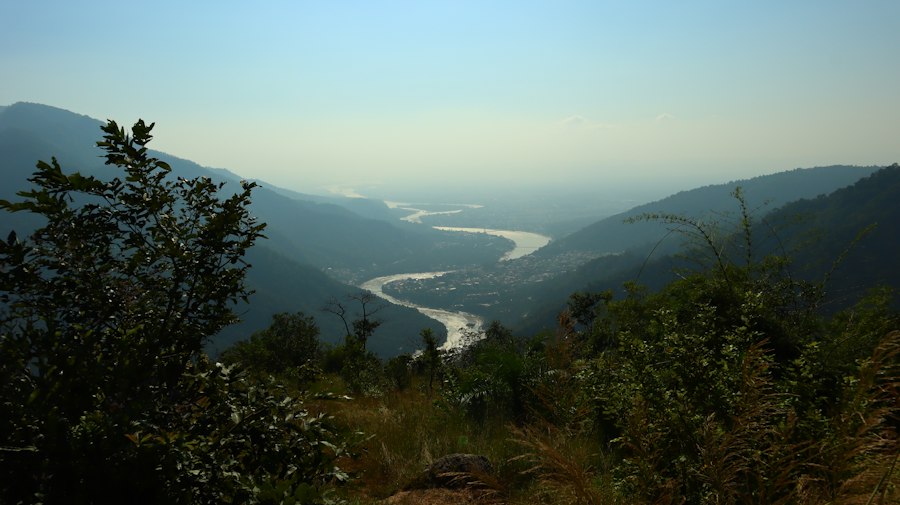
The Bartang-Panj River corridor presents a unique set of challenges and opportunities for both its inhabitants and those who seek to explore its wonders. The formidable geography, coupled with the remoteness of the region, dictates the modes of travel and the infrastructure available. Yet, these very challenges contribute to the corridor’s allure, offering an authentic experience for adventurous travelers and a pathway for sustainable development initiatives. Understanding these dynamics is crucial for appreciating the complexities of this remarkable landscape.
### The Remoteness and Infrastructure Gaps
The sheer scale and ruggedness of the Bartang-Panj corridor mean that modern infrastructure is scarce. Roads are often unpaved, winding, and prone to landslides, especially during the spring thaw and rainy seasons. This makes travel slow, arduous, and sometimes impossible for extended periods. The absence of reliable transportation networks isolates many communities, limiting access to essential services like healthcare and education. Power grids are often non-existent in more remote areas, and internet connectivity is sporadic at best. This remoteness, while preserving a sense of pristine wilderness, also poses significant logistical hurdles for any development or tourism initiatives. Planning for trips requires meticulous preparation, often involving robust four-wheel-drive vehicles, experienced guides, and a willingness to embrace the unpredictability of mountain travel.
### Traditional Modes of Transportation and Adaptations
In the absence of widespread modern infrastructure, traditional modes of transportation and local adaptations remain vital. For centuries, footpaths and mule tracks have been the primary means of traversing the steep terrain. Local communities possess an intimate knowledge of these routes, honed over generations. The use of pack animals like donkeys and horses is common for carrying goods and passengers across difficult stretches. In some instances, where the river is navigable and calmer, traditional boats or rafts might be employed for local transit. The ingenuity of the local populations in adapting to their environment is remarkable, showcasing a deep understanding of the land and a reliance on time-tested methods for survival and movement within the corridor. These traditional practices offer a glimpse into a way of life that is deeply intertwined with the natural world.
### The Emerging Potential for Ecotourism and Sustainable Development
Despite the challenges, the Bartang-Panj corridor holds immense potential for responsible ecotourism and sustainable development. Its unspoiled natural beauty, unique cultural heritage, and the promise of authentic experiences attract a growing number of intrepid travelers. Ecotourism, when managed carefully, can provide economic benefits to local communities while helping to preserve the environment and cultural traditions. This could involve promoting homestays, guided treks that respect local customs, and opportunities to learn about traditional crafts and agricultural practices. Sustainable development initiatives could focus on improving local infrastructure in a sensitive manner, such as developing renewable energy sources, enhancing water management systems, and supporting local artisans. Crucially, any development must be community-driven and prioritize the long-term well-being of both the environment and the people who call this corridor home, ensuring that the very qualities that make it so special are not compromised.
## The Panj River’s Influence on Regional Dynamics
The Panj River, as a significant geographical feature and a political border, exerts a profound influence on the regional dynamics of Central Asia. Its presence shapes interactions between nations, dictates resource management strategies, and plays a role in historical and contemporary geopolitical considerations. The river’s flow and its strategic location make it a point of both cooperation and potential contention, influencing the lives and destinies of the populations on both its Tajik and Afghan banks.
### Border Management and International Relations
The Panj River forms a substantial part of the border between Tajikistan and Afghanistan. This geographical reality necessitates ongoing cooperation and dialogue between the two nations regarding border management, security, and resource utilization. Joint patrols, customs agreements, and initiatives to combat illegal activities are crucial for maintaining stability. The shared responsibility for managing this extensive border fosters a unique interdependence. Events or issues arising on one side of the river inevitably have repercussions on the other, underscoring the need for coordinated approaches to challenges such as cross-border crime, humanitarian assistance, and environmental protection. The historical and political complexities of the region add further layers to these international relations.
### Water Resources and Agricultural Development
As a primary source of water in an arid and semi-arid region, the Panj River’s water resources are of paramount importance for agricultural development and the sustenance of life. Tajikistan and, to a lesser extent, Afghanistan rely on the river for irrigation, which is vital for their agricultural economies. The equitable distribution and sustainable management of these water resources are critical issues. Discussions around dam construction, irrigation projects, and water-sharing agreements are ongoing and complex, often involving regional bodies and international organizations. The impact of climate change, which can affect glacial melt and river flow, adds another layer of concern to these crucial resource management decisions, requiring careful planning and foresight for the future of agriculture in the region.
### Historical Significance and Geopolitical Importance
Historically, the Panj River valley has been a significant artery for trade and movement, and its strategic location has made it a point of geopolitical interest throughout history. Its role as a natural barrier and a conduit for migration and commerce has shaped the development of societies in the wider Central Asian region. In contemporary times, the corridor’s proximity to sensitive border regions and its potential for transit routes mean it continues to hold geopolitical significance. Understanding the historical context and the current geopolitical landscape is essential for comprehending the complexities of the Bartang-Panj corridor and its role in regional stability and development.
The Bartang Panj river corridor, known for its stunning landscapes and rich biodiversity, has been the subject of various studies and articles that explore its ecological significance. For those interested in learning more about the geographical features and environmental challenges of this region, an insightful article can be found at MyGeoQuest, which delves into the intricate relationship between the river and its surrounding ecosystems. This resource provides valuable information for anyone looking to understand the complexities of the Bartang Panj river corridor.
## Preserving the Pristine: Conservation and Future Outlook
| Metric | Value | Unit | Notes |
|---|---|---|---|
| River Length | 528 | km | Length of the Bartang River including Panj tributary |
| Drainage Basin Area | 27,000 | km² | Approximate catchment area of the Bartang-Panj river system |
| Average Discharge | 350 | m³/s | Average flow rate near the river mouth |
| Elevation at Source | 4,500 | m | Approximate elevation where the river originates in the Pamir Mountains |
| Countries Covered | Tajikistan, Afghanistan | – | Countries through which the river corridor flows |
| Key Biodiversity | High | – | Rich in endemic fish and riparian species |
| Main Economic Activities | Agriculture, Hydropower | – | Primary uses of the river corridor resources |
| Protected Areas | Several | – | Includes parts of Pamir National Park |
The allure of the Bartang-Panj River corridor lies not only in its present beauty but also in the imperative to preserve its unique natural and cultural heritage for future generations. The challenges of remoteness and limited development have, to some extent, acted as a shield for its pristine state, but increased human interaction and the pressures of a changing global climate necessitate proactive conservation efforts. Balancing the needs of local communities with the goals of environmental protection is paramount.
### Threats to the Natural Environment
The pristine ecosystems of the Bartang-Panj corridor face several threats. Climate change is a significant concern, with warming temperatures leading to glacial retreat, which can alter river flow patterns and impact downstream ecosystems. Increased human activity, even if on a small scale, can lead to habitat degradation, pollution from waste, and over-extraction of resources. The introduction of invasive species, though less prevalent due to isolation, is also a potential risk. The development of infrastructure, if not carefully planned and executed, could fragment habitats, disrupt wildlife corridors, and negatively impact water quality. Ensuring the long-term health of the river and its surrounding landscapes requires a vigilant and comprehensive approach to environmental monitoring and management.
### Cultural Preservation and Community Empowerment
The rich cultural heritage of the Pamiri peoples and other communities along the Panj River is as vital to preserve as the natural environment. The erosion of traditional languages, customs, and artisanal skills is a concern in many remote regions. Empowering local communities through education, economic opportunities that value their heritage, and their active participation in decision-making processes related to conservation and development are crucial. Supporting initiatives that document and revitalize traditional music, crafts, and storytelling can help to ensure that these invaluable cultural assets are passed down to future generations. Tourism, when managed responsibly, can offer economic incentives for communities to preserve their traditions and natural landscapes, fostering a sense of pride and ownership.
### The Path Forward: Sustainable Practices and Responsible Exploration
The future of the Bartang-Panj River corridor hinges on the adoption of sustainable practices and responsible exploration. This involves a commitment to minimizing environmental impact from any development or tourism activities. For visitors, this means adhering to Leave No Trace principles, respecting local customs and traditions, and supporting local economies through the purchase of local goods and services. For local authorities and international partners, it means investing in community-based conservation initiatives, promoting sustainable agriculture and resource management, and fostering collaboration between Tajikistan and Afghanistan on environmental protection and water resource management. The journey through the Bartang-Panj is not just about witnessing its magnificence; it is about contributing to its enduring legacy, ensuring that nature and culture continue to unite in this extraordinary corner of the world.

Could a Wave Push Lake Sarez Over This Natural Dam?
FAQs
What is the Bartang Panj river corridor?
The Bartang Panj river corridor is a scenic and remote area located in Tajikistan, following the Bartang River as it flows into the Panj River. It is known for its stunning landscapes, rugged terrain, and unique cultural experiences.
How long is the Bartang Panj river corridor?
The Bartang Panj river corridor stretches for approximately 180 kilometers, starting from the Bartang River in the Pamir Mountains and ending at the confluence with the Panj River near the border with Afghanistan.
What are some highlights of the Bartang Panj river corridor?
Some highlights of the Bartang Panj river corridor include picturesque villages, ancient fortresses, hot springs, glaciers, and diverse flora and fauna. The area is also popular for trekking, hiking, and cultural exploration.
Is the Bartang Panj river corridor easily accessible?
No, the Bartang Panj river corridor is not easily accessible. The rugged terrain, lack of infrastructure, and remote location make it challenging to reach. Visitors often need to arrange for special transportation and be prepared for rough conditions.
What is the best time to visit the Bartang Panj river corridor?
The best time to visit the Bartang Panj river corridor is during the summer months, from June to August, when the weather is milder and the landscapes are lush and vibrant. However, weather conditions can be unpredictable, so it’s important to be prepared for all types of weather when visiting.