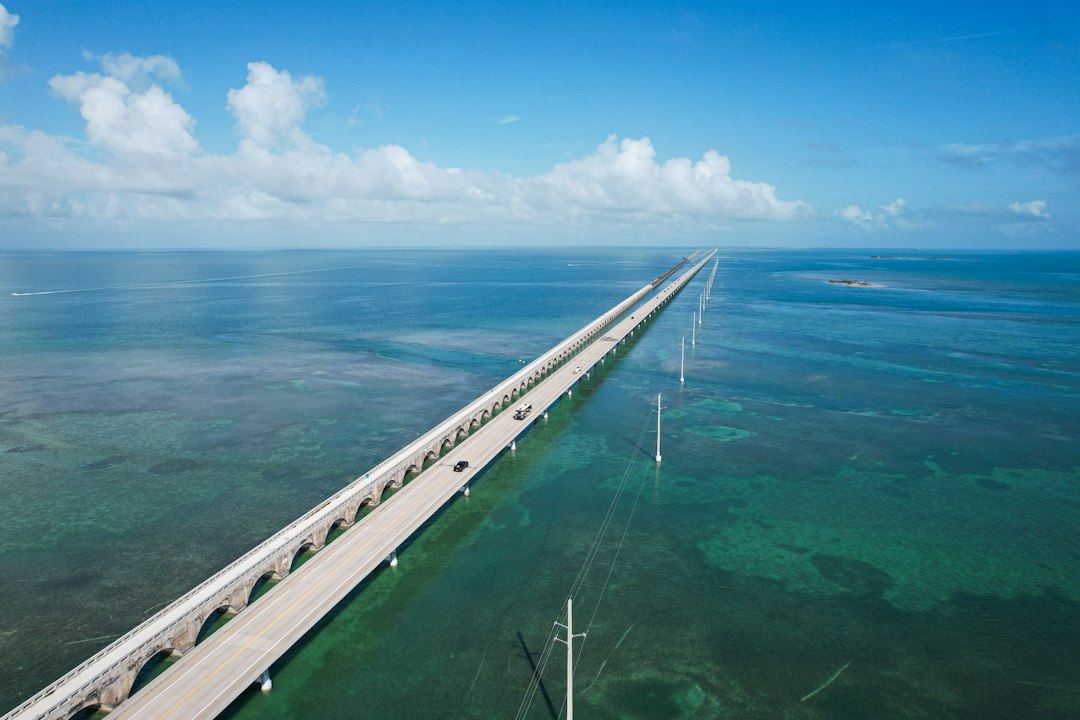
The shimmering turquoise waters of the Atlantic Ocean meet the vibrant blues of the Gulf of Mexico, creating a natural masterpiece known as the Florida Keys. This archipelago, a string of islands stretching southwest from mainland Florida, presents a geographical tableau of unparalleled beauty and ecological significance. To truly understand the allure and unique character of this renowned destination, one must embark on a documentary journey, exploring its stunning geography, from its geological formation to its dynamic ecosystems. This exploration will reveal a landscape sculpted by time, tide, and the ceaseless embrace of the sea, offering a profound appreciation for this sliver of paradise.
The Genesis of the Keys: Limestone, Coral, and Time
The very foundation of the Florida Keys is a testament to geological processes spanning millennia. Far from being mere sandbars, these islands possess a complex history rooted in the skeletal remains of ancient marine life and the slow, persistent work of the ocean. Understanding their origin is crucial to appreciating their fragile nature and the unique biodiversity they support.
A Submerged Reef’s Ascent: The Organic Origins
The bedrock of the Upper and Middle Keys is primarily composed of Miami Oolite, a porous limestone formed from the cemented shells and skeletons of marine organisms. This material, often referred to as “Key Largo Limestone,” tells a story of a shallow, warm sea that once covered much of South Florida millions of years ago. As marine creatures like corals, mollusks, and algae thrived and died, their calcium carbonate structures accumulated, forming thick layers on the seabed. Over vast stretches of geological time, these deposits were lithified, or hardened, into the porous rock that forms the islands’ core. This organic origin is evident in the fossilized shells and marine life that can still be found embedded within the oolite. It’s a living history book, written in stone, detailing the vibrant marine ecosystems of a bygone era.
The Living Reefs: Building the Lower Keys
The Lower Keys and Key West, however, have a different, yet equally fascinating, genesis. These islands are primarily composed of coral and the accumulated rubble of ancient coral reefs. As sea levels fluctuated during the Pleistocene epoch, periods of lower sea levels exposed existing reefs to the air, allowing them to fossilize. Subsequent rises in sea level then allowed new coral growth to occur on top of these ancient structures. This process repeated over thousands of years, gradually building up the landmass of the Lower Keys. The distinctive serrated edges of some of the rocks in these areas are a direct visual cue to their coral reef origins. This constant interplay between reef building and sea level change has created a landscape that is both ancient and continually being shaped by ongoing biological processes. The presence of these relict reefs beneath the surface continues to support vibrant modern reef systems, demonstrating a continuous cycle of life and geological formation.
The Florida Keys, a stunning archipelago off the southern coast of Florida, is not only known for its breathtaking landscapes but also for its unique ecological systems and vibrant culture. For those interested in exploring the geographical significance and environmental challenges faced by this region, a related article can be found at My Geo Quest. This documentary delves into the rich history, diverse ecosystems, and the ongoing conservation efforts that are crucial for preserving the natural beauty of the Florida Keys.
The Archipelago’s Anatomy: A Chain of Islands
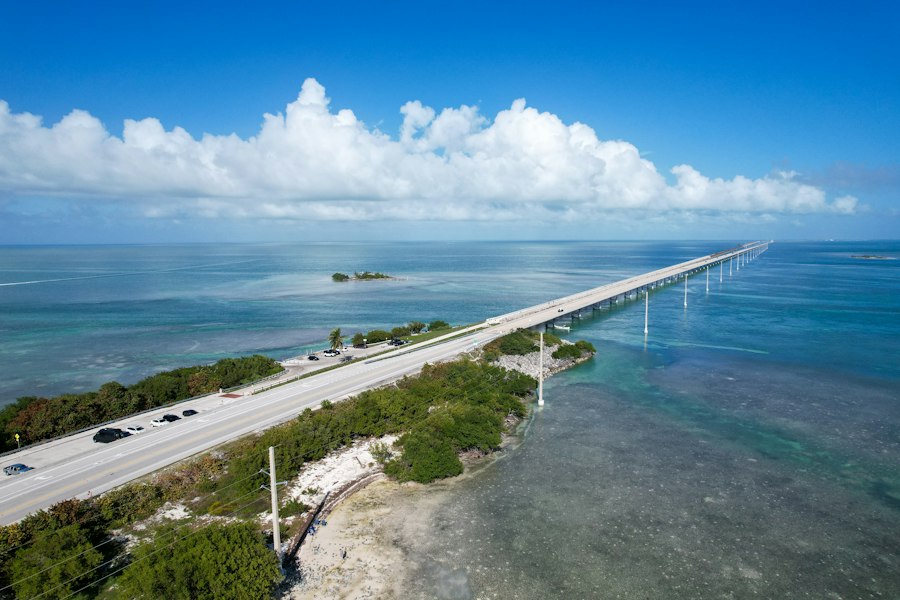
The Florida Keys are not a single landmass but a distinct chain of islands, each with its own character and contributing to the overall unique geography of the region. The term “Keys” itself is derived from the Spanish word “cayos,” meaning small, low islands. This description perfectly encapsulates the archipelago’s visual identity, a scattering of landforms fringed by shallow waters.
The Upper Keys: Gateway to Serenity
The Upper Keys, beginning with Key Largo, are characterized by their higher elevations and closer proximity to the mainland. This section of the archipelago is largely comprised of the oolitic limestone formations, providing a more solid and elevated foundation. Here, the landscape is often more densely vegetated, with a richer terrestrial flora supported by the limestone soil. The presence of larger trees, such as mahogany and gumbo limbo, contributes to a more lush and shaded environment. The waters surrounding the Upper Keys are generally shallower and more protected, forming a vibrant habitat for seagrass beds and mangrove forests. This creates a vital nursery ground for numerous marine species. The iconic Overseas Highway, which traverses the entire length of the Keys, makes its first grand entrance into this region, offering dramatic vistas of the transition from mainland to island life.
The Middle Keys: A Crossroads of Ecosystems
As one travels southwest, the Middle Keys present a fascinating transition zone. The geological composition begins to shift, with increasing contributions from coral rubble alongside the oolitic limestone. This area is known for its diverse habitats, bridging the more developed Upper Keys with the more remote Lower Keys. Here, one encounters extensive tidal flats, mangrove islands, and shallow bays. These areas are crucial for a variety of bird species, including wading birds and shorebirds, which find abundant food sources in the rich intertidal zones. The water clarity often varies, with some areas boasting the crystalline blues associated with the Keys and others exhibiting the richer greens of seagrass meadows. This section of the Keys feels less developed than the Upper Keys, offering a sense of stepping back in time and a deeper connection to the natural environment.
The Lower Keys and Key West: A Coral Legacy
The Lower Keys, culminating in the vibrant and historic island of Key West, are predominantly formed from fossilized coral reefs. This geological heritage imbues these islands with a distinct character. The land is lower, and the topography more undulating, reflecting the ancient reef structures. The vegetation here is often more adapted to saline conditions, with a notable presence of salt-tolerant plants. The surrounding waters are renowned for their exceptional clarity and the presence of the living Florida Keys coral reef ecosystem, a UNESCO World Heritage site. This living reef system is a crucial component of the Lower Keys’ geography, influencing currents, protecting the shoreline, and supporting an astonishing diversity of marine life. Key West itself, while boasting a rich human history, is intrinsically linked to its geological origins, with its unique architecture often reflecting the materials available from its coral and limestone foundation. The sunsets here are legendary, a daily spectacle painted across a horizon shaped by the very sea that birthed these islands.
The Vital Waters: Oceans, Bays, and the Reef System
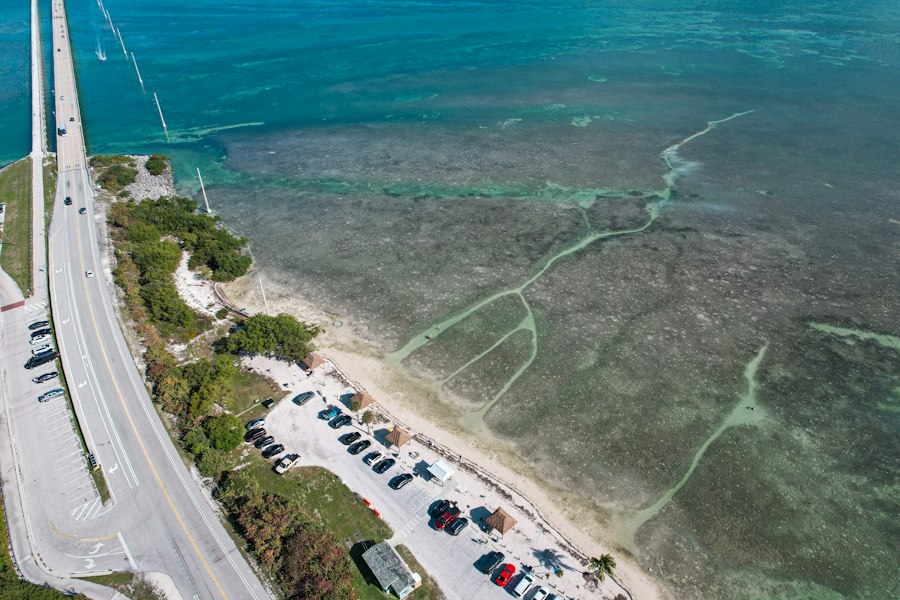
The geography of the Florida Keys is inextricably linked to its surrounding waters. These aquatic environments are not merely decorative; they are integral to the formation, sustenance, and character of the archipelago. The interplay between the Atlantic Ocean, the Gulf of Mexico, and the intricate reef system shapes the climate, supports the unique biodiversity, and dictates the very rhythm of life in the Keys.
The Atlantic Frontage: Open Waters and Marine Life
The eastern and southern coasts of the Florida Keys face the vast expanse of the Atlantic Ocean. This open water provides a direct conduit to the Gulf Stream, a powerful ocean current that influences regional weather patterns and brings nutrient-rich waters to the area. The waters here are often deeper and can experience more significant wave action, particularly during stormy weather. This exposure shapes the coastline, with erosion playing a role in the island’s morphology. The Atlantic side is also home to the iconic living coral reef, a submerged mountain range teeming with life. This reef acts as a natural barrier, protecting the islands from the full force of ocean swells, while simultaneously providing a habitat for an incredible array of marine organisms, from colorful fish to majestic sea turtles and sharks. The underwater topography here is dramatic, with vertical drop-offs and complex reef structures offering a breathtaking spectacle for divers and snorkelers.
The Gulf’s Embrace: Sheltered Bays and Mangrove Havens
To the west and north of the Keys lies the Gulf of Mexico. The waters of the Gulf are generally shallower and calmer, creating sheltered bays, lagoons, and extensive mangrove forests. These estuarine environments are incredibly productive, serving as vital nursery grounds for countless fish, crustaceans, and mollusks. The dense root systems of the mangroves act as natural filters, trapping sediment and improving water quality, while also providing crucial habitat and protection for juvenile marine life. The seagrass beds that flourish in these sheltered areas are equally important, offering food and shelter for a myriad of species, including the endangered manatee. The transition between the salty ocean waters and the slightly brackish waters of the bays creates unique ecological niches that support a specialized array of flora and fauna. The geography of these sheltered areas is constantly influenced by tidal fluctuations, with mudflats and salt marshes appearing and disappearing with the changing tides.
The Great Florida Reef Tract: A Submerged Treasure
The Great Florida Reef Tract, often simply referred to as the Florida Keys Reef Tract, is the only living coral barrier reef in the continental United States. This remarkable geological and biological feature stretches for over 350 miles, beginning just offshore of Key Largo and extending to the Dry Tortugas. It is not a single continuous wall but a series of reefs, shoals, and patch reefs. The living coral structures are built by tiny polyps that secrete calcium carbonate skeletons. Over millennia, these secretions accumulate, forming the complex three-dimensional habitats that support an astonishing diversity of marine life. The reef tract plays a critical role in the geography of the Keys by acting as a natural breakwater, absorbing the energy of ocean waves and protecting the islands from erosion. Its presence also creates a unique underwater landscape of canyons, ledges, and sand channels, offering unparalleled opportunities for exploration and study. The health of this reef is directly linked to the health of the entire Keys ecosystem, making its preservation a paramount concern.
The Shaping Forces: Weather, Tides, and Human Impact
The geography of the Florida Keys, while seemingly timeless, is in constant flux, shaped by powerful natural forces and, increasingly, by human activity. Understanding these forces is essential to grasping the dynamic nature of this fragile environment.
The Tropical Climate: Sun, Wind, and Water
The subtropical climate of the Florida Keys is a dominant force shaping its geography. The region experiences distinct wet and dry seasons, with abundant sunshine year-round. The prevailing easterly trade winds are a constant presence, influencing wave patterns and coastal erosion. However, it is the more extreme weather events that leave a significant mark. Hurricanes, with their destructive winds and storm surges, can dramatically alter shorelines, reshape dunes, and impact vegetation. These powerful storms, though infrequent, are a natural part of the Keys’ geological cycle, leading to periods of destruction followed by gradual regeneration. The consistent warmth of the water also plays a role, supporting the growth of coral reefs and the flourishing of marine life. The annual rainfall patterns influence the freshwater lens within the islands, impacting vegetation and the delicate balance of brackish ecosystems.
The Dance of Tides: Shaping Shorelines and Ecosystems
The ebb and flow of the tides are a fundamental element in the daily geography of the Florida Keys. These rhythmic movements of the ocean constantly reshape shorelines, exposing mudflats and salt marshes during low tide, and inundating them during high tide. This tidal influence is particularly pronounced in the sheltered bays and mangrove areas of the Middle and Lower Keys. The tidal currents also play a crucial role in transporting nutrients and sediment, influencing the health of seagrass beds and the distribution of marine organisms. For many species, the tidal cycle dictates their feeding and breeding patterns. The intricate network of channels and waterways that thread through the Keys is a direct result of tidal action, creating a complex mosaic of land and water that is constantly being redrawn. The exposure and inundation of these areas are vital for the ecological functioning of the archipelago.
The Human Imprint: Development and Conservation
Human activity has undeniably left its mark on the geography of the Florida Keys. The construction of the Overseas Highway, a feat of engineering, connected the islands and facilitated development. This development, while bringing economic prosperity, has also led to habitat loss, increased urbanization, and altered natural drainage patterns. The demand for waterfront property has led to significant shoreline modification, including dredging and filling. However, a growing awareness of the Keys’ ecological fragility has also spurred significant conservation efforts. The establishment of marine sanctuaries, national parks, and protected areas, such as the Dry Tortugas National Park and the Florida Keys National Marine Sanctuary, aims to preserve the natural beauty and ecological integrity of the archipelago. These efforts are crucial for ensuring that the unique geography of the Keys can be appreciated by future generations. Balancing human needs with the imperative of environmental preservation remains a constant challenge.
The Florida Keys, a stunning archipelago known for its vibrant marine life and unique ecosystems, has been the subject of various documentaries that explore its natural beauty and environmental challenges. One such insightful piece can be found in a related article that delves into the ecological significance of this region and the efforts being made to preserve it. For more information, you can read the article here: explore the ecological significance of the Florida Keys and discover the fascinating stories behind its landscapes.
The Enduring Allure: A Landscape of Resilience and Wonder
| Metric | Data | Description |
|---|---|---|
| Location | Florida Keys, USA | Chain of coral islands located off the southern coast of Florida |
| Total Length | Approximately 120 miles (193 km) | Distance from Key Largo to Key West |
| Number of Islands | Approximately 1,700 | Includes both inhabited and uninhabited islands |
| Coral Reef Area | 2,800 square miles (7,252 km²) | Florida Keys National Marine Sanctuary protects the coral reefs |
| Average Water Temperature | 75°F to 85°F (24°C to 29°C) | Varies seasonally, ideal for marine life and diving |
| Key Species Featured | Coral, sea turtles, manatees, tropical fish | Common marine life highlighted in documentaries |
| Documentary Focus | Marine biodiversity, coral reef conservation, island ecology | Typical themes explored in geography documentaries about the Keys |
The Florida Keys, as revealed through this documentary journey, are far more than just a tropical vacation spot. They are a testament to the power of geological forces, the intricate dance of ecosystems, and the enduring resilience of nature. From the ancient coral reefs that form their foundation to the vibrant waters that surround them, the Keys offer a profound study in geography, a place where the Earth’s processes are laid bare in a breathtaking display.
A Symphony of Biodiversity: Life in the Keys
The stunning geography of the Florida Keys directly supports an extraordinary symphony of biodiversity. The varied habitats, from the oolitic limestone uplands to the submerged coral gardens, create niches for a vast array of life. The presence of extensive mangrove forests provides critical nurseries for juvenile fish and crustaceans, while the shallow seagrass meadows offer sustenance for manatees and sea turtles. The living coral reef system is a bustling metropolis of marine life, teeming with colorful fish, intricate invertebrate communities, and larger predators like sharks and barracuda. Terrestrially, the Keys support a unique flora adapted to the subtropical climate and the often-salty soils, attracting a diverse range of bird species, from migratory songbirds to resident wading birds. The very geological structure of the islands, with their porous limestone and coral foundations, influences the type of vegetation that can thrive, further shaping the biodiversity of the region. This interconnectedness between geology and biology is a fundamental theme that runs through the entire Keys experience.
The Fragile Balance: Stewardship and the Future
The unique geography of the Florida Keys presents a landscape of inherent fragility. The low-lying nature of the islands, their reliance on healthy coral reefs for protection, and the sensitivity of their ecosystems to changes in water quality and climate all contribute to this vulnerability. The rising sea levels, increased ocean temperatures, and the threat of more intense hurricanes all pose significant challenges to the long-term preservation of this archipelago. Consequently, the stewardship of this remarkable region is of paramount importance. Conservation efforts, sustainable tourism practices, and a commitment to understanding and mitigating the impacts of climate change are essential for ensuring that the Florida Keys remain a place of unparalleled natural beauty and ecological significance. The future of this stunning geography depends on a collective understanding of its delicate balance and a proactive approach to its protection.
A Legacy of Wonder: The Keys’ Enduring Appeal
The enduring allure of the Florida Keys lies in its profound connection to the natural world. The visual spectacle of the turquoise waters, the vibrant sunsets, and the unique island chain captivates the imagination. However, beneath this surface beauty lies a complex and dynamic geographical narrative that offers endless opportunities for exploration and learning. From the slow, deliberate work of coral polyps to the powerful forces of hurricanes, the Keys serve as a living laboratory, showcasing the fundamental principles of our planet’s geography. This documentary journey has unveiled the layers of history, biology, and natural processes that have sculpted this extraordinary destination, leaving an indelible impression of wonder and a deep appreciation for the extraordinary geography of the Florida Keys. It is a testament to the beauty and resilience of our planet, a place that continues to inspire awe and a desire for its preservation.

The Railroad That Bet on the Panama Canal—and Lost
FAQs
What is the geography of the Florida Keys?
The Florida Keys are a coral cay archipelago located off the southern coast of Florida. They are made up of about 1,700 islands, with the largest being Key Largo, Islamorada, Marathon, Big Pine Key, and Key West.
How were the Florida Keys formed?
The Florida Keys were formed through a combination of coral reef growth and the rise and fall of sea levels. The islands are actually the exposed portions of an ancient coral reef system that formed over thousands of years.
What unique ecosystems can be found in the Florida Keys?
The Florida Keys are home to diverse ecosystems, including coral reefs, seagrass beds, mangrove forests, and hardwood hammocks. These ecosystems support a wide variety of plant and animal species, many of which are found nowhere else in the United States.
What are some of the environmental challenges facing the Florida Keys?
The Florida Keys face several environmental challenges, including coral reef degradation, sea level rise, habitat destruction, and pollution. These issues threaten the delicate balance of the ecosystems in the Keys and the species that rely on them.
How can people help protect the environment of the Florida Keys?
People can help protect the environment of the Florida Keys by practicing responsible tourism, reducing their carbon footprint, supporting conservation efforts, and advocating for policies that promote sustainability and environmental protection in the region.