
The Drake Passage, a body of water that separates South America from Antarctica, is renowned for its tumultuous seas and unpredictable weather. Stretching approximately 800 kilometers (500 miles) from Cape Horn to the Antarctic Peninsula, this passage is not only a critical maritime route but also a site of immense ecological and geological significance. The waters of the Drake Passage are often characterized by their rough conditions, which can pose challenges for even the most seasoned sailors.
The passage is named after Sir Francis Drake, the English explorer who navigated these waters in the late 16th century. Since then, it has captured the imagination of adventurers and scientists alike.
The Drake Passage serves as a gateway to the Antarctic, providing access to one of the last great wildernesses on Earth. As explorers and researchers continue to delve into its depths, they uncover not only the mysteries of its marine life but also the geological wonders that lie beneath its surface. The Drake Passage stands as a testament to the power of nature and the relentless pursuit of knowledge.
Key Takeaways
- The Drake Passage is a treacherous body of water located between South America’s Cape Horn and the South Shetland Islands of Antarctica.
- Submarine exploration in the Drake Passage has a rich history, with expeditions dating back to the 1960s.
- The marine life in the Drake Passage is incredibly diverse, with a wide range of species including penguins, seals, and whales.
- The geological wonders of the Drake Passage, such as underwater mountains and deep-sea trenches, make it a fascinating area for exploration.
- Advancements in submarine technology have made it possible to overcome the challenges of exploring the Drake Passage, leading to famous expeditions and exciting discoveries.
The History of Submarine Exploration in the Drake Passage
Submarine exploration in the Drake Passage has a rich history that dates back to the early 20th century. The first significant forays into these waters were primarily driven by scientific curiosity and the desire to understand the ocean’s depths. Early expeditions utilized rudimentary submersibles and diving equipment, which limited their ability to explore the harsh conditions of the passage.
However, these pioneering efforts laid the groundwork for future explorations and highlighted the need for more advanced technology. As technology progressed, so did the capabilities of submarines. The mid-20th century saw significant advancements in underwater exploration, with submarines becoming more robust and capable of withstanding extreme pressures.
Notable expeditions during this time included research missions aimed at studying ocean currents, marine life, and geological formations. These early explorations revealed a wealth of information about the Drake Passage, including its role in global ocean circulation and its unique biodiversity. The history of submarine exploration in this region is marked by a continuous quest for knowledge, driven by both scientific inquiry and the allure of adventure.
The Unique Marine Life of the Drake Passage
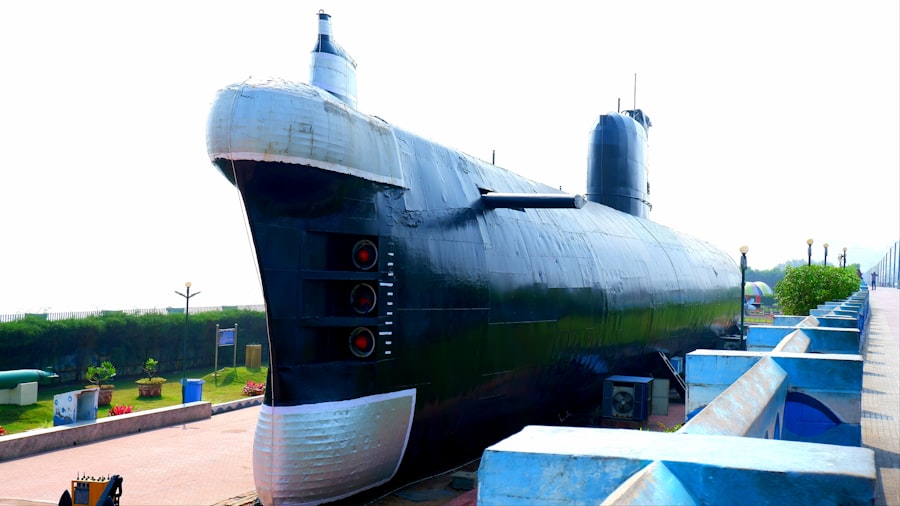
The Drake Passage is home to an astonishing array of marine life, much of which is uniquely adapted to its frigid waters and turbulent conditions. The nutrient-rich waters support a diverse ecosystem that includes everything from microscopic phytoplankton to massive whales. Among its most notable inhabitants are various species of seals, penguins, and seabirds that thrive in this harsh environment.
The passage serves as a critical feeding ground for many migratory species, making it an essential area for marine biodiversity. One of the most fascinating aspects of the marine life in the Drake Passage is its adaptability. Species such as the Antarctic krill play a vital role in the food web, serving as a primary food source for larger animals like blue whales and leopard seals.
The presence of these species indicates a healthy ecosystem, yet they are also vulnerable to changes in climate and ocean conditions. Researchers continue to study these organisms to better understand their roles within the ecosystem and how they may be affected by environmental changes. The unique marine life of the Drake Passage not only captivates scientists but also underscores the importance of preserving this delicate ecosystem.
The Geological Wonders of the Drake Passage
| Geological Wonder | Description |
|---|---|
| Submarine Canyons | Deep, steep-sided valleys cut into the seabed of the Drake Passage, formed by underwater avalanches and currents. |
| Glacial Landforms | U-shaped valleys, fjords, and moraines created by the movement of glaciers during the last ice age. |
| Volcanic Islands | A chain of volcanic islands formed by the subduction of the South American Plate beneath the Antarctic Plate. |
| Marine Life | Diverse and abundant marine life, including whales, seals, and penguins, supported by the nutrient-rich waters of the passage. |
Beneath the surface of the Drake Passage lies a geological landscape that tells a story of tectonic activity and ancient formations. The passage is situated at a convergence point between several tectonic plates, resulting in a dynamic environment characterized by underwater mountains, ridges, and deep-sea trenches. This geological complexity contributes to the unique oceanographic conditions that define the region, including strong currents and varying temperatures.
One of the most significant geological features in the Drake Passage is the South Scotia Ridge, which plays a crucial role in shaping ocean currents and influencing climate patterns. The interaction between these geological formations and oceanic processes creates a rich tapestry of habitats that support diverse marine life. Scientists are increasingly interested in studying these geological wonders not only for their ecological significance but also for their potential insights into Earth’s history and climate change.
The geological marvels of the Drake Passage serve as a reminder of the planet’s dynamic nature and the ongoing processes that shape its surface.
Advancements in Submarine Technology for Exploring the Drake Passage
The exploration of the Drake Passage has been revolutionized by advancements in submarine technology over recent decades. Modern submarines are equipped with sophisticated instruments that allow researchers to gather data on everything from water temperature and salinity to biological samples from deep-sea environments.
One notable advancement is the development of remotely operated vehicles (ROVs) and autonomous underwater vehicles (AUVs), which can explore depths that are often inaccessible to human divers. These vehicles are equipped with high-resolution cameras and sensors that provide valuable insights into underwater ecosystems and geological formations. Additionally, advancements in sonar technology have improved mapping capabilities, allowing scientists to create detailed topographical maps of the seafloor in the Drake Passage.
As technology continues to evolve, it opens new avenues for exploration and research, enabling scientists to uncover more about this enigmatic region.
The Challenges of Submarine Exploration in the Drake Passage
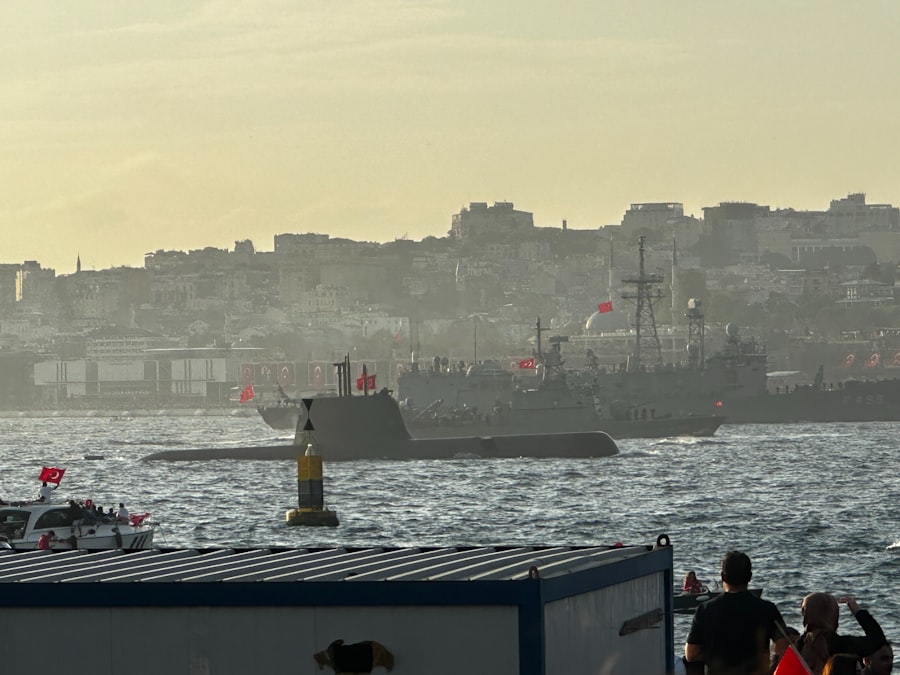
Despite technological advancements, submarine exploration in the Drake Passage remains fraught with challenges. The passage is notorious for its unpredictable weather patterns, which can change rapidly and create treacherous conditions for vessels operating in its waters. High winds, large waves, and strong currents can pose significant risks to submarines and their crews, making careful planning and execution essential for successful missions.
Moreover, the extreme cold temperatures present additional challenges for both human operators and equipment. Submarines must be designed to withstand not only high pressures but also freezing conditions that can affect their functionality. Navigating through ice-covered waters adds another layer of complexity to exploration efforts.
These challenges require meticulous preparation and expertise from crews who must be well-versed in operating under such demanding circumstances. Despite these obstacles, researchers remain undeterred in their quest to explore this remarkable region.
Famous Submarine Expeditions in the Drake Passage
Throughout history, several notable submarine expeditions have taken place in the Drake Passage, each contributing valuable knowledge about this unique environment. One such expedition was conducted by the research vessel “Nautilus,” which utilized advanced submersible technology to explore previously uncharted areas of the passage. This mission focused on mapping underwater geological features and studying marine biodiversity, yielding significant findings that enhanced understanding of oceanic processes.
Another famous expedition was led by Dr. Sylvia Earle, a renowned marine biologist who has dedicated her life to ocean exploration. Her team ventured into the depths of the Drake Passage to study deep-sea ecosystems and assess their health amidst changing environmental conditions.
These expeditions not only provided critical data but also inspired future generations of scientists to pursue careers in marine research. The legacy of these explorations continues to influence ongoing studies in the region.
The Importance of Conservation in the Drake Passage
As exploration efforts continue in the Drake Passage, so too does the need for conservation initiatives aimed at protecting its fragile ecosystems. The passage is home to numerous species that are vulnerable to climate change, overfishing, and pollution. Conservationists emphasize that safeguarding this unique environment is essential not only for preserving biodiversity but also for maintaining global ocean health.
International agreements such as the Antarctic Treaty System play a crucial role in regulating human activities in this region. These agreements aim to protect marine life and habitats while promoting scientific research and collaboration among nations. Efforts are underway to establish marine protected areas (MPAs) within the Drake Passage to ensure sustainable management practices are implemented.
By prioritizing conservation efforts, stakeholders hope to mitigate human impacts on this pristine environment and ensure its preservation for future generations.
The Future of Submarine Exploration in the Drake Passage
Looking ahead, the future of submarine exploration in the Drake Passage appears promising as technology continues to advance and interest in marine research grows. With increasing awareness about climate change and its effects on ocean ecosystems, researchers are more motivated than ever to study this critical region. Future expeditions will likely focus on understanding how changing environmental conditions impact marine life and oceanographic processes.
Moreover, collaborations between governments, research institutions, and private organizations are expected to enhance exploration efforts further. By pooling resources and expertise, stakeholders can undertake more ambitious projects that push the boundaries of current knowledge about the Drake Passage. As new technologies emerge—such as improved sensors and data analytics—scientists will be better equipped to tackle complex questions about this enigmatic body of water.
Tips for Planning a Submarine Adventure in the Drake Passage
For those interested in embarking on a submarine adventure in the Drake Passage, careful planning is essential to ensure a safe and rewarding experience. First and foremost, prospective explorers should choose reputable operators with experience navigating these challenging waters. Researching past expeditions and reading reviews can provide valuable insights into an operator’s reliability.
Additionally, travelers should prepare for varying weather conditions by packing appropriate clothing and gear suitable for cold temperatures and potential rough seas. Understanding safety protocols onboard submarines is also crucial; participants should familiarize themselves with emergency procedures before embarking on their journey. Finally, maintaining an open mind and a sense of adventure will enhance any exploration experience—after all, venturing into one of Earth’s last frontiers is bound to be an unforgettable journey.
The Thrills and Rewards of Exploring the Drake Passage by Submarine
Exploring the Drake Passage by submarine offers an unparalleled opportunity to witness one of nature’s most awe-inspiring environments firsthand. From its unique marine life to its geological wonders, every aspect of this region captivates those who venture into its depths. While challenges abound—ranging from unpredictable weather patterns to technical limitations—the rewards far outweigh any difficulties encountered along the way.
As researchers continue their quest for knowledge within this remarkable body of water, they contribute not only to scientific understanding but also to conservation efforts aimed at protecting its fragile ecosystems. The future holds great promise for submarine exploration in the Drake Passage as technology advances and collaborative initiatives take shape. For adventurers seeking thrills amidst breathtaking landscapes teeming with life, there may be no better destination than this extraordinary passageway between two worlds—one defined by land and another by sea.
The Drake Passage, a treacherous stretch of water between the southern tip of South America and Antarctica, has long been a subject of fascination for explorers and scientists alike. Recently, there has been increased interest in the potential for submarine exploration in this region, given its unique oceanographic and ecological characteristics. An article on MyGeoQuest delves into the challenges and opportunities associated with navigating these waters by submarine, highlighting the technological advancements that make such missions feasible. The piece also explores the potential scientific discoveries that could be made beneath the waves of the Drake Passage, offering a glimpse into the future of ocean exploration.
WATCH NOW! Drake Passage: Earth’s Deadliest Waters Revealed
FAQs
What is the Drake Passage?
The Drake Passage is the body of water between the southern tip of South America and the northern tip of the Antarctic Peninsula. It is known for its rough seas and strong winds, making it one of the most challenging maritime routes in the world.
What is a Drake Passage submarine?
A Drake Passage submarine is a type of submarine designed to navigate the treacherous waters of the Drake Passage. These submarines are built to withstand the extreme conditions of the passage, including strong currents, high winds, and rough seas.
What are the advantages of using a submarine in the Drake Passage?
Using a submarine in the Drake Passage allows for safer and more efficient exploration of the region. Submarines can navigate beneath the surface, avoiding the harsh weather conditions and providing a stable platform for scientific research and exploration.
What are the potential applications of a Drake Passage submarine?
A Drake Passage submarine could be used for scientific research, including studying marine life, ocean currents, and climate patterns in the region. It could also be used for underwater exploration and potentially for tourism purposes, allowing passengers to experience the unique environment of the passage from a safe and controlled environment.
Are there any challenges associated with using a submarine in the Drake Passage?
Navigating a submarine in the Drake Passage presents several challenges, including the need for advanced navigation and communication systems, as well as the ability to withstand the extreme conditions of the passage. Additionally, the remote location and harsh weather can make operations and maintenance more difficult.