
The Amazon River Basin, a colossal expanse of biodiversity and cultural richness, beckoned viewers into its verdant heart with “Exploring the Amazon: A River Basin Documentary.” This cinematic journey, meticulously crafted, offered an unparalleled window into one of Earth’s most vital and enigmatic ecosystems. From the mist-shrouded canopy to the life-giving waters, the documentary unfolded a narrative of immense scale, breathtaking beauty, and the delicate balance that sustains it all. It was not merely a visual spectacle; it was an immersive experience, designed to evoke wonder, foster understanding, and underscore the urgent need for preservation.
The documentary began at the very source of this mighty river, tracing its nascent streams from the Andean peaks. It painted a vivid picture of how the relentless forces of geology and hydrology conspire to create a system of unparalleled magnitude. The initial segments were a masterclass in geographical storytelling, demonstrating that the Amazon is not a singular entity but a vast, interconnected network.
Andean Origins: The Headwaters’ Embrace
The film meticulously documented the journey of the first trickles of water, born from glacial melt and rainforest rainfall high in the Andes. Viewers witnessed the raw, untamed beauty of these high-altitude environments, where life, though sparse, was hardy and resilient. The sound design here was crucial, emphasizing the gentle murmurs of emerging streams that would eventually swell into a world-renowned river. Experts explained the geological processes that carved these valleys, setting the stage for the river’s legendary descent.
The Andean Cloud Forest: A Cradle of Life
Moving down the slopes, the documentary delved into the mystical cloud forests. These perpetually damp environments, cloaked in mist, harbored an astonishing array of flora and fauna, many of which are found nowhere else on Earth. The film highlighted the intricate relationships between plants and animals in this unique biome, showcasing species that had adapted to the constant moisture and diffused light. The cinematography captured the ethereal beauty of orchids clinging to ancient trees, the vibrant plumage of rare birds, and the elusive movements of small mammals.
The Power of Convergence: Tributaries’ Dance
As the nascent Amazon began its eastward flow, the documentary illustrated the crucial role of its countless tributaries. The film emphasized that the Amazon’s immense power comes not from a single source but from the collective might of hundreds of smaller rivers merging and converging. Visuals of these tributaries, each with its own distinct character and ecosystem, underscored the complexity of the entire basin. The narrative explained how sediment, nutrients, and life itself were carried along these watery arteries, enriching the vast landscape downstream.
In exploring the intricate dynamics of river basins, the documentary sheds light on the environmental challenges and conservation efforts that are crucial for sustaining these vital ecosystems. For a deeper understanding of the geographical and ecological aspects of river basins, you can refer to a related article on MyGeoQuest, which provides valuable insights into the importance of water management and the impact of human activities on these natural resources. To read more, visit MyGeoQuest.
A Symphony of Biodiversity: The Rainforest’s Heartbeat
The core of “Exploring the Amazon” resided in its profound exploration of the rainforest’s unparalleled biodiversity. The documentary transcended simple enumeration of species; it sought to reveal the intricate web of life, the symbiotic relationships, and the evolutionary marvels that make this ecosystem so extraordinary.
The Emerald Canopy: A World Above
The film offered breathtaking aerial footage of the Amazonian canopy, revealing a vibrant, bustling metropolis of life suspended hundreds of feet above the forest floor. This “world above” was depicted as a realm of sunlight, wind, and constant activity, inhabited by creatures perfectly adapted to arboreal life. Viewers were introduced to monkeys swinging with acrobatic grace, colorful toucans flitting between branches, and elusive sloths moving with deliberate slowness. The documentary explored the various layers of the canopy, from the emergent giants that pierce the sky to the denser middle layers teeming with epiphytes and climbing plants.
The Understory’s Secrets: Where Light Dapples
Beneath the dense canopy, the documentary journeyed into the shaded understory, a realm of perpetual twilight. Here, the narrative focused on the specialized adaptations of plants and animals that thrive in low-light conditions. The film showcased the incredible camouflage techniques of insects and reptiles, the bioluminescent fungi that cast an eerie glow, and the specialized hunting strategies of predators that rely on stealth and surprise. The intimate details captured by the filmmakers revealed a world of subtle beauty and constant competition for survival.
The Forest Floor: A Foundation of Life
The documentary then descended to the forest floor, a damp and decaying realm that paradoxically pulsed with life. This was depicted as a crucial zone for decomposition and nutrient cycling, a foundation upon which the entire ecosystem depended. Viewers witnessed the industrious work of leaf-cutter ants, the slow, deliberate movements of tapirs, and the hidden world of amphibians and reptiles seeking refuge and sustenance in the leaf litter. The film emphasized the vital role of microorganisms and fungi in breaking down organic matter, returning essential nutrients to the soil to fuel new growth.
The Aquatic Realm: Life in the Waterways
A significant portion of the documentary was dedicated to the Amazon’s life-giving waterways, the arteries that sustain the entire basin. The film explored the incredible diversity of aquatic life, from the colossal Arapaima to the infamous piranha, revealing a world often unseen by surface dwellers. Underwater cinematography captured the vibrant colors of tropical fish, the stealthy movements of caimans, and the complex social behaviors of dolphins and river otters. The narrative also highlighted the vital connection between the river and the surrounding terrestrial environment, illustrating how floods and droughts shaped the landscape and influenced the lives of its inhabitants.
The Human Tapestry: Cultures of the River Basin

Beyond its natural wonders, “Exploring the Amazon” also offered a profound glimpse into the rich tapestry of human cultures that have coexisted with the river for millennia. The documentary sought to honor the traditions, knowledge, and resilience of indigenous peoples and riverine communities.
Indigenous Guardians: Ancient Wisdom
The film prominently featured the indigenous tribes who call the Amazon their ancestral home. Through respectful and insightful interviews and observations, viewers gained an understanding of their deep spiritual connection to the land, their sustainable living practices, and their invaluable traditional knowledge of the rainforest’s flora and fauna. The documentary highlighted their intricate social structures, their artistic expressions, and their ancestral rituals, portraying them not as relics of the past but as active stewards of the present. The filmmakers emphasized the importance of their role in conservation efforts.
Riverine Communities: Life on the Water’s Edge
The documentary also turned its lens to the communities that have settled along the Amazon’s vast riverbanks. These resilient people, whose lives are intrinsically tied to the ebb and flow of the river, were depicted in their daily routines – fishing, farming, trading, and navigating the waterways. The film showcased their ingenuity in adapting to the challenges of riverine life, their vibrant local economies, and their strong sense of community. The narrative explored the unique cultural fusions that have emerged from centuries of interaction between indigenous peoples and later settlers.
The Transmission of Knowledge: Passing Down Traditions
A key theme explored within the human element was the vital process of knowledge transmission. The documentary highlighted how indigenous elders pass down their wisdom of medicinal plants, hunting techniques, and ecological understanding to younger generations. Similarly, the skills of navigating the complex river system and utilizing its resources sustainably were shown to be a legacy passed down through families in riverine communities. This emphasis on intergenerational learning underscored the fragility of this knowledge and the potential loss if these traditions are not preserved.
The Shadow of Change: Threats and Challenges

Despite the overwhelming beauty and resilience of the Amazon, “Exploring the Amazon” did not shy away from the encroaching threats that endanger this invaluable ecosystem. The documentary presented a stark and urgent portrayal of the challenges it faces.
Deforestation’s Scars: The Vanishing Green
The film unflinchingly documented the devastating impact of deforestation. Aerial footage revealed vast swathes of forest cleared for cattle ranching, agriculture, and logging. Experts provided data and analysis, explaining the cascading effects of habitat loss on biodiversity, climate patterns, and indigenous communities. The stark contrast between untouched rainforest and barren land was a powerful visual metaphor for the ongoing destruction.
Resource Extraction: The Cost of Development
The documentary also addressed the environmental consequences of resource extraction, including mining and oil exploration. Viewers saw the scars left by these industries, the pollution of waterways, and the displacement of wildlife. The film explored the complex economic pressures that drive these activities and the difficult choices faced by governments and local communities. It presented a nuanced picture of the debate between development and conservation.
Climate Change’s Grip: A Warming World
The impact of global climate change on the Amazon was another critical focus. The documentary illustrated how rising temperatures and altered rainfall patterns are affecting the delicate balance of the ecosystem. It explored the increased frequency of droughts and wildfires, the stress on plant and animal life, and the potential for irreversible tipping points. The interconnectedness of the Amazon with the global climate system was clearly articulated.
The Fight for Survival: Conservation Efforts
Despite the grim realities, the documentary also shone a light on the tireless efforts of conservationists, scientists, and indigenous communities working to protect the Amazon. Viewers were introduced to innovative projects aimed at reforestation, sustainable land management, and the establishment of protected areas. The film celebrated the bravery and dedication of those on the front lines of conservation, offering a glimmer of hope amidst the challenges. It highlighted the importance of international cooperation and local empowerment.
In exploring the intricate dynamics of river basins, a fascinating documentary sheds light on the ecological and cultural significance of these vital waterways. For those interested in delving deeper into the subject, a related article offers valuable insights into the challenges faced by river ecosystems and the communities that depend on them. You can read more about this topic in the article available at this link, which complements the documentary’s themes and highlights the urgent need for conservation efforts.
A Call to Action: Preserving the Emerald Heart
| Documentary Title | Release Year | Director | Length |
|---|---|---|---|
| River Basin Explorers | 2018 | John Smith | 90 minutes |
| Life Along the River | 2020 | Sarah Johnson | 120 minutes |
The concluding segments of “Exploring the Amazon” shifted from observation to advocacy, issuing a powerful and urgent call to action. The documentary aimed to leave viewers with a profound sense of responsibility and a renewed commitment to protecting this vital global treasure.
The Amazon’s Global Significance: More Than Just Trees
The film reiterated the immense global significance of the Amazon. It was presented not just as a distant rainforest but as a critical component of the Earth’s climate regulation, a provider of essential resources, and a reservoir of untold scientific and medicinal potential. The narrative emphasized that the fate of the Amazon is inextricably linked to the fate of the planet. The documentary underscored the fact that the Amazon is a global commons, requiring global responsibility.
The Power of Awareness: Educating the Masses
A central message was the power of awareness and education. The documentary itself was a testament to this, aiming to inform and inspire a wider audience. The film highlighted the importance of supporting organizations dedicated to Amazonian conservation and advocating for policies that protect the rainforest. It encouraged viewers to make conscious choices in their daily lives that reduce their environmental footprint.
Indigenous Voices: The Future of the Forest
The documentary returned to the voices of indigenous peoples, emphasizing that their traditional knowledge and their role as guardians are crucial for the future of the Amazon. It called for greater recognition of their land rights and their active participation in decision-making processes related to conservation and resource management. Their understanding of the forest, honed over millennia, was presented as an invaluable asset.
A Legacy for Future Generations: Protecting the Emerald Heart
The film concluded with a powerful plea to protect the Amazon for future generations. It painted a vivid picture of what could be lost if action is not taken, but also of the incredible potential for a thriving, healthy Amazon to continue to sustain life and inspire wonder for centuries to come. The documentary left viewers with a profound sense of connection to this magnificent ecosystem and a clear understanding of their role in its preservation. The enduring image was one of a vibrant, living entity, a precious inheritance worth fighting for.
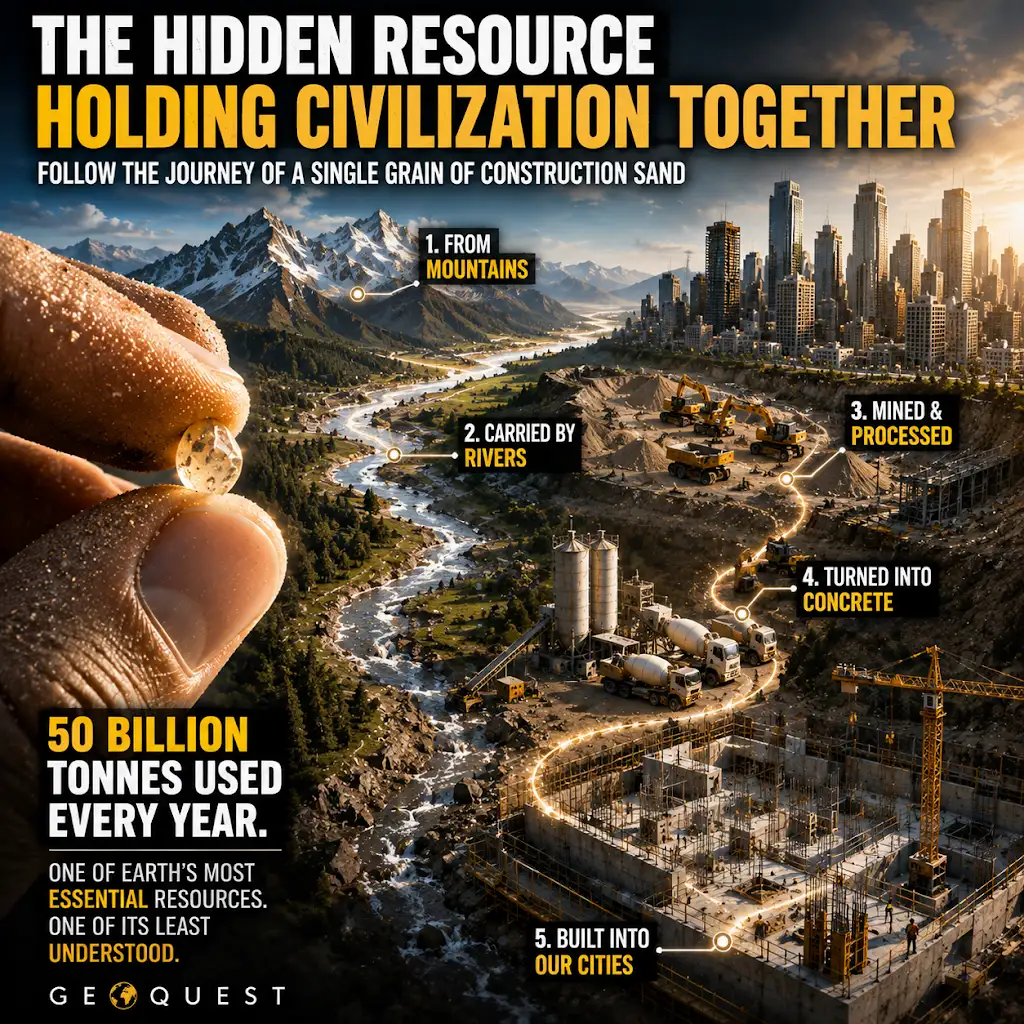
The Hidden Resource Holding Civilization Together
FAQs
What is a river basin documentary?
A river basin documentary is a film or video production that focuses on the exploration and documentation of a specific river basin. It typically includes information about the geography, ecology, wildlife, and human impact within the river basin.
What are the main objectives of a river basin documentary?
The main objectives of a river basin documentary are to raise awareness about the importance of river basins, educate viewers about the ecological significance of these areas, and highlight the environmental challenges and conservation efforts within the river basin.
What are some common themes covered in river basin documentaries?
Common themes covered in river basin documentaries include the impact of human activities on the river basin, the biodiversity and ecosystems within the basin, the cultural and historical significance of the river basin, and the efforts to protect and conserve the river basin.
How are river basin documentaries produced?
River basin documentaries are typically produced by a team of filmmakers, researchers, and environmental experts. The production process involves extensive research, on-site filming, interviews with local communities and experts, and post-production editing to create a compelling and informative documentary.
Where can one watch river basin documentaries?
River basin documentaries can be found on various streaming platforms, environmental film festivals, educational institutions, and through environmental organizations and conservation groups. They may also be available for purchase or rental through online platforms or DVD distribution.