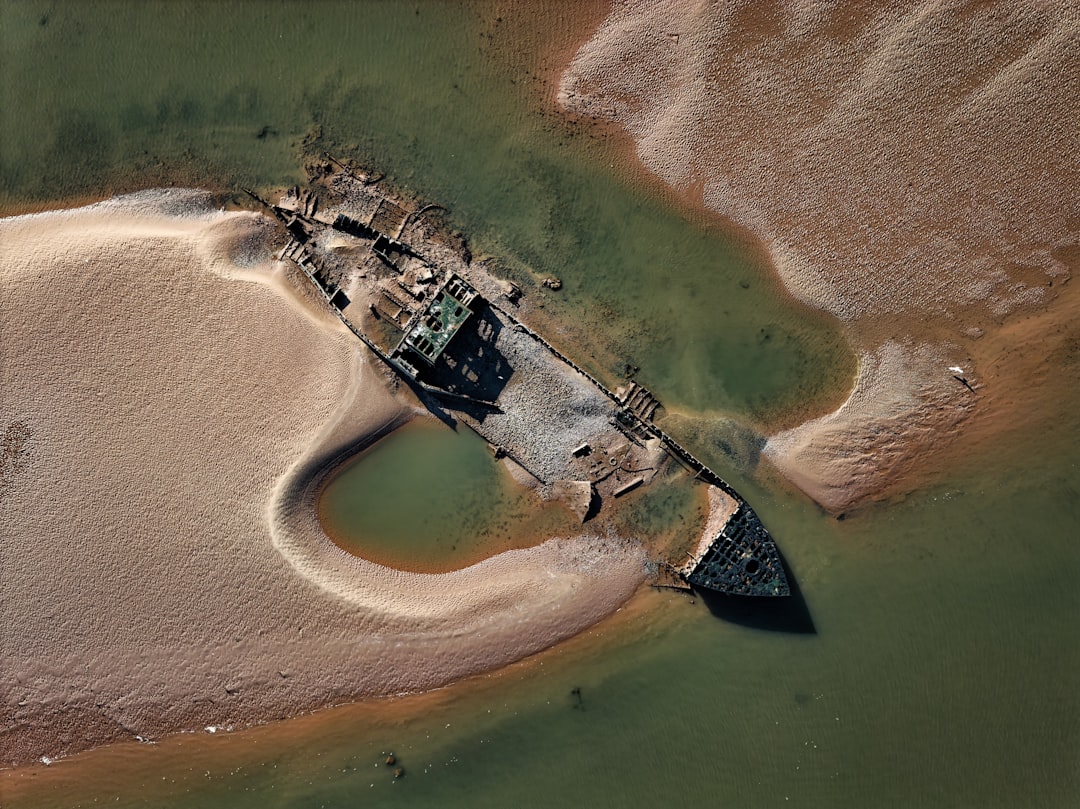
The sun, a molten orb, dipped towards the horizon, painting the sky in hues of fiery orange and bruised purple. Beneath this dramatic spectacle, the skeletal remains of vessels, bleached and barnacle-encrusted, lay scattered across the tidal flats. This was not a scene of recent tragedy, but a testament to the ebb and flow of maritime history, a silent monument to countless voyages now grounded forever. South Asia, a region steeped in millennia of seafaring tradition, harbors some of the world’s most evocative ship graveyards, places where the ghosts of commerce and conflict linger amongst rusting hulls and splintered timbers.
South Asia’s relationship with the sea is as old as civilization itself. From the ancient Indus Valley port of Lothal to the bustling modern harbors of Mumbai and Chittagong, maritime trade has been the lifeblood of its economies and cultures. It is no surprise, then, that the region also bears witness to the ultimate fate of many vessels that have plied its waters. These ship graveyards are not merely repositories of dead metal; they are living museums, offering a tangible connection to the past, a stark reminder of the power of nature, and a unique ecosystem for marine life.
A Symphony of Decay and Renewal
The process of a ship’s demise in these tidal realms is a slow, deliberate symphony of decay and renewal. Initially, a vessel might be deliberately scuttled, intentionally sunk to create artificial reefs or to block shipping channels. Others meet their end through violent storms, collisions, or simply obsolescence, abandoned in shallow waters where they become gradually entombed by sediment and encroaching vegetation. Over decades, even centuries, the relentless embrace of salt water, sun, and sand works its transformative magic. Rust gnaws at steel, wood succumbs to marine borers, and paint peels away like sunburnt skin. Yet, within this decay, a new life emerges. Coral polyps, anemones, and a myriad of fish species find a home in the nooks and crannies of the wrecks, transforming these man-made structures into vibrant underwater gardens.
The Romanticism of the Forgotten
There is an undeniable romanticism attached to these forgotten vessels. They evoke tales of daring voyages, of rich cargoes, of captains and crews who braved the unknown. Each dented hull, each broken mast, whispers stories of storms weathered, battles fought, and livelihoods earned. For photographers and urban explorers, these graveyards offer a compelling visual narrative, a stark contrast between human ambition and the inevitable surrender to time and tide. The sheer scale of some of these wrecks, their looming silhouettes against the sky, can be both awe-inspiring and humbling, reminding visitors of the transient nature of human endeavors.
Ship graveyards in South Asia are fascinating sites that reveal the region’s maritime history and the environmental challenges posed by shipbreaking practices. For a deeper understanding of this topic, you can explore the article found at this link, which discusses the implications of ship graveyards on local economies and ecosystems.
India’s Coastal Necropolises: A Legacy of Iron and Wood
India, with its vast coastline stretching across the Arabian Sea and the Bay of Bengal, is home to several significant ship graveyards. These sites often bear witness to both its colonial past and its burgeoning industrial present. From the sandy shores of Gujarat to the muddy deltas of Bengal, the remnants of ships, large and small, tell a compelling story.
Alang: The World’s Largest Shipbreaking Yard
Perhaps the most famous, and certainly the most active, of India’s maritime resting places is Alang in Gujarat. While not a traditional “graveyard” in the sense of naturally accumulated wrecks, Alang functions as a massive, albeit brutal, final destination for ships from around the globe. Tens of thousands of laborers work under the scorching sun, dismantling vessels piece by piece. The sheer scale of activity here is staggering, with hundreds of ships present at any given time, creating a landscape of colossal proportions.
The Human Element of Shipbreaking
The human element at Alang is as significant as the metallic carcasses themselves. For many, shipbreaking offers a livelihood, a chance to earn a living in a harsh environment. The work is physically demanding and often dangerous, with workers meticulously cutting, torching, and dismantling ships that were once floating cities. Understanding Alang requires acknowledging the complex socio-economic factors at play, the global demand for recycled materials, and the lives intertwined with this colossal undertaking.
Environmental Concerns and Future Prospects
The environmental impact of such a massive operation is a significant concern. Historically, lax regulations led to the release of hazardous materials into the environment. However, with increasing international scrutiny and stricter guidelines, Alang is gradually moving towards more sustainable practices. The future of Alang, and similar shipbreaking yards, hinges on balancing economic necessity with environmental responsibility, ensuring that these final resting places do not become toxic legacies.
The Ghost Ships of Mandovi River, Goa
Goa, renowned for its beaches and Portuguese heritage, also harbors a quieter, more melancholic ship graveyard. The Mandovi River, particularly in its deltaic regions, has become a resting place for a collection of rusting vessels. These are not the behemoths of Alang, but rather a more eclectic mix, including old ferries, barges, and even some military vessels, gradually succumbing to the brackish water and the elements.
A Glimpse into Colonial and Post-Colonial Eras
The ships found here often offer a glimpse into India’s colonial and post-colonial maritime history. Some may have served during British rule, while others are relics of independent India’s early industrial efforts. Their stillness contrasts sharply with the vibrant life of the river, creating a poignant tableau. For photographers, the interplay of light and shadow on the decaying metal, against the backdrop of lush Goan greenery, provides a uniquely atmospheric subject.
The River’s Embrace: Erosion and Colonization
The river itself plays a crucial role in the transformation of these wrecks. Over time, the constant lapping of water and the abrasive action of sand and silt contribute to their erosion. Mangrove roots, hardy pioneers of the intertidal zone, often begin to colonize the exposed parts of the wrecks, further integrating them into the natural landscape. This slow process of naturalization highlights the eventual triumph of nature over even the most robust man-made structures.
Bangladesh’s Chittagong Shipbreaking Hub: A Landscape of Giants
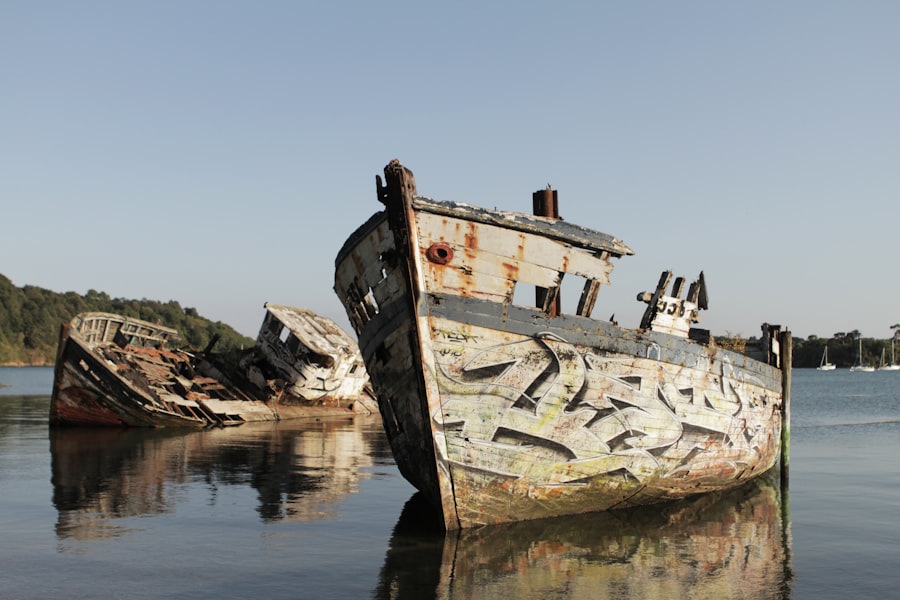
Chittagong, Bangladesh’s second-largest city, is another major global hub for shipbreaking. Similar to Alang, it is a site of immense industrial activity, where retired vessels are brought to be dismantled for their scrap metal. The beaches here are a dramatic spectacle, lined with the skeletal remains of colossal ships, creating a surreal and powerful landscape.
The Scale of Operation and its Economic Significance
The sheer scale of the Chittagong shipbreaking yard is breathtaking. Ships that once traversed the oceans, carrying thousands of tons of cargo, are brought here to be reduced to manageable pieces. This industry is a vital source of employment and revenue for Bangladesh, contributing significantly to the nation’s economy. The process involves a vast workforce engaged in heavy lifting, cutting, and salvaging.
The Human Cost: Safety and Working Conditions
However, the human cost of this industry cannot be ignored. Safety standards have historically been a major concern, with numerous accidents and fatalities reported. The hazardous nature of the work, coupled with often inadequate safety equipment and training, presents a grim reality for the thousands of workers who depend on this industry for their survival. International organizations continue to advocate for improved working conditions and stricter safety regulations.
Environmental Legacy and Reclamation Efforts
The environmental legacy of shipbreaking in Chittagong is also a pressing issue. Historically, the process led to significant pollution from oil spills, heavy metals, and other hazardous materials leaching into the surrounding environment. However, there are ongoing efforts and growing international pressure to adopt more environmentally responsible practices. Initiatives focus on proper waste management, hazardous material containment, and the development of cleaner dismantling technologies.
Pakistan’s Coastal Junkyards: Echoes of a Bygone Era

Pakistan’s coastline, though shorter than India’s or Bangladesh’s, also holds its own silent testament to the end of maritime journeys. These ship graveyards often offer a more intimate, less industrialized glimpse into the past.
Gadani: A Developing Shipbreaking Industry
Gadani, located on the coast of Balochistan, is Pakistan’s primary shipbreaking yard. While not as large as Alang or Chittagong, it is a significant industrial site where a substantial number of vessels are dismantled. The landscape here is dominated by the hulking forms of ships, their rusted superstructures creating a dramatic silhouette against the arid Pakistani coastline.
The Economic Drivers and Challenges
The economic drivers for shipbreaking in Gadani are similar to its counterparts in India and Bangladesh, with the demand for recycled steel playing a crucial role. However, the yard faces its own set of challenges, including infrastructure limitations, safety concerns, and the need for greater environmental oversight. Efforts are being made to improve working conditions and implement more sustainable practices.
The Interplay of Industry and Arid Landscape
The stark contrast between the immense industrial structures of the shipbreaking yard and the arid, rugged beauty of the Balochistan coastline creates a unique visual dynamic. The relentless sun and the dry air contribute to the rapid decay of the metal, accelerating the transformation of these giants into rust-colored skeletons.
Ship graveyards in South Asia are fascinating yet somber sites where decommissioned vessels come to rest, often revealing the region’s complex maritime history. For those interested in exploring this topic further, a related article can provide deeper insights into the environmental and economic implications of these graveyards. You can read more about it in this informative piece on ship graveyards at My Geo Quest, which delves into the stories behind these rusting giants and their impact on local communities.
Myanmar’s Uncharted Waters: Emerging Maritime Relics
| Country | Location | Number of Shipwrecks | Environmental Impact |
|---|---|---|---|
| Bangladesh | Chittagong | Over 200 | Severe pollution and health hazards |
| India | Alang | Largest ship breaking yard in the world | Environmental concerns and worker safety issues |
| Pakistan | Gadani | Over 130 | Environmental degradation and worker safety concerns |
Myanmar, with its long coastline on the Bay of Bengal, is a region where ship graveyards are perhaps less documented and more nascent. As the country opens up and its maritime activities evolve, new sites of abandoned and derelict vessels are emerging.
The Potential for Forgotten Treasures
While not as established as other locations, the coastline of Myanmar holds the potential for discovering forgotten maritime relics. Areas with less industrial development might harbor vessels that have met their end through natural causes or abandonment, slowly being reclaimed by the sea and the land.
Natural Reclamation: The Slow Hand of the Sea
In regions with less active shipbreaking, the process of ship graveyard formation is primarily driven by natural forces. Storms, grounding, and gradual neglect lead to vessels becoming stranded or partially submerged. Over time, the sea, with its relentless tides and erosive power, begins to break down these structures, integrating them back into the coastal ecosystem.
The Future of Exploration and Preservation
As interest in exploring South Asia’s maritime heritage grows, Myanmar’s coastline could become a focal point for future discoveries. The challenge will lie in documenting and potentially preserving these sites before they are completely consumed by nature or before industrial activity encroaches upon them. The balance between economic development and the preservation of these historical and ecological sites will be crucial.
In conclusion, South Asia’s ship graveyards are more than just rusting hulks. They are powerful emblems of human endeavor, of the relentless passage of time, and the enduring power of nature. From the colossal industrial might of Alang and Chittagong to the more understated decay along India’s rivers and Pakistan’s coasts, these sites offer a profound glimpse into the region’s deep and complex relationship with the sea. They are places where history, industry, and ecology converge, creating landscapes that are both hauntingly beautiful and deeply thought-provoking. As technology advances and global trade patterns shift, the stories held within these silent monuments will continue to resonate, a testament to the enduring legacy of seafaring and the inevitable surrender of even the grandest creations to the indifferent embrace of the ocean.

The Beaches Global Trade Can’t Afford to Lose
FAQs
What are ship graveyards in South Asia?
Ship graveyards in South Asia are locations where decommissioned or abandoned ships are left to deteriorate and eventually be dismantled for scrap metal and other materials. These graveyards are often found along the coastlines of countries such as India, Bangladesh, and Pakistan.
Why are ships left in graveyards in South Asia?
Ships are left in graveyards in South Asia due to the availability of cheap labor and the demand for scrap metal and other materials. The shipbreaking industry in this region is known for its low labor costs and lax environmental regulations, making it an attractive location for ship owners to sell their vessels for dismantling.
What are the environmental and safety concerns associated with ship graveyards in South Asia?
Ship graveyards in South Asia are associated with significant environmental and safety concerns. The shipbreaking process often involves the release of hazardous materials such as asbestos, lead, and oil into the surrounding environment. Additionally, the working conditions for laborers in these graveyards are often unsafe and can lead to accidents and injuries.
What is the economic impact of ship graveyards in South Asia?
The shipbreaking industry in South Asia has a significant economic impact, providing employment for thousands of workers and contributing to the local economy. However, the industry also faces criticism for its exploitation of labor and its negative environmental impact.
What efforts are being made to address the issues associated with ship graveyards in South Asia?
Efforts are being made by international organizations, governments, and non-governmental organizations to address the environmental and safety concerns associated with ship graveyards in South Asia. These efforts include advocating for better regulations, promoting safer working conditions, and encouraging the use of more environmentally friendly shipbreaking practices.