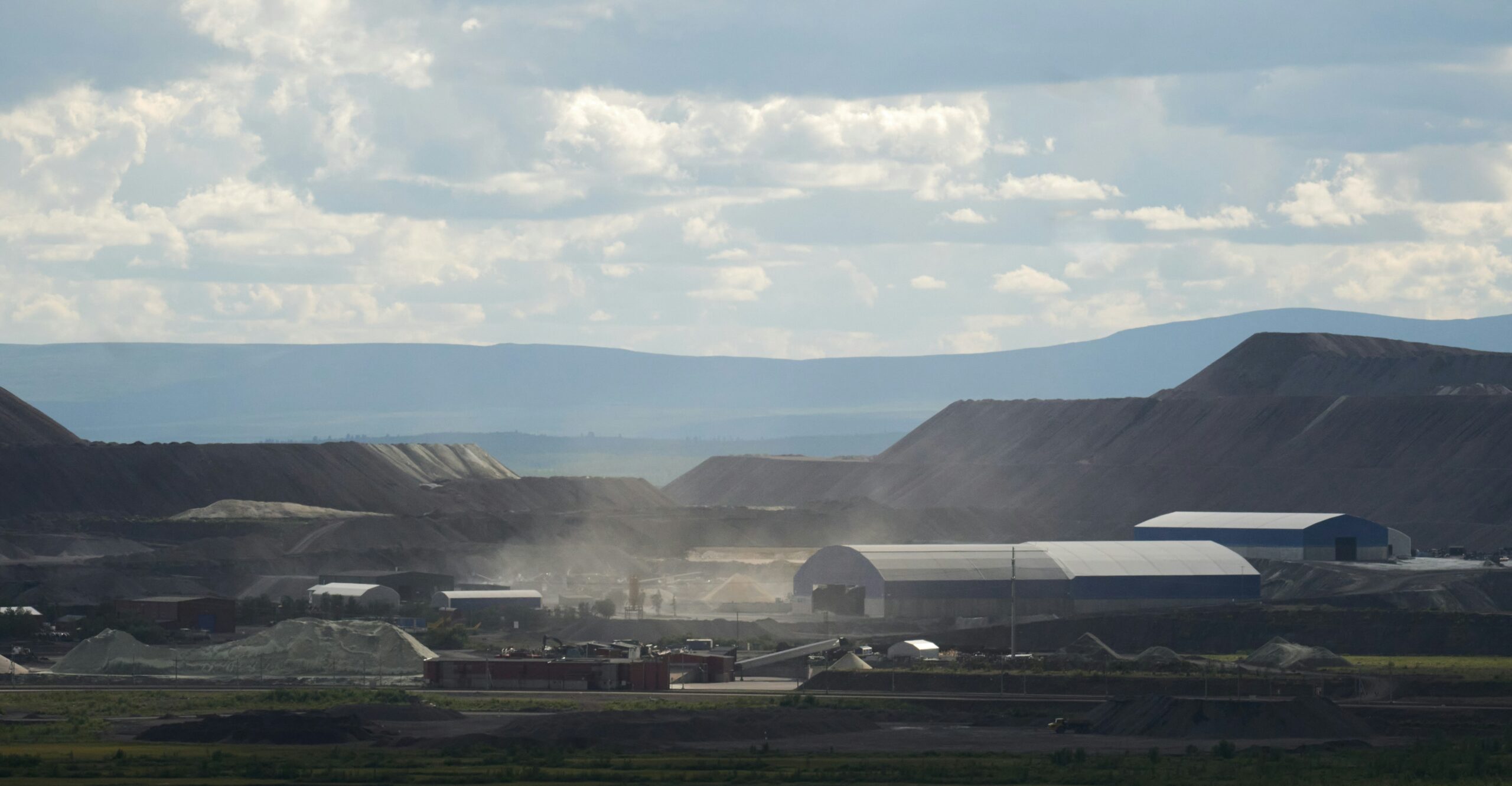
South America, a continent sculpted by geological giants and blessed with a rich tapestry of natural resources, stands at the nexus of a global energy revolution. Within its sun-drenched salt flats and beneath its ancient mountains lies a treasure trove of lithium, the indispensable element powering the batteries that drive our increasingly electrified world. Exploring South America’s lithium mining companies is not merely an exercise in economic geography; it is an examination of geopolitical shifts, technological advancements, and the intricate dance between industrial ambition and environmental stewardship. This article delves into the heart of this vital industry, unpacking the key players, their operational landscapes, and the challenges and opportunities that define their trajectory.
South America’s lithium reserves are not evenly distributed, but rather concentrated in a specific region colloquially known as the “Lithium Triangle.” This geological anomaly, spanning parts of Argentina, Bolivia, and Chile, holds an estimated 60% of the world’s known lithium resources, according to various geological surveys. The unique geological conditions here, characterized by vast underground brine reservoirs trapped within hypersaline lakes and salt flats, make extraction economically viable and technically more straightforward than hard-rock mining in other parts of the world. The mineral is dissolved in these saline waters, and traditional extraction methods involve pumping the brine to the surface, where it undergoes a lengthy process of evaporation in large, shallow ponds.
Argentina’s Salar de Olaroz and Cauchari-Olaroz
Argentina, a significant player in the Lithium Triangle, boasts substantial reserves, particularly in the north-western provinces of Jujuy and Catamarca. The Salar de Olaroz, located in Jujuy, is a prime example of this lithium wealth. This vast salt flat, shimmering under the Andean sun, is the operational heart of Orocobre Limited (now rebranded as Arcadium Lithium), a company that has been instrumental in developing large-scale lithium brine extraction in the region. Orocobre’s operations at Olaroz, in partnership with local communities and the provincial government, have become a benchmark for the industry. The company extracts lithium carbonate, a precursor material, which is then further processed. Nearby, the Cauchari-Olaroz project, operated by a consortium including Ganfeng Lithium and Lithium Americas, represents another significant development, aiming to further capitalize on the region’s abundant lithium brine. These projects are not just industrial endeavors; they are also complex logistical undertakings, requiring the construction of extensive infrastructure in remote and challenging terrains. The arid climate and high altitude present unique obstacles, from water scarcity to extreme temperature fluctuations, demanding innovative engineering solutions.
Chile’s Salar de Atacama: The World’s Lithium Powerhouse
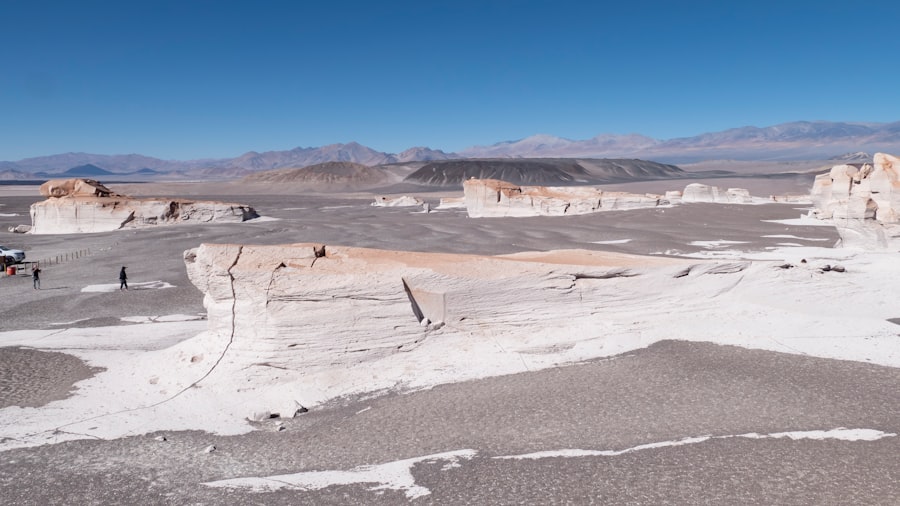
Chile, particularly the Salar de Atacama, is arguably the most prolific lithium-producing region in the world. This arid desert landscape, dotted with shimmering salt crusts and volcanic peaks, is a natural laboratory for lithium extraction. The Chilean government, through its state-owned mining corporation Codelco and its designated lithium production zones, tightly controls its lithium resources. Historically, the operations in the Salar de Atacama have been dominated by a few major players who acquired concessions during earlier periods of exploration. The extraction process here, similar to Argentina, relies on the solar evaporation of brines pumped from beneath the salt crust. The high concentration of lithium in the Atacama brines, coupled with the intense solar radiation, contributes to the efficiency of this method. However, the environmental impact of such large-scale evaporation ponds, including water consumption and potential soil salinization, remains a subject of ongoing scrutiny and research.
Bolivia’s Untapped Potential: The Salar de Uyuni
Bolivia possesses the world’s largest estimated lithium reserves in the Salar de Uyuni, the largest salt flat on Earth. However, despite this immense potential, Bolivia’s lithium extraction industry has lagged behind its South American neighbors. The Bolivian government has pursued a strategy of state-led development, aiming to control the entire value chain from extraction to battery production. This approach, while intended to maximize national benefit, has faced significant challenges in securing the necessary capital, technology, and expertise for large-scale commercial operations. The Salar de Uyuni, with its vastness and purity, represents a potential goldmine, but unlocking this resource requires navigating a complex interplay of political will, economic feasibility, and international partnerships. The geological conditions are ideal, but the industrial infrastructure and the business models are still in formative stages, making Bolivia’s lithium future a story of potential yet to be fully written.
Lithium mining companies in South America are gaining significant attention due to the increasing demand for lithium-ion batteries, which are essential for electric vehicles and renewable energy storage. For those interested in exploring the latest developments in this sector, a related article can be found at MyGeoQuest, where you can learn more about the environmental impacts and economic implications of lithium extraction in countries like Chile, Argentina, and Bolivia.
Key Players and Their Strategies
The South American lithium landscape is populated by a diverse range of companies, from established multinational corporations to emerging explorers. Their strategies are shaped by a confluence of factors including asset ownership, technological innovation, market demand, and evolving regulatory frameworks. Understanding these players is crucial to grasping the dynamics of the global lithium supply chain.
Arcadium Lithium (formerly Orocobre)
Arcadium Lithium, a product of the merger between Orocobre and Allkem, stands as a significant force in the South American lithium sector. With operations in Argentina (Salar de Olaroz) and Chile (Salar de Atacama), the company employs a hybrid approach, leveraging both brine extraction and hard-rock mining operations in other parts of the world. In South America, their focus remains on the cost-effective production of lithium carbonate from brine. Arcadium Lithium’s strategy emphasizes operational efficiency, responsible resource management, and building strong relationships with local communities and governments. They are also investing in downstream processing capabilities, aiming to move further up the value chain beyond just the production of raw materials. This strategic vertical integration is a common theme among ambitious lithium producers seeking to capture more value and secure their market position.
Lithium Americas Corp.
Lithium Americas Corp. is another prominent company with significant interests in the Lithium Triangle. Their flagship project is the Cauchari-Olaroz operation in Argentina, a joint venture with Ganfeng Lithium. This project is designed to be a large-scale, low-cost producer of lithium carbonate. Beyond Olaroz, Lithium Americas is also developing the Thacker Pass project in the United States, demonstrating a geographic diversification strategy. Their South American operations are crucial to their global output, and the company is keenly focused on expanding production capacity to meet projected market demand. The success of Cauchari-Olaroz is vital for Lithium Americas, as it represents a substantial portion of their current production and future growth potential.
Albemarle Corporation
Albemarle Corporation is a global leader in specialty chemicals and a major producer of lithium. Their operations in the Salar de Atacama, Chile, are among the most productive in the world. Albemarle employs a sophisticated brine extraction and processing methodology, producing both lithium carbonate and lithium hydroxide. Lithium hydroxide is a preferred chemical form for certain types of high-performance batteries used in electric vehicles. The company’s strategy in Chile focuses on optimizing its existing operations, expanding capacity where feasible, and maintaining its competitive edge through technological advancements in extraction and processing. Albemarle’s global presence and integrated supply chain provide them with significant leverage in the market. Their investments in research and development are critical for staying ahead in an evolving industry.
SQM (Sociedad Química y Minera de Chile)
SQM, a Chilean chemical company, is one of the world’s largest producers of lithium. Their operations are primarily centered in the Salar de Atacama, where they produce lithium carbonate and lithium hydroxide. SQM has a long history of operations in the region and has developed extensive expertise in brine processing. The company’s strategy involves maximizing production from its existing concessions while also exploring opportunities for expansion and diversification into other specialty chemicals. SQM’s position as a major South American lithium producer gives it considerable influence in the global market. Their commitment to sustainability and community engagement is also a growing focus, reflecting the increasing importance of these factors in the mining industry.
Technological Advancements in Extraction
The extraction of lithium from brine in South America is a complex chemical and engineering process. While solar evaporation has been the dominant method for decades, ongoing research and development are leading to new and more efficient techniques, aiming to reduce water usage, minimize environmental impact, and accelerate production timelines. The allure of these advancements is that they could unlock previously uneconomical lithium deposits and improve the overall sustainability profile of the industry.
Direct Lithium Extraction (DLE) Technologies
Direct Lithium Extraction (DLE) technologies represent a paradigm shift in how lithium can be recovered from brines. Unlike traditional evaporation, which can take many months, DLE systems aim to extract lithium ions directly from the brine using various chemical or physical sorbents. These technologies promise to significantly reduce the land footprint, water consumption, and processing time associated with lithium production. Several companies are actively developing and piloting DLE technologies, including technologies that utilize adsorption, ion exchange, or membrane filtration. The successful commercialization of DLE could revolutionize lithium extraction in South America, making previously marginal resources viable and improving the environmental performance of existing operations. The challenge lies in scaling these technologies economically and ensuring their long-term reliability.
Improving Evaporation Pond Efficiency
Even within the framework of traditional solar evaporation, there are ongoing efforts to improve efficiency. This includes optimizing pond design, using darker liners to increase solar absorption, and employing advanced monitoring systems to manage brine flow and concentration more effectively. While DLE holds significant promise, incremental improvements in evaporation pond technology will likely remain relevant for some time, especially for large-scale, established operations. These refinements, though less revolutionary than DLE, can still contribute to making the existing extraction methods more resource-efficient.
Water Management and Conservation
Water is a precious resource in the arid regions where lithium is mined. Therefore, robust water management and conservation strategies are paramount. Companies are implementing closed-loop systems, recycling process water, and exploring desalination technologies to minimize their reliance on scarce freshwater sources. The environmental and social license to operate in these regions is increasingly tied to responsible water stewardship. This is not just a matter of compliance; it is a fundamental aspect of ensuring the long-term viability of lithium mining operations.
Environmental and Social Considerations
The extraction of any natural resource comes with inherent environmental and social responsibilities. In the context of South America’s lithium mining, these considerations are particularly acute due to the unique ecosystems and the presence of indigenous communities in many of the operational areas. Balancing the global demand for lithium with the need to protect these sensitive environments and respect local cultures is a critical challenge for the industry. Ignoring these aspects is like trying to build a grand edifice on a crumbling foundation.
Water Usage and Salinity Management
The extensive use of water for brine pumping and processing is a significant environmental concern in the hyper-arid climate of the Lithium Triangle. The potential impact on local water tables, river systems, and the delicate salt-flat ecosystems requires careful monitoring and mitigation. Furthermore, the management of spent brines and the prevention of soil salinization around evaporation ponds are crucial to avoid long-term ecological damage. Companies are increasingly investing in sophisticated hydrological studies and implementing water recycling initiatives to address these challenges.
Impact on Biodiversity and Ecosystems
The salt flats and surrounding arid regions are home to unique flora and fauna that have adapted to extreme conditions. Large-scale evaporation ponds and associated infrastructure can disrupt these delicate ecosystems, potentially impacting species that rely on these environments for survival. Mitigation strategies include careful site selection, land rehabilitation efforts, and ongoing ecological monitoring to assess and minimize biodiversity loss.
Indigenous Communities and Land Rights
In many areas where lithium is mined, indigenous communities have historical ties to the land and traditional livelihoods. Ensuring free, prior, and informed consent (FPIC) from these communities, respecting their land rights, and fostering equitable benefit-sharing are critical for the social sustainability of lithium projects. Genuine engagement and partnership with indigenous groups are not only ethical imperatives but also essential for long-term project success and avoiding social conflict. The history of resource extraction in South America is replete with examples where the exclusion of local populations has led to protracted disputes.
Mine Rehabilitation and Closure
Responsible mining requires a comprehensive plan for mine rehabilitation and closure. This involves restoring disturbed land, controlling erosion, and ensuring that the environmental footprint of mining operations is minimized at the end of their lifespan. Many companies are developing progressive rehabilitation plans that begin during the operational phase, rather than waiting until closure.
Lithium mining companies in South America are gaining significant attention due to the increasing demand for electric vehicle batteries and renewable energy storage solutions. A recent article discusses the environmental challenges and economic opportunities associated with lithium extraction in the region, highlighting the delicate balance between resource development and sustainability. For more insights on this topic, you can read the full article here. As the industry evolves, it is crucial to consider both the benefits and the potential impacts on local communities and ecosystems.
The Future of South American Lithium Mining
| Company Name | Country | Production Capacity (tons/year) | Primary Lithium Source | Market Share (%) | Key Projects |
|---|---|---|---|---|---|
| Sociedad Química y Minera (SQM) | Chile | 80,000 | Brine | 25 | Atacama Salt Flat |
| Albemarle Corporation | Chile | 70,000 | Brine | 22 | Atacama Salt Flat |
| Livent Corporation | Argentina | 20,000 | Brine | 7 | Fenix Project |
| Galaxy Resources | Argentina | 15,000 | Hard Rock | 5 | Sal de Vida |
| Orocobre Limited | Argentina | 17,000 | Brine | 6 | Olaroz Lithium Facility |
| Mineral Resources Limited | Bolivia | 5,000 | Brine | 2 | Uyuni Salt Flat (Exploration) |
The future of South America’s lithium mining industry is poised for significant growth, driven by the insatiable global demand for electric vehicles and energy storage solutions. However, this growth will be shaped by an intricate interplay of technological innovation, evolving geopolitical landscapes, and the increasing imperative for sustainable and responsible resource extraction. Navigating this future requires foresight, adaptability, and a deep understanding of the multifaceted challenges and opportunities that lie ahead.
Growing Global Demand and Supply Chain Security
The global shift towards decarbonization and electrification directly translates into an ever-increasing demand for lithium. As more countries set ambitious targets for electric vehicle adoption and renewable energy integration, the pressure on lithium supply chains will intensify. South America, with its vast reserves, is strategically positioned to play a pivotal role in meeting this demand. Securing this supply chain, however, will involve navigating complex international relations, investment risks, and the need for stable and predictable regulatory environments in producing nations.
Geopolitical Influences and Resource Nationalism
Lithium, often dubbed “white gold,” is becoming a strategically important commodity. This has led to increased geopolitical interest and, in some cases, a resurgence of resource nationalism in South American countries. Governments are increasingly looking to assert greater control over their lithium resources, seeking to maximize national benefit through state-led initiatives, stricter contract negotiations, and by encouraging domestic processing and value-addition. This dynamic can lead to both opportunities for increased national revenue and potential friction with international investors and established players.
Investment and Innovation in Downstream Processing
While South America excels in the extraction of lithium raw materials, there is a growing impetus to develop downstream processing capabilities within the continent. This includes the production of lithium chemicals like lithium hydroxide and lithium carbonate, and potentially even the manufacturing of battery components. Encouraging such value-addition within South America can create more jobs, boost local economies, and reduce reliance on distant processing facilities, thereby enhancing supply chain resilience. Increased collaboration between mining companies, chemical manufacturers, and technology providers will be crucial for this transition.
The Role of Technology in Shaping the Landscape
As mentioned earlier, advancements in Direct Lithium Extraction (DLE) technologies, coupled with improvements in battery recycling, hold the potential to significantly alter the lithium landscape. DLE could unlock new reserves, reduce environmental impacts, and shorten production cycles, while effective battery recycling can lessen the reliance on primary extraction. Companies that embrace and invest in these technological innovations will likely be at the forefront of the industry’s evolution. The integration of artificial intelligence and advanced data analytics will also play an increasingly important role in optimizing extraction processes, predicting market trends, and managing complex operations.
FAQs
What are the main countries in South America involved in lithium mining?
The primary countries in South America involved in lithium mining are Argentina, Chile, and Bolivia. These countries are part of the “Lithium Triangle,” which holds a significant portion of the world’s lithium reserves.
Which companies are the leading lithium mining operators in South America?
Leading lithium mining companies in South America include SQM and Albemarle in Chile, Livent and Orocobre in Argentina, and several state-owned enterprises in Bolivia. These companies focus on extracting lithium from brine deposits in salt flats.
What methods are commonly used for lithium extraction in South America?
Lithium in South America is primarily extracted from brine deposits found in salt flats. The process involves pumping lithium-rich brine to the surface, allowing it to evaporate in large ponds, and then processing the concentrated lithium for commercial use.
Why is lithium mining important in South America?
Lithium mining in South America is crucial because the region contains some of the largest lithium reserves globally. Lithium is a key component in batteries for electric vehicles, electronics, and renewable energy storage, making it vital for the global transition to clean energy.
What environmental concerns are associated with lithium mining in South America?
Environmental concerns related to lithium mining in South America include water depletion, habitat disruption, and potential contamination from chemicals used in the extraction process. These issues have raised concerns among local communities and environmental groups.