
Seattle’s subterranean history, a labyrinth of forgotten streets and hidden passageways, beckons explorers to delve beneath the bustling modern cityscape. For decades, these obscured remnants of Seattle’s past lay dormant, casualties of progress and urban renewal. However, a unique architectural feature, the humble yet evocative “vault light,” has served as a silent sentinel, hinting at the world that lies beneath the pavement. These translucent panels, embedded in sidewalks, once illuminated the basements and underground shops of early Seattle, and today, they offer a tangible connection to a bygone era, inviting curious minds to uncover the city’s buried secrets.
Unearthing the Foundations of a Resilient City
Seattle, a city forged in the crucible of adversity and ambition, possesses a layered history that is not immediately apparent to the casual observer. Its dramatic growth, particularly in the late 19th century, was punctuated by a pivotal event that would irrevocably alter its urban fabric: the Great Seattle Fire of 1889. This catastrophic blaze, originating in a woodworking shop, swept through the downtown core, reducing much of the city’s wooden structures to ash. The immediate aftermath was not one of despair, but of a fierce determination to rebuild, stronger and more resilient than before. This rebuilding effort, however, presented a unique challenge, and it was in addressing this challenge that the underground city began to take shape. The initial response to the fire was to construct anew, but this time, the city planners and builders made a crucial decision: to elevate the streets. This seemingly simple act of raising the ground level by as much as twenty feet in some areas was a pragmatic solution to a recurring problem: the city’s low-lying areas were prone to flooding from Puget Sound and the constantly overflowing local waterways. The decision to elevate the streets, while solving the immediate flood control issue, inadvertently created a new reality for the businesses and residences that had occupied the original street level.
The Fires that Shaped the City
The Great Seattle Fire of 1889 was not an isolated incident; it was the culmination of a series of fires that plagued the young settlement. Early Seattle was built largely of wood, a readily available and easily worked material, but also a highly flammable one. Consequently, fires were a frequent and destructive hazard. The 1889 fire, however, was of unprecedented scale, consuming an estimated 25 city blocks and leaving thousands homeless. The sheer devastation forced a fundamental re-evaluation of the city’s construction methods and urban planning. It was a harsh lesson learned, but one that ultimately spurred innovation and a commitment to a more robust future.
The Elevation of Seattle’s Streets
Following the fire, the rebuilding process involved a deliberate decision to raise the street levels throughout the downtown core. This ambitious undertaking involved bringing in fill material, often sand and dirt from nearby hills, and using it to build up the streets. The primary motivation for this elevation was to combat the perennial problem of tidal flooding and stormwater runoff. Many of the original buildings, constructed at a lower grade, found their ground floors becoming the new basements. Instead of demolishing these structures, many were simply built upon, with new facades and entrances constructed at the elevated street level. This process of street elevation, while transformative, meant that the original ground floors and the businesses they housed were effectively buried. This act of urban engineering, driven by necessity, laid the groundwork for the hidden world that exists beneath Seattle today.
The fascinating history of Seattle’s underground vault lights is explored in detail in a related article that delves into the city’s unique subterranean infrastructure. These vault lights, which illuminate the sidewalks above, are a testament to Seattle’s innovative approach to urban design in the late 19th century. To learn more about this intriguing aspect of Seattle’s history, you can read the article here: Seattle Vault Lights Underground.
The Emergence of the Underground City
As Seattle’s streets rose, a subterranean world began to materialize. The former ground floors of buildings, now sitting below the new street level, were not abandoned. Instead, they were adapted and repurposed, evolving into a network of basements, storage areas, and even new businesses that operated in the dim, enclosed spaces. This “underground city” became a vital, albeit often unseen, component of Seattle’s urban life. The architectural ingenuity of the era found expression in the ways these new subterranean spaces were integrated into the city’s infrastructure. Services, such as mail delivery, were adapted, with postmen making their rounds through these newly created underground corridors. The evolution of these buried spaces was a testament to the resourcefulness of Seattle’s early inhabitants, who transformed a potential architectural blight into a functional, albeit unconventional, urban environment.
Ingenuity in Adaptation: Basements and Beyond
The original ground floors of buildings, now relegated to basement status, were not simply left to decay. Businesses that had been located at the street level found ways to continue operating. Restaurants, shops, and even saloons adapted to their new subterranean existence. Entrances to these underground establishments were often accessed via staircases leading down from the elevated sidewalks. Many of these spaces were illuminated by the very vault lights that punctuate Seattle’s sidewalks today, serving as the primary source of natural light for these obscured environments. The resilience and adaptability of these early businesses are a testament to the entrepreneurial spirit that characterized Seattle’s formative years.
The Role of Vault Lights
The defining feature of Seattle’s underground city, and the focal point of its exploration, is undoubtedly the vault light. These glass panels, typically set into concrete or metal frames, were installed in sidewalks and alleyways to allow natural light to penetrate the basements and lower levels of buildings. They served as a critical source of illumination, transforming dark, often damp, basement spaces into more usable and inviting environments. The variety of vault lights themselves speaks to the craftsmanship of the period, with different patterns and textures of glass used to diffuse light effectively. Some are simple, clear panes, while others feature intricate designs that cast dappled patterns on the cavernous spaces below. Their presence is a constant reminder of the layers of history that lie just beneath the surface, a whispered invitation to imagine the lives and businesses that once thrived in their glow.
Uncovering the Buried Passageways: Tours and Discoveries
Today, the allure of Seattle’s underground city is a powerful draw for tourists and history buffs alike. Organized tours offer a unique opportunity to descend into this hidden world and witness firsthand the remnants of Seattle’s past. These guided explorations provide context and narrative, bringing to life the stories of the people who inhabited these buried spaces. Led by knowledgeable guides, visitors can navigate narrow passageways, explore former shop interiors, and marvel at the preserved architectural details. The experience is not merely a historical one; it is an immersive journey into a forgotten dimension of the city.
Guided Expeditions into the Depths
Several tour operators specialize in guiding visitors through Seattle’s underground. These expeditions typically focus on specific areas, such as the Pioneer Square district, where the underground remnants are most concentrated. Guides, often costumed in period attire, act as storytellers, recounting tales of the fire, the rebuilding process, and the daily lives of those who worked and lived underground. They point out the architectural features, explain the original uses of the spaces, and share anecdotes about the individuals who left their mark on this hidden city. The tours are designed to be both educational and entertaining, offering a glimpse into a past that is both tangible and evocative.
Stories from the Sidewalks
As visitors venture into the underground, they are often met with remnants of the businesses that once operated there. Faded signage, remnants of shelving, and even the ghostly outlines of storefronts offer poignant reminders of past commerce. Guides will share stories of specific businesses, such as the underground saloons where miners and loggers would gather, or the basements that served as bustling marketplaces. The stories often highlight the ingenuity and perseverance of the people who carved out a living in these challenging environments. The vault lights, with their diffused glow, serve as constant companions, illuminating these narratives and adding to the atmospheric quality of the experience. It is in these details, the subtle whispers of history, that the true magic of exploring Seattle’s underground lies.
The Vault Lights as Timeless Sentinels
More than just architectural curiosities, Seattle’s vault lights are enduring symbols of the city’s resilience and its layered history. They are the silent storytellers, embedded in the very fabric of the sidewalks, offering a constant, albeit often overlooked, connection to the past. These luminous portals are not merely remnants of a bygone era; they are active participants in the present, a subtle but persistent reminder of the city that lies beneath the one we see today. Their unique design, functionality, and sheer survival through decades of urban evolution make them a fascinating subject of study and admiration.
Architectural Significance and Design
The design of vault lights varied, reflecting the aesthetic and practical considerations of the late 19th and early 20th centuries. Many feature cast-iron frames, a testament to the industrial capabilities of the time, embedded with thick, often textured, glass. The texture of the glass was crucial, serving to diffuse the incoming sunlight and prevent harsh glare, while still allowing sufficient illumination. Some vault lights incorporated decorative elements, such as embossed patterns or beveled edges, adding a touch of artistry to their utilitarian purpose. The robust construction of these lights ensured their durability, allowing them to withstand the weight of pedestrian traffic and the passage of time. Their continued presence is a testament to the quality of materials and craftsmanship employed in their creation.
Preserving a Piece of History
The preservation of Seattle’s underground infrastructure, including the vault lights, is a crucial aspect of maintaining the city’s historical integrity. As urban development continues, there is always a risk that these buried remnants could be lost or destroyed. However, growing awareness of their historical and cultural significance has led to efforts to protect and, in some cases, restore these underground spaces. Organizations dedicated to historical preservation play a vital role in advocating for the protection of these unique remnants, ensuring that future generations can continue to explore and learn from Seattle’s hidden past. The vault lights, in this context, become more than just glass and iron; they are guardians of memory, ensuring that the stories of Seattle’s underground continue to shine through.
Seattle’s underground vault lights are a fascinating aspect of the city’s history, illuminating the hidden passages that date back to the late 19th century. These unique features not only serve as a reminder of Seattle’s past but also contribute to the city’s charm. For those interested in exploring more about the intriguing history of these vault lights, you can read a related article that delves deeper into their significance and the stories behind them. Check it out here to learn more about this captivating topic.
Beyond the Tours: Experiencing the Echoes of the Past
| Metric | Value | Notes |
|---|---|---|
| Number of Vault Lights | Approximately 1,000 | Estimated count in downtown Seattle |
| Installation Period | Early 1900s | Most vault lights date back to this era |
| Material | Cast Iron and Glass | Typical construction materials for vault lights |
| Purpose | Natural Underground Lighting | Allows daylight to illuminate underground sidewalks and vaults |
| Current Condition | Mixed | Some restored, others damaged or missing |
| Preservation Efforts | Active | Local groups and city initiatives involved |
| Typical Size | 12″ x 12″ Panels | Standard dimension for individual vault light panels |
| Light Transmission | Up to 70% | Percentage of daylight transmitted through glass panels |
While organized tours provide a structured and informative way to experience Seattle’s underground, the city itself offers subtle invitations to connect with its buried history even outside of these guided explorations. A discerning eye, when walking through the older districts, can still spot the telltale glint of vault lights in the sidewalks, each one a portal to a forgotten narrative. These moments of accidental discovery can be just as profound, sparking the imagination and fostering a deeper appreciation for the city’s complex past. The urban landscape, when viewed through this historical lens, becomes a richer and more layered tapestry.
Subtle Reminders on the Surface
Even without descending into the subterranean realm, the presence of vault lights on the surface serves as a constant reminder of the city’s layered history. Walking through neighborhoods like Pioneer Square, one can’t help but notice these translucent panes embedded in the sidewalks. They are subtle, yet persistent, invitations to contemplate the world that lies beneath. Imagine the hustle and bustle of a basement bakery, the murmur of conversations in an underground saloon, all illuminated by the gentle glow filtering through these glass squares. These moments of passive observation, coupled with a little historical context, can transform a mundane stroll into a journey through time.
The Enduring Legacy of Seattle’s Buried City
The story of Seattle’s underground is a compelling narrative of adaptation, resilience, and the enduring power of human ingenuity. From the ashes of the Great Fire to the deliberate elevation of its streets, the city has continually reshaped itself, leaving behind a hidden layer of history. The vault lights stand as the quiet witnesses to this transformation, their luminous presence a constant link to the past. They are not merely relics; they are a testament to a city that refused to be buried by its challenges, but instead found ways to build upon them, creating a rich and complex legacy that continues to fascinate and inspire. Exploring Seattle’s underground, with its vault lights as guiding beacons, is an essential experience for anyone seeking to understand the true depth and character of this dynamic Pacific Northwest metropolis.
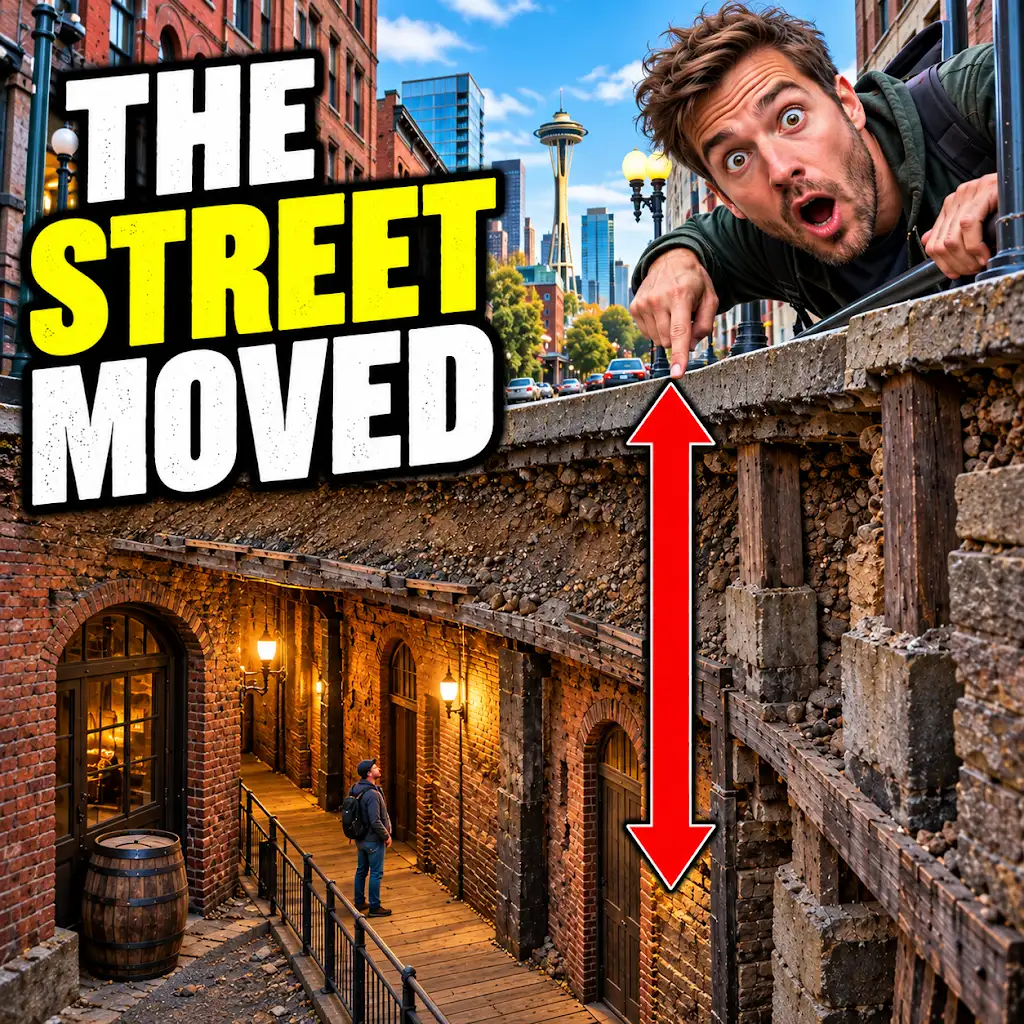
Seattle Raised Its Streets. The Old Storefronts Stayed Put
FAQs
What are Seattle vault lights underground?
Seattle vault lights underground are historic glass prisms set into the sidewalks of downtown Seattle. They were installed in the late 19th and early 20th centuries to provide natural light to the underground spaces below.
Why were Seattle vault lights installed?
Seattle vault lights were installed to bring natural light into the underground spaces, which were used for various purposes such as storage, shops, and passageways. The prisms allowed sunlight to filter down into the dark spaces below street level.
Where can Seattle vault lights be found?
Seattle vault lights can be found in the Pioneer Square neighborhood of downtown Seattle. They are set into the sidewalks along certain streets, particularly in areas where the underground spaces are still accessible for tours.
Are Seattle vault lights still functional?
While many of the Seattle vault lights are no longer functional due to damage or deterioration over time, efforts have been made to preserve and restore some of them. Some of the prisms have been replaced with replicas to maintain the historic look and feel of the underground spaces.
Can the public visit the underground spaces with Seattle vault lights?
Yes, the public can visit the underground spaces in Pioneer Square that feature Seattle vault lights. Guided tours are available to explore the historic passageways, storefronts, and remnants of Seattle’s early days.